Humanitarian/Development | Currently @IFAD | Formerly @FAO @UNEP | Studied @NITHamirpurHP @polimi | Interested in Conflicts & Disasters | All views are my own
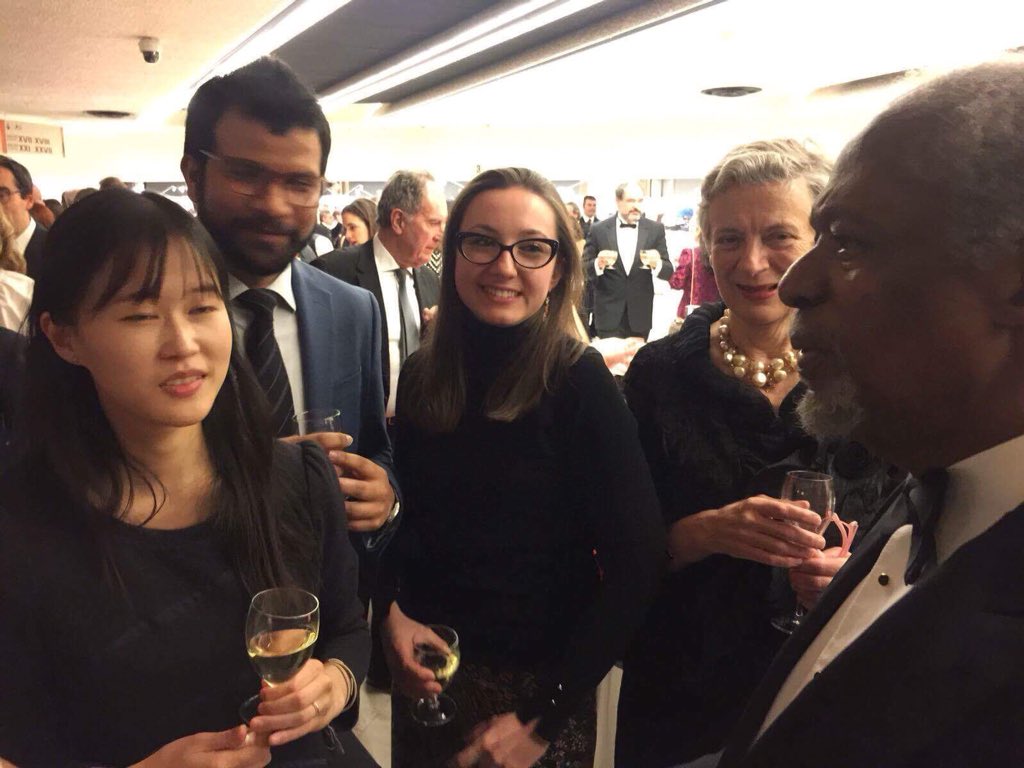
You were inspiration for millions including me. You were the reason I joined @UN , ditching an engineering career. May history kind to you. Rest In Peace #KofiAnnan
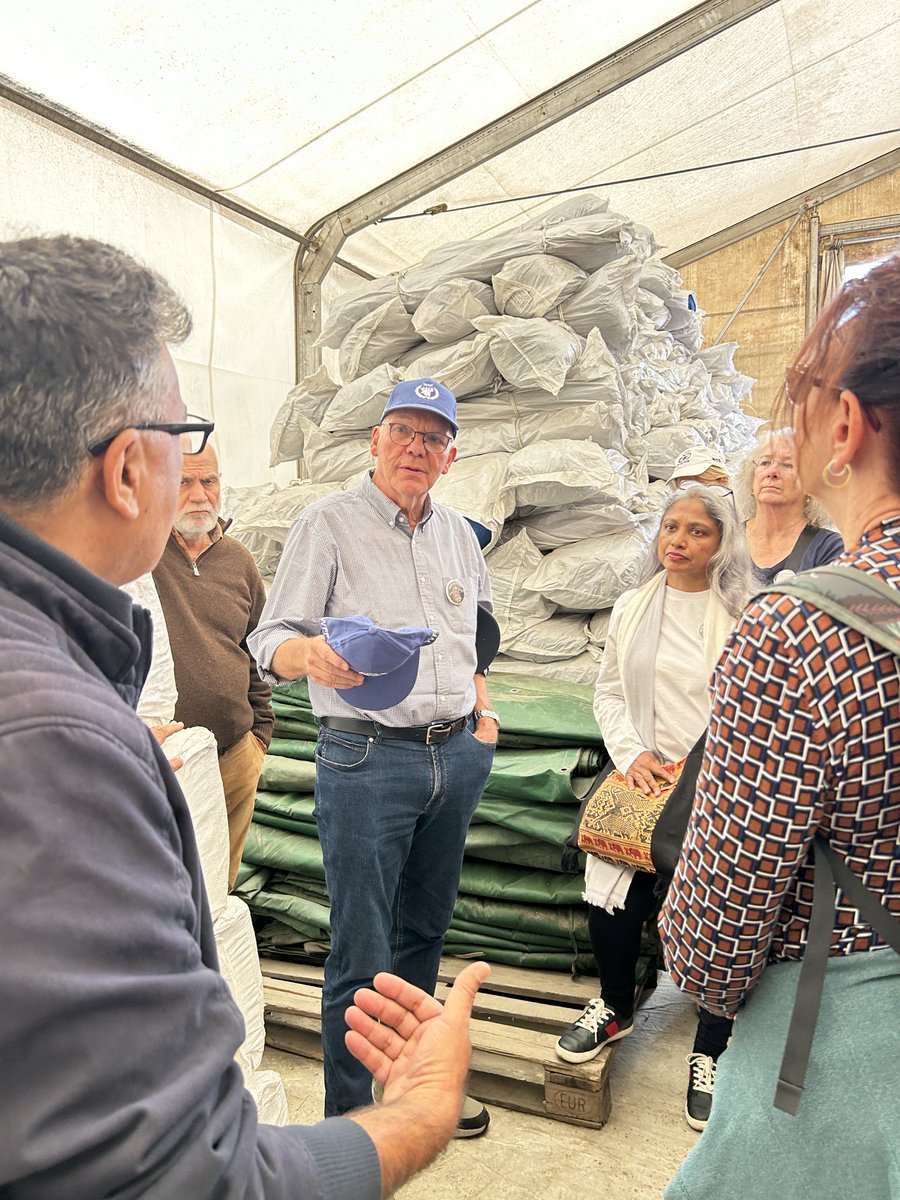
Creative vision by @WFP_Nepal team to establish Humanitarian Stagging Area @ the Airport , which is playing crucial role in responding to crisis like earthquake, Bhote Koshi and other disasters. Glad to finally visit the site w/18 visiting @WFP team, to Nepal for 12 days in
I have been thinking about the recent visit of BAPS Swaminarayan monks to the Eiffel Tower, and it brought back an experience of my own that I have never quite known how to articulate.
Some time ago, I was staying at an accommodation where Swaminarayan monks were also living next door. They followed a practice of not “seeing” women, which meant that, at certain hours, I could not access some common areas.
My first reaction was indignation. I remember thinking: Is this not exactly why women have to try twice as hard to be considered half as good? As someone who has always been outward-looking and travelled extensively, I was even tempted to write an X thread about how such seemingly regressive practices could thrive in the 21st century.
And then something unexpected happened.
The monks cooked their own food — simple, beautiful sattvic meals. Their sahayaks began leaving breakfast, lunch and dinner for me too, checking whether I needed more or less. Once, in passing, I mentioned that I particularly liked one of the desserts. Somehow, that comment reached the monks, and they began making extra desserts because they had heard that I loved them. The day I left, they even packed me a meal for the road.
The care was difficult to explain. It was quiet and completely unselfconscious — simply an attentiveness to whether I had eaten, whether I needed something, whether I was comfortable.
My initial irritation slowly transformed into a feeling I have experienced very few places outside my own home: the feeling of being cared for almost as one is cared for by one's parents.
It made me question my own assumptions.
Sometimes, a practice that appears exclusionary to us may have a very different meaning within the spiritual framework of those who follow it. That does not mean every practice is beyond scrutiny. If women are asked to temporarily leave a space when Swamis visit, it is entirely legitimate to ask why, whether they have a choice, whether they feel humiliated, and whether anyone is actually being harmed.
But perhaps we should investigate such questions without deciding the answer beforehand.
There is, however, another responsibility — particularly when such traditions travel abroad.
Practices that have evolved within a specific cultural and spiritual context can lose not merely perspective, but context itself, when transplanted into another society. In Bharat, someone may understand a monk's practice through familiarity with its traditions, vocabulary, discipline and philosophy of renunciation. In Paris, London or New York, someone encountering it for the first time may have none of that context.
What is understood internally as spiritual discipline can therefore appear externally as discrimination or humiliation.
This is something BAPS must be conscious of. When traditions enter public spaces abroad, intentions alone are not enough. The host society encounters the action, not the internal reasoning behind it. There is therefore a responsibility to explain, contextualise and, where appropriate, adapt how such practices are conducted in shared public spaces.
That does not mean abandoning religious beliefs.
It means recognising that religious freedom and cultural sensitivity must travel together.
My experience taught me not to judge unfamiliar traditions solely by their outward appearance. But it also taught me that those who carry traditions across cultures have an equal responsibility to ensure that unfamiliarity does not become needless offence.
We should be able to hold both truths at once: traditions deserve scrutiny, women deserve dignity, and unfamiliar practices deserve understanding before condemnation.
🔵On 2 September 2026, #IFADeval Director Dr Indran A Naidoo gave a presentation at the first Caribbean Evaluation Space 2026, during the session “#AI, Data, and Power: Shaping the Future of #Evaluation in the Caribbean”.
🗞️Read more: https://t.co/4dqOxgKAtC
Seeing all my brave peers come out with their stories, I decided it was time for me to break the silence too. Here's everything I learned about Indian journalism, the contours of the industry, and how it made me who I am: https://t.co/1iJ8Givpmn
AI isn’t coming. It’s here. It didn’t knock; it just moved into the guest room and copied the Wi-Fi password. AI has been with us longer than most realize. But in a few short years, it has already been weaponized, monetized, & shoved into our feeds by companies that figured out the code to our most valuable resource: attention. … Meta & the rest aren’t about connecting people. They’re about getting our attention and connecting buyers & sellers. Zuckerberg didn’t get rich by bringing us together - he got rich by driving us apart.- @profgalloway foreword in this fascinating new book by my friend and AI Guru @VasantDhar #RecommendedReading
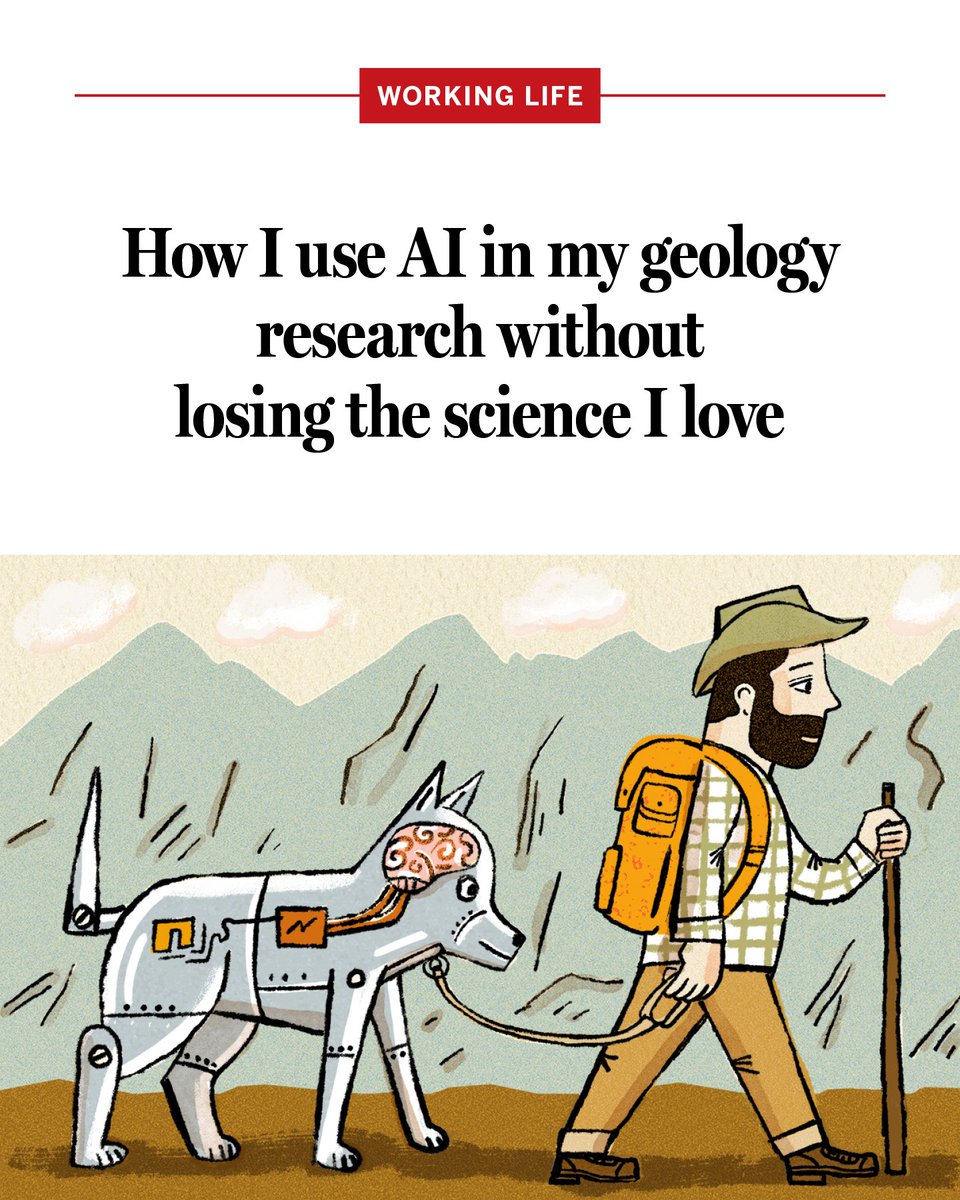
"… I have learned that this evolving world doesn’t have to be the end for the science I love. I can embrace the blocks of code without losing the rocks that brought me here in the first place." #ScienceWorkingLife https://t.co/SzPezvi0nG
India's Education Minister Dharmendra Pradhan has resigned after weeks of protests over a national exam scandal. The move marks a major victory for the youth-led Cockroach movement, which has now called off its demonstrations.
@akritiisharma has more: https://t.co/I8cKw42ULs
Dr Indran A. Naidoo, #IFADeval Director, and Anoop Sharma, IFADeval Evaluation Officer(AI&Data Analytics), are engaging in insightful discussions during the @AIforGood Global Summit, alongside distinguished experts for UN agencies, IFIs&intergovernmental organizations.
#AIforGood
Mona Fetouh, IOE Deputy Director, joined the discussion “@EvalforEarth at one year”, on the growth of a global evaluation community of 3,000+ members across 150 countries advancing collaboration, learning & evidence on food, climate & rural development.
🎬 https://t.co/K22tiLjQJN
📄 According to our latest thematic #evaluation, @IFAD’s #nutrition-sensitive projects identified #women as key beneficiaries and prioritized approaches to reduce women's workloads, promote income generation and women’s empowerment.
Learn more 👉 https://t.co/jdpJlaEPJ9
🔵 At #gLOCAL2026, IOE shared its experience in using AI responsibly across the evaluation cycle. From evidence synthesis to quality assurance, AI can boost efficiency - but human validation, transparency and accountability remain essential.
📰 Read more: https://t.co/axFyElnDGg
🔵 On 4 June, IOE welcomed Dr Valerien Pede, IRRI, for a Coffee Talk on “Challenges, Pros and Cons in Assessing the Impact of Rural Development Interventions”.
☕️ Learn more here: https://t.co/zCqfRPqumV
🌍 Tomorrow at #gLocalEval2026
How can AI help evaluators do more with less—without losing trust?
🗓️ June 3 | ⏰ 15:00–16:30 (GMT+2)
🔗 Register: https://t.co/W6fJyKl5vt
#AI#Evaluation#GEFIEO#EvalforEarth
❓#DidYouMissIt?
Check out our latest #evaluation of @IFAD’s engagement in small island developing states #SIDS!
You can find the full report here ➡️ https://t.co/UHWEoEWbsz
Hotter weather and shifting climate patterns in India have devastated Maharashtra’s prized Alphonso mango crop, dealing a blow to farmers and businesses tied to the country’s seasonal mango trade https://t.co/kRkUMQMrpP