Comprehensive database for the fission yeast S. pombe, providing structural and functional annotation and literature curation. Funded by the @wellcometrust.
Now in @MolecularCell: researchers led by @MarcBhler4 shed light on how transcription factors control genes in fission yeast—plus, they created FMI TFexplorer, a free tool for scientists! @PomBase
Read more about this work: https://t.co/drL1Tl9GzP
#The Gene Ontology Consortium has launched the PAN-GO functionome, a comprehensive resource detailing functions of over 20,000 human genes, integrating evolutionary data for enhanced accuracy and insight. @KeckSchool_USC@nature https://t.co/SxvkLVd84K https://t.co/9RFGrrTbGC
Don't miss this article published today in @NatureComms in which I have been lucky enough to participate, a beautiful work! @ibfg_es@usal@CSIC@PomBase https://t.co/r3T3Hr6Qlo
The Pfam protein families database: embracing AI/ML @NAR_Open
1. The latest updates to the Pfam database highlight a substantial shift towards AI integration, with Pfam-N using deep learning to increase family coverage by 8.8% in UniProtKB, offering a more expansive representation of the protein universe.
2. AlphaFold’s high-accuracy protein structure predictions play a pivotal role, helping refine domain boundaries, identify missing domains, and delineate evolutionary relationships, providing novel insights that enhance Pfam’s structural and functional annotations.
3. With Pfam’s transition to the InterPro platform, users now access an updated, unified interface for protein family data, streamlining functionality and addressing the technical debt of the legacy Pfam website.
4. The development of 710 new metagenomic families and 119 microprotein families showcases Pfam’s growing focus on underrepresented areas, filling gaps in metagenomics and uncovering roles for small proteins often overlooked in traditional annotation.
5. Collaborative efforts with ECOD (Evolutionary Classification of Protein Domains) align sequence and structural classifications, fostering a consistent, harmonized approach that enhances the utility and interpretability of domain annotations.
6. The database’s continued advancements in repeat coverage, through projects like RepeatsDB and REFRACT, support accurate annotation of repetitive protein domains, contributing valuable resources for understanding protein evolution and function.
7. AI and deep learning initiatives, including the transformer-based model InterPro-N, provide a powerful boost in identifying novel relationships and unseen family members, setting a foundation for further AI-driven innovations in protein family classification.
@Alexbateman1@andreeva789bg@matthiasblum@PfamDB@emblebi@mlbileschi_pub@Laetitia_Ppx@LucyColwell37
📜Paper: https://t.co/DvyQv0GdYi
#ProteinFamilies #Bioinformatics #AlphaFold #AIinBiology #ProteinDatabase #MachineLearning
I’ve seen many of you over there already, but with over 15 million users and counting(over 1 million in the last week alone) Bluesky has become a real hive of activity without a whole heap of bots, mouth-breathers, ads and “for you” BS.
Have your say about the future sustainability of biodata resources. The GBC's Open Letter campaign launches next week. It's your chance to join other high profile signatories to the letter.
#biodatacounts#globalbiodata
Today is an important day for the future of global biodata resources. GBC Executive Director, @guyrcochrane writes about the significance of the Open Letter campaign in raising awareness of the issue of biodata sustainability.
Click here to read blog https://t.co/cmMhS7GuOj
#biodatacounts
Global biodata resources are at risk - funding models are fragile and unsustainable. Support the GBC's Open Letter to call for solutions. Science leaders have already signed the letter, please join them.
Read and sign the letter here https://t.co/j75uSboQ9Z
#biodatacounts
Our recent work indicates that about 20% of the drugs, that are most commonly given to patients that have an increased risk of a fungal infection, act not not only on the human but also on the fungal pathogen, and render them more drug resistant or tolerant.
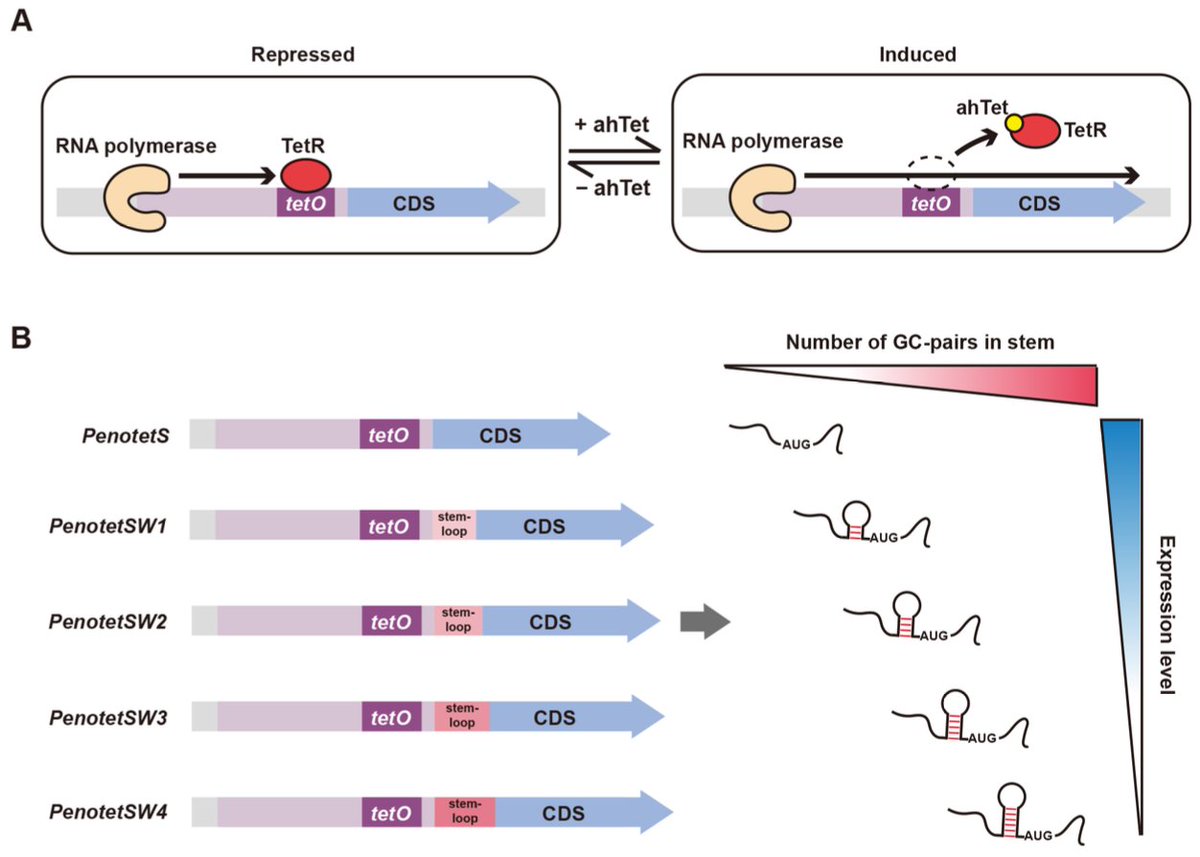
Our paper on a new inducible expression system for 𝘚. 𝘱𝘰𝘮𝘣𝘦 has been published. We hope this tool will benefit the fission yeast community.
https://t.co/i9fDtn9dMz
"Since their first description in fission yeast, actomyosin clusters have been observed in the cortical actin layer beneath the plasma membrane of a large variety of animal cells and within living organisms, and they have also been reconstructed in vitro" https://t.co/tWK6tE7Qm6
📢Excited to share our lab's @TheBraunLab latest preprint that reveals domain-specific functional pathways linked to heterochromatin regulation in S.pombe using a systematic quantitative approach. Check it out: https://t.co/U0ly6oRumL