Quantifying Post Grad/Post Doc Modern Slavery, trafficking, other forms of Academic/Science Corruption and Whistleblowing within Academic Science Industries.
This would never happen at a British Russel Group University. So there is no need for a complaints procedure or Whistleblowing type protections for the victims. Postgrad Whistleblowers should just go on Hunger Strike!
Employers are directly liable for whistleblower victimisation through institutional culture, even when no individual decision-maker personally knew about the original disclosure
#whistleblowing case, 1-28 Jun 2026, Bury St Edmunds Tribunal
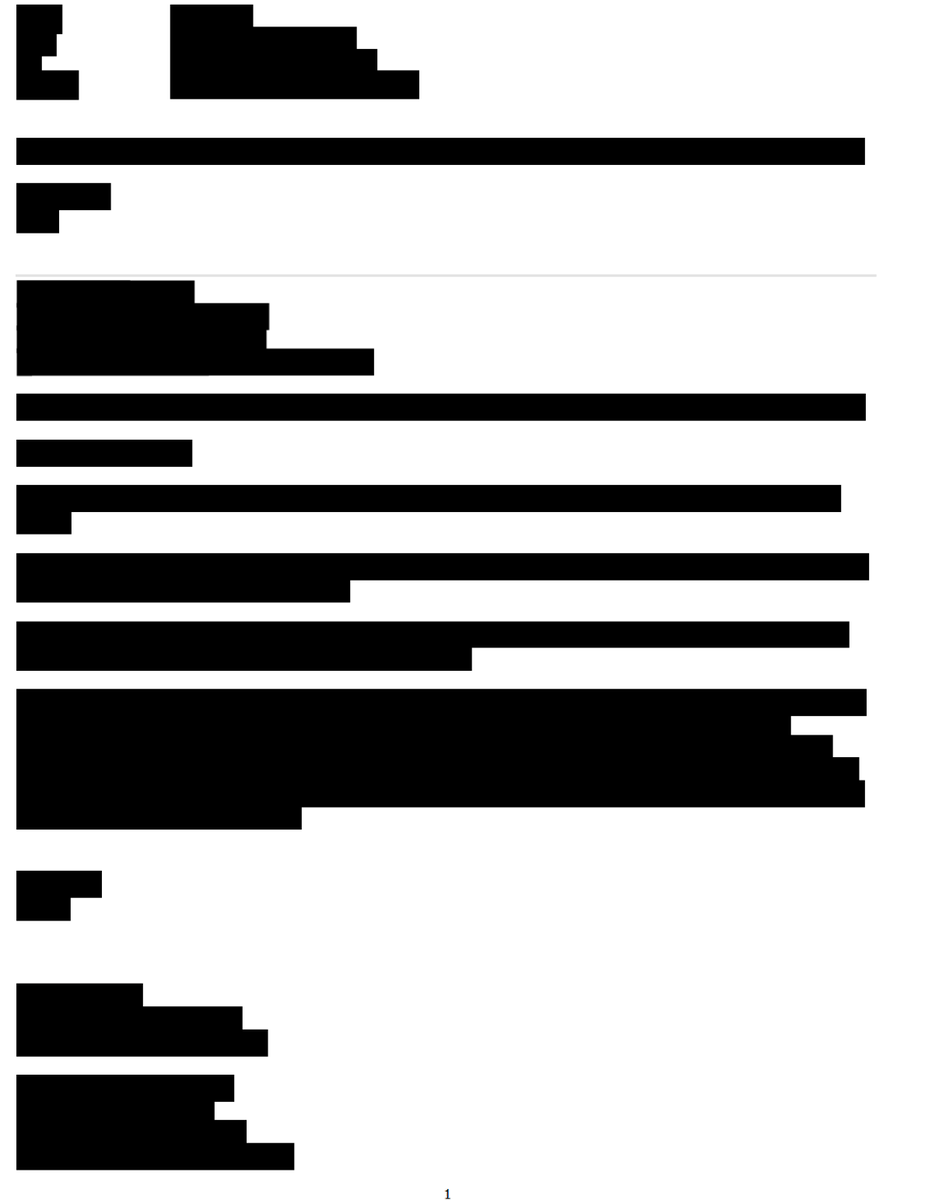
Creative use of the black highlighter pen!
Here's a minimalist extraction. The artist has boldly stripped away everything
Courtesy of a Russell Group university ahead of a forthcoming employment tribunal
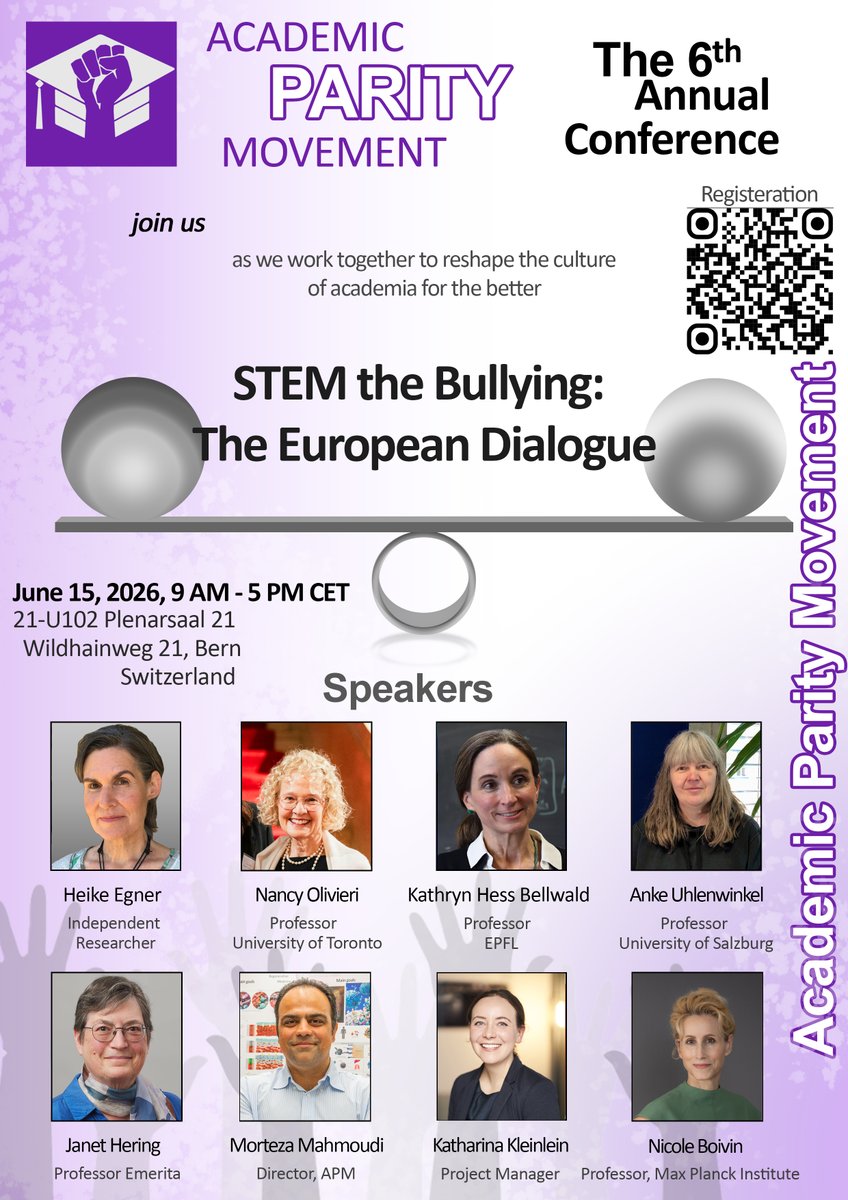
On June 15th, 2026, the Academic Parity Movement (APM) is bringing the global fight against #harassment to Bern, #Switzerland for: #STEM the #Bullying: The #European#Dialogue.
We’re moving beyond just "talking" about the problem. We’re gathering the people who actually have the power to change the system:
🔬 Researchers sharing lived experiences.
🏛️ University Administrators implementing new policies.
💰 Funding Agencies rethinking accountability.
⚖️ Policy Advocates driving systemic reform.
Harassment isn't just a personal issue—it’s a barrier to scientific innovation. It’s time to reshape the culture so talent can thrive unimpeded.
📅 When: June 15, 2026
📍 Where: Bern, Switzerland
🎟️ Register here: https://t.co/AS2EuVjKM1
@DrNancyOlivieri, @alison_vogelaar, @JanetGHering, @NicoleLBoivin
The collapse of UK universities isn’t inevitable -- it’s a political choice
Other countries manage; here, government is actively burning higher education to the ground
We’re reaching the end of accessible, nationwide research & teaching — and those in power barely care
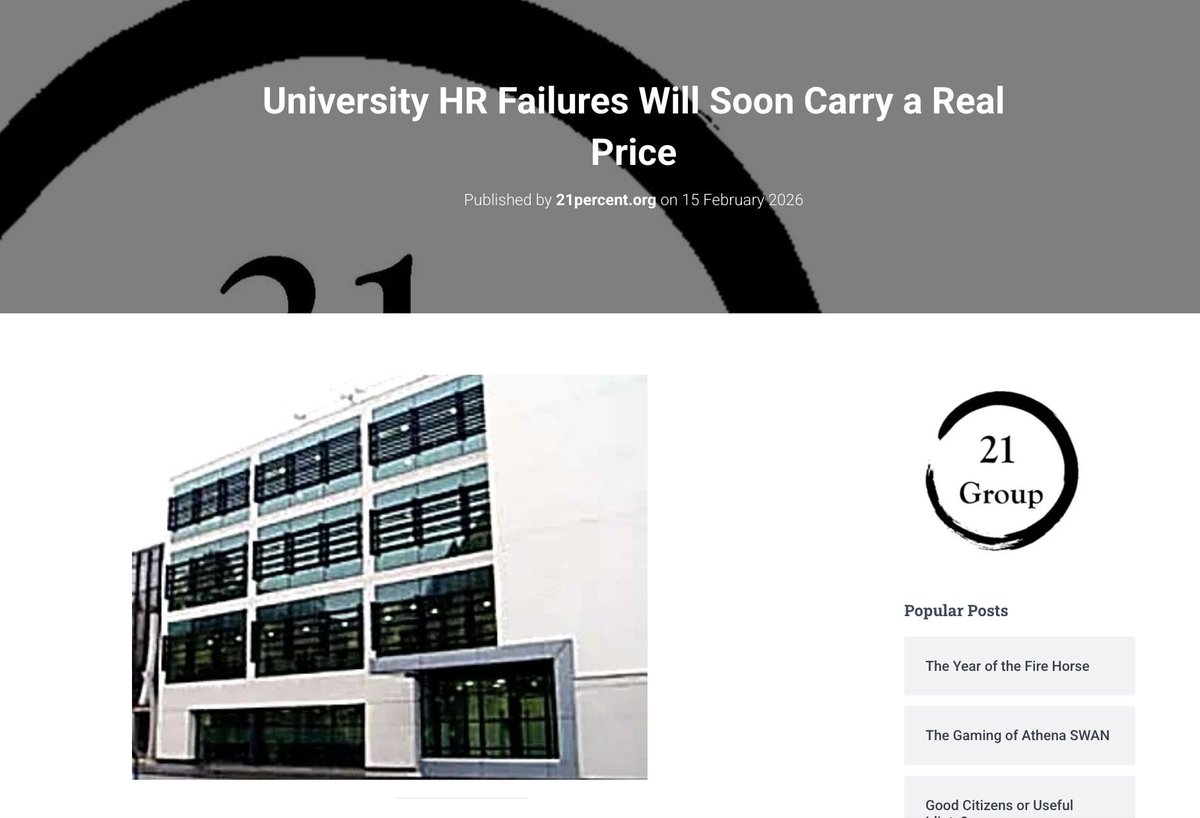
UK government’s decision to remove statutory cap on unfair dismissal compensation is game-changer for UK Universities
It alters the incentive structures that have encouraged poor institutional behaviour & changes scale of financial consequences
https://t.co/VxuqZfwo4b
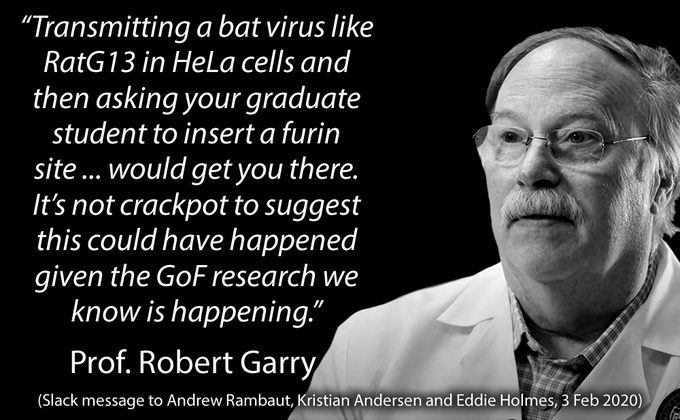
Six years ago today--two days after funding-agency heads Fauci, Collins, and Farrar commission scientists to write a paper falsely claiming no lab-origin scenario is plausible--one of the scientists, Robert Garry, *again* privately tells the others lab origin is plausible.
In the bargain bins are UK campuses
There are auctions at Universities of Birm'ham, Essex, Gloucester & Nott'ham for bricks, glass, listed buildings & grass just to keep lights on
Bankrupted by “strategy" from the six-figure mega-mind Vice Chancellors
https://t.co/OZ4jfSb4qT
Science isn’t about trust. It’s about proof.
In a world flooded with headlines, hype, and hot takes - how do you know what (or who) to believe?
Here’s how real science works - and how to tell the difference between evidence and noise.👇
Let’s get one thing straight:
Science is not a belief system.
It doesn’t ask for faith.
It doesn’t demand loyalty.
It tests ideas.
It challenges assumptions.
It builds knowledge over time.
The scientific process is brutally honest - by design.
✅ Ask hard questions.
✅ Run the tests.
✅ Repeat them.
✅ Let others try too.
✅ Change your mind if the data says so.
That’s not weakness. That’s strength.
A real scientific claim can survive:
🔍 Replication.
🧪 Peer review.
📊 Public scrutiny.
📉 Negative results.
💥 Criticism from rivals.
If it can’t?
It fails.
As it should.
Here’s what makes evidence credible:
🔬 Transparency — Can others see the data?
⚖️ Oversight — Who reviewed it?
🧠 Credentials — Are the researchers qualified?
📚 Consensus — Do many studies agree?
🧾 Disclosures — Are conflicts of interest declared?
And no, company-funded science isn’t fake by default.
Many of the safest medicines, materials, and innovations came from private R&D.
But:
✅ They had to show the data.
✅ They had to survive regulation.
✅ They had to pass independent review.
That’s how the system should work.
Let’s bust some myths:
❌ “One study proves it!”
→ Science looks for patterns, not one-offs.
❌ “It’s too complicated - must be hiding something.”
→ Complexity isn’t conspiracy. It’s reality.
❌ “If it’s from a company, it’s corrupt.”
→ Bias is possible. That’s why we have peer review.
In short:
Science is messy.
It’s slow.
It’s self-correcting.
It invites doubt.
That’s what makes it better than opinion.
You don’t have to read every paper or become an expert.
But you can learn to spot the red flags:
🚩 No data.
🚩 No review.
🚩 No method.
🚩 Big claims, zero evidence.
🚩 “Trust me” vibes.
Science doesn’t say “trust me.”
It says: check for yourself.
Misinformation thrives when people mistake noise for knowledge. Let’s fight that.
🎯 Celebrate doubt.
🎯 Ask better questions.
🎯 Reward transparency.
🎯 Value evidence over vibes.
Because science isn’t just a tool.
It’s a process and we need it now more than ever.