(3/3)
📚 https://t.co/kb7D4d1cNw
Based on the 2026 @AnnualReviews of Biomedical Engineering piece ‘Federated Learning in Healthcare: From Research to Real-World Deployment’ by @SpyridonBakas, @XiaoxiaoLi8, Prashant Shah, and Holger R. Roth.
Thank you @jennschenker for another highly engaging interview. It was great to dive deep into #confidentialcomputing and share the ongoing work @intel is doing to keep our customers' data and organizations secure. Check out our conversation: https://t.co/v2boTaa9fx
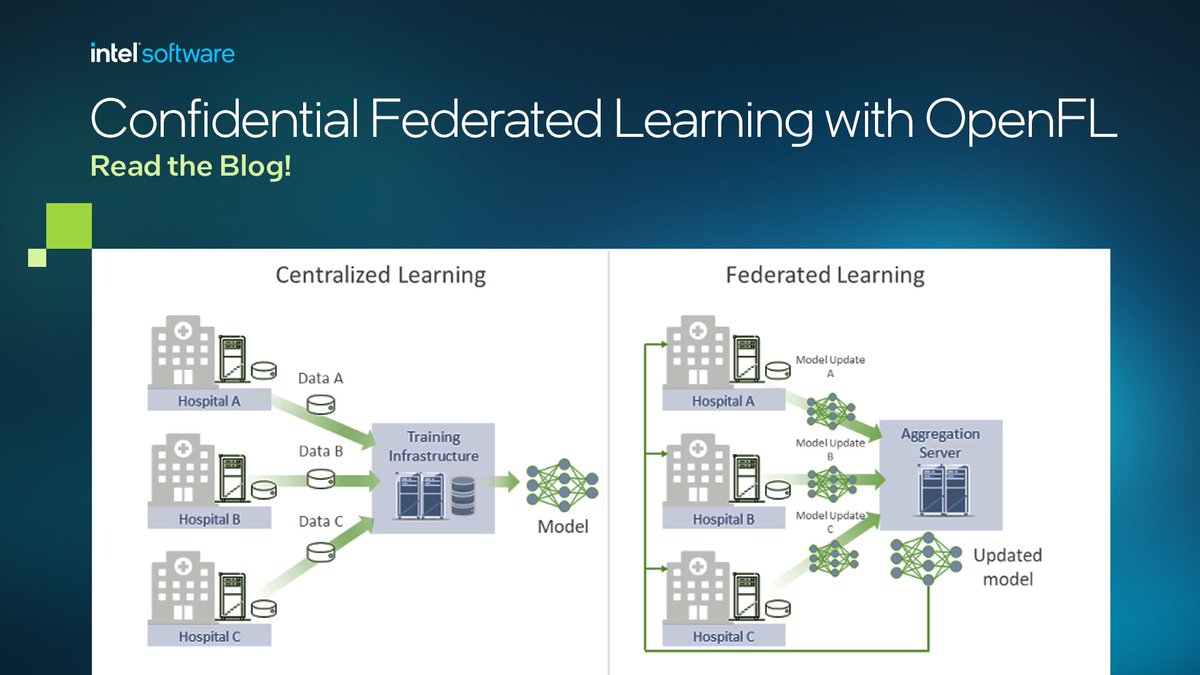
Emerging from machine learning (ML), federated learning (FL) allows builders to train on distributed datasets from different owners while maintaining full control of their personal data. Read on to learn how to enhance your #ML environment with OpenFL. https://t.co/DKneJ7X7r0
The latest episode of the #InTechnology podcast dives into the realm of #FederatedLearning and explores how this #AI technology is set to revolutionize data privacy and security. Watch the full episode now: https://t.co/4RNb4d9yMs
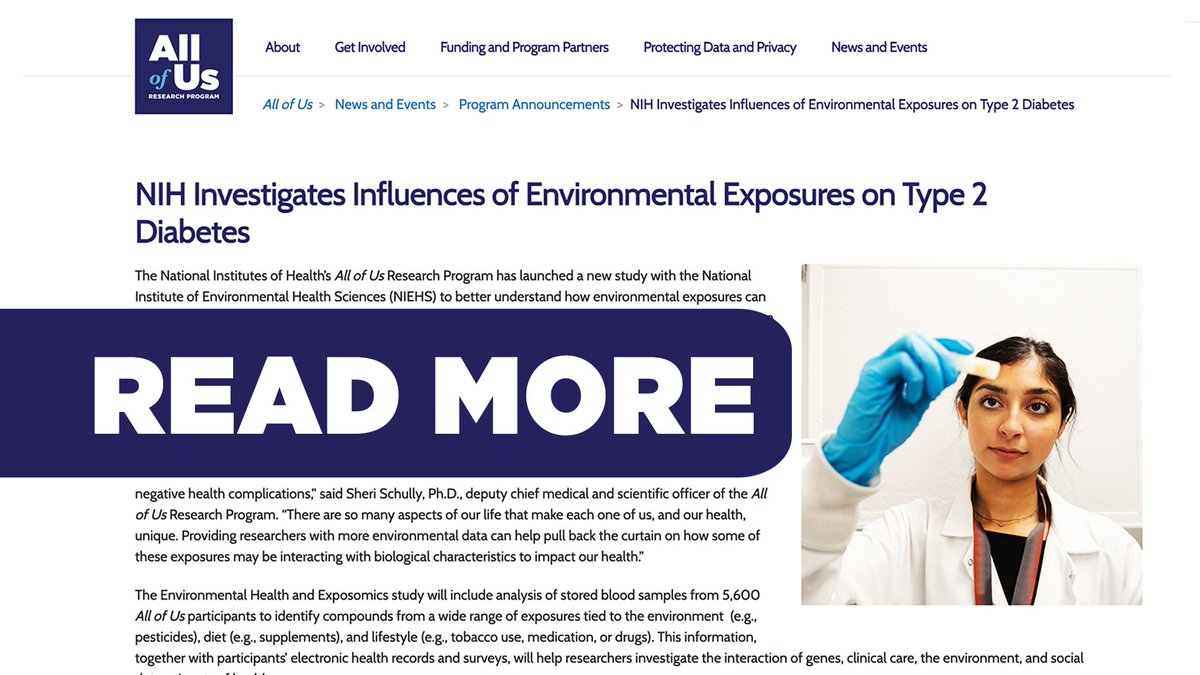
Exciting news! We've launched a new study with @NIEHS to help researchers better understand how our environment can impact our risk for #Type2Diabetes and related complications. Read the announcement to learn more: https://t.co/vOvf7PdRfX
IU School of Medicine researchers are leading a multi-site study to use a privacy-preserving artificial intelligence approach, called federated learning, to improve breast cancer risk prediction and reduce health inequities in cancer prevention care. https://t.co/aP1TrkiCz8
Prevention requires bold & forward-thinking investments. My OpEd on why letting funding lapse for @AllofUsResearch would be a step backwards https://t.co/ktGsH6yS6V @statnews
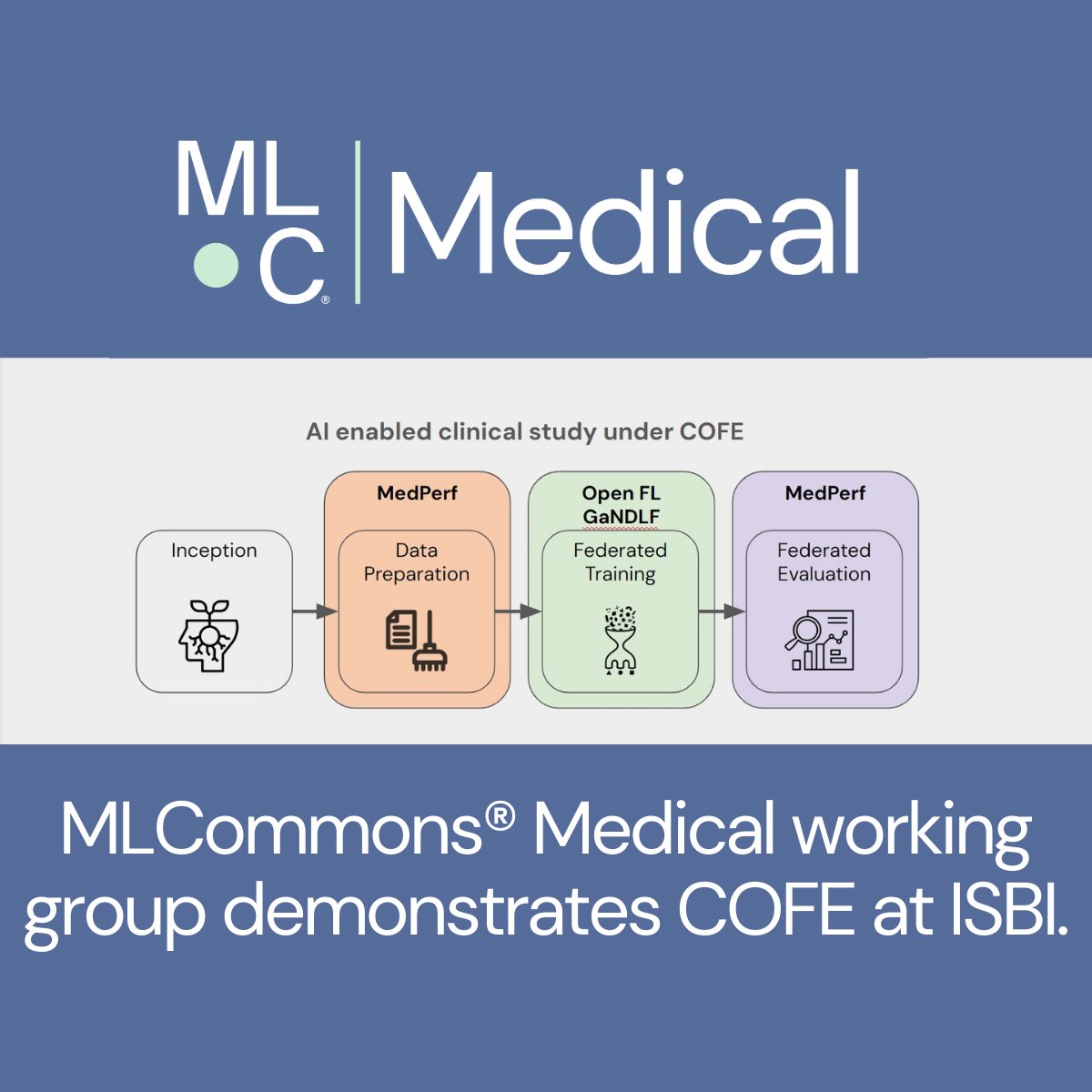
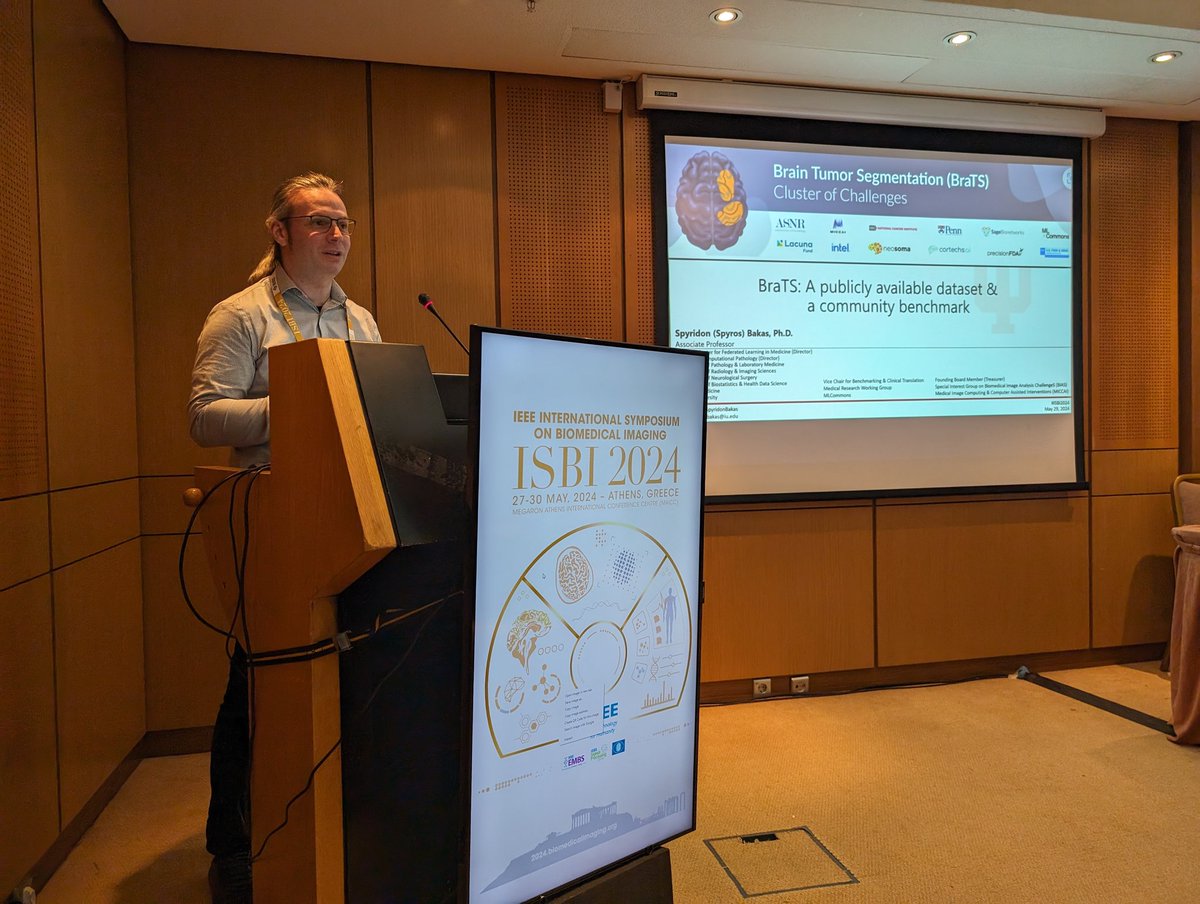
Federated Learning in Healthcare tutorial at #ISBI2024 explored COFE, an ecosystem for clinical AI/ML development. @MLCommons Medical WG presented #GaNDLF, #MedPerf, & #OpenFL for secure, multi-institution AI training & evaluation.
https://t.co/1Bp2pC87Xo
#BiomedicalImaging
An analysis of genomic data from nearly 250K participants in the @NIH’s @AllofUsResearch identified more than 275 million previously unreported genetic variations, nearly 4 million of which have potential health consequences.
@NatureMedicine @VUMCgenetics
https://t.co/z96HHH4oTc