🚨New manuscript alert🚨
Our latest paper in @EnvSciTech describes the implementation of a #nontarget method to identify candidate organic tracers that may help improve estimates of infants' dust ingestion rates
@JohnsHopkinsEHE
https://t.co/EnJDCfzabO
Carsten Prasse has been promoted to associate professor! 👏👏👏 Carsten's research focuses on the occurrence and fate of organic contaminants in the urban water cycle and their impact on environmental and human health. @prasselab@hopkinsengineer
https://t.co/46Yx32Rsro
🚨New Manuscript Alert🚨
Our group at @JohnsHopkinsEHE created SPREx, a new method to detect overlooked toxic oxidation byproducts in treated water. SPREx combines extraction, toxicant prioritization, & identification to advance water safety monitoring
https://t.co/q50ck9yLhN
📣new manuscript alert📣
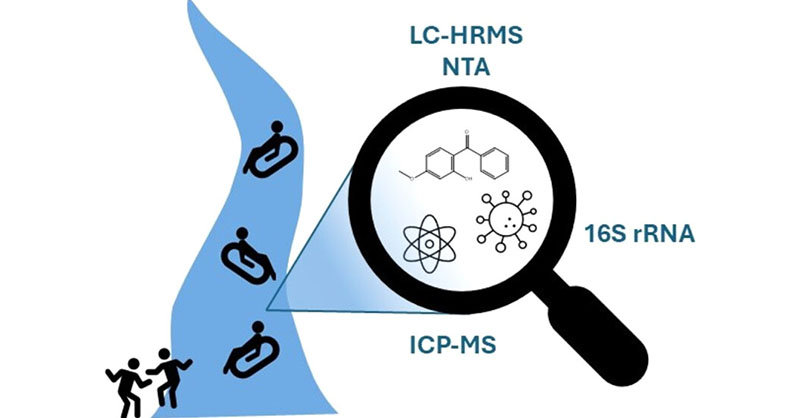
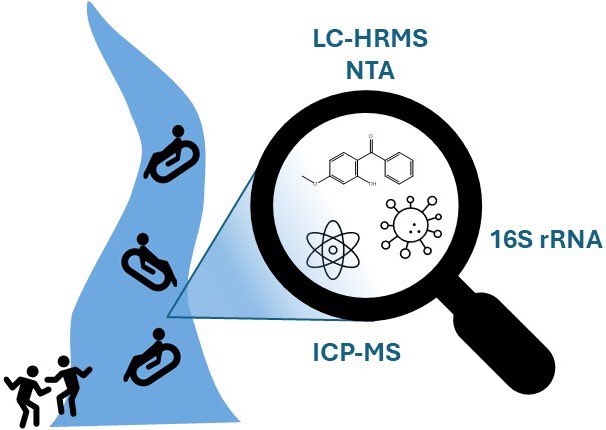
Our latest paper, a collaboration with the Ranville lab at Mines, shows how the chemical and microbial fingerprint of streams can change due to human recreation.
@JohnsHopkinsEHE
https://t.co/Q3Mm6SBpGr
Thank you @RepKweisiMfume ! Now we need @MDEnvironment to stop coal dust from the uncovered terminal in Curtis Bay and for @EPA to require coal cars nationwide to be covered. This is a small step to address a preventable exposure to toxins.
#Nontarget analyses can produce large datasets, containing compounds that may not be of toxicological concern. Utilizing a new hazard comparison tool to prioritize compounds detected in biosolids, we can make decisions about what compounds to study further
https://t.co/ov7NQZM0vY
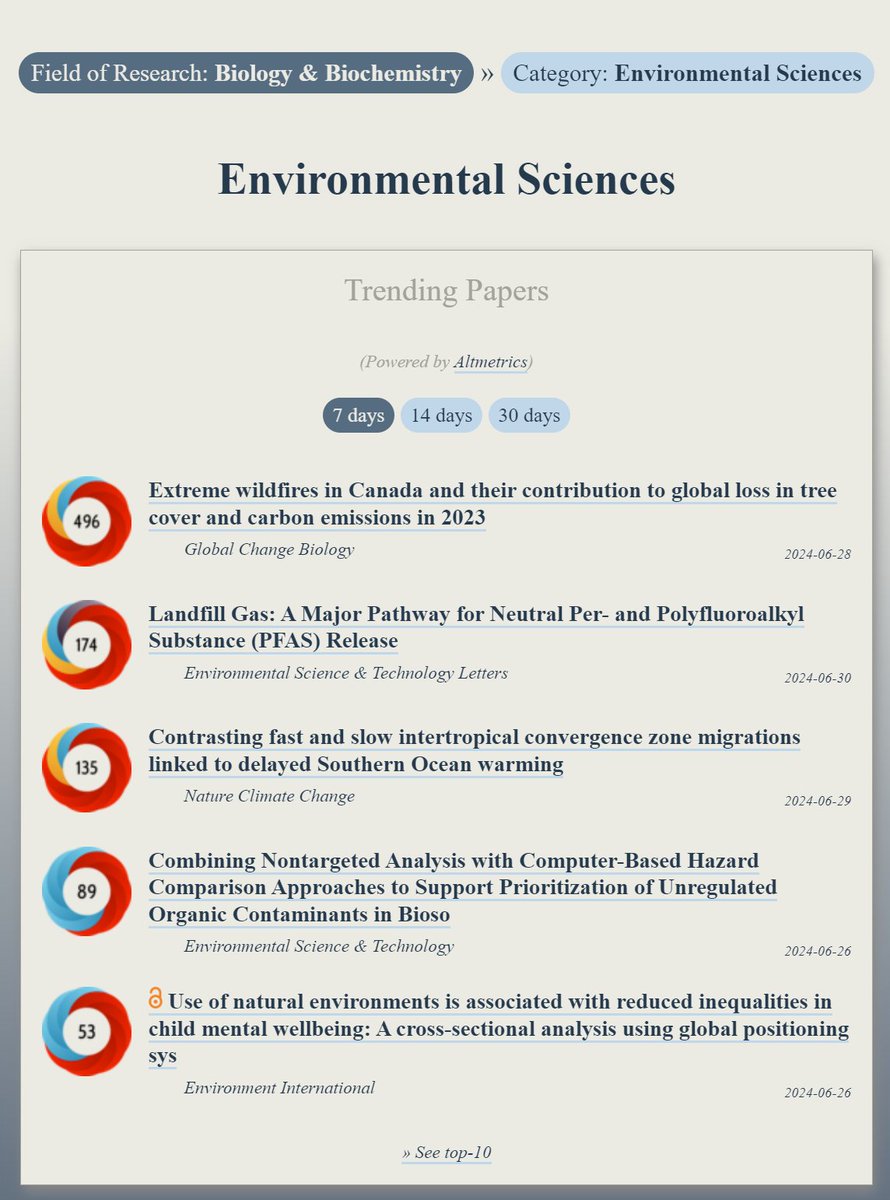
Excited to see our recent paper trending with other top #EnvironmentalSciences publications!
We combined a nontargeted workflow with a novel hazard comparison tool to detect and prioritize unregulated organic contaminants present in biosolids: https://t.co/0dkiJ7p6YY
Trending in #EnvironmentalSciences:
https://t.co/ypYRwW6ejl
1) Extreme wildfires in Canada & the global loss in tree cover and carbon emissions in 2023 (@GlobalChangeBio)
2) Landfill Gas: A Major Pathway for Neutral PFAS Release
3) Fast & slow intertropical convergence zone migrations linked to delayed Southern Ocean warming (@NatureClimate)
4) Supporting Prioritization of Unregulated Organic Contaminants in Biosolids
5) Use of natural environments is associated with reduced inequalities in child mental wellbeing
📣New manuscript alert!📣
Our latest manuscript details a new worflow for detecting and prioritizing unregulated organic contaminants in biosolids by combining #nontarget analysis with a new hazard comparison tool!
Our newest paper from @PrasseLab@JohnsHopkinsEHE is now available at @EnvSciTech on combining #nontarget analysis with computer-based hazard comparison for prioritization of organic contaminants in biosolids
https://t.co/M6JwDixctt
🚨New paper alert🚨
Dr. Chris Brueck published a chapter from his Ph.D. dissertation that provides a detailed analysis of how growing practices, environmental factors, and chemical contamination affect the nutrition and food safety of darkibor kale!
https://t.co/eg0iIzDtI3
Waste to Watts: Chemicals used in agriculture wind up in manure... and then in our waterways. @PrasseLab says anaerobic digestion—microbes breaking down organic matter in the absence of oxygen— could remove those chemicals AND provide renewable energy. https://t.co/oQcz2WzBnP
@tmLaPara and I are looking for a postdoc to study opportunistic pathogens (and assess tradeoffs with disinfection byproducts) in US water systems. A high profile 3 y project sponsored by USEPA. See link for more info and to apply. https://t.co/rHy0f1Viui
McDonough Lab is seeking a postdoctoral researcher in the area of Environmental Chemistry. If interested, please reach out to us. Official job posting here: https://t.co/OuC16vcr9o
Please RT and spread the word.
We are recruiting two postdocs at the University of Michigan with expertise in anaerobic biotechnology research, sociotechnical education, and community-led circular economy social structures and infrastructure facilities. Job posting at https://t.co/lO5crpalEg