Christian, Husband, Father, and Minister at Covenant Orthodox Presbyterian Church in Mansfield, OH. A student from the school of Old Princeton Seminary.
Edward Reynolds (Westminster Divine and later bishop of Norwich) on natural vs supernatural knowing/science:
"There is a great difference between the manner of yielding our assent unto natural and supernatural verities. The principles of the one are ingrafted, and suitable to the native seeds, and original notions of reason natural: but the principles of the other are revealed; and, without such revelation, could never have been sifted out by our implanted light, or by any human disquisition been discovered. For the gospel being a supernatural science, the principles thereof must needs transcend the reach of natural faculties, till raised and enabled by divine grace. And then indeed reason is an excellent instrument to use those principles of faith unto our further proficiency in sacred knowledge, which, without divine revelation, proposing the object, and divine grace disposing the faculty, it could never have either known or used."
- Edward Reynolds, A Treatise of the Passions and Faculties of the Soule of Man (1658 ed.), 9-10.
-----
"There is a great difference betweene the manner of yeelding our assent unto God and Nature: For in Philosophie, we never resigne our beleefe, nor suffer our judgements to be wholly carried to any Conclusion, till there be a demonstrative Argument grounded on Induction from the Sense, for the enforcement thereof. But Divinitie, on the other side, when God speakes unto us, worketh Science by Faith, making us so much the more assured of those Truths which it averreth, than of any Naturall Conclusions, (notwithstanding they may seeme sometimes to beare opposition to humane Reason) by how much Divine Authoritie is more absolute and certaine, than any Naturall demonstration."
- Edward Reynolds, A Treatise of the Passions and Faculties of the Soule of Man (1640 ed.), 9-10.
(Note: These are from the same chapter/section, but from two different editions of the same work.)
"Pelagius heretically called humane nature grace; we may piously and truly call saving grace divine nature; to be Godly is to be God like. God is holy, just, wise, good, spiritual, heavenly, and it is his very nature to be so. And he that is of such an heavenly spirit and carriage... though otherwise he be a poor weak man subject to humane infirmities, yet by this his conformity to God he is raised to divine perfection."
- Tuckney, Forty Sermons, 238.
Nature-Grace-Dualism Maxxing in Mastricht and De Moor?
"The threefold love of God toward his creatures
IX. From this emerges a threefold love of God, that is, toward his creatures: (1) a universal love (Ps. 104:31; 145:9), through which he created, conserves, and governs all things (Ps. 36:6; 147:9). (2) A common love, extending itself particularly to men, certainly not to each and every individual, but yet indiscriminately to anyone, as much the reprobate as the elect, of which kind is also the love that dispenses the benefits that are mentioned in Hebrews 6:4–5 and 1 Corinthians 13:1–2. (3) A love proper to the elect, by which he dispenses saving benefits to them, benefits that accompany salvation (Heb. 6:9), which accordingly are different from nature and natural benefits. For it is most terrible to confuse nature and grace.
[...]
What grace is, as far as its substance
XIV. Grace, if you consider its substance, is nothing but undeserved love. Since it is called love, everything we have already said about love applies to it. Insofar as this love is undeserved, or entirely free and independent of all worth and merit of the creature, it is specifically called grace (Rom. 11:6), such that the whole rationale of his dispensing it, according to the Scriptures, is in the good pleasure of his will (Matt. 11:26; Eph. 1:5). This grace accordingly considers each and every creature, all the way up to the blessed angels, for whatever they have, they have it by the pure and unadulterated grace of God, for who before him has given to him that he might be repaid? (Rom. 11:35) At the same time, those things are specifically attributed to grace which are different from nature. For nature must not be confused with grace, because natural things, since they are owed as it were from the benevolent constitution of God to every creature, if not individually at least insofar as it belongs to a species, are not customarily considered as grace, inasmuch as grace, being added to nature, is by all means un-owed.
What is universal grace and what sort is it?
XV. Now we would not repeat concerning grace what we just above taught concerning love, if a manifold controversy, one that has been in every age most vexing, did not urge us to do so. There is, then, first, universal grace, by which God dispenses natural things to each and every creature and is thus named the Savior of all (1 Tim. 4:10), the one who saves beasts and men (Ps. 36:6) and takes cares that his sun rises over the field of the just and the unjust (Matt. 5:45), concerning which see above. This grace particularly confers to man his free choice and whatever sort of strength he has for natural good, and also stirs up and encourages that strength by its influence. And all these things, although they come forth from the gratuitous love of God, and thus from grace, yet in the use of Scripture, and also of all ancient orthodoxy, rarely and less properly are they called grace. For the latter tradition cautiously distinguished nature from grace against the Pelagians."
- Petrus van Mastricht, TPT (RHB ed.), 2:351, 353–354.
--------------
"The Grace of God, taken in a general way for divine Favor [which produces its effects in the creaturely subject], is also able to be attributed to Adam in the State of Integrity; but commonly is referred to the Sinner, who through the Fall became less Worthy of the Grace of God; and it is also opposed to Nature and Natural Beneficence, which two things the Pelagians erroneously confound."
- De Moor, Didactico-Elenctic Theology, IV:22 [https://t.co/cLhEnGYYeo].
"Gods grace doth not destroy the manner of rationall working in man, but onely addeth a supernaturall virtue to it. Philip. 3. 12. 14."
- Giovanni Diodati, Pious Annotations Upon the Holy Bible (1651), Song of Songs 1:4.
----
"Grace destroyes not nature, but perfects her by supernatural reliefs [i.e. - aids/assistance]."
- English ["Westminster"] Annotations (1657), Song of Songs 1:4.
"Grace hath a soul-strengthening excellency, it enables a man to do that which exceeds the power of nature. Grace teacheth to mortify our sins, to love our enemies, to prefer the glory of Christ before our own lives." - Thomas Watson
Most of the Jonathan Edwards hate stems from an over-reliance on secondary literature that fails to understand some of the RO tradition along with the way Edwards employs late scholastic language post-Leibniz et al. Very unwarranted in my opinion. Edwards was great (for his day).
John Owen on the Beatific Vision:
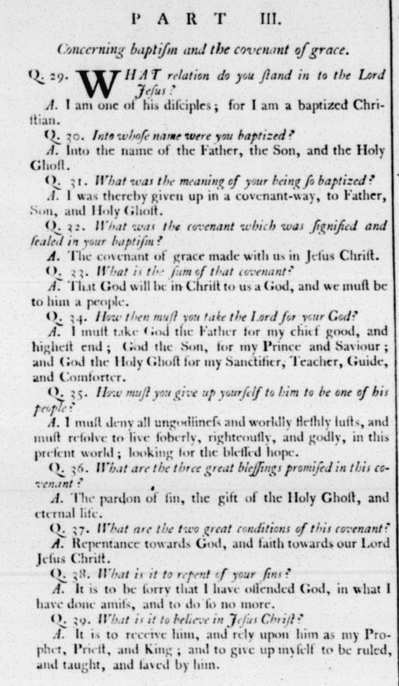
“This beholding of the glory of Christ given him by his Father, is, indeed, subordinate unto the ultimate vision of the essence of God. What that is we cannot well conceived; only we know that the ‘pure in heart shall see God.’ But it has such
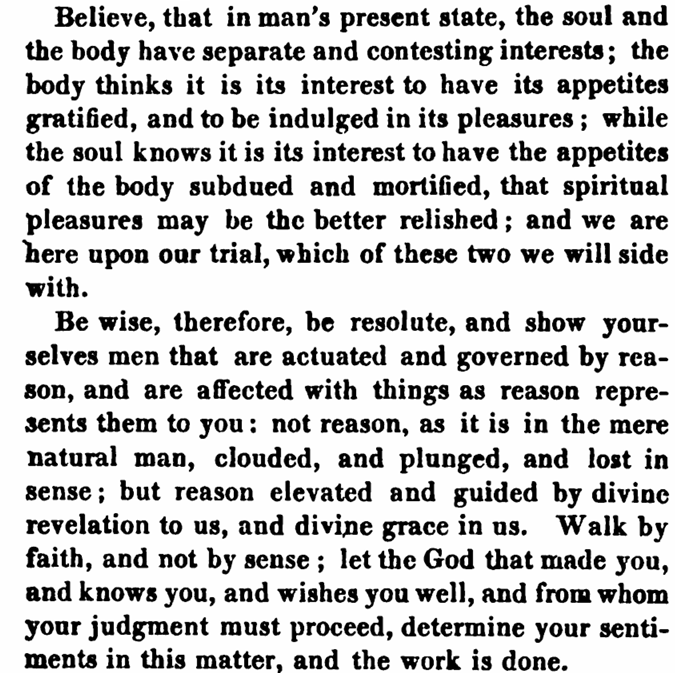
"When man sinned, and broke God's covenant, and fell under his curse, these superior principles left his heart: for indeed God then left him; that communion with God, on which these principles depended, entirely ceased; the Holy Spirit, that divine inhabitant forsook the house.
left to take possesion of the whole house, soon brings all to destruction. Man's love to his own honor, separate interest, and private pleasure, which before was wholly subordinate unto love to God and regard to his authority and glory, now dispose and impel man to pursue those





![DordtyHylemorph's tweet photo. Nature-Grace-Dualism Maxxing in Mastricht and De Moor?
"The threefold love of God toward his creatures
IX. From this emerges a threefold love of God, that is, toward his creatures: (1) a universal love (Ps. 104:31; 145:9), through which he created, conserves, and governs all things (Ps. 36:6; 147:9). (2) A common love, extending itself particularly to men, certainly not to each and every individual, but yet indiscriminately to anyone, as much the reprobate as the elect, of which kind is also the love that dispenses the benefits that are mentioned in Hebrews 6:4–5 and 1 Corinthians 13:1–2. (3) A love proper to the elect, by which he dispenses saving benefits to them, benefits that accompany salvation (Heb. 6:9), which accordingly are different from nature and natural benefits. For it is most terrible to confuse nature and grace.
[...]
What grace is, as far as its substance
XIV. Grace, if you consider its substance, is nothing but undeserved love. Since it is called love, everything we have already said about love applies to it. Insofar as this love is undeserved, or entirely free and independent of all worth and merit of the creature, it is specifically called grace (Rom. 11:6), such that the whole rationale of his dispensing it, according to the Scriptures, is in the good pleasure of his will (Matt. 11:26; Eph. 1:5). This grace accordingly considers each and every creature, all the way up to the blessed angels, for whatever they have, they have it by the pure and unadulterated grace of God, for who before him has given to him that he might be repaid? (Rom. 11:35) At the same time, those things are specifically attributed to grace which are different from nature. For nature must not be confused with grace, because natural things, since they are owed as it were from the benevolent constitution of God to every creature, if not individually at least insofar as it belongs to a species, are not customarily considered as grace, inasmuch as grace, being added to nature, is by all means un-owed.
What is universal grace and what sort is it?
XV. Now we would not repeat concerning grace what we just above taught concerning love, if a manifold controversy, one that has been in every age most vexing, did not urge us to do so. There is, then, first, universal grace, by which God dispenses natural things to each and every creature and is thus named the Savior of all (1 Tim. 4:10), the one who saves beasts and men (Ps. 36:6) and takes cares that his sun rises over the field of the just and the unjust (Matt. 5:45), concerning which see above. This grace particularly confers to man his free choice and whatever sort of strength he has for natural good, and also stirs up and encourages that strength by its influence. And all these things, although they come forth from the gratuitous love of God, and thus from grace, yet in the use of Scripture, and also of all ancient orthodoxy, rarely and less properly are they called grace. For the latter tradition cautiously distinguished nature from grace against the Pelagians."
- Petrus van Mastricht, TPT (RHB ed.), 2:351, 353–354.
--------------
"The Grace of God, taken in a general way for divine Favor [which produces its effects in the creaturely subject], is also able to be attributed to Adam in the State of Integrity; but commonly is referred to the Sinner, who through the Fall became less Worthy of the Grace of God; and it is also opposed to Nature and Natural Beneficence, which two things the Pelagians erroneously confound."
- De Moor, Didactico-Elenctic Theology, IV:22 [https://t.co/cLhEnGYYeo].](https://pbs.twimg.com/media/HFGo0WcbEAAh2y8.jpg)
![DordtyHylemorph's tweet photo. "Gods grace doth not destroy the manner of rationall working in man, but onely addeth a supernaturall virtue to it. Philip. 3. 12. 14."
- Giovanni Diodati, Pious Annotations Upon the Holy Bible (1651), Song of Songs 1:4.
----
"Grace destroyes not nature, but perfects her by supernatural reliefs [i.e. - aids/assistance]."
- English ["Westminster"] Annotations (1657), Song of Songs 1:4.](https://pbs.twimg.com/media/HFAlbKiagAAeePX.png)





![DordtyHylemorph's tweet photo. Nature-Grace-Dualism Maxxing in Mastricht and De Moor?
"The threefold love of God toward his creatures
IX. From this emerges a threefold love of God, that is, toward his creatures: (1) a universal love (Ps. 104:31; 145:9), through which he created, conserves, and governs all things (Ps. 36:6; 147:9). (2) A common love, extending itself particularly to men, certainly not to each and every individual, but yet indiscriminately to anyone, as much the reprobate as the elect, of which kind is also the love that dispenses the benefits that are mentioned in Hebrews 6:4–5 and 1 Corinthians 13:1–2. (3) A love proper to the elect, by which he dispenses saving benefits to them, benefits that accompany salvation (Heb. 6:9), which accordingly are different from nature and natural benefits. For it is most terrible to confuse nature and grace.
[...]
What grace is, as far as its substance
XIV. Grace, if you consider its substance, is nothing but undeserved love. Since it is called love, everything we have already said about love applies to it. Insofar as this love is undeserved, or entirely free and independent of all worth and merit of the creature, it is specifically called grace (Rom. 11:6), such that the whole rationale of his dispensing it, according to the Scriptures, is in the good pleasure of his will (Matt. 11:26; Eph. 1:5). This grace accordingly considers each and every creature, all the way up to the blessed angels, for whatever they have, they have it by the pure and unadulterated grace of God, for who before him has given to him that he might be repaid? (Rom. 11:35) At the same time, those things are specifically attributed to grace which are different from nature. For nature must not be confused with grace, because natural things, since they are owed as it were from the benevolent constitution of God to every creature, if not individually at least insofar as it belongs to a species, are not customarily considered as grace, inasmuch as grace, being added to nature, is by all means un-owed.
What is universal grace and what sort is it?
XV. Now we would not repeat concerning grace what we just above taught concerning love, if a manifold controversy, one that has been in every age most vexing, did not urge us to do so. There is, then, first, universal grace, by which God dispenses natural things to each and every creature and is thus named the Savior of all (1 Tim. 4:10), the one who saves beasts and men (Ps. 36:6) and takes cares that his sun rises over the field of the just and the unjust (Matt. 5:45), concerning which see above. This grace particularly confers to man his free choice and whatever sort of strength he has for natural good, and also stirs up and encourages that strength by its influence. And all these things, although they come forth from the gratuitous love of God, and thus from grace, yet in the use of Scripture, and also of all ancient orthodoxy, rarely and less properly are they called grace. For the latter tradition cautiously distinguished nature from grace against the Pelagians."
- Petrus van Mastricht, TPT (RHB ed.), 2:351, 353–354.
--------------
"The Grace of God, taken in a general way for divine Favor [which produces its effects in the creaturely subject], is also able to be attributed to Adam in the State of Integrity; but commonly is referred to the Sinner, who through the Fall became less Worthy of the Grace of God; and it is also opposed to Nature and Natural Beneficence, which two things the Pelagians erroneously confound."
- De Moor, Didactico-Elenctic Theology, IV:22 [https://t.co/cLhEnGYYeo].](https://pbs.twimg.com/media/HFGo-IDWsAAh-bh.jpg)
![DordtyHylemorph's tweet photo. "Gods grace doth not destroy the manner of rationall working in man, but onely addeth a supernaturall virtue to it. Philip. 3. 12. 14."
- Giovanni Diodati, Pious Annotations Upon the Holy Bible (1651), Song of Songs 1:4.
----
"Grace destroyes not nature, but perfects her by supernatural reliefs [i.e. - aids/assistance]."
- English ["Westminster"] Annotations (1657), Song of Songs 1:4.](https://pbs.twimg.com/media/HFAnCW8bwAADrPr.png)