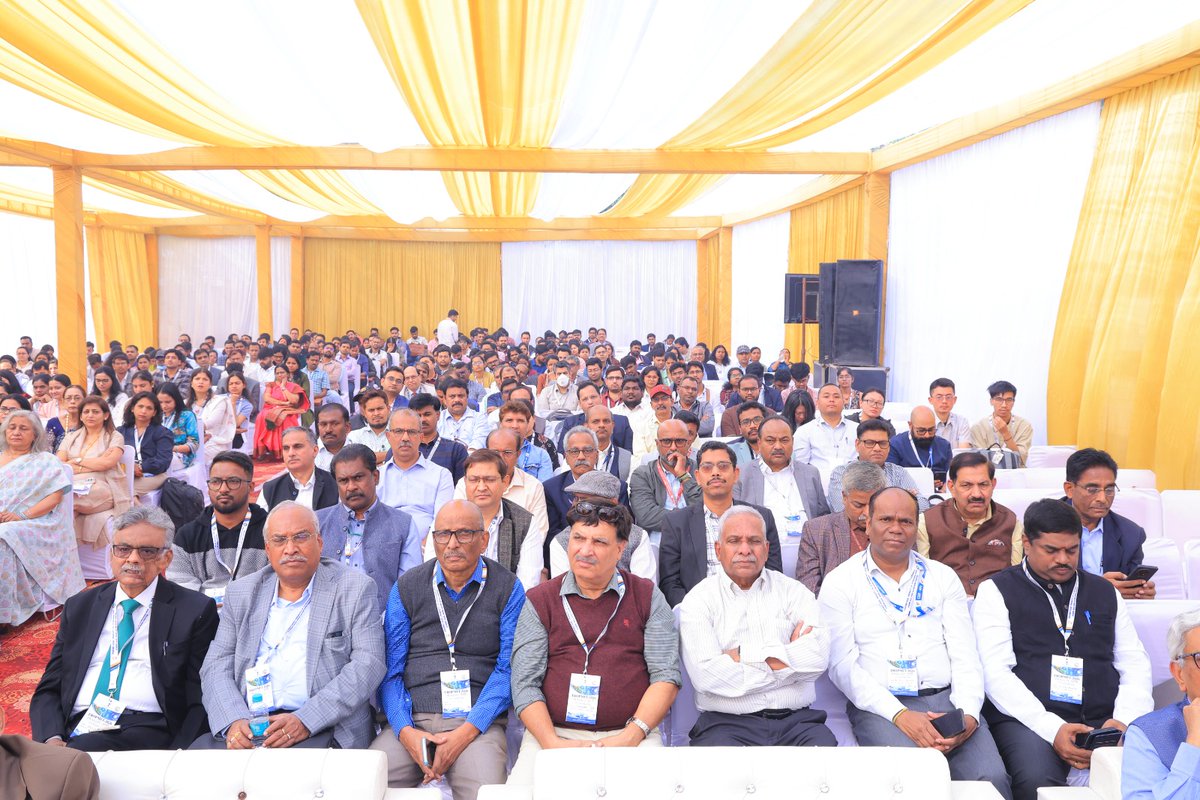
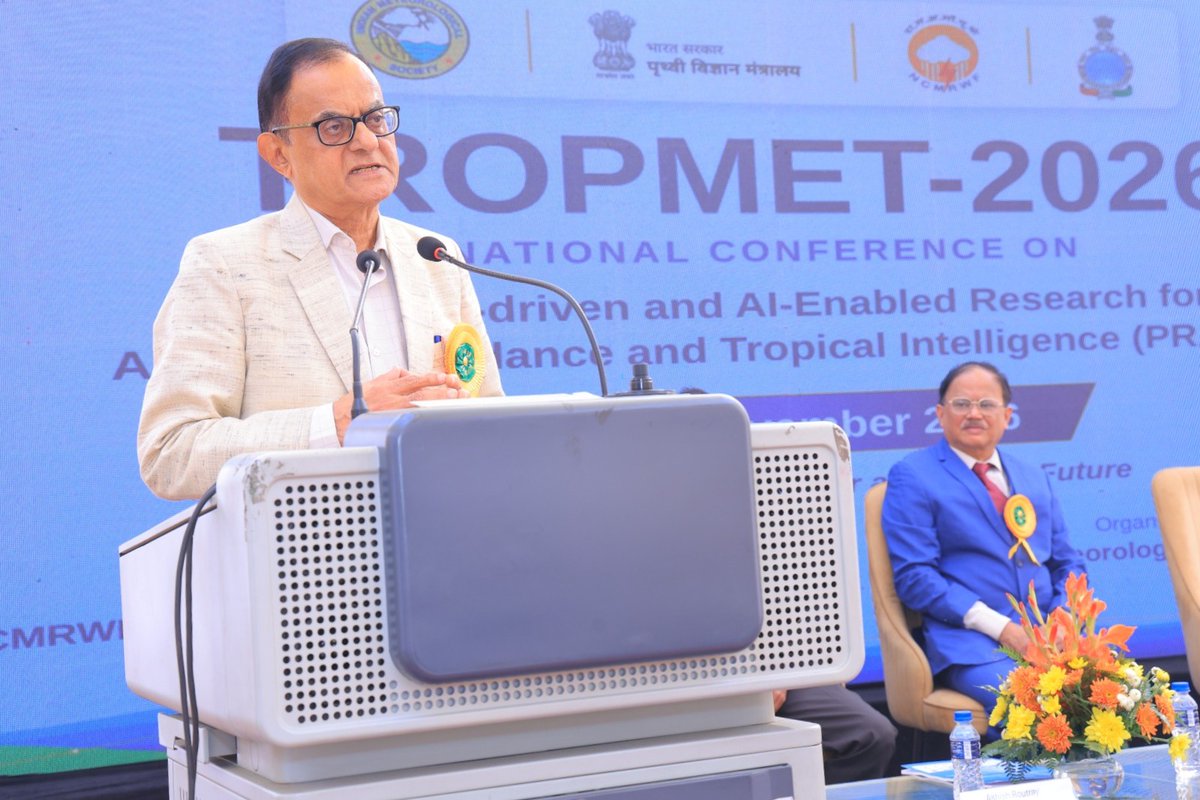
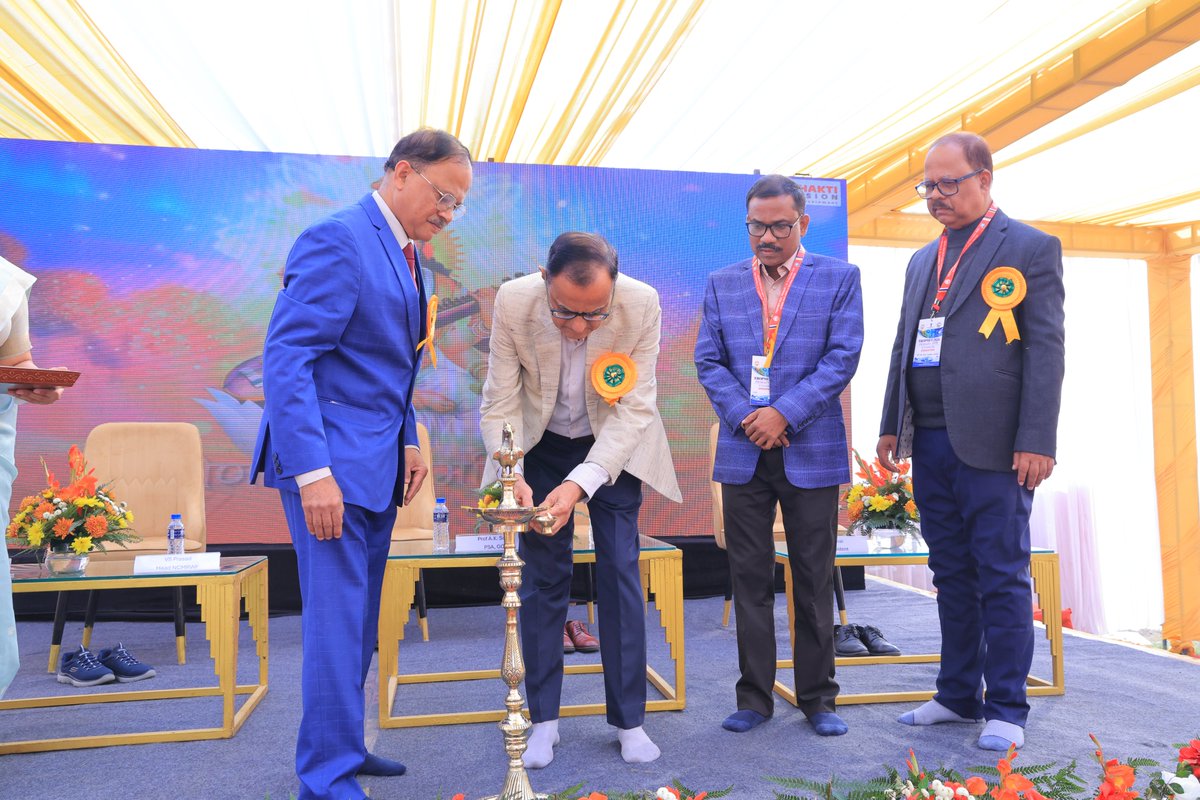
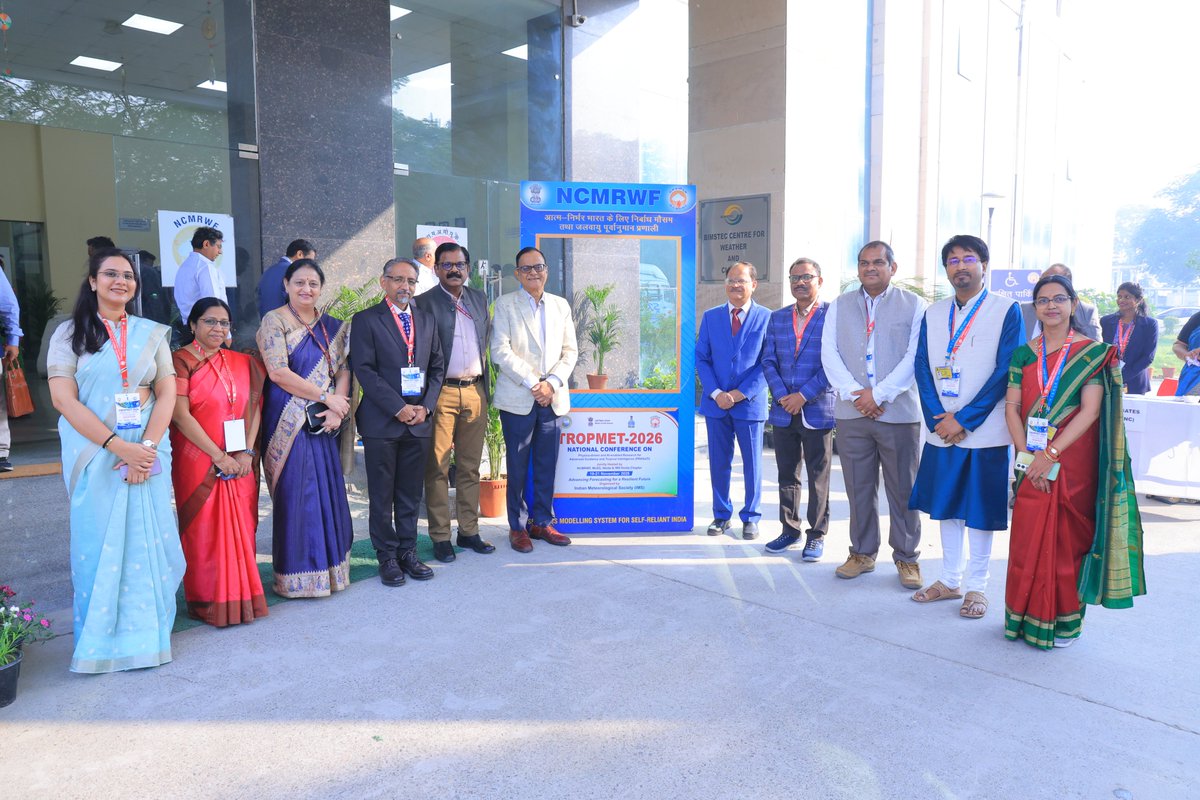
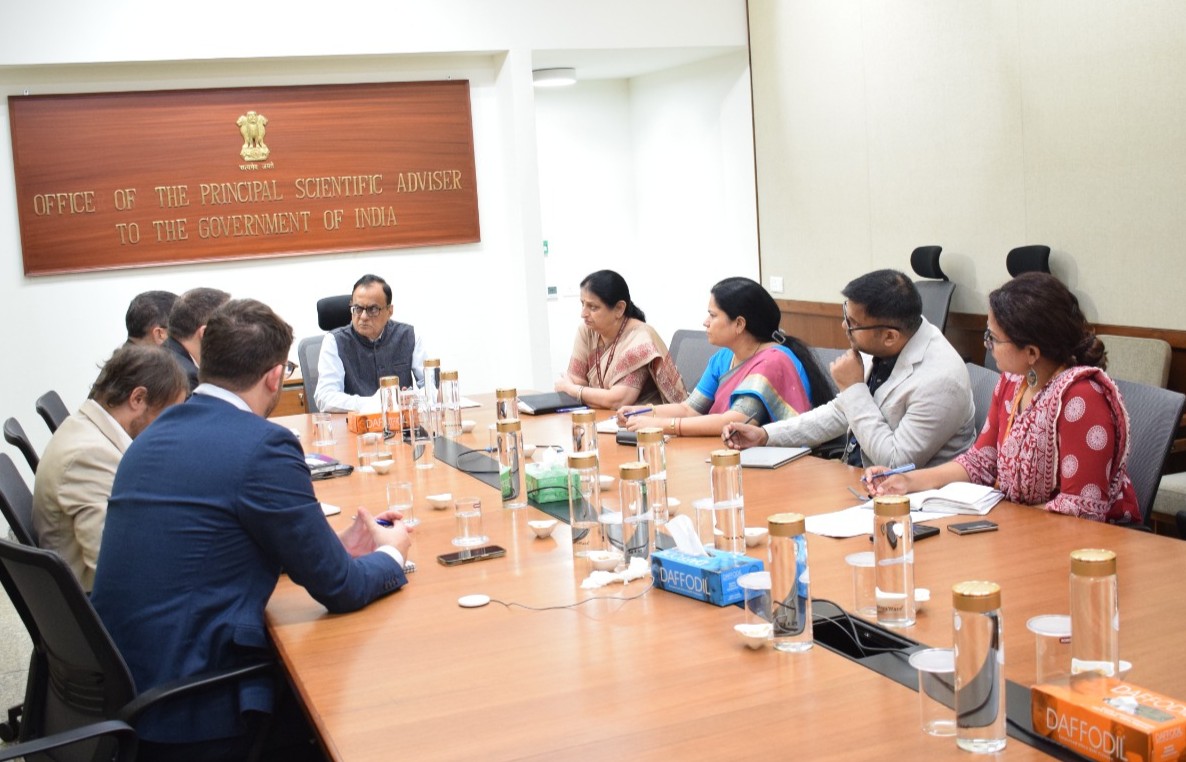
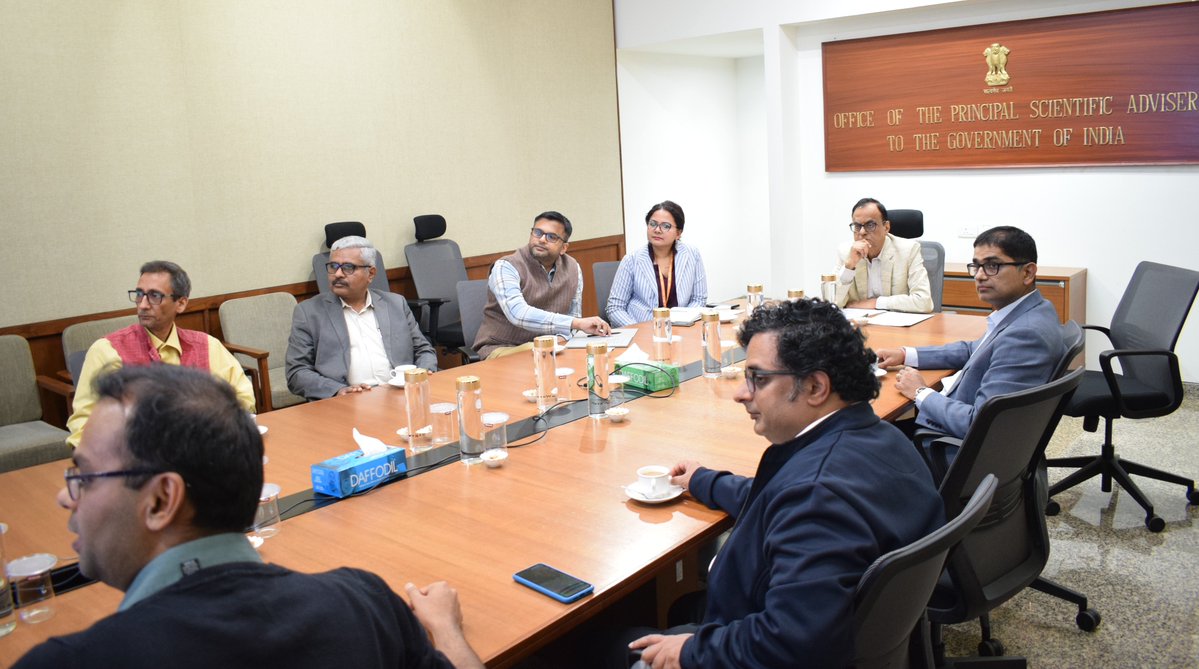
Principal Scientific Adviser to the Government of India Prof. @AjaySoodIISc, attended the inauguration of TROPMET 2026 held on the theme “Physics-driven and AI-enabled Research for Advanced Guidance and Tropical Intelligence (PRAGaTI)” at National Centre for Medium Range Weather Forecasting (@ncmrwfmoes) on 19 November 2026. The inauguration was also attended by Dr Parvinder Maini, Scientific Secretary; Dr V. S. Prasad, Head, NCMRWF; Dr A. K. Sahai, President, Indian Meteorological Society (IMS); and Dr Ashish Routray, Chairman, IMS Noida Chapter and Convener, TROPMET 2026.
In his address, Prof. Sood highlighted the growing importance of integrating fundamental physics, Earth-system science, and AI to strengthen weather and climate forecasting and translate scientific knowledge into actionable intelligence. He highlighted the complementary roles of physics-based modelling and AI in developing accurate, explainable, and reliable forecasting systems to address challenges such as monsoon variability, cyclones, floods, droughts, and air pollution. He also underscored India's efforts through Mission Mausam to build a weather-ready and climate-smart Bharat by strengthening observational networks, modelling, forecasting and dissemination systems. He highlighted the role of high-performance computing infrastructure, including Arka at IITM Pune and Arunika at NCMRWF Noida, and the evaluation of AI-based models alongside traditional numerical models. These capabilities were also discussed in the context of strengthening air-quality forecasting and airshed-based management.
Emphasising the need to translate scientific advances into practical outcomes, he highlighted the importance of actionable forecasts for farmers, urban administrators, disaster managers, and policymakers. He outlined future priorities, including advancing hybrid AI-physics models, improving explainability and uncertainty quantification, strengthening observational networks, leveraging high-performance computing and developing interdisciplinary talent. He also highlighted India's potential to contribute to tropical intelligence by developing solutions relevant to countries across Asia, Africa, Latin America and the wider Global South, translating observations into understanding, predictions into action, and scientific capabilities into improved societal resilience.
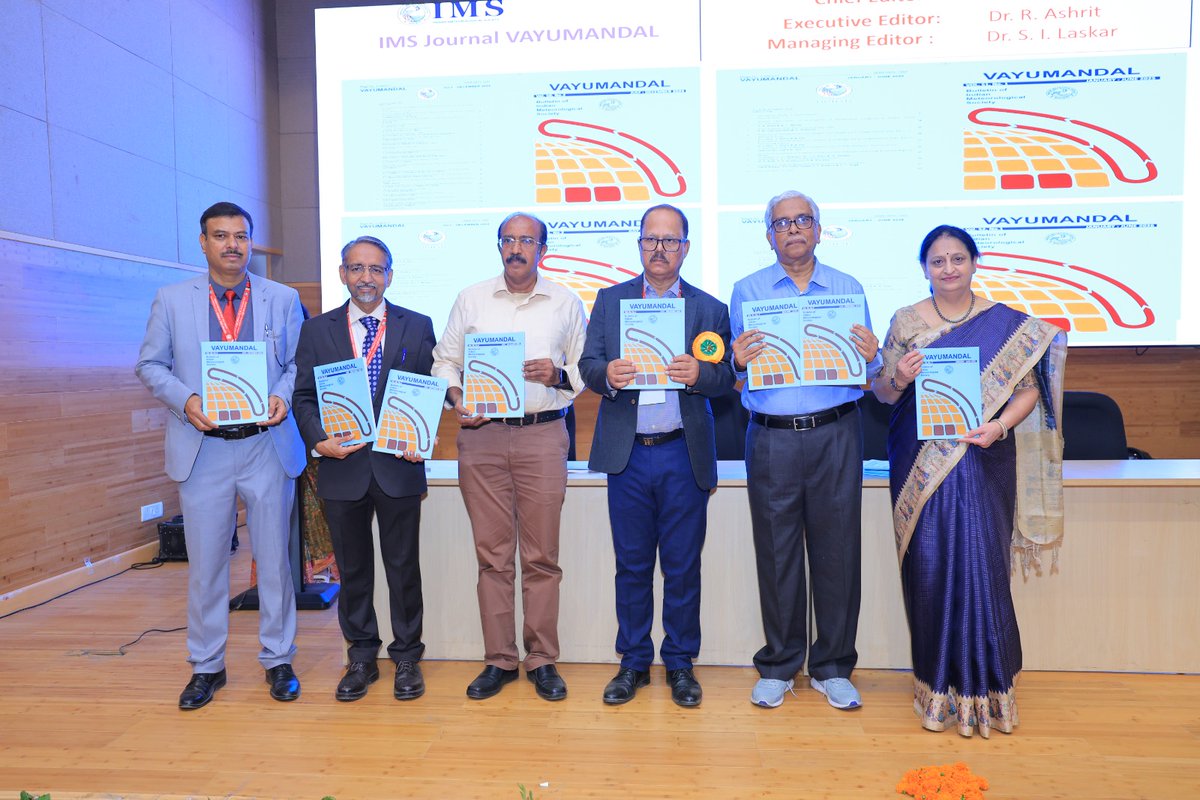
Dr Maini chaired the plenary session with Dr @rajeevan61, Former Secretary, MoES; and Lt Col AR Packianathan; DGIS, Indian Army as speakers and was held on the theme of recent changes in sub-daily rainfall characteristics of the Indian Monsoon. The session deliberted on the changing weather patterns and how technology can simulate processes, patterns, improve forecasting, and support climate-resilient planning. Dr Maini also released the IMS journal Vayumandal and felicitated scientists for their lifetime achievements and outstanding contributions in meteorology.
Principal Scientific Adviser to the Government of India Prof. @AjaySoodIISc joined Hon'ble Union Minister of State of Science and Technology & Earth Sciences Dr @DrJitendraSingh for the curtain raiser ceremony of India International Science Festival (IISF) 2026 at the National Media Centre on 18 Nov 2026. The event was also joined by Prof. @waghmare16, Secretary, @IndiaDST; Dr @rajesh_gokhale, Secretary, @DBTIndia; @DrNKalaiselvi, Secretary, @IndiaDsir; Dr Shiv Kumar Sharma, @Vibha_India; and Mr Nanda Kishore Reddy M, Additional Director General, @PIB_India.
In his address, Prof. Sood remarked on IISF as a unique platform that celebrates science and showcases India's remarkable contributions in science, technology, and innovation. As S&T increasingly shapes our daily lives, it is important to disseminate scientific knowledge beyond laboratories, foster curiosity, and instill scientific temper among people. Highlighting IISF's role, Prof. Sood underscored how IISF seeks to ignite a lifelong passion for discovery and innovation among youth by providing opportunities to interact with leading researchers, explore emerging technologies, and witness science in action.
Recognising India's growing role in addressing global challenges and its timeless philosophy of Vasudhaiva Kutumbakam, he mentioned India's belief of scientific progress ultimately serving humanity. Through affordable healthcare solutions, digital public infrastructure, vaccines, and other such initiatives, India has developed solutions for its own diverse and complex challenges; globally applicable for those with shared and similar realities. Concluding his address, Prof. Sood reiterated on the importance of celebrating science and strengthening partnerships to advance collective global progress. He noted that Indian science is not only one of discovery, but also of inclusion, accessibility, and societal impact.
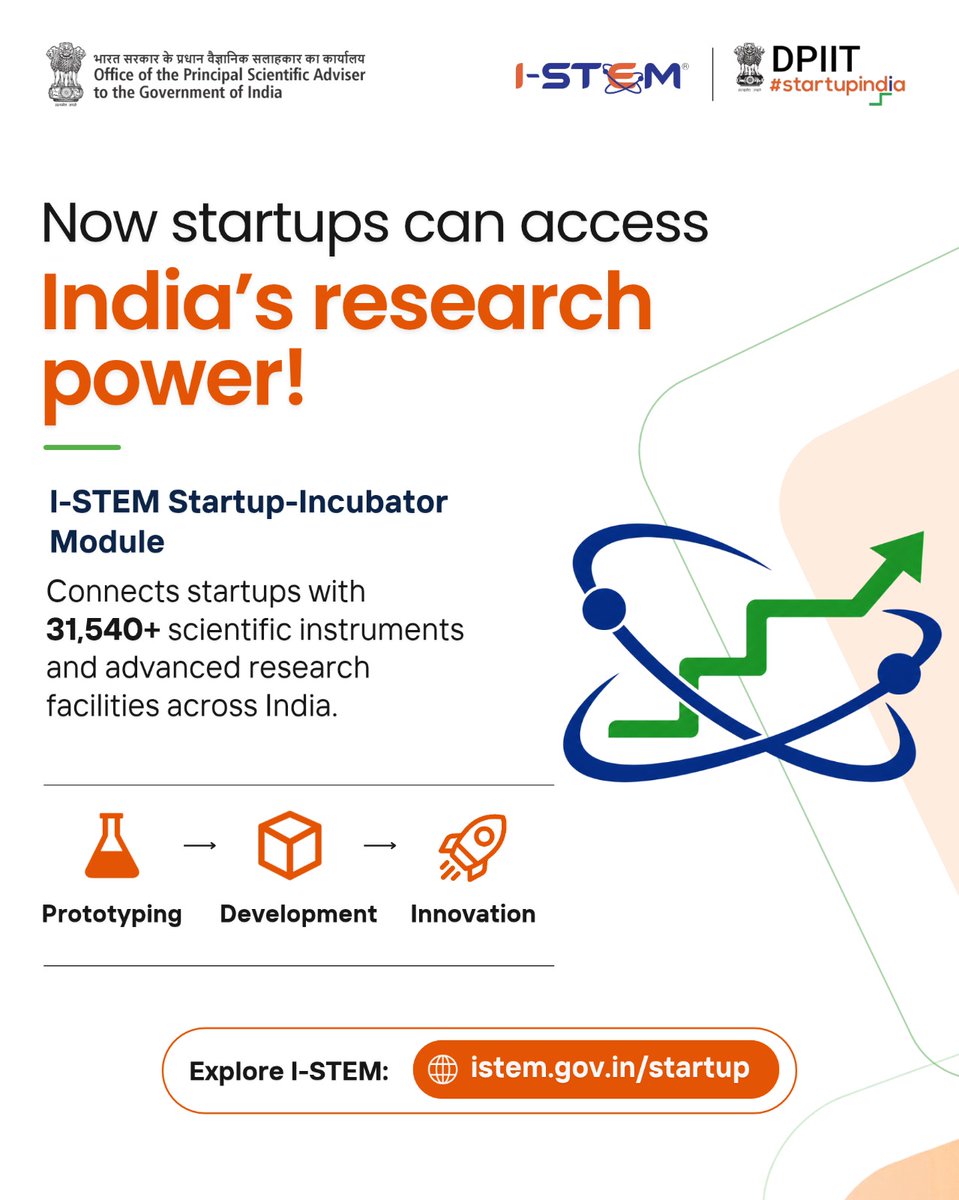
The Office of the Principal Scientific Adviser to the Government of India, in collaboration with the Department for Promotion of Industry and Internal Trade (@DPIITGoI), Ministry of Commerce and Industry (@CimGOI), launched the API integration between the Startup India Portal and the Indian Science, Technology and Engineering Facilities Map (I-STEM) Portal on 6 November 2026, under the chairmanship of the Principal Scientific Adviser to the Government of India Prof. @AjaySoodIISc.
This integration will make India’s scientific and research infrastructure more accessible to DPIIT-recognised startups. I-STEM listed 31,540 equipment items across 4,044 registered institutions, and startups can now discover relevant research facilities, specialised equipment and testing infrastructure directly through the Startup India Portal.
The initiative will help startups in:
• Accessing advanced scientific equipment and research facilities
• Reducing R&D costs by avoiding investment in expensive infrastructure
• Using facilities for prototyping, testing and technology validation
• Strengthening industry-academia linkages and accelerating product development
This initiative aims to improve the utilisation of publicly funded infrastructure and strengthen India’s innovation ecosystem by connecting startup requirements with existing research capabilities.
Explore I-STEM: https://t.co/ou0VyrGSfr
Principal Scientific Adviser to the Government of India, Prof. @AjaySoodIISc , joined in the session “Setting the Scene | Science Advice Today: Global Trends and Four Years of the CSAR”, at the 2026 edition of the Chief Science Advisers Roundtable (CSAR) at @UNESCO Headquarters, Paris, on 10 November 2026. The session was moderated by Ms. Kornelia Tzinova, Programme Specialist for Research, Governance and Diplomacy Section, UNESCO, and joined by Prof. Rémi Quirion, President of @INGSciAdvice and former Chief Scientist of Quebec.
The discussion examined the evolution of science advisory systems in response to changing national priorities and emerging technological challenges. Prof. Sood highlighted the evolving role of the Office of the PSA in strengthening the science-policy interface, facilitating whole-of-government coordination and connecting India's scientific priorities with international partnerships.
The conversation also reflected on the outcomes of the first two CSAR editions in 2023 and 2024, the importance of sustaining international networks among science advisers, and the need for continuity, inclusivity and practical institutional learning in future editions. Addressing the theme "Trusted advice in a world of Plural knowledge" Prof. Sood emphasised scientific rigour, transparency about uncertainty and sustained dialogue across geopolitical differences as essential to building trust in science advice.
Watch the full session here: https://t.co/6eCiKMrjey
Mr @msidheswar, Group Director, AI Council of India (AICI) at Internet and Mobile Association of India (@IAMAIForum), called on Principal Scientific Adviser to the Government of India Prof. @AjaySoodIISc to discuss about the AICI's role as a dedicated industry platform bringing together AI companies, startups, enterprises, global technology firms, researchers and academia. AICI was launched by IAMAI in July 2026 to bring AI companies, startups, researchers and academia onto one platform, and to take ground-level industry insights to policymakers. The discussion also covered an upcoming event in 2027 being organised by AICI with a focus on AI research .
The meeting was also attended by Mr Pranav Mishra, Senior Manager, Internet and Mobile Association of India (IAMAI); Ms. @remya_haridasan, Scientist ‘E’ from Office of PSA.
Principle Scientific Adviser to the Government of India Prof. @AjaySoodIISc joined Hon'ble Union Minister of State of Science and Technology & Earth Sciences @DrJitendraSingh for Janjatiya Gaurav Divas (JJGD) event commemorating the birth anniversary of Bhagwan Birsa Munda. The event was held on the theme of 'Harnessing Science, Technology and Innovation for Tribal Empowerment and Inclusive Development' on 17 November 2026 at the Indian National Science Academy (INSA), Delhi. The event was also joined by Prof. Umesh Waghmare (@waghmare16), Secretary, Department of Science and Technology (@IndiaDST); Dr Arun Kumar Sarma, Director General, North-East Centre for Technology Application and Reach (@NECTAR_DST); and @DrAnitaAgg13, Head, SEED Division, DST.
In his address, Prof. Sood emphasised on the need to ensure that the benefits of India's scientific and technological advancements reach every section of society, particularly communities in remote and underserved regions. Addressing the challenge of bridging the gap between technology development and its adoption, Prof. Sood mentioned RuTAGe Smart Village Centre (RSVC) initiative of the Office of PSA. The initiative accelerates rural transformation through deployment of need-based, context-specific technologies. By providing technology access and promoting technology-based enterpreneurship, they create local employment and sustainable livelihood opportunities. Instances such as Parwati Rural Development Society and Birsa Yuva Samity established RSVCs, in Jharkhand, are working to integrate 3,000 tribal women across 90 villages. Another initiative of the Office, Mission Seh-Sankalp, demonstrates how technology deployment goes beyond demonstration and emphasises on inter-institutional and inter-ministerial convergence and collaboration so that the technologies reach local communities efficiently.
Concluding his address, Prof. Sood mentioned that technology interventions should be designed around local needs, resources, and traditional knowledge systems. They should not be merely viewed as beneficiaries of technology but also as active participants, entrepreneurs, and contributors. He reaffirmed the commitment to make science and technology accessible, inclusive, and responsive to the needs of tribal communities.
Prof. Rajeev Ranjan, Professor & Chair, Department of Materials Engineering, @iiscbangalore called on Principal Scientific Adviser to the Government of India Prof. @AjaySoodIISc to present National Initiative for Research in Materials & Manufacturing for Aerospace, Atomic Energy and Next-Generation Power Systems (NIRMAAN) - a Vision developed on Strategic Materials-Manufacturing.
The meeting also discussed how NIRMAAN can address bottlenecks in the scientific-technological ecosystem for materials and manufacturing and help India to leapfrog in critical technologies of strategic interest. The initiative focuses on sovereign manufacturing and materials capability through an AI-driven innovation loop, delivering licensable systems and qualified flagship components in four critical domains of aeroengines, hypersonics, supercritical power, and nuclear fusion.
The meeting was also joined by Prof. Satyam Suwas, Professor & Dean, Department of Materials Engineering, Division of Mechanical Sciences; Prof. Praveen Kumar, and Prof. Abhik Choudhury from Department of Material Engineering; Prof. Koushik Viswanathan, Department of Mechanical Engineering; Ms Remya Haridasan, Scientist E and Mr Rohit Gupta, Chief Technology Officer from Office of PSA.
A delegation led by H.E. @marisagerards, Ambassador of the Kingdom of the Netherlands to India met Prof. @AjaySoodIISc, Principal Scientific Adviser to the Government of India, to explore avenues for strengthening India–Netherlands collaboration in Quantum Technologies, Artificial Intelligence (AI), and Green Hydrogen.
The discussions also explored opportunities for collaboration between the Netherlands and the AMTZ–Vizag Science & Technology (S&T) Cluster in the field of medical technologies. They also deliberated on fostering academic and research partnerships between University of Amsterdam and all eight S&T Clusters. The interaction reaffirmed the shared commitment to advancing bilateral scientific cooperation, strengthening academic linkages, and fostering collaborative research and innovation between India and the Netherlands.
The meeting was also attended by Prof. Dr @vinsub, President of the Executive Board, University of Amsterdam; Dr ir. M.J. @MJJonkman, President of the Executive Board, Vrije Universiteit (VU) Amsterdam; Dr Anouk Tso, Director of International Affairs, University of Amsterdam; Ms Reyka Lycklama, Policy Adviser, VU Amsterdam; and Ms Sandra Kalidien, Counsellor for Education and Science, Embassy of the Kingdom of the Netherlands (@NLinIndia). Dr Vishal Choudhary, Scientist F; Dr Divya Vasishth, OSD; Dr Santhosh S. Nair, Scientist D; and Dr Shefali Uttam, Technical Staff joined from the Office of PSA.
Mr Chris Bennett, Global Commercial Director, Academic Publishing, @CambridgeUP, called upon the Principal Scientific Adviser to the Government of India Prof. @AjaySoodIISc and Scientific Secretary Dr Parvinder Maini to discuss opportunities to advance research dissemination and scholarly communication through probable publishing models, collaborations to support educational and research priorities, and One Nation One Subscription (ONOS).
The meeting also deliberated on how to facilitate broader access to high-quality research, enhance the visibility and impact of Indian research, and support the transition towards sustainable open-access publishing. The meeting was attended by Dr Hafsa Ahmad, Scientist D, Office of PSA; Mr Michael Cowley, Sales Director, Academic Publishing; Mr Debottam Bhattacharjee, Sales Head, South Asia; and Mr Grijesh Kumar Tiwari, Regional Manager- Academic from Cambridge University Press & Assessment.
Dr Alon Stopel, Chairman of the Israel Innovation Authority (IIA) called on Principal Scientific Adviser to the Government of India Prof. @AjaySoodIISc and Scientific Secretary Dr (Mrs.) Parvinder Maini to explore new opportunities for cooperation in critical and emerging technologies, alongside existing collaboration frameworks, such as advanced manufacturing, cybersecurity, digital health, AI, and innovation infrastructure.
The meeting also looked forward to further strengthen ongoing bilateral initiatives and strategic innovation partnership, ahead of the upcoming India-Israel Joint Committee Meeting on Strategic Foresight and Horizon Scanning. The meeting was joined by Mr Shlomi Kofman, Vice President for International Collaborations and Mr Tal Ben Avner, Manager, India–Israel Innovation Fund (I4F) from IIA; Dr Rakesh Kaur, Adviser/Scientist G; Ms Remya Haridasan, Scientist E, and Mr Rohit Gupta, Chief Technology Officer from Office of PSA.
The Farm technologies under the category Manufacturing, Infrastructure & Mobility Technology and Food Processing & Storage Systems feature technologies developed by the Council of Scientific & Industrial Research (CSIR). They showcase technologies that support practical solutions spanning digital tools for industrial applications, resilient infrastructure, and value-added food and nutrition products.
🔷 Fragalyst – Digital Image Analysis System for Blast Fragmentation and In-situ Rock Block Sizes: A digital image analysis software that supports blast fragmentation assessment and blast design through features such as image tilt calibration, automatic edge detection and energy utilisation estimation. https://t.co/YRdZy5RI4Q
🔷 Emergency Restoration System (ERS) for Power Lines : An indigenous system that enables rapid restoration of power transmission following tower failure by providing a temporary bypass corridor until permanent repairs are completed. https://t.co/k9f4n3cxzb
🔷 Rural-based Biotechnological Production of Spirulina: A standardised technology for hygienic cultivation and processing of Spirulina into powder and tablets, offering a protein-, vitamin- and mineral-rich food product with scope for rural production. https://t.co/dqrTsGVwm8
🔷 Nutra Chikki with Added Spirulina: A shelf-stable, ready-to-eat traditional snack fortified with Spirulina, combining nutritional value with an accessible food product suitable for diverse consumer groups. https://t.co/0IEgLKItMp
Read more about सह SANKALP on: https://t.co/v3NGDRg8nD
#SahSankalp #FarmTechnologies
@CSIR_IND | @DBTIndia | @IndiaDST | @icarindia | @moesgoi | @GoI_MeitY | @LabourMinistry | @minmsme
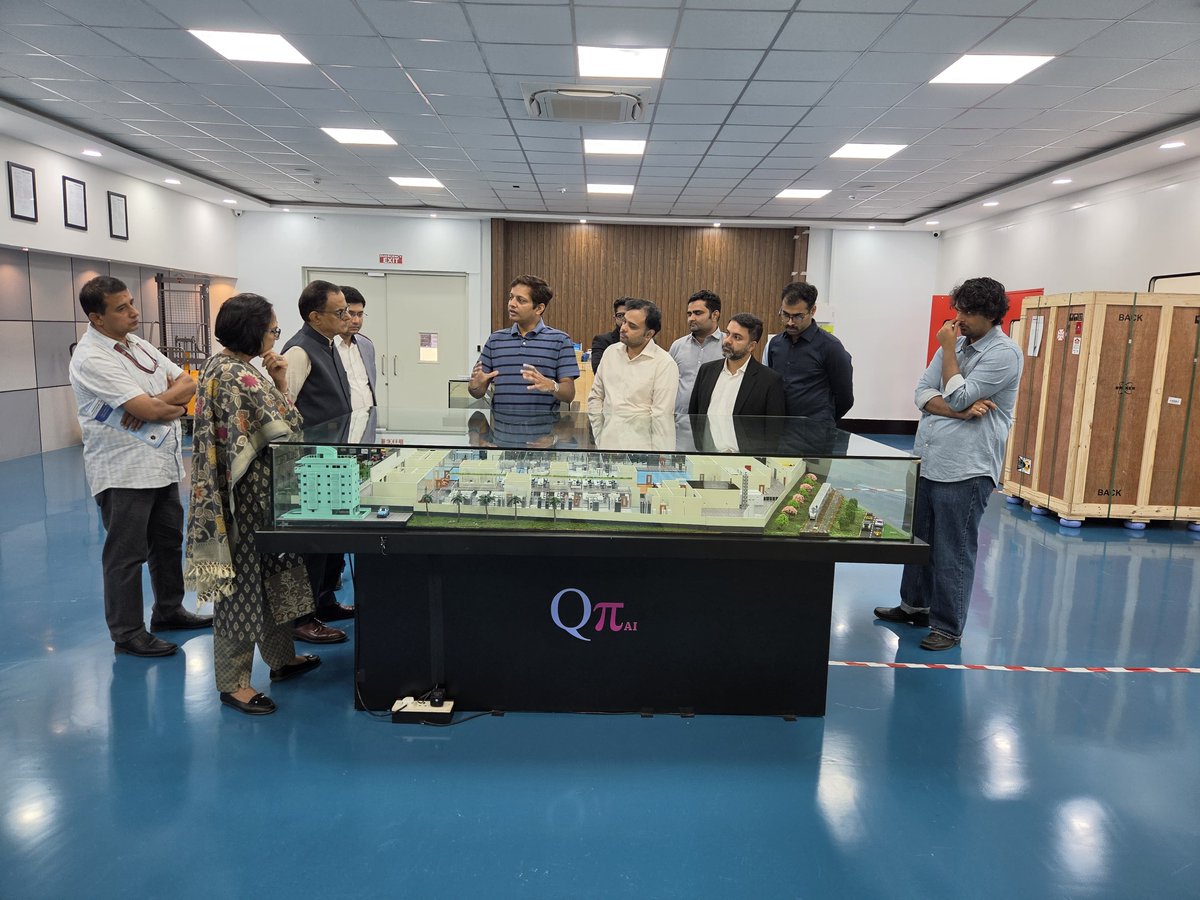
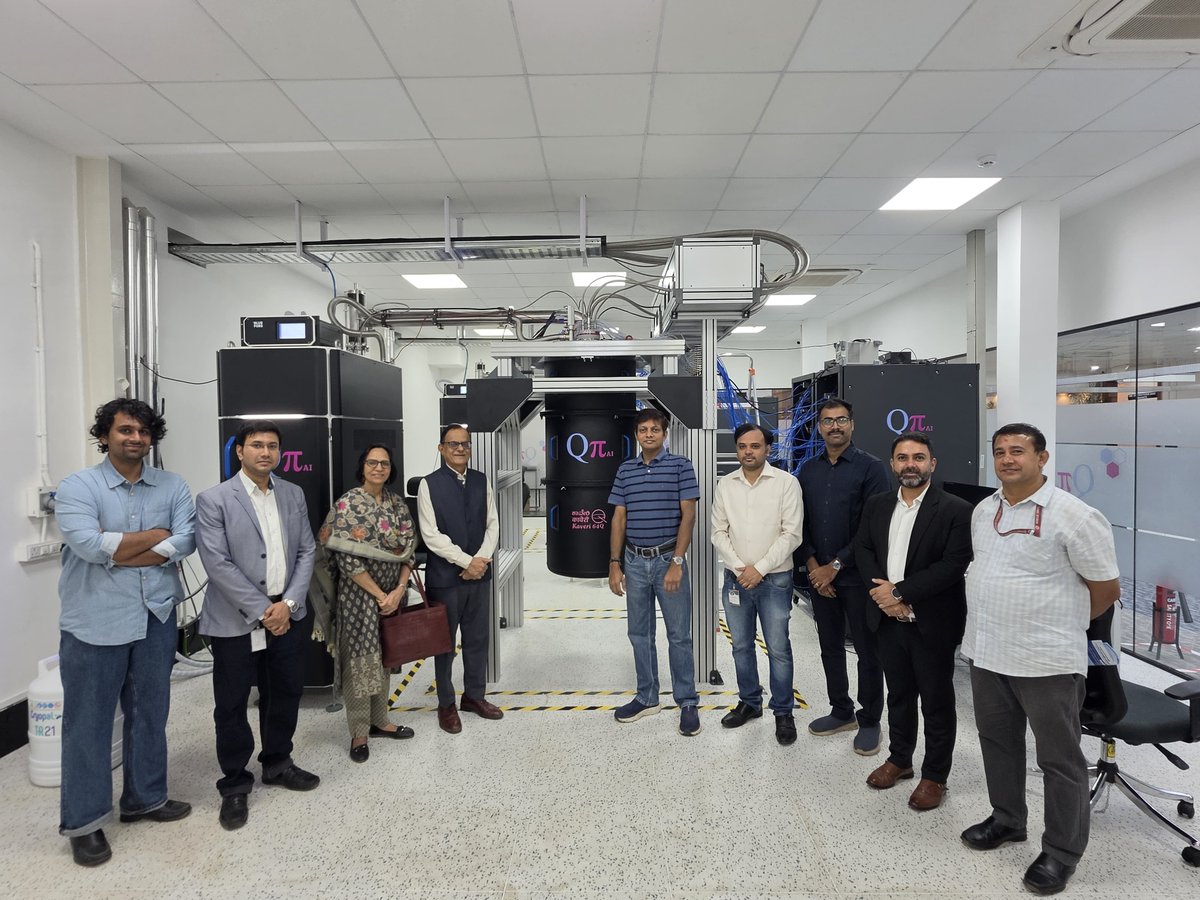
Principal Scientific Adviser to the Government of India, Prof. Ajay Kumar Sood, visited QpiAI’s Quantum Chip Foundry in Bengaluru, following the inauguration of its Phase 2 facility on 15th November 2026. He was accompanied by Mr. Nagendra Nagaraja, Founder and CEO of @qpiai, who also joined him on a tour of the facility.
The Quantum Foundry features an advanced 8-inch cleanroom facility, among the largest of its kind in Asia, equipped to fabricate flip-chip superconducting quantum processors with up to 128 physical qubits. It supports the development of indigenous quantum processors, including QpiAI’s proprietary processor lines—QVidya, Indus, Kaveri and Yukti—with the 128-qubit Ganges processor next in line. The facility’s phased expansion roadmap includes Phase 3, planned for completion in 2027, which aims to scale its fabrication capabilities towards 10,000-qubit processors.
The foundry will strengthen India’s domestic capabilities in quantum hardware fabrication, support successive generations of indigenous processors and provide critical infrastructure for the broader Quantum Supremacy Centres (QSC) programme. By enabling the development and scaling of advanced quantum processors, it will contribute to building a robust indigenous quantum technology ecosystem and accelerating the translation of quantum research into real-world applications.
During the visit, discussions also focused on the progress of India’s quantum technology ecosystem and the role of domestic capabilities in advancing research, development and manufacturing in this strategic sector.
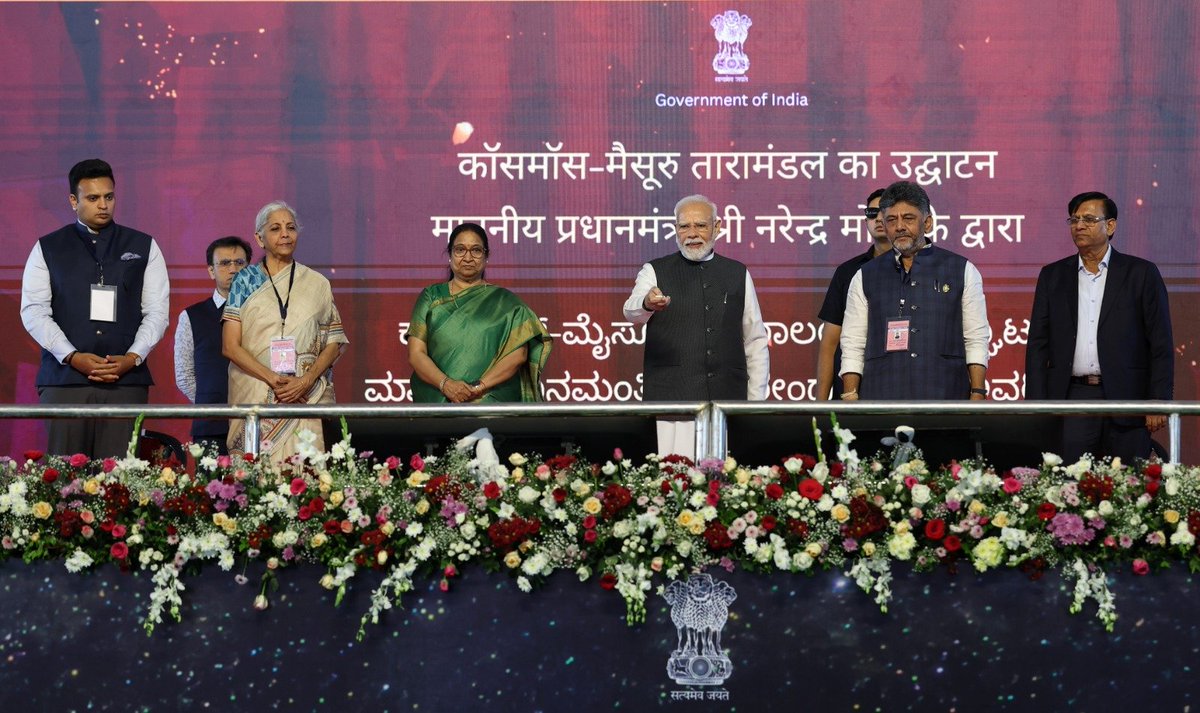
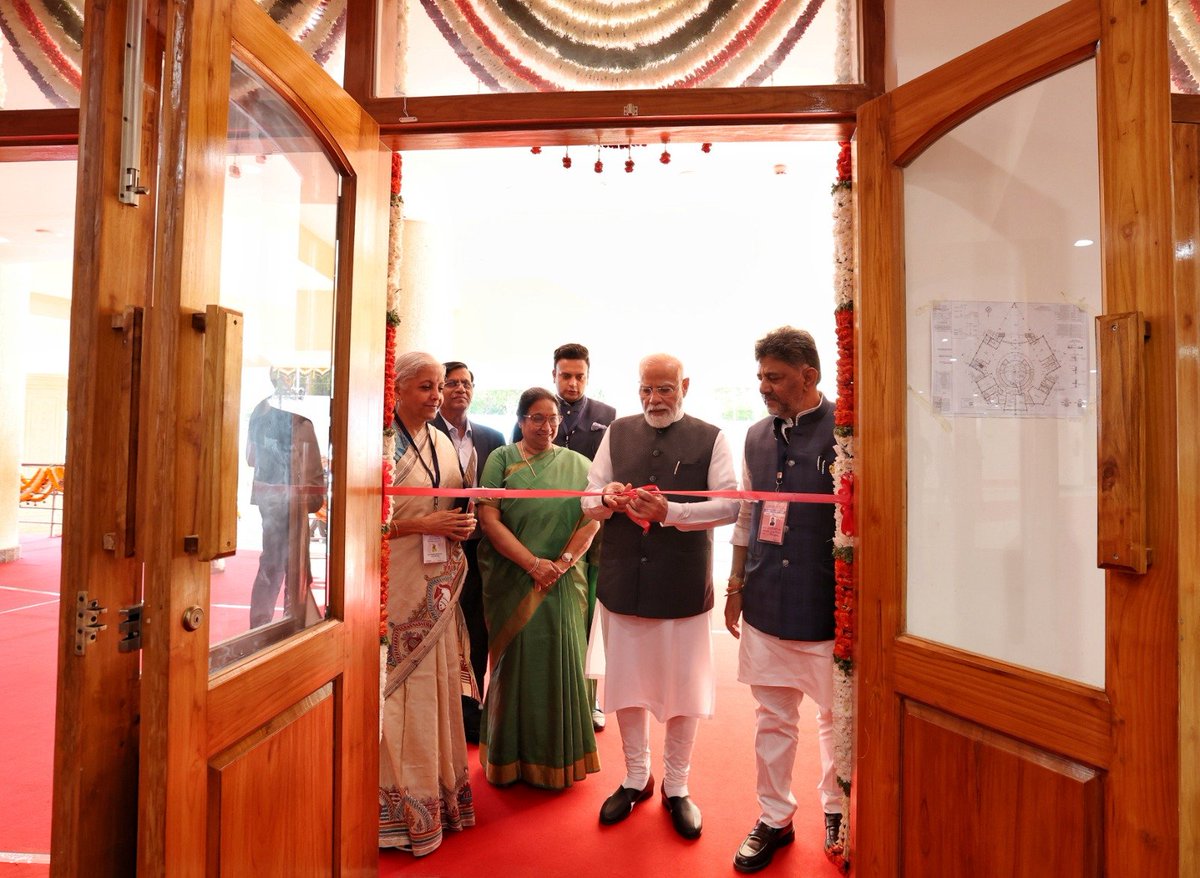
The Hon’ble Prime Minister of India, Shri @narendramodi, inaugurated India's first LED dome planetarium and Data Analysis Training and Astronomy Resource Centre (DATARC), under the Cosmology Education and Research-Training Centre (COSMOS) project at the University of Mysore, Karnataka, on 13 November 2026. He was joined by Hon’ble Governor of Karnataka Smt. @drsudhayadav; Hon’ble Finance Minister Smt. @nsitharaman; Hon’ble Chief Minister of Karnataka @CMofKarnataka, and Principal Scientific Adviser to the Government of India, Prof. @AjaySoodIISc. The inauguration marks an important milestone in strengthening science communication, astronomy education and public engagement with science.
Supported through funding from the @IndiaDST, @DAEIndia, Finance Minister's MP LADS Fund and Office of the Principal Scientific Adviser, the planetarium features a 15-metre LED dome with a seating capacity of 130–150 people. Equipped with an advanced projection system, it will enable immersive visualisation of the universe, drawing on real-time and archival data from telescopes and ISRO space missions.
Envisioned as a regional hub for astronomy education, research and outreach, the facility is expected to benefit approximately 1.25 lakh students across 250 colleges and the University of Mysore. It will provide opportunities for hands-on learning, exposure to astronomical data, telescope-based observations of the Sun and night sky, solar eclipse viewing, interactive shows, and awareness of India's mega-science initiatives.
Underscoring that India has always been guided by the mantra of ‘Humanity First’ and dedicated its space program to human welfare, the Prime Minister cited the ISRO-developed satellite communication system for fishermen. “With the help of this system, for the boats fitted with receivers, officials can deliver timely alerts to them during a storm and can also track their safe return to the shore,” noted Hon’ble PM.
Coordinated by the @IIABengaluru, as the nodal agency, the planetarium will also serve as a platform connecting students, research institutions and scientific facilities across the country.
The Mysore Planetarium represents an important step towards making astronomy and cutting-edge space science more accessible, bringing the wonders of the universe closer to young minds and inspiring scientific curiosity, exploration and the next generation of researchers.
The Office of the Principal Scientific Adviser to the Government of India congratulates Prof. Shekhar C. Mande, President, @insa_academy, on his appointment to the UN’s 10-Member Group of High-level Representatives of Civil Society, the Private Sector and the Scientific Community to Promote Science, Technology and Innovation for the SDGs, for the 2026-2028 term.
Prof. Mande is currently President of the @insa_academy, a former Secretary of DSIR and Director General of @CSIR_IND, and an ANRF JC Bose Fellow (@ANRFIndia). He brings years of scientific experience and leadership to this global platform. His selection is a moment of pride for the Indian scientific community and reflects how India is growing in global science and technology conversations.
The Office of the Principal Scientific Adviser to the Government of India wishes him a successful tenure and looks forward to his contributions toward science, technology, and innovation for a more sustainable future.
𝗩𝗶𝗴𝘆𝗮𝗻 𝗗𝗵𝗮𝗿𝗮 | 𝗠𝗦𝗩-𝟮𝟬𝟯𝟱: 𝗔 𝗦𝗻𝗮𝗽𝘀𝗵𝗼𝘁 𝗣𝗮𝗿𝘁 𝟮 | 𝗙𝗲𝗮𝘁𝘂𝗿𝗲𝗱 𝗜𝗻𝘁𝗲𝗿𝘃𝗶𝗲𝘄: 𝗨𝗻𝗹𝗼𝗰𝗸𝗶𝗻𝗴 𝘁𝗵𝗲 𝗙𝗿𝗼𝗻𝘁𝗶𝗲𝗿𝘀 𝗼𝗳 𝘁𝗵𝗲 𝗖𝗲𝗹𝗲𝘀𝘁𝗶𝗮𝗹 𝗪𝗼𝗿𝗹𝗱
The fifth article of this edition features an interview with Prof. Ajit K. Kembhavi Emeritus Professor, Inter-University Centre for Astronomy and Astrophysics. Prof. Kembhavi highlights India's rich scientific heritage from Aryabhata to pre Independence visionaries like Meghnad Saha to more recent developments. He presents his views on historical importance, evolutionary stages, space astronomy and technological requirements that have helped transform our journey of Astronomy and Astrophysics.
Further, the interview also traces the transition toward "mega science" projects, return on Investment in such projects and the invaluable role being played by artificial intelligence (AI) and big data analytics in Astronomy.
Explore more in the september edition of Vigyan Dhara, MSV-2035 magazine here: https://t.co/3xE1DFqkqi
Scan the QR code or click here to watch the full interview: https://t.co/Zn5AOIzlTP
The Non-farm technologies under the category Manufacturing, Infrastructure & Mobility Technology feature technologies developed by the Council of Scientific & Industrial Research (CSIR). They showcase solutions that support advanced manufacturing, autonomous mobility, improved working conditions and scalable production.
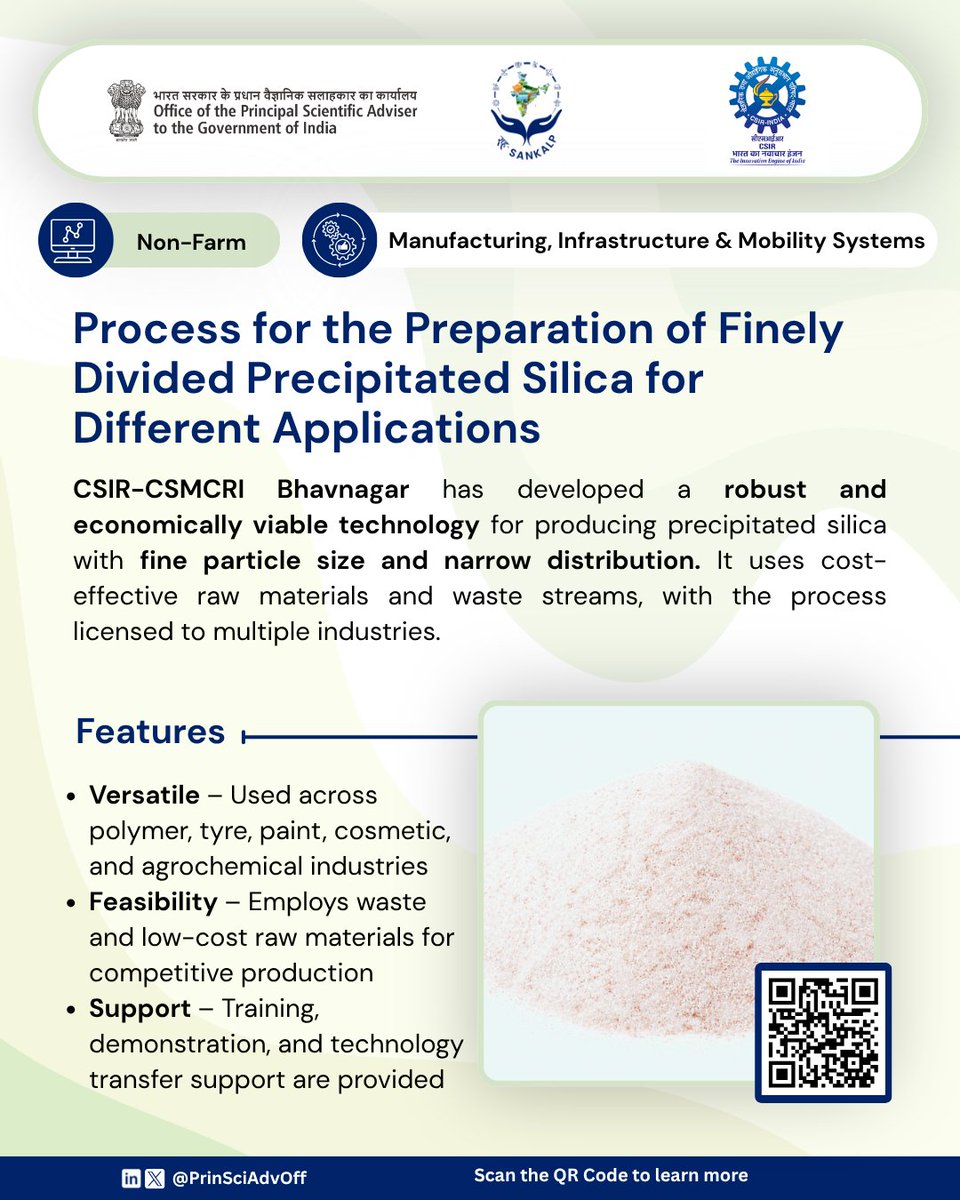
🔷 Process for the Preparation of Finely Divided Precipitated Silica: An economically viable process for producing fine-particle precipitated silica using cost-effective raw materials and waste streams, with applications across polymers, tyres, paints, cosmetics and agrochemicals. https://t.co/jBZjWxKNnv
🔷 Autonomous Navigation Technologies for Electric Buggy, Cart and Campus Shuttle: A suite of technologies integrating drive-by-wire, mapping, obstacle detection, waypoint generation and emergency braking to enable autonomous navigation, with support for system integration and deployment. https://t.co/k4HOGWc9yk
🔷 MODHA Pedal Operating Machine for Handloom: A compact motorised system designed to reduce physical strain in handloom weaving while improving comfort and productivity, supporting up to 60 sheddings per minute. https://t.co/f2rUD8lpa5
🔷 Sanitary Napkin Pad Making Machines: Scalable machines integrating cutting, sealing, embossing and UV sterilisation for efficient sanitary pad production, available in automatic, semi-automatic and manual variants. https://t.co/adq1adDgvC
Read more about सह SANKALP on: https://t.co/v3NGDRg8nD
@CSIR_IND | @DBTIndia | @IndiaDST | @icarindia | @moesgoi | @GoI_MeitY | @LabourMinistry | @minmsme