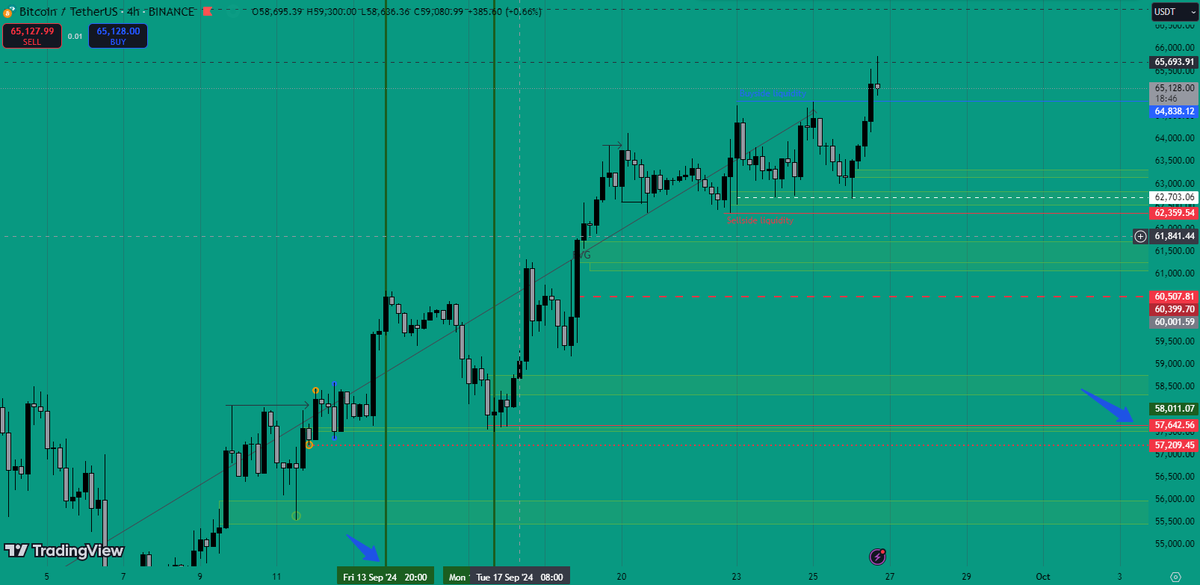
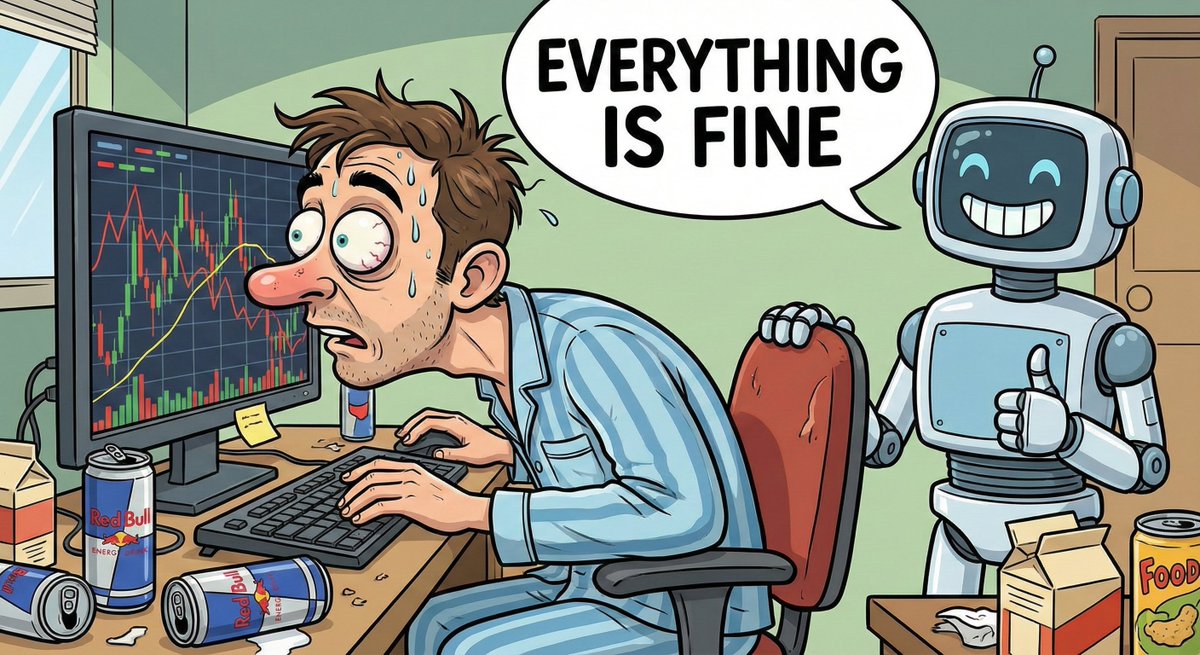
You are watching your chart right now.
Not because your system told you to.
Because you need to know if this trade is going to work.
You checked five minutes ago.
You will check again in five minutes.
Each time you look, you feel a small hit of relief — or a small spike of fear.
And each time, you are teaching yourself the same lesson:
This one trade matters enough to watch.
It doesn't.
But you can't feel that yet.
And that is the real problem.
The watching is not neutral.
It is not "staying informed."
It is not "being responsible."
Every glance at the screen is a repetition.
And what you are repeating is the belief that the outcome of this single trade has the power to change something meaningful about your account, your system, or your future.
It doesn't.
One trade inside a tested system is a rounding error.
It is one row in a spreadsheet that will eventually contain thousands.
The outcome of this row will not determine whether the system works.
It was never going to.
But your brain doesn't know that.
Your brain watches the price tick by tick and builds a story.
It watches the candle turn red and says: something is going wrong.
It watches the candle turn green and says: I knew this would work.
Neither of those sentences is true.
Both of them feel true.
And every time you check the chart, you give your brain another chance to write another story about a data point that means nothing.
This is how anxiety is built.
Not by the market.
By repetition.
Every look is a rep.
Every rep strengthens the belief that this trade matters.
And the stronger that belief gets, the harder it becomes to sit still, follow the plan, and let the system work.
You think you are watching the chart to calm yourself down.
You are doing the opposite.
Now here is the part no one talks about.
The reason you can't stop watching is not a discipline problem.
It is not a screen addiction.
It is not a personality flaw.
It is a preparation problem.
You are watching because somewhere inside, you are not sure this trade should exist.
Maybe you don't fully trust the system — because you didn't test it across a large enough sample to see everything it can produce.
Maybe you don't trust the position size — because you calculated it from how much you want to make, not from what your tested data says you can safely risk.
Maybe you don't trust the stop — because you have never sat inside this exact drawdown with your own hands enough times to know it is normal.
Maybe you don't trust any of it — because the entire system was built on theory you read, not experience you lived.
A trader who has tested a system across a massive sample, practiced it until the worst stretch felt like nothing, and sized the position from the data — that trader is not watching the chart.
Not because they are disciplined.
Because there is nothing to watch.
The outcome of this trade was already accounted for before they clicked.
The drawdown was already survived in testing.
The position size was already proven to be something the account can absorb without damage.
There is nothing left to be afraid of.
So there is nothing left to watch.
The watching stops when the preparation is complete.
Not before.
If you are still glued to the screen after every entry, don't try to fix the watching.
Fix what is underneath it.
Test the system until you have seen its worst with your own eyes.
Practice until the execution requires no thought.
Size your position from the data, not from your desires.
When the preparation is real, the screen loses its power.
You won't have to force yourself to stop watching.
You will forget to check.
The books go deeper 📚 — new title added
https://t.co/tMFssKR6Oz
Acquiring knowledge is easy, the hard part is knowing what to apply and when.
That’s why all true learning is “on the job.”
Life is lived in the arena.
@Crypto_CBas surely if that’s what fits with what you know !
However this cycle things are different.
Bitcoin is dominating , any other alts are crashing unfortunately