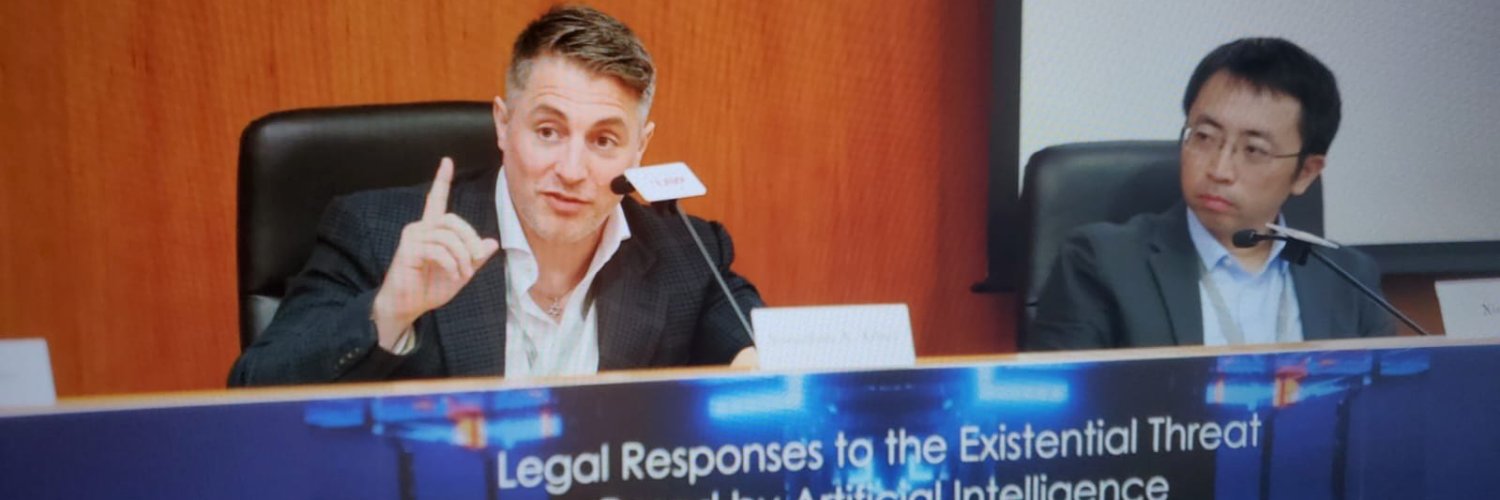
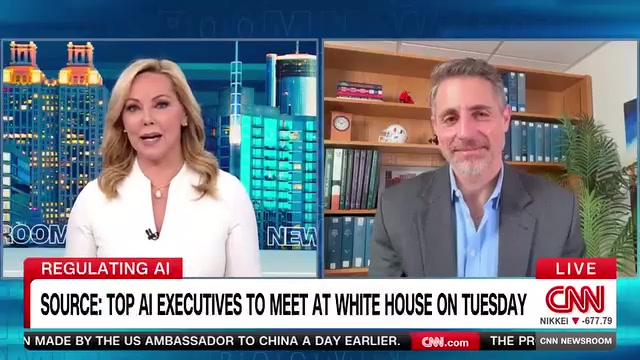
Enjoyed speaking with the wonderful Rosemary Church on CNN last night about AI governance and what it really means to win the AI race.
Building safe, reliable AI is part of what winning requires.
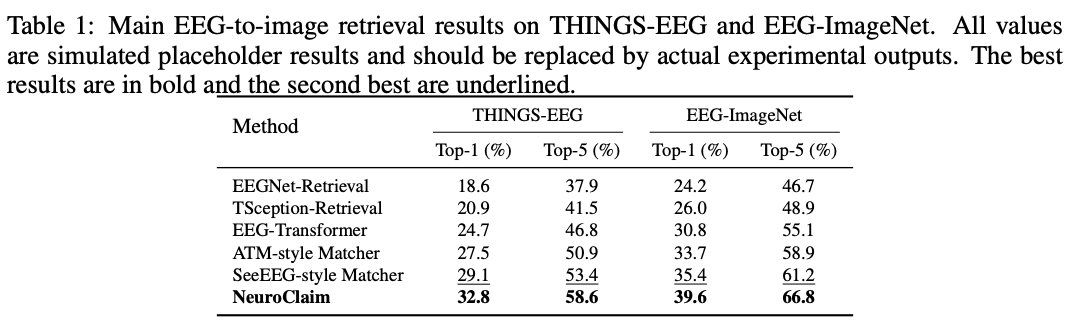
How do you tell if authors fabricated their research results? Sometimes: they just tell you. Read, e.g., this caption carefully.
Another banger of a post by my friend Nihar B. Shah on his blog, where he found at least 20+ such #ICLR2027 submissions:
https://t.co/TBKmnMjTiy
@aredachem Contestability of AI outputs (and its limits!) is an important part of the future legal landscape. But human overrides aren't always better.
Back from CELS presenting Generative Gap Filling to a crowded room.*
It was interesting to see how AI slowly comes to the legal world. Obviously the slides were majority Claude, and you could see signs that some of the analyses relied on agents. But I still think lawyers are two years behind the frontier. Still coming to terms with how to use AI and whether AI is reliable. Nobody is surprised anymore when you say that LLMs are doing a good job and they stop asking low information questions about stochastic parrots. But it's also clear that there is a field of low hanging fruit that new scholars will pick aggressively to great results
* It was a smaller room and the other speakers were doing cool work, but forget that.
* If you have read GGF then you are even behinder on the frontier. Go read it!
Yesterday, @thehoffprof asked how we can manage law review article selection in times of the slopalypse
Today, a new study offers some evidence for fighting AI flooding with AI. In head-to-head comparisons, AI-generated reviews beat reviews by paid human experts. AI judges overwhelmingly preferred them. Three former journal editors also preferred them in 26 of 30 judgments.
That doesn't mean that AI should select our future scholarship. The downsides are obvious. The study doesn't really test selection decisions, much less questions of scholarly impact. But it makes the case for using AI-assisted triage to direct scarce human attention toward interesting, rigorous, and creative articles
Complain about it, by all means. But the flood is coming either way. If you don't have a better AND realistic solution, the complaint won't get us very far.
Legal personhood to AI is coming. The fights are misplaced, because it's not a metaphysical question we get to debate in philosophy journals, but a question with a strict deadline.
The real, pressing question is how do we design AI personhood in a way that ensures our prosperity and welfare.
And please try to think it through without falling on comforting platitudes like "clankers don't have feelings, check mate"
Corporations are (legal) persons, even though we don’t think they are conscious or matter morally! It’s pure governance.
We can do the same with AIs.
https://t.co/WfbmRGODfA
https://t.co/5c5SMXGyBZ
At a conference on AI & legal profession. I'm sorry folks, but you are over-indexed on hallucinations. You aren't calibrated on the magnitude of the problem and it's possible that one reason is psychological. It's comforting to think that the robots will never be as accurate & diligent as we are.
*I am NOT saying that AI doesn't hallucinate or never makes mistakes; indeed, I believe that it does.
@HoffProf@apublicgood Anders, you have been sitting on a solution and didn't share it with your new colleague? Is it because I didn't finish my onboarding training modules?
A rare opportunity to disagree with The Hoff.
So first, he is right on all the main points, including flooding and how ugly AI slop is, &c.
But I don't love the remedy (and I suspect he isn't too excited about it either?). Pangram is measuring the wrong thing and is also gamable (less so than I thought in the past!). Still the semi lazy can just have Claude generate an article and then rewrite it using meat tokens, and the AI signature disappears without resolving any of the underlying problems. The truly lazy will use AI humanizers, but I haven't benchmarked those.
What to do? Use AI to identify works worthy of human attention! AI triage is the only robust way forward IMHO, and also, I suspect that it's being done covertly anyways.
A lot more to say but I wanted to outline this quickly
I've been thinking about how law reviews (and academics) should respond to AI writing, and this 👇 is my basic starting point. Pangram is a badly designed purity stick.
@SequoiaMaple We gave our best design ideas here
https://t.co/CxLwlFUUWy
In short the answer is no in principle. We don't want a halt right that is only available when clear conditions apply ( which is a major flaw of the ant bill)