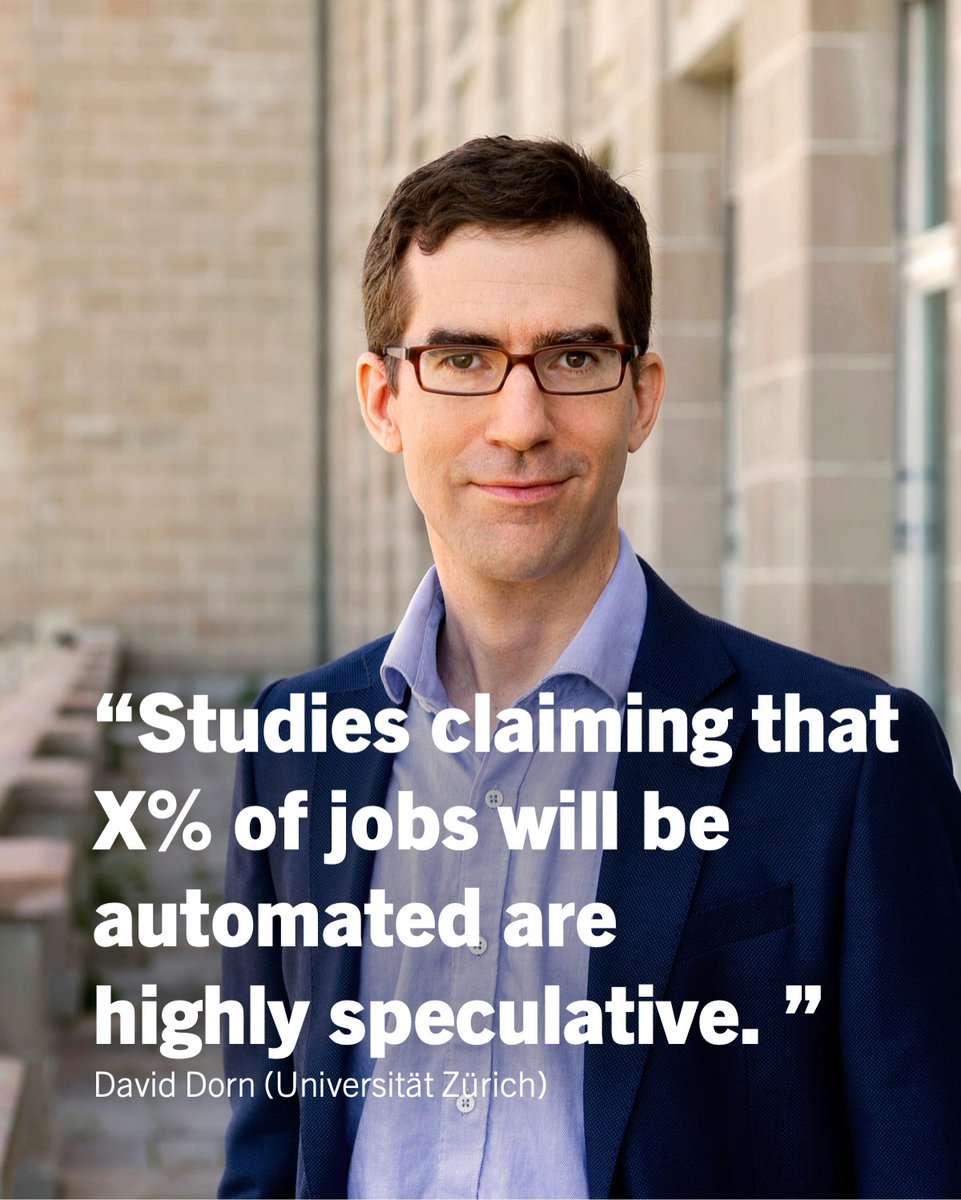
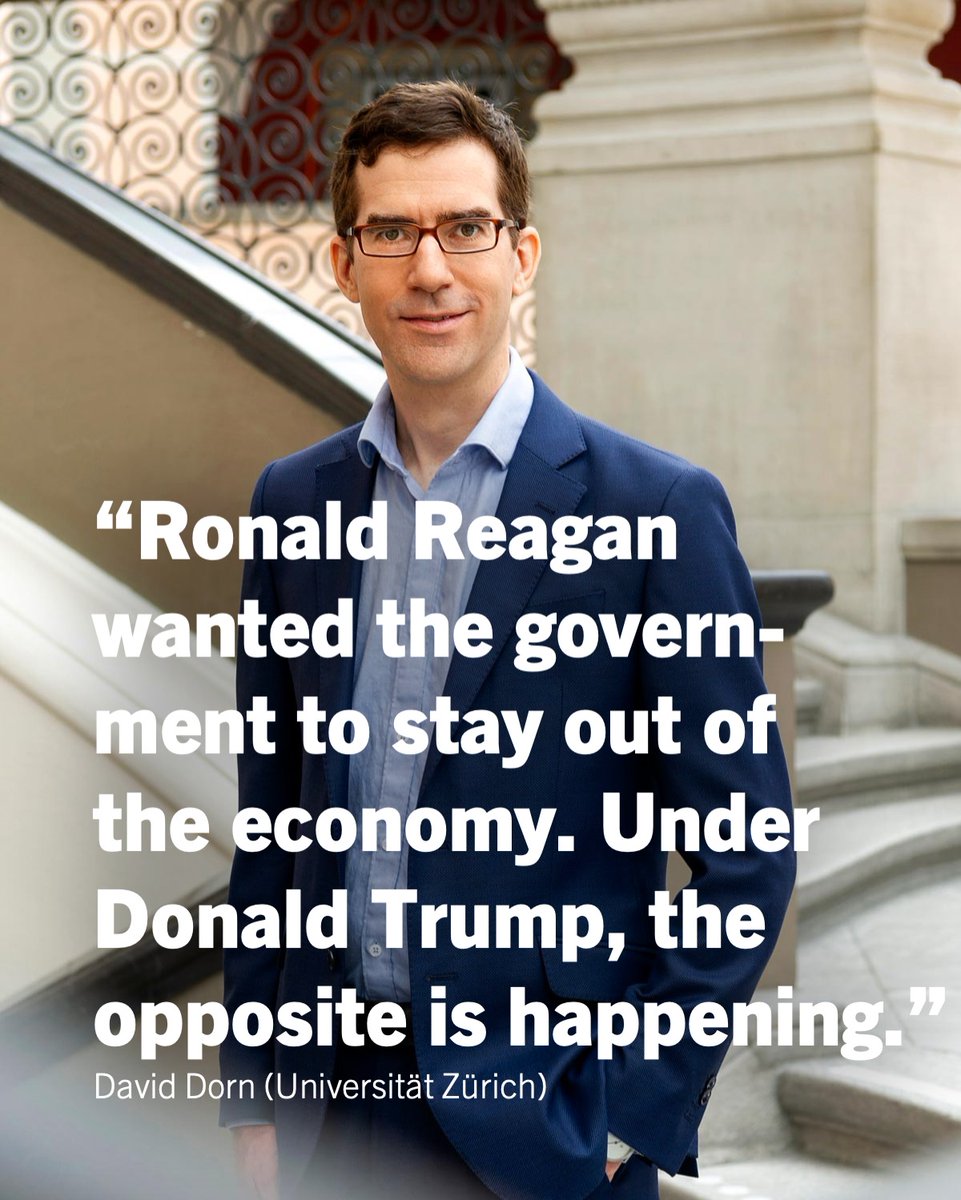
According to research by UBS Foundation Professor @ProfDavidDorn and co-authors, import tariffs had no significant positive effects on employment or income in connection with Donald Trump's first term.
https://t.co/f3rT6SWJ4R
#EconomicsForSociety#UZH#shareUBS
Join my outstanding research team @UZH_ch in Zurich as a #predoc research associate in summer 2026! We conduct empirical analyses of labor markets, globalization, technology and politics. More info and link to application: https://t.co/meUWV7SUi2
@econ_ra@predoc_org
Trump’s Tariffs – Help for the Heartland? Did #US#tariffs in 2018 create jobs as promised? In January this year @ProfDavidDorn@econ_uzh & @timsvengali explored their effects and #China's response
Listen again: https://t.co/HDt6HDRj0y
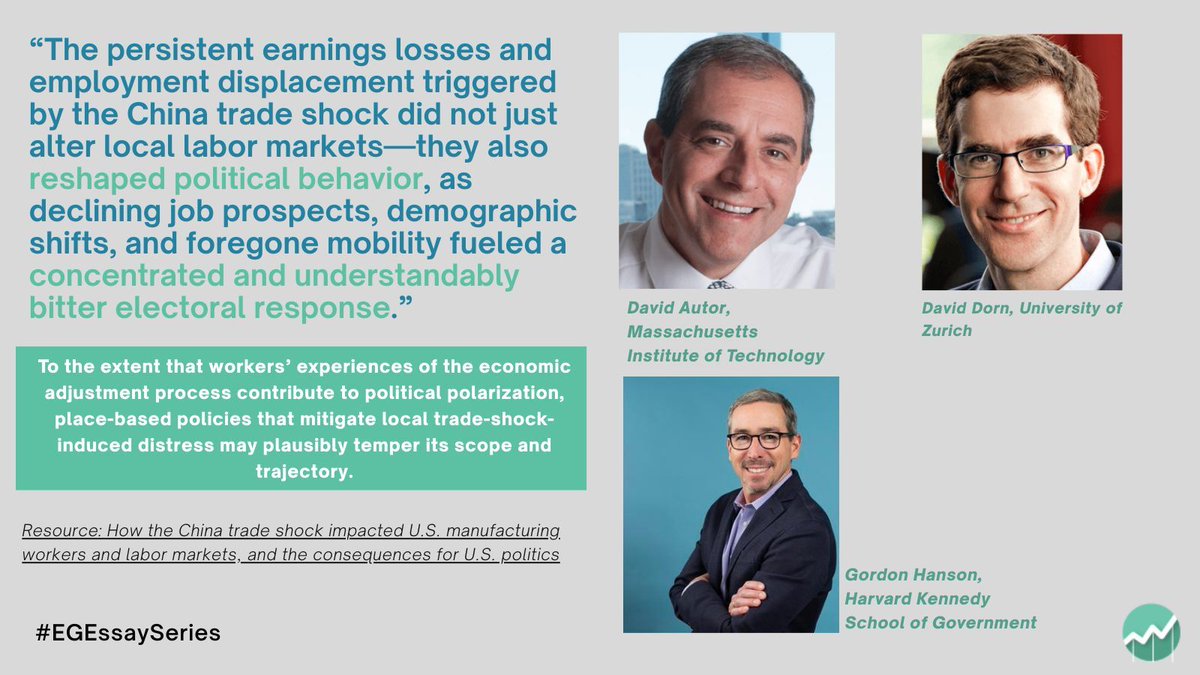
@MITSloan 2/ Next in EG's top 2025 stories at 9⃣: @davidautor@ProfDavidDorn & @gordon_h_hanson discuss how the China trade shock of the early 2000s "reshaped political behavior, as declining job prospects & foregone mobility fueled a bitter electoral response."
https://t.co/EKe3zCiL9U
More and more wealth is passed down across generations. Yet, many countries have reduced inheritance taxes. What drove this trend? What are the consequences of reversing it?
Don't miss my conversation later today with @Marius_Brulhart who knows more about this than anyone else!
“I’m convinced that AI will not lead to mass unemployment. Some occupations may lose relevance, but new fields will emerge, just as in earlier technological revolutions.”
@ProfDavidDorn via @tagesanzeiger
https://t.co/ruQwJH3dEQ
#EconomicsinSociety#UZH#shareUBS
I am delighted to share that Nobel laureates Esther Duflo and Abhijit Banerjee will join our Department of Economics @econ_uzh at the University of Zurich on July 1, 2026, as Lemann Foundation Professors of Economics.
🧵 1/7
Join my outstanding research team @UZH_ch in Zurich as a #predoc research associate in early 2026! We conduct empirical analyses of labor markets, globalization, technology and politics. More info and link to application: https://t.co/LEl9WDyg2f
@econ_ra@predoc_org
In der Wirtschaftspolitik des US-Präsidenten zählen die Beziehungen ins Weisse Haus mehr als gute Produkte. Damit untergrüben die USA die Effizienz ihrer Unternehmen, sagt der Ökonom David Dorn im Interview. https://t.co/EdFXtccZPi
In their #EGEssaySeries piece, @davidautor, @ProfDavidDorn and @gordon_h_hanson break down the China trade shock of the early 2000s, its impacts on manufacturing and labor, and how it shaped U.S. political preferences and electoral results.
Learn more ⬇️
https://t.co/EKe3zCidkm
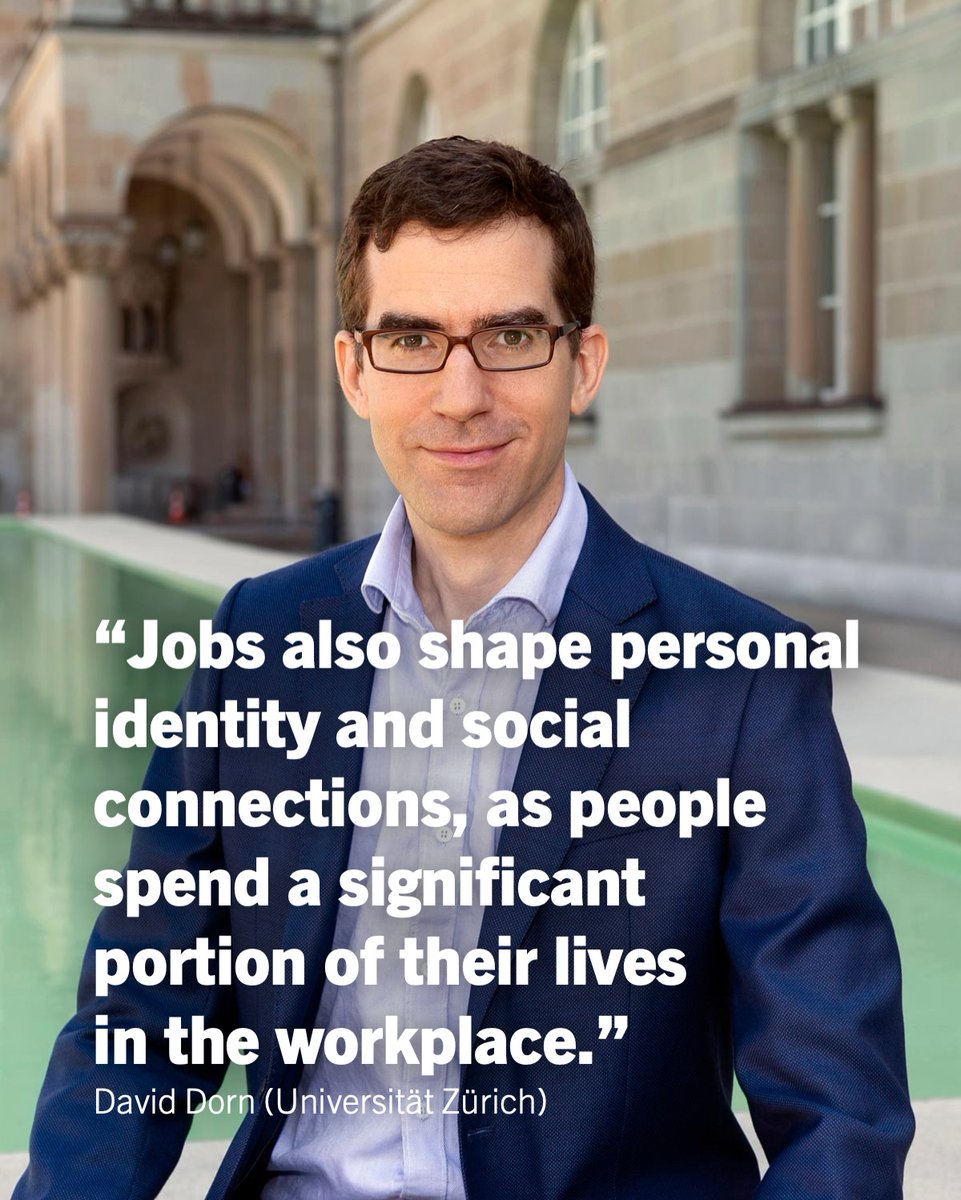
“Jobs also shape personal identity and social connections, as people spend a significant portion of their lives in the workplace.” – UBS Foundation Professor David Dorn
https://t.co/7mVwoniExS
David Dorn explores how globalization and automation have shaped labor markets, revealing the lasting impact of trade shocks, especially in regions exposed to Chinese imports. His research highlights the connection between economic shifts and broader societal issues, such as political polarization and social inequalities.
Our latest UBS Center Public Paper brings together leading voices in economics. From inequality to AI, from climate to democracy – discover ideas that drive progress. Published as a special issue honoring Kaspar Villiger’s legacy of fostering dialogue between research and society.
#EconomicsForSociety #UZH #shareUBS
Trade with China in 2000s led to job losses in U.S. manufacturing, but local economies rebounded with growth in non-manufacturing sectors. Our research feature looks at new work from @davidautor, @ProfDavidDorn, @gordon_h_hanson, + Maggie Jones https://t.co/SkJCbjIgSF
Join my outstanding research team in Zurich as a #predoc research associate! We conduct empirical analyses of labor markets, globalization, technology and politics. More info and link to application: 🔗https://t.co/LEl9WDxIcH
@econ_ra@predoc_org@econ_uzh
"The China trade shock accounts for approximately one-quarter of the decline in manufacturing jobs between 2000 and 2007."
More from @davidautor@ProfDavidDorn and @gordon_h_hanson on how the China trade shock affected U.S. politics ⬇️
#EssaySeries
🔗: https://t.co/EKe3zCidkm
🆕🔥
"Multidimensional Skills on LinkedIn Profiles:
Measuring Human Capital and the Gender Skill Gap"
w/ @ProfDavidDorn, @florian_schoner, @SeebacherMoritz & @thelisaksimon
https://t.co/cr27yqpEAr
🚀Skills from 9M LinkedIn profiles explain important labor-market patterns!
1/🧵
As the U.S. ramps up tariffs on Chinese goods once again, the debate over trade policy has taken center stage — and one name keeps surfacing across leading publications: UBS Foundation Professor @ProfDavidDorn.
Dorn, along with co-authors @davidautor and @gordon_h_hanson, published a landmark 2013 study on the 'China Shock', showing how a surge in Chinese imports profoundly disrupted U.S. manufacturing communities. Their research documented long-lasting job losses, wage declines, and social strain — particularly in regions most exposed to import competition.
Over the past week, @nytimes, @WSJ, @washingtonpost, @AJEnglish, and @voxdotcom revisited Dorn’s work in the context of the new tariff policies:
⭐️ NYT and WSJ questioned whether tariffs can truly reverse decades of economic transformation. Both highlight the risk of retaliation, rising prices, and further global instability.
⭐️ Al Jazeera underscored that lost jobs won’t simply return — pointing to technological change and supply chain complexity.
⭐️ Washington Post noted the ideological pivot from free trade to protectionism and warned of long-term consequences.
⭐️ Vox offered a crucial clarification: Dorn’s research diagnoses the problem but doesn’t prescribe tariffs as the solution. Instead, it calls for policy responses that support displaced workers — retraining, education, and social safety nets.
The takeaway? Understanding the nuanced findings of Dorn’s research is key. Protectionist policies may appeal politically, but they risk ignoring the complex, structural shifts in the global economy that his work so clearly maps out.
In a time of rising populism and shifting economic alliances, Dorn’s work reminds us of the importance of evidence-based policymaking. Let’s not confuse diagnosis with cure.
#EconomicsForSociety #UZH #shareUBS
Globalization and automation have caused manufacturing job loss in some labor markets. @davidautor, @ProfDavidDorn, @gordon_h_hanson, Maggie R. Jones, & Bradley Seltzer consider, Who leaves? Who arrives? How does industry composition evolve? https://t.co/HONwJoFWq2