Seeing reality as can be unpleasant; but it's never not exciting
We wrapped up the last lecture for the phd course Charting Reality. The first half focuses on the grand arc modeling starting from Newton through Erlang and Neyman to today's data science and AI. (Lecture notes see link in comment)
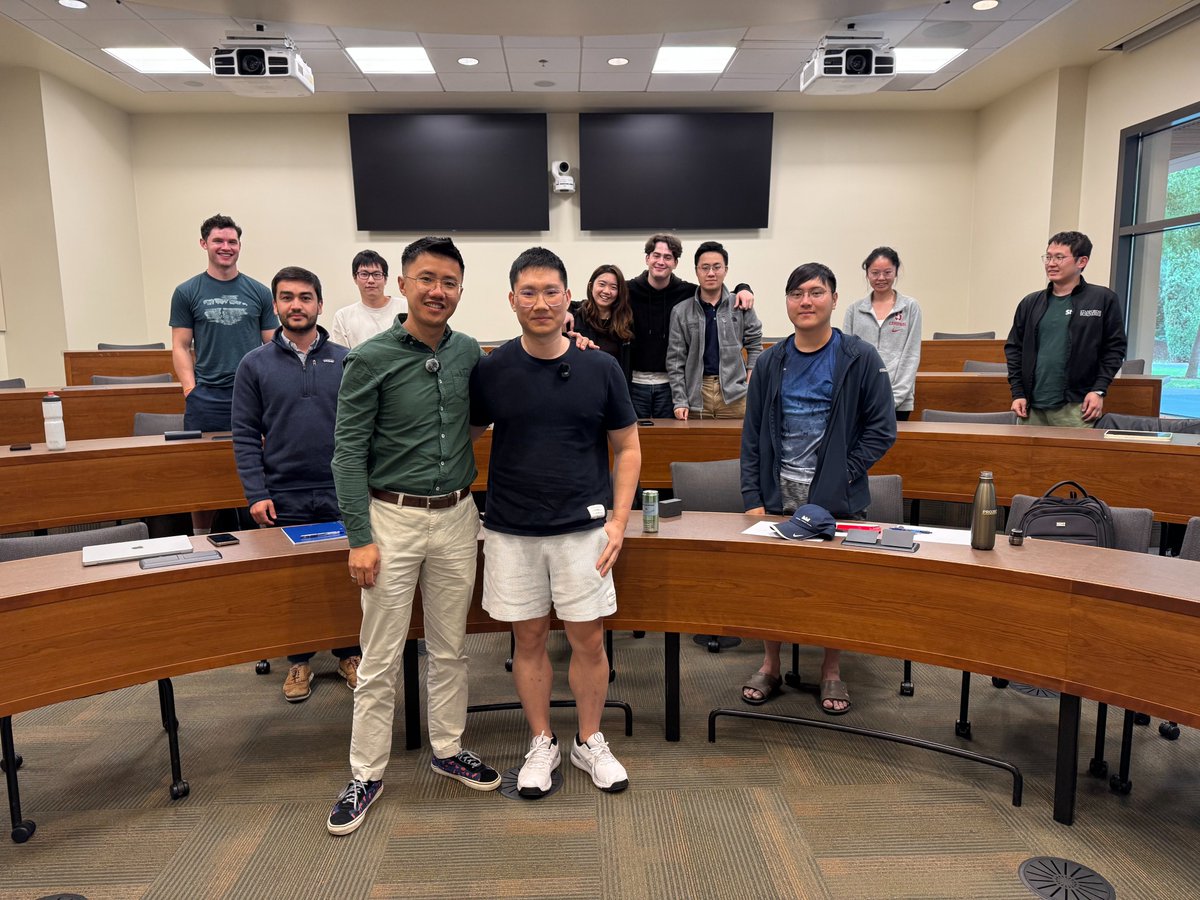
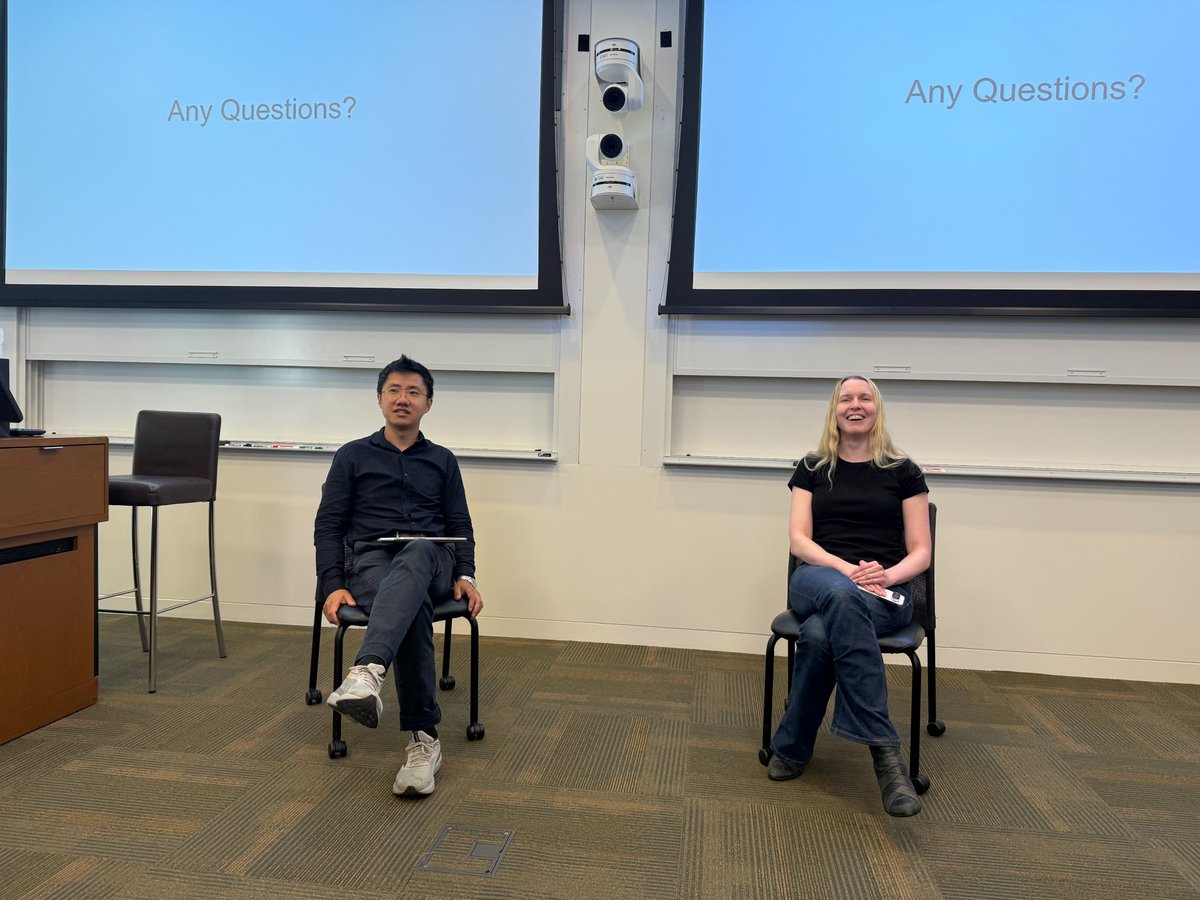
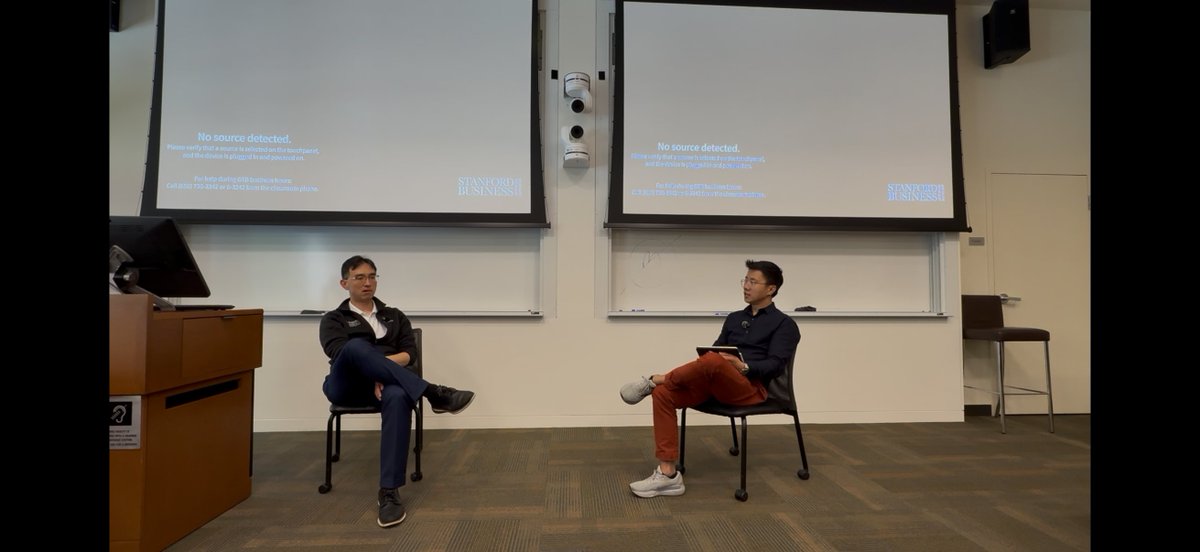
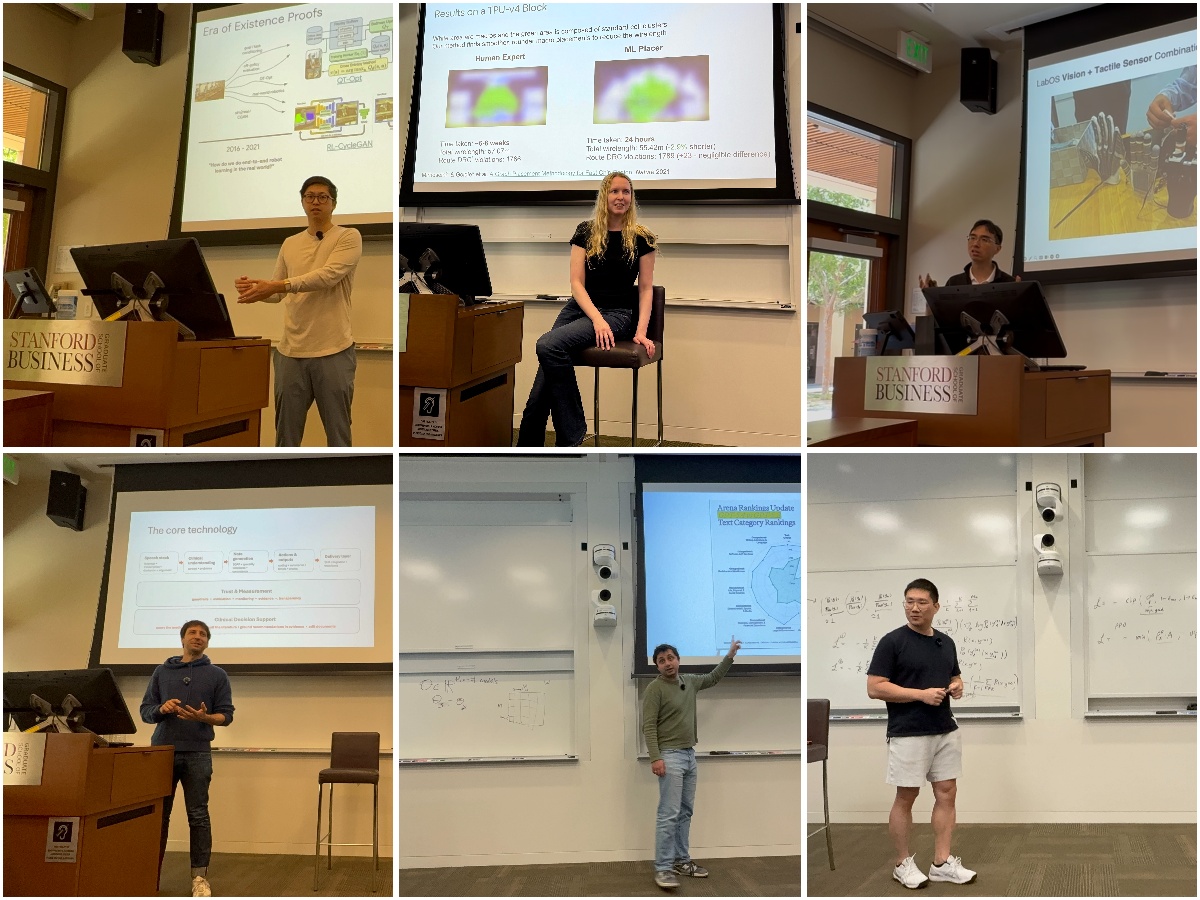
The second half consisted entirely of guest lectures from my friends, who also happen to be some of the very best researchers, managers, academic and founders of this generation. think I speak for all the phd students that you brought so much to this course!
The biggest takeaway for me when it comes to teaching is just how kinetic and dynamic it can be to have top folks with deep expertise come, and let them rip. I was shocked to find how deep and wide ranging the lecture can go in an otherwise technical phd course. Will do this again any day.
Tomorrow is the final presentation day for Charting Reality - Good luck everyone, and I'm so excited to see what you have to share!
Thank you! @ml_angelopoulos@lecong@TianfuF@annadgoldie@zacharylipton@xiao_ted@Zhiqiang_Xie
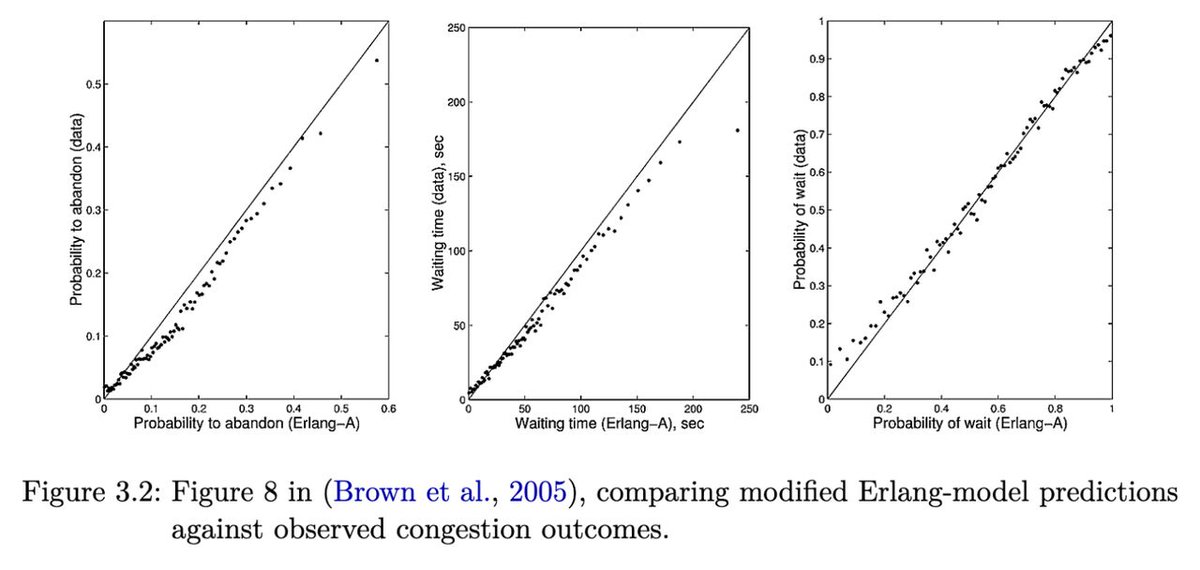
All models are wrong, but why and when can wrong models produce the right predictions? In Chapter 3 of Charting Reality, we look at how mechanistic models are learned and evaluated. Brown et al 2005 provides a stunning example where despite demonstrably wrong distributional assumptions, an Erlang type model was able to produce remarkably consistent predictions.
Chapter 2 of Charting Reality is up. What does a 100+ year-old theory have to say about AI inference? Why was modern network engineering theory born in 1909 Copenhagen rather than in the U.S.? Why might a technically sound model fail in practice?
I spent a lot of time over the last couple of days reading about the early days of data science and stochastic modeling, and I’m honestly floored by how interesting, and rhythmic, this scientific history was. I could probably have written the whole chapter by swapping out company names from the 1900s with today’s hottest AI startups, and few would even bat an eye!
Modeling Congestion - From Telephony to AI Inference
https://t.co/N1R4pnDdky
Open Lecture Sign-Ups: If you are a Stanford student/faculty, fill out this form if you'd like to be notified for one of the guest lectures open to the broader Stanford community (Note: Stanford login is required): https://t.co/7SLKbUenJg
Course syllabus: https://t.co/xUMr5v7jWd
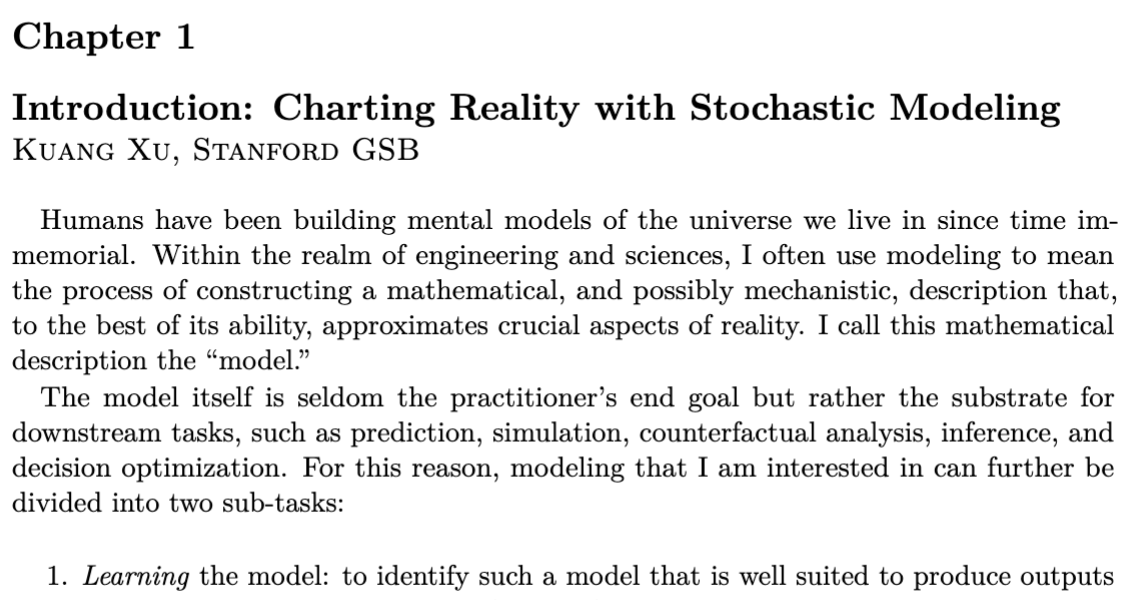
I will be posting the lecture notes of Charting Reality with Stochastic Modeling (OIT 677) as they become available. Here is the first chapter: What is a model? What is modeling and a typical modeling workflow cycle? What can a practitioner of OR or AI modeling learn from the Copernicus revolution?
Chapter 1: https://t.co/Cud98lusRZ