The Paul W Brandel Prof of NT at @NPTSem, Author &editor with @MohrSiebeck @WipfandStock @BakerAcademic, former chair #IBRAABI, A pastor in scholar's clothing
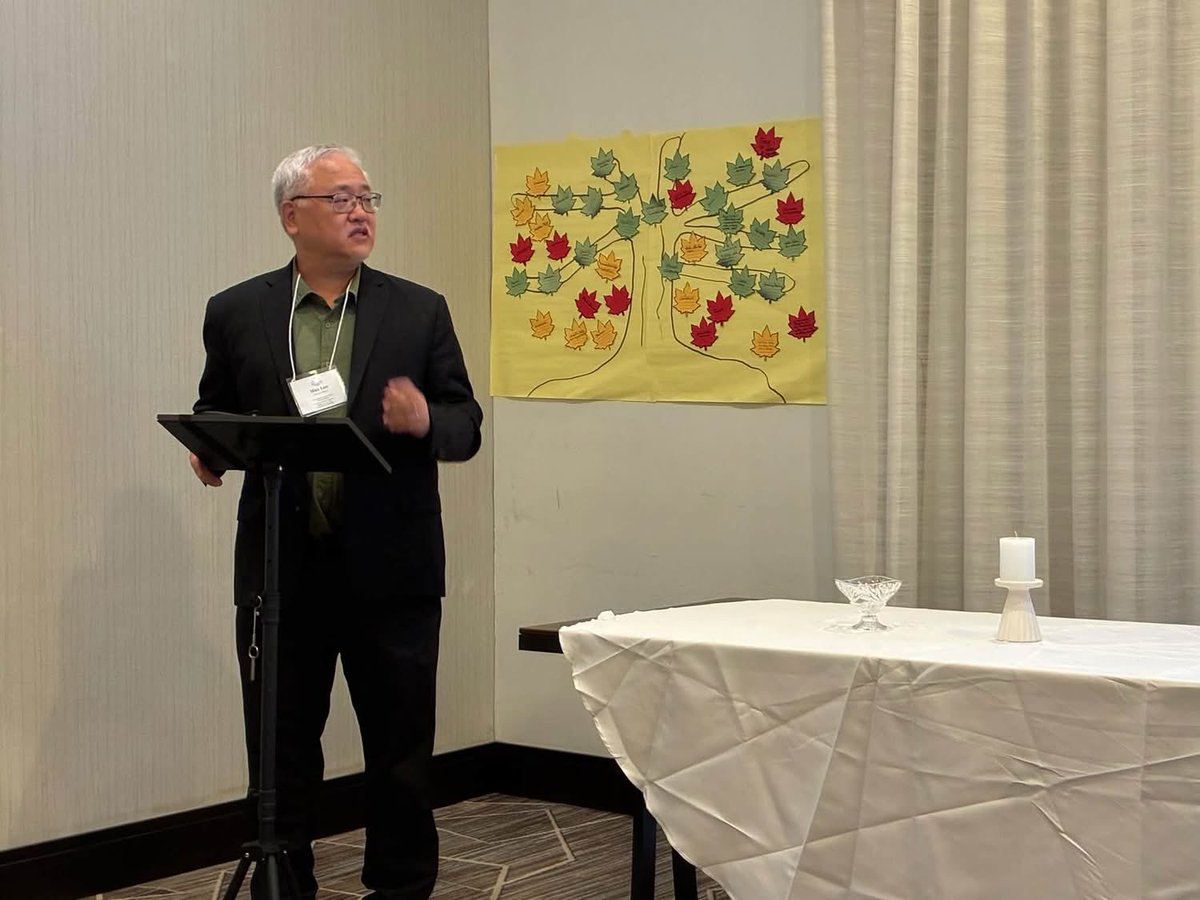
Grateful for my time with the Southeast Conference Ministerial Association of the @Cov_Church. I gave a 4 message series at the pastors retreat on Growing Stronger Together. Coming back to Chicago exhausted and blessed 🙌🏽 @NPTSem
Now onto what may be the most important Latin text of our present millennium - even if for reasons not clearly explained it can only be read in the vernacular before the official Latin version eventually appears...
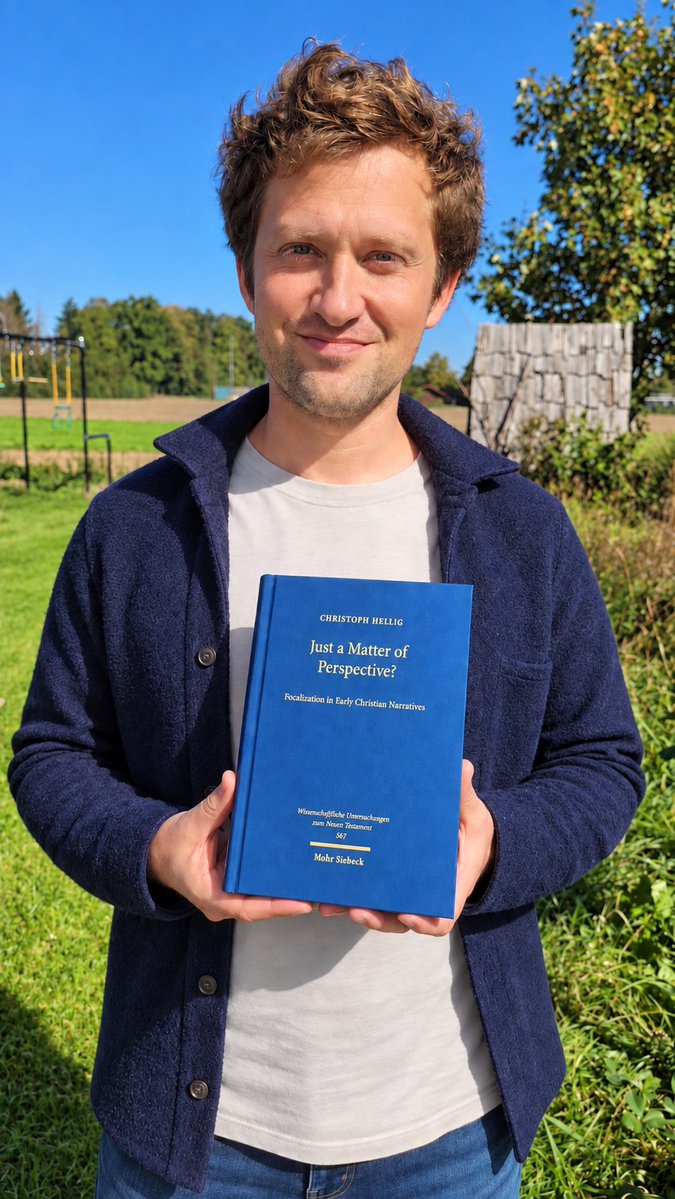
Thank you for making the your book publicly accessible Christoph! As one who took Ron Langacker’s doctoral seminar on Cognitive Semantics at UCSD, I’m esp interested in your use of construal and prominence for NT exegesis. Bravo! 🙌🏽
Well, to be fair, the UBS6 at 1:15 lists a variant omitted by UBS5. I’ll have to take a look at it more closely to see why this was included and past variants in UBS5 were omitted. So the changes are not as flatly “just less info” as I had first suspected
It seems like the UBS6 “streamlines” the apparatus with less variants but cuts out too much compared to the UBS5? The UBS editions already have less variants listed than NA. UBS5 struck a better balance IMHO. Wondering if trimming the apparatus for UBS6 has gone too far 🤔💭
Visualizing the evolution of the UBS textual apparatus of the Greek New Testament in the last four editions. A case study in Acts 1. Do with this information what you will.
I'm not thrilled about the changes to the critical apparatus for UBS6 from UBS5. It's a downgrade IMHO. The major uncials Sinaiticus, Vaticanus, Alexandrinus use numbers rather than the special symbols. They changed the Latin manuscript abbrev (why?). Less info. Getting grumpy 😤
@DanielMGurtner The apparatus from UBS5 and its conventions seemed just fine. I just don’t see a real need to change it. I’m admittedly giving my gut reaction so far. May be UBS6 will grow me over time. Right now I don’t see the changes as necessary. I’m willing to have my mind changed 2/2
@DanielMGurtner I’m putting on my educator’s hat on this one. Using Aleph for Sinaiticus, for example, just made it easier for students to learn the major majuscules. I think it’s helpful to see where the lectionary tradition is most attested for a particular variant. Phil 1:11 omits this. 1/2
It is finished. Just presented in 26 min a paper that was 23 pages single spaced. Appreciate’s Grant Macaskill’s response on how to situate Paul beyond his Roman context. Classicist giant Ilaria Ramelli and Philo expert Maren Niehoff also gave helpful feedback. Glad to be done 🙌🏽
Here are #SNTS2026 in Durham, UK. I’m reading a paper on the moral logic of the Stoics +the Apostle Paul for the Greek Philosophy and Early Christianity and The Presence of Rome in Early Christian Text joint session. Glad to make it here after horrendous 11 hour wait in Dublin 🙌🏽
Here are #SNTS2026 in Durham, UK. I’m reading a paper on the moral logic of the Stoics +the Apostle Paul for the Greek Philosophy and Early Christianity and The Presence of Rome in Early Christian Text joint session. Glad to make it here after horrendous 11 hour wait in Dublin 🙌🏽
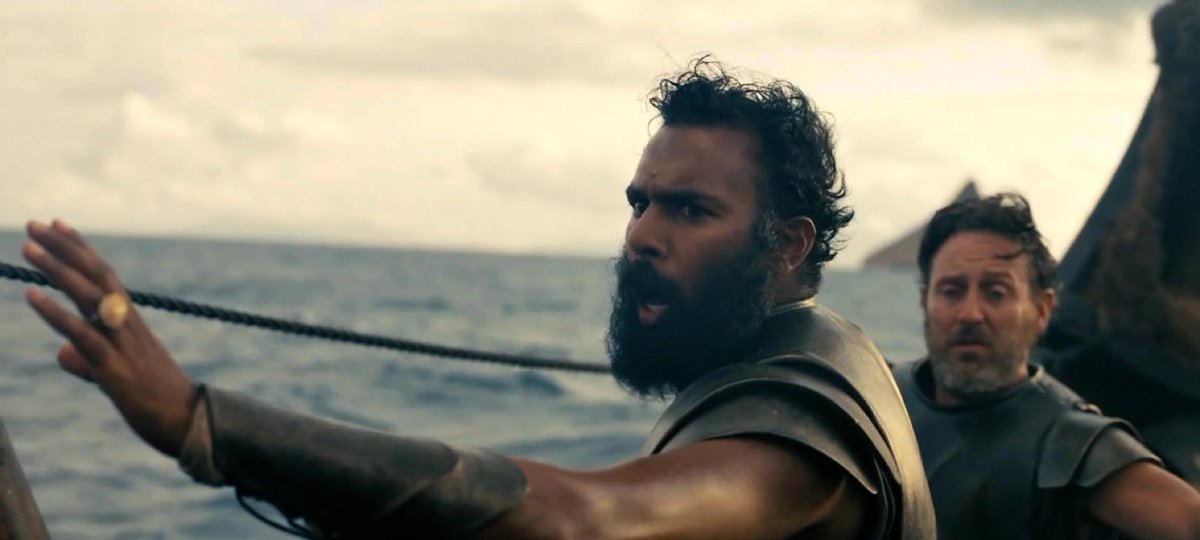
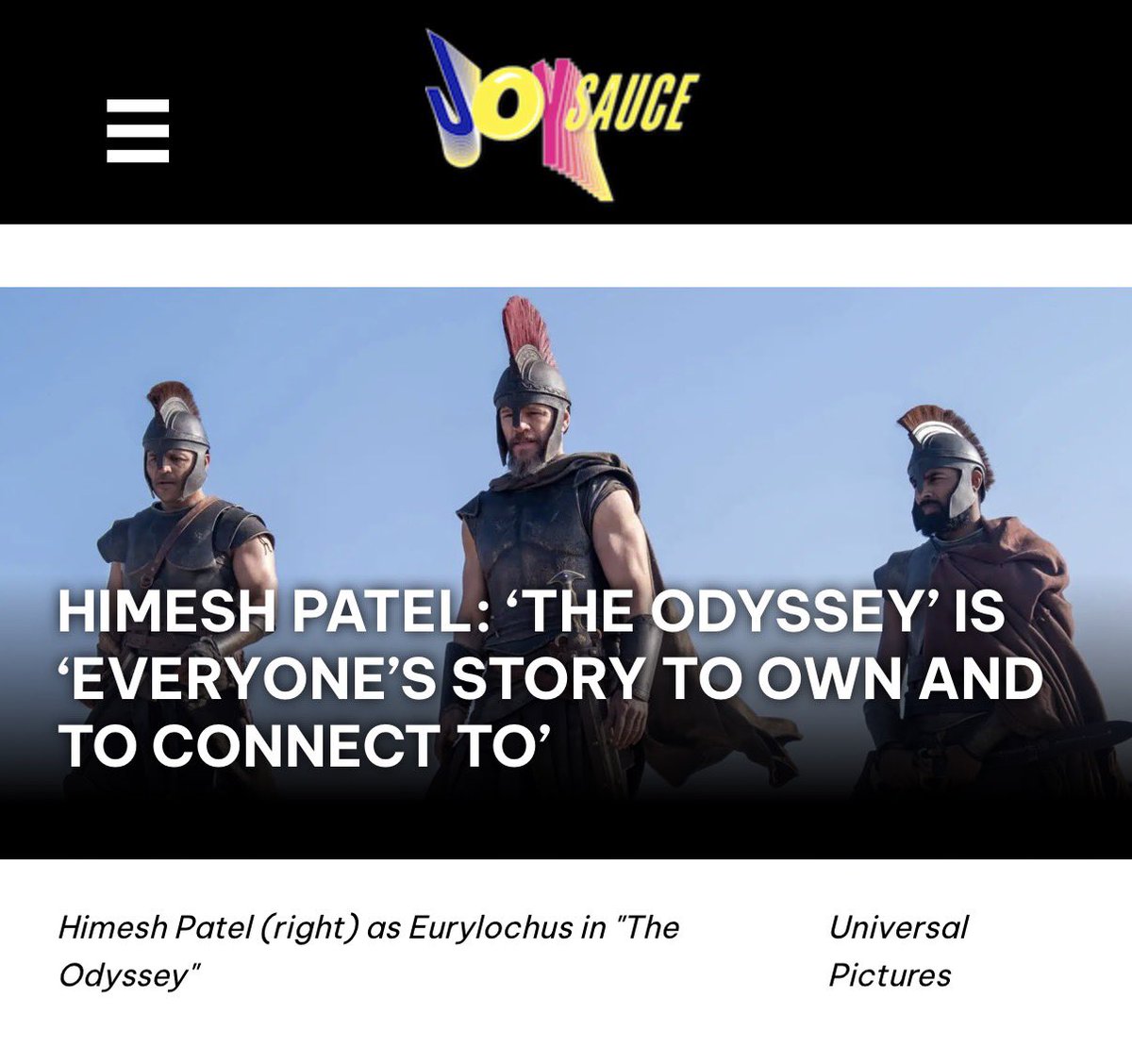
@zacharoni22 has an interview up with The Odyssey’s Himesh Patel on the theme of ancient hospitality and other interesting tidbits on how the actors and crew drew from the Iliad and other sources to reconstruct on screen Homer’s great epic. Check it in his 🧵 out below ↙️
“How do we treat strangers? And what happens if we break that law? What does that do to our souls?”
An honor to speak w/ Himesh Patel abt THE ODYSSEY, filming *that 🐷 sequence, how the film is a story of being a good guest, & the shades of TENET & INCEPTION in this story. ⬇️
There are more than 60 English translations
of The Odyssey.
So which one should you read?
Here’s how six major translations differ.
1. Robert Fagles
Reads like a novel. A common classroom choice.
2. Richmond Lattimore
The scholar's translation. Closest to the Greek.
3. Robert Fitzgerald
The most literary. Formal, musical, and long a
standard in American classrooms.
4. Stanley Lombardo
Closer to how the poem would be read aloud.
Popular for performance and teaching.
5. Emily Wilson
Plain and direct. Written in iambic pentameter.
6. Alexander Pope
The great historical translation. Written in heroic couplets, ornate, elevated, and far less literal
than the others.
Which translation would you choose?
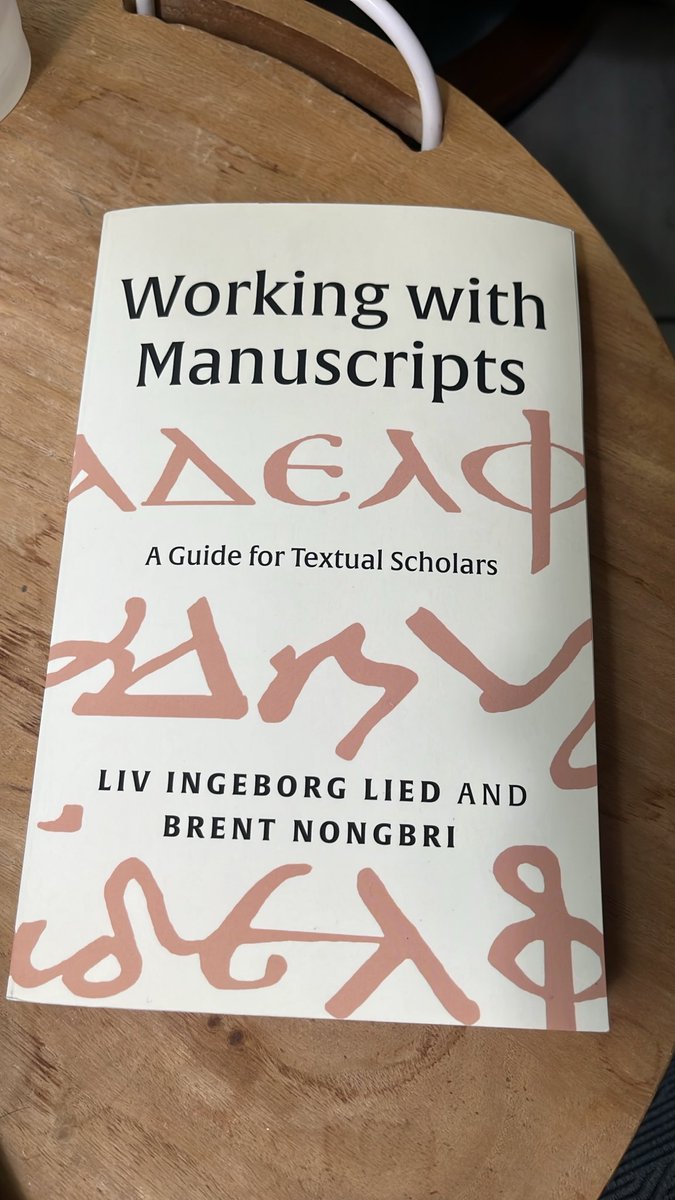
At @EdinburghUni, I learned much about manuscripts from Larry Hurtado, Paul Foster, and Tim Lim. That experience has shaped my teaching/scholarship. For a book on the topic, try Working with Manuscripts. It overviews the why/how and gives practical advice for finding/using mss.
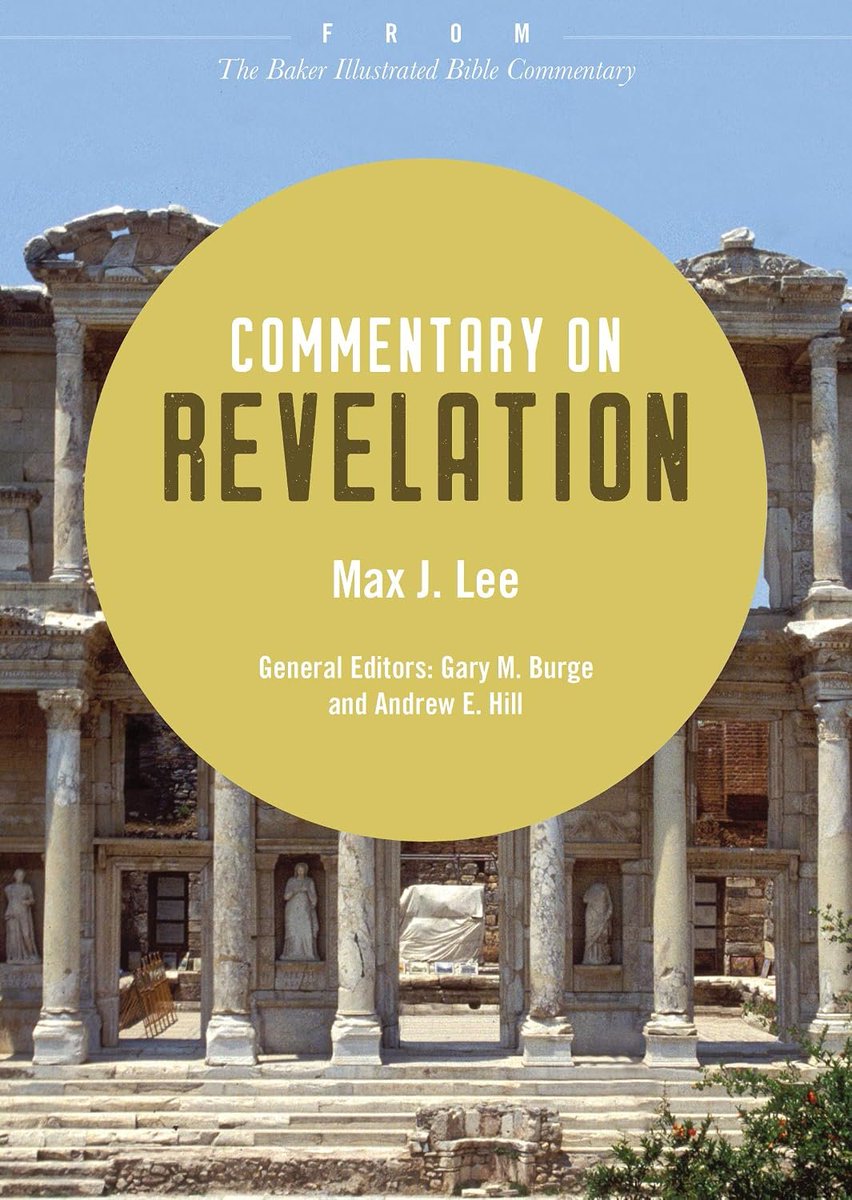
Thanks for the shout out! This was published back in 2012 and I’m still very happy with its interpretative work this day. It’s Revelation in a nutshell and my students still read sections of it for class today
Commentary on Revelation: From The Baker Illustrated Bible Commentary by @ProfMaxLee
Kindle: $2.99
purchase link: https://t.co/KQk8HfEEvT
@ReadBakerBooks
1 thing I loved abt the film: Elizabeth Marvel’s & Eve Hewson’s performances, the ways the film offers a portrait of a faith community that does not demonize doubt but embraces it as a part of what it means to be in this world. Words at @NCRonline: