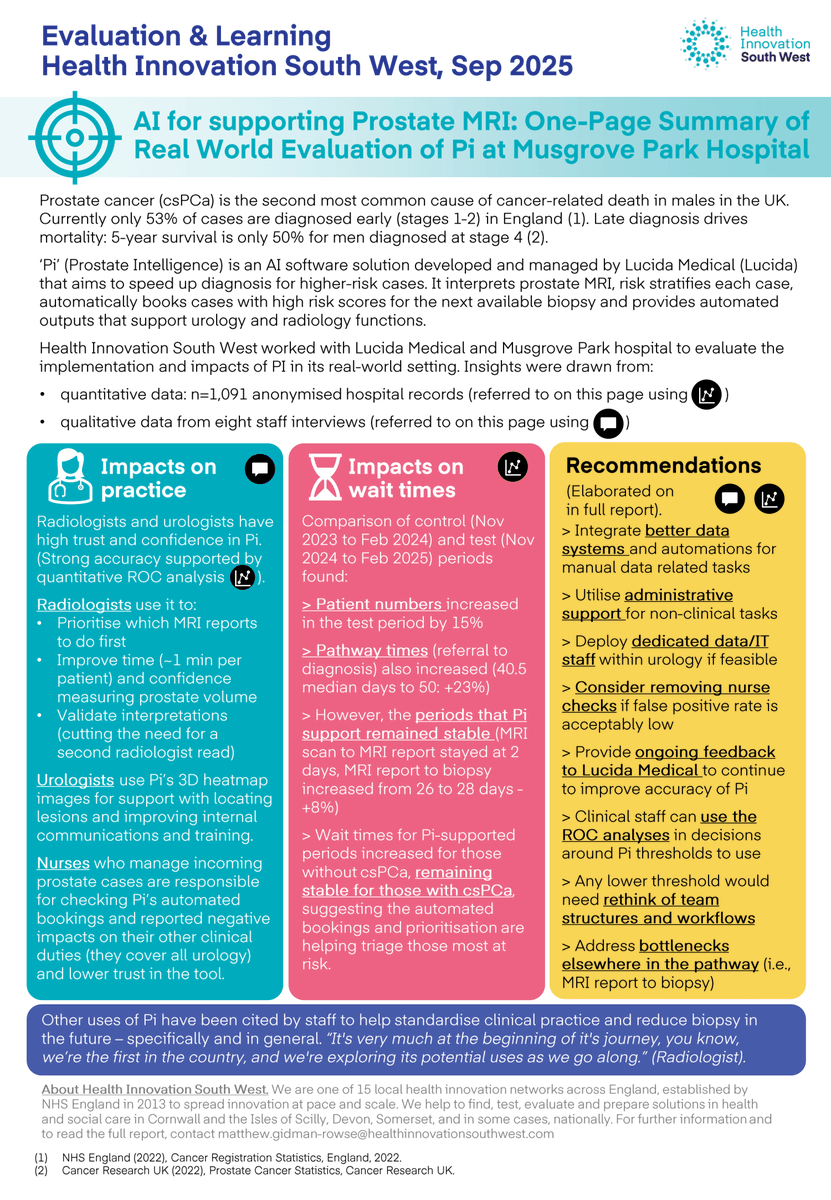
A sharper way to assess prostate cancer risk is here.
Pi™ now delivers an integrated risk score combining MRI AI, PSA and PIRADS®. Published evidence shows ~20% fewer unnecessary biopsies with maintained csPCa detection.
Full announcement: https://t.co/vZrfKcHCAc
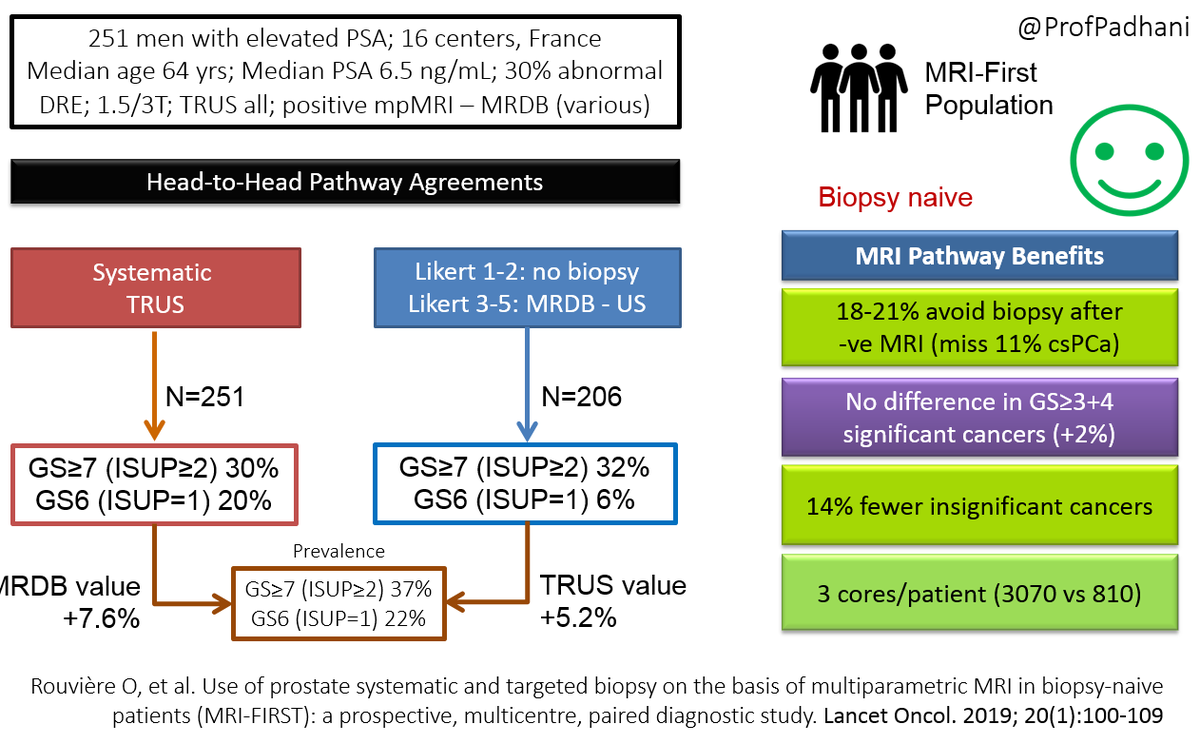
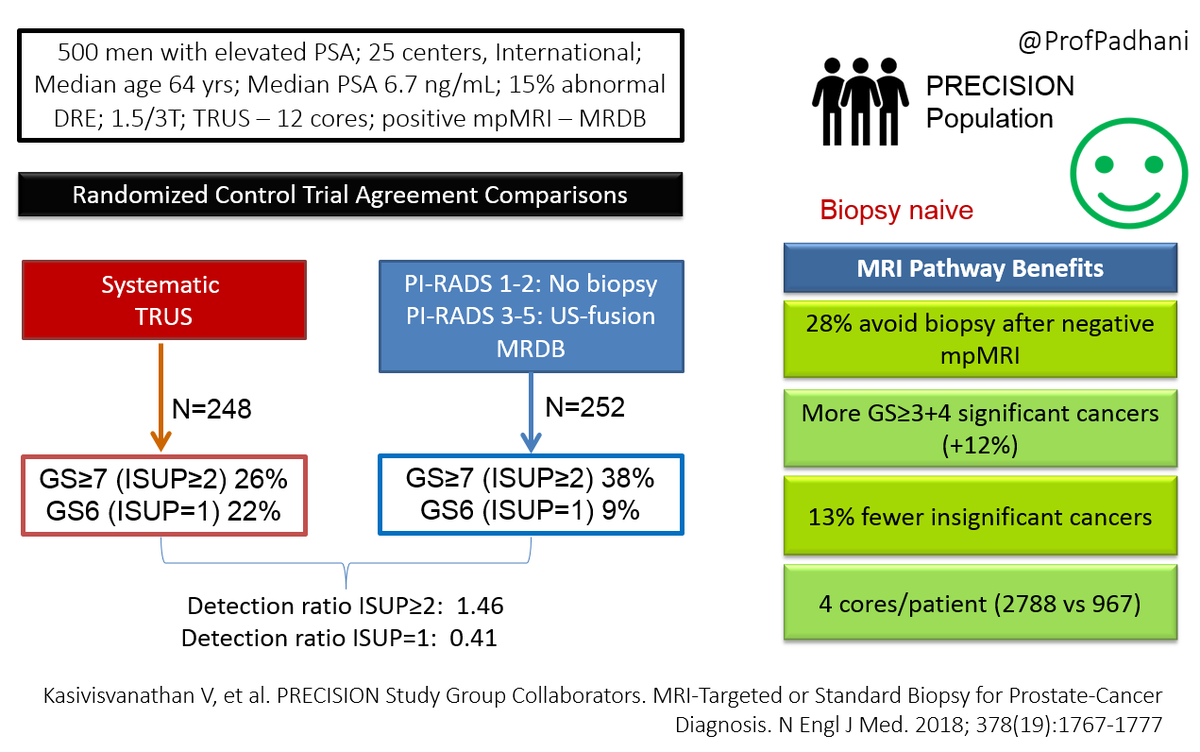
🚨 New in Eur Urol Oncol: Key Performance Metrics (KPMs) to fairly measure benefits & harms of prostate cancer diagnostics (MRI + biopsy avoidance)!
Explainer video 👇
https://t.co/lyAnW8BFRU
Full article: https://t.co/zvZ1wIeT2O
#ProstateCancer#MRI@ProfPadhani@EurUrolOncol
Because you wouldn’t let it slide… these are rolling out today for our most requested feature:
Prompt-Based Revisions: Tweak, tailor, and tune your slides just by prompting the revisions you want
PPTX Support: You can now export your Slide Decks (Google Slides coming next!)
I scraped every single NotebookLM prompt that blew up on X, Reddit, and academic corners of the internet.
Turns out most people are using NotebookLM like a fancy note-taker.
That's insane.
It's a full-blown research assistant that can compress 10 hours of analysis into 20 seconds if you feed it the right instructions.
Here's what actually works:
🚨 Special ACORE Expert Webinar 🚨
We are honored to host Prof. Anwar Padhani, one of the world’s foremost authorities in oncologic MRI.
Join us for a high-impact, must-attend session on:
Whole-body MRI in opportunistic cancer diagnosis: Dos and Don’ts
A rare opportunity to learn directly from a global leader shaping modern cancer imaging.
📅 Thursday, January 29 | ⏰ 12:00 PM CST
🎓 This is not just a webinar — it’s a masterclass.
Register here: [https://t.co/dMxgqljVHL]
#ACORE #Radiology #MRI #WholeBodyMRI #CancerImaging #OncologicImaging #RadiologyEducation #RadEdu #MedTwitter #ImagingExperts
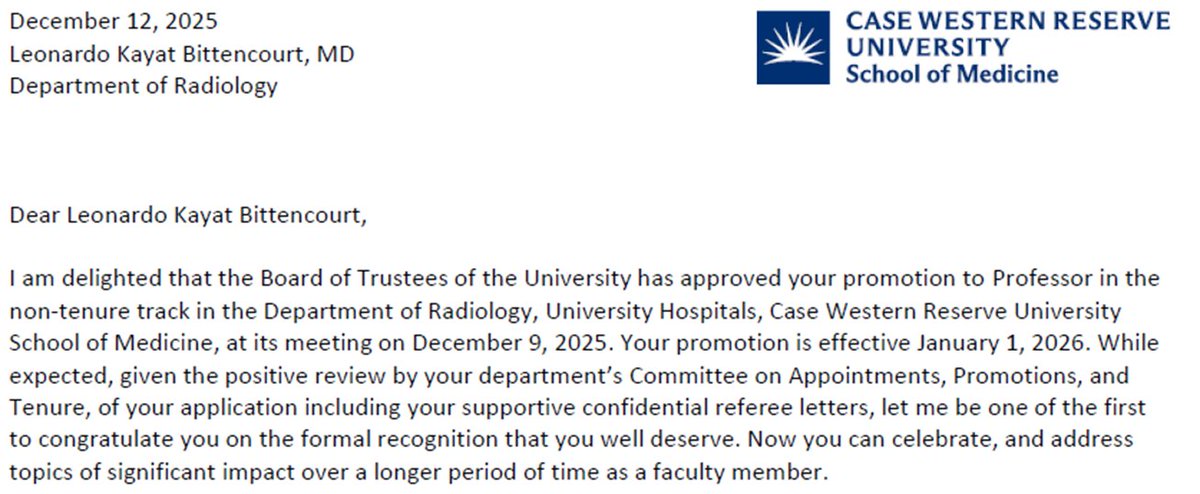
Thrilled beyond words to share that I've been informed of my promotion to Professor of Radiology! Endless gratitude to my leadership, mentors, colleagues, residents/students, family, and patients most of all.
Also, huge congratulations to amazing friends @sportsraddoc, @AmitGupta_83, and Yong Chen on their well-deserved promotions.
Onward! 🚀
@UHRadiology@UH_RadiCLE@UH_RE_Institute
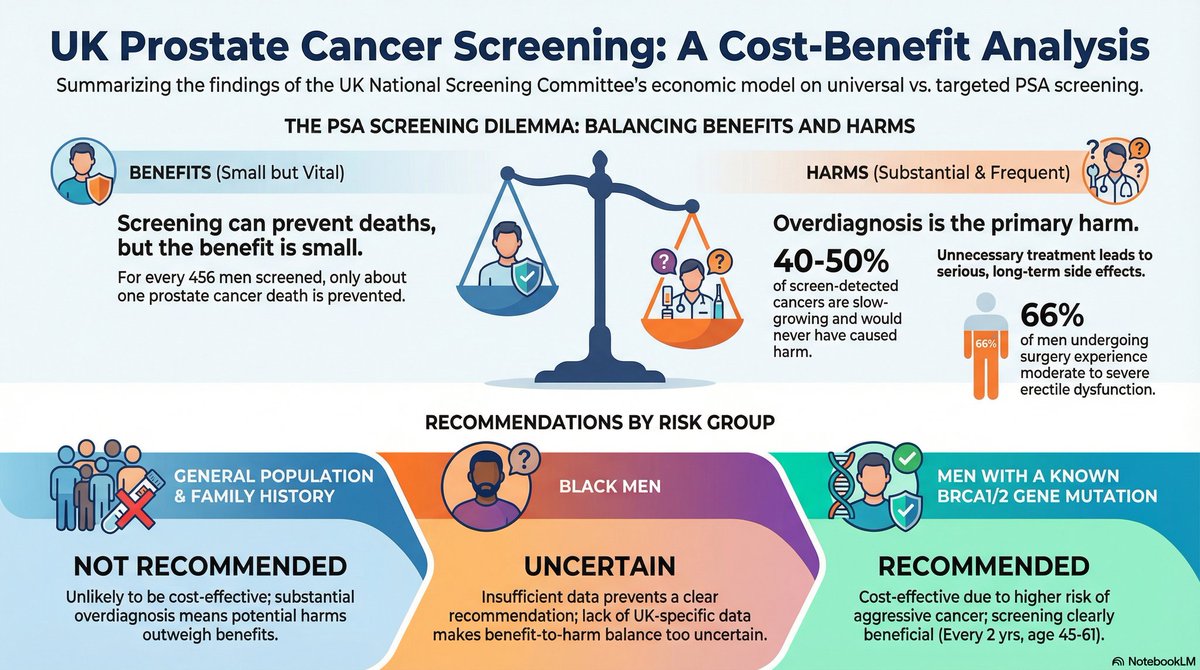
The UK National Screening Committee has decided there isn't enough evidence to recommend screening for the vast majority of men.
But it's not the end.
Our Director of Research, Dr Matthew Hobbs, explains more ⤵️
#ProstateCancer l #MensHealth l #Screening
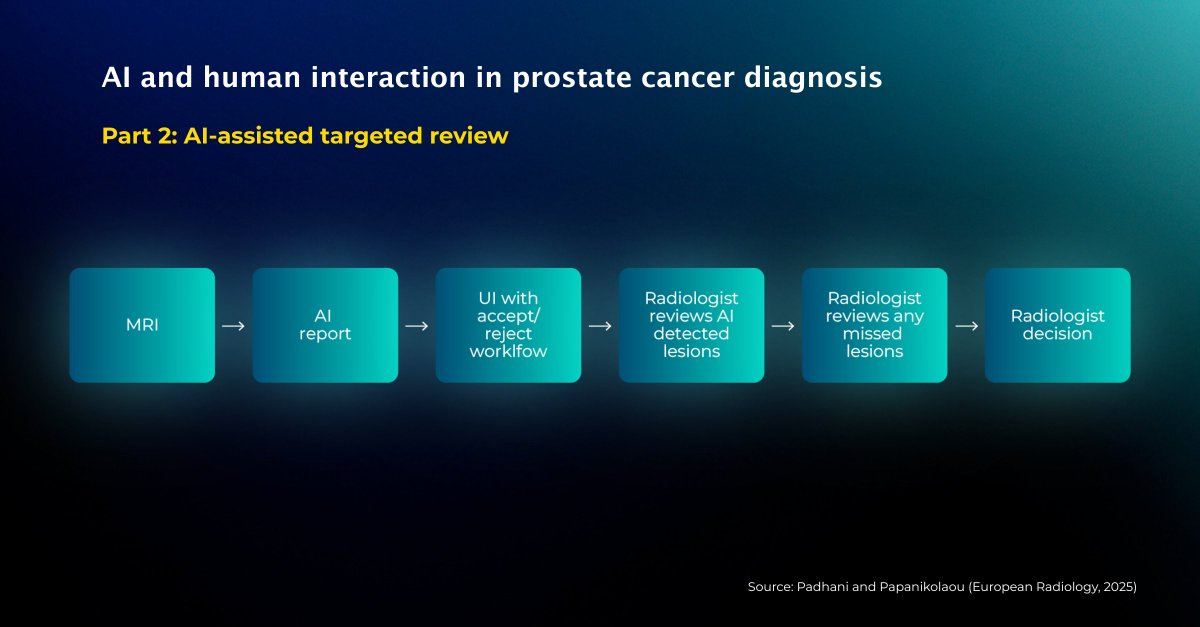
Part 2: AI-targeted review
AI flags all suspicious lesions on MRI. Radiologists verify each region and double-check negatives. This boosts detection, streamlines reporting, and reduces variability.
Full paper: https://t.co/YrYISzlbmf
@ProfPadhani
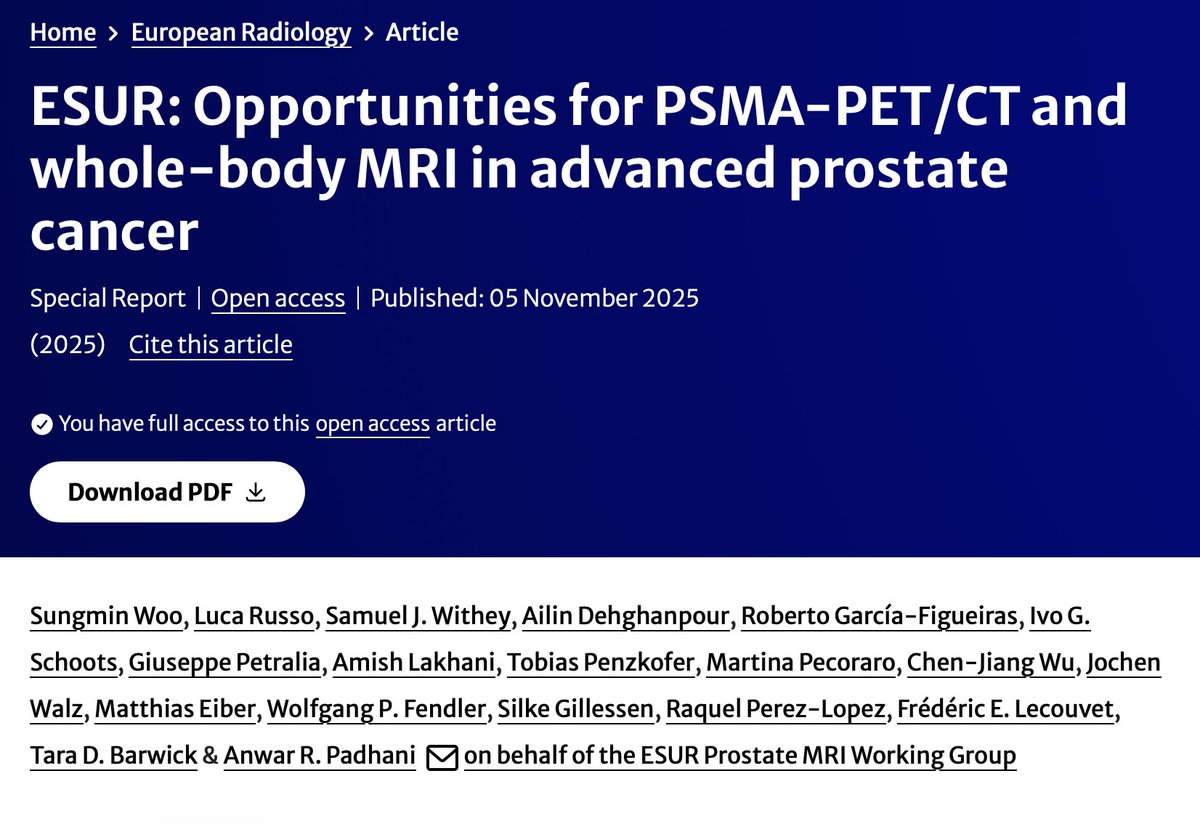
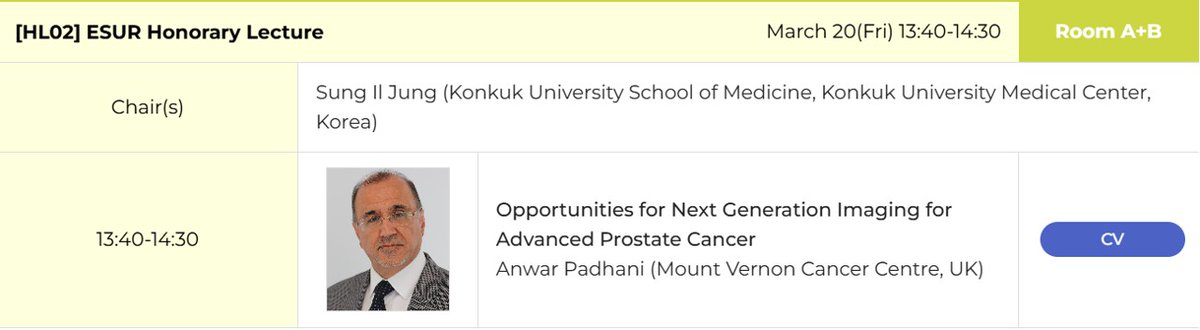
ESUR: Opportunities for PSMA-PET/CT and whole-body MRI in advanced #ProstateCancer
https://t.co/2Fqp7uDYG0
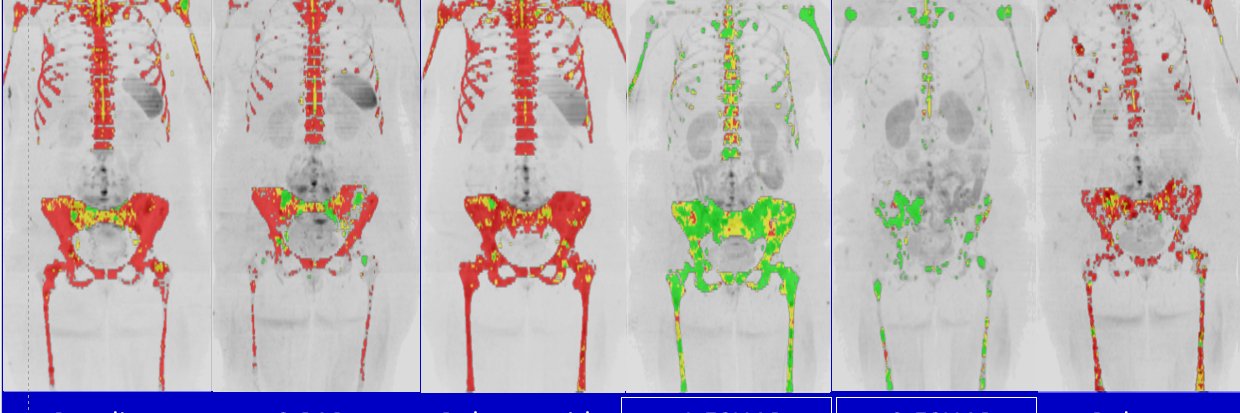
This paper discusses the emerging role of PSMA-PET/CT and whole-body MRI (WB-MRI) in prostate cancer, emphasizing their superior accuracy over conventional CT and bone scans for detecting metastatic disease. These imaging modalities not only enhance metastasis detection and staging but also support disease characterization, biopsy targeting, treatment planning, response assessment, and theranostic strategies.
While their potential to improve personalized management is clear, the authors stress that prospective clinical trials are needed to determine whether their use translates into meaningful improvements in survival or quality of life, highlighting key research questions for the field.
@swoo_rad@lrusso_md@AilinRadio@IvoSchootsNL@Dr_A_Lakhani
Tobias Penzkofer @ChariteBerlin@Mart_Pecoraro@Silke_Gillessen@RaqPerezLopez@ProfPadhani@OncoAlert 🚨
@AOmlin@nataliagandur
Want to know how men in the UK are being diagnosed and treated for prostate cancer? Latest national data out here 👇 Headlines- big upswing in diagnoses year on year, not all men getting maximal treatment and inequalities by ethnicity and deprivation
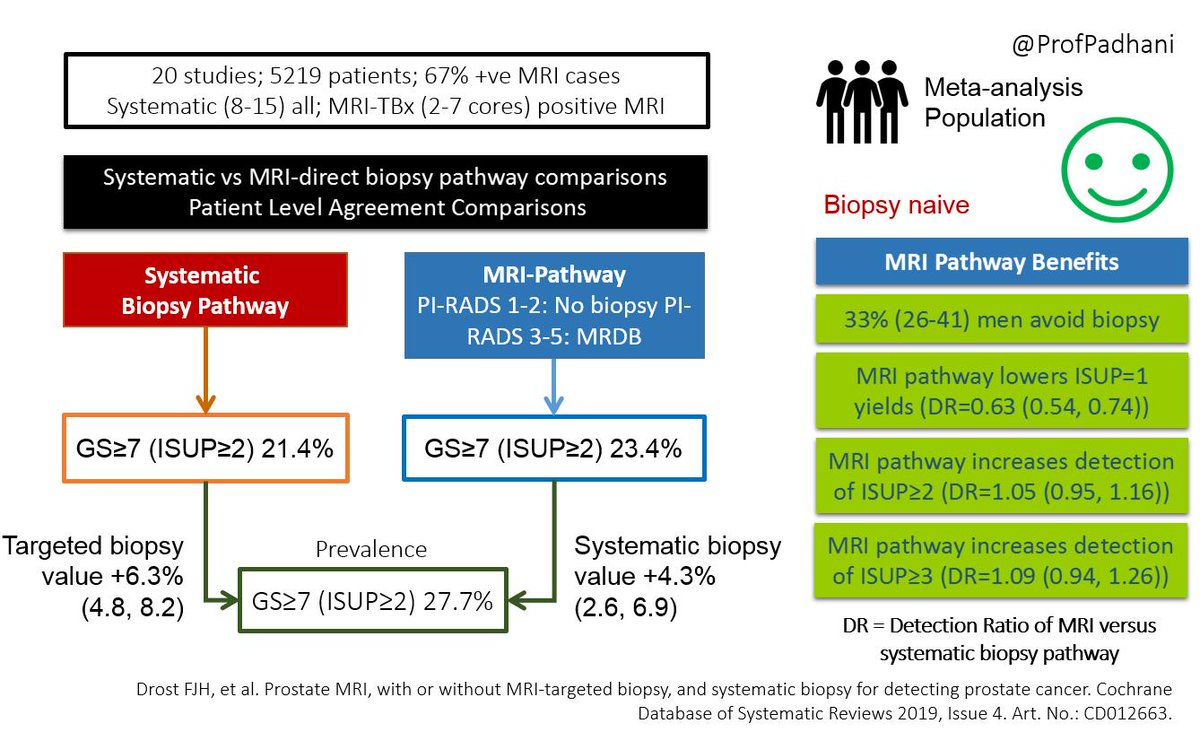
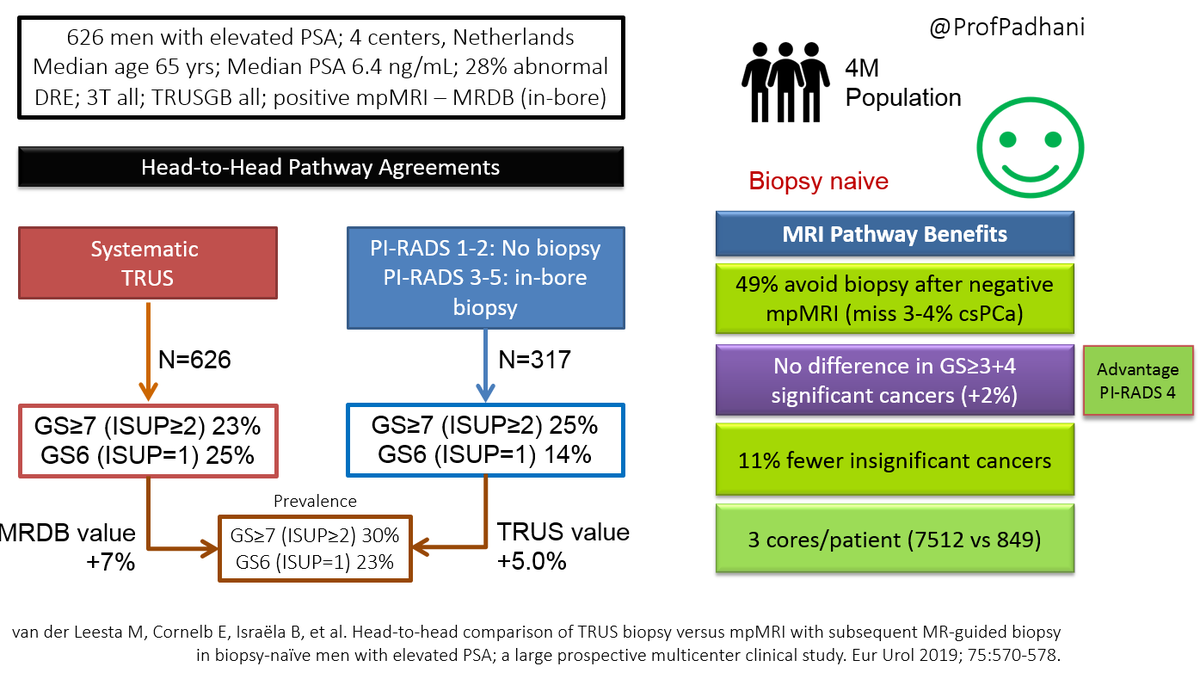
Magnetic Resonance Imaging–based Biopsy Strategies in Prostate Cancer Screening: A Systematic Review
https://t.co/nqcih8eYdU
Systematic review evaluated the benefit–harm balance of incorporating magnetic resonance imaging (MRI) into #ProstateCancer (PCa) screening as either a first-line test or a second-stage test after PSA >3 ng/ml. Across five first-line and four second-stage studies, MRI strategies were compared for cancer detection, biopsy avoidance, and histological outcomes. First-line MRI identified roughly twice as many clinically significant (GG ≥2) cancers as second-stage MRI but left a higher proportion of men MRI-negative, while second-stage MRI markedly reduced biopsy rates and increased the detection ratio of GG ≥2 versus GG 1 cancers with both targeted and systematic biopsies.
Both approaches achieved positive benefit-to-harm ratios (>1), indicating net clinical benefit, though first-line MRI needs further feasibility evaluation and standardisation of MRI interpretation and biopsy protocols is essential for consistent screening quality.
@IvoSchootsNL@LondonProstate1@albers_pa@AsbachP@roodvdb@TobiasNordstrom@ShonitP@ProfPadhani@OncoAlert 🚨
@Silke_Gillessen@AOmlin@nataliagandur@bavilima










![ACOREdu's tweet photo. 🚨 Special ACORE Expert Webinar 🚨
We are honored to host Prof. Anwar Padhani, one of the world’s foremost authorities in oncologic MRI.
Join us for a high-impact, must-attend session on:
Whole-body MRI in opportunistic cancer diagnosis: Dos and Don’ts
A rare opportunity to learn directly from a global leader shaping modern cancer imaging.
📅 Thursday, January 29 | ⏰ 12:00 PM CST
🎓 This is not just a webinar — it’s a masterclass.
Register here: [https://t.co/dMxgqljVHL]
#ACORE #Radiology #MRI #WholeBodyMRI #CancerImaging #OncologicImaging #RadiologyEducation #RadEdu #MedTwitter #ImagingExperts](https://pbs.twimg.com/media/G-31AMrawAAW-Pc.jpg)