On the third day of the #Artemis I mission and over halfway to the Moon, @NASA_Orion maneuvered its solar arrays and captured the Moon.
Flight controllers used cameras to inspect part of the crew module and European Service Module. Follow along here: https://t.co/wDLKQFkH8z
Countdown to a new star ⏳
Hidden in the neck of this “hourglass” of light are the very beginnings of a new star — a protostar. The clouds of dust and gas within this region are only visible in infrared light, the wavelengths that Webb specializes in: https://t.co/DtazblATMW
#Artemis I update: Launch is currently in an unplanned hold as the team works on an issue with engine number 3 on the @NASA_SLS core stage. Operations commentary continues at https://t.co/z1RgZwQkWS https://t.co/mFyoeRMC6q
We are ready. 🚀
The uncrewed #Artemis I mission around the Moon will pave the way for future astronauts. The Artemis Generation is about to leave its mark.
On Aug. 29, watch history with us: https://t.co/Dx9WUCnnBS
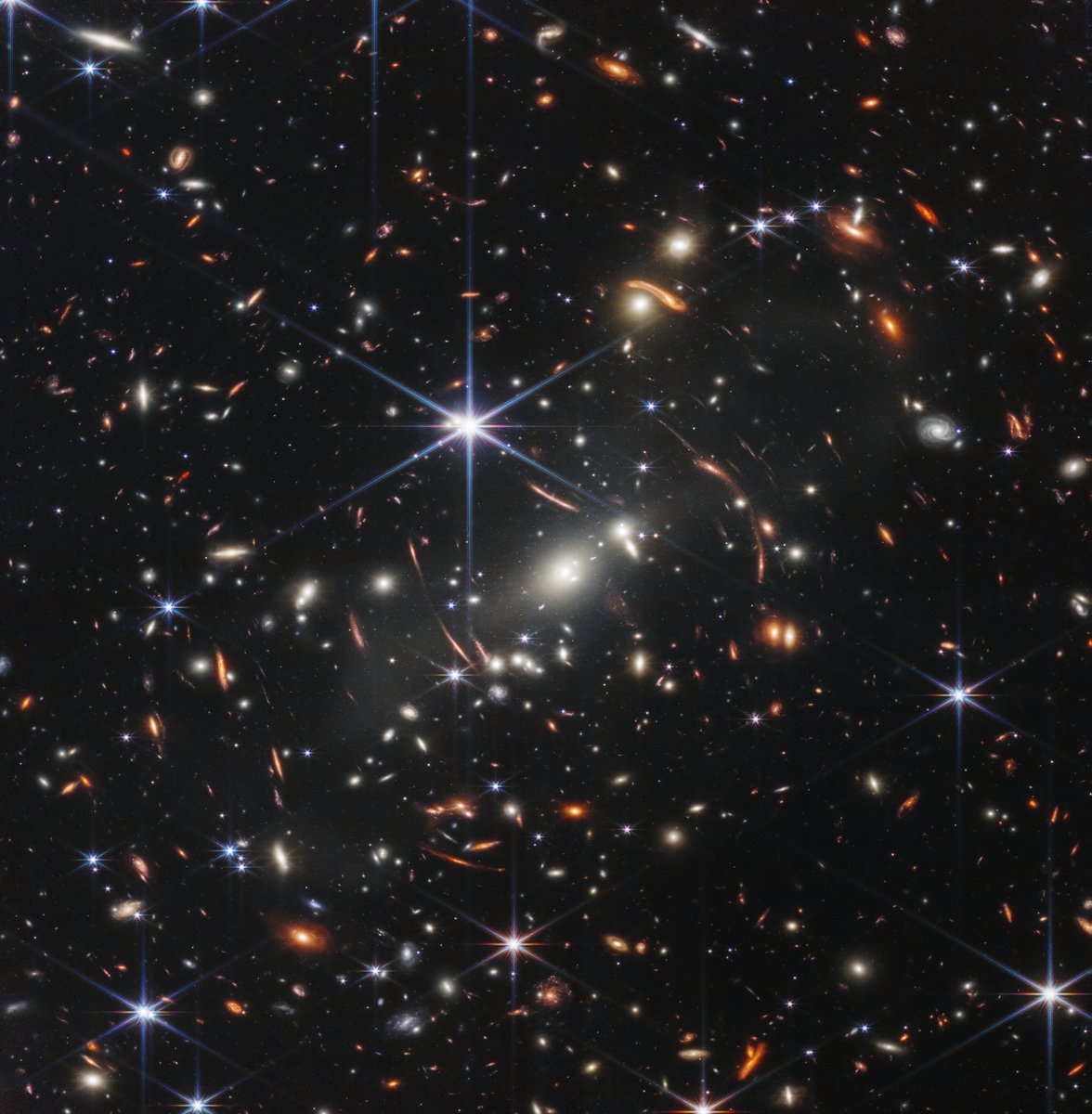
It's here–the deepest, sharpest infrared view of the universe to date: Webb's First Deep Field.
Previewed by @POTUS on July 11, it shows galaxies once invisible to us. The full set of @NASAWebb's first full-color images & data will be revealed July 12: https://t.co/63zxpNDi4I
I’m very proud to share this piece that Braiya White and I wrote for the #FutureofEP compendium. It’s part of a collaborative work to define a vision for the future of environmental peacebuilding. You can find our piece online here: https://t.co/ipd6Gyo1rB
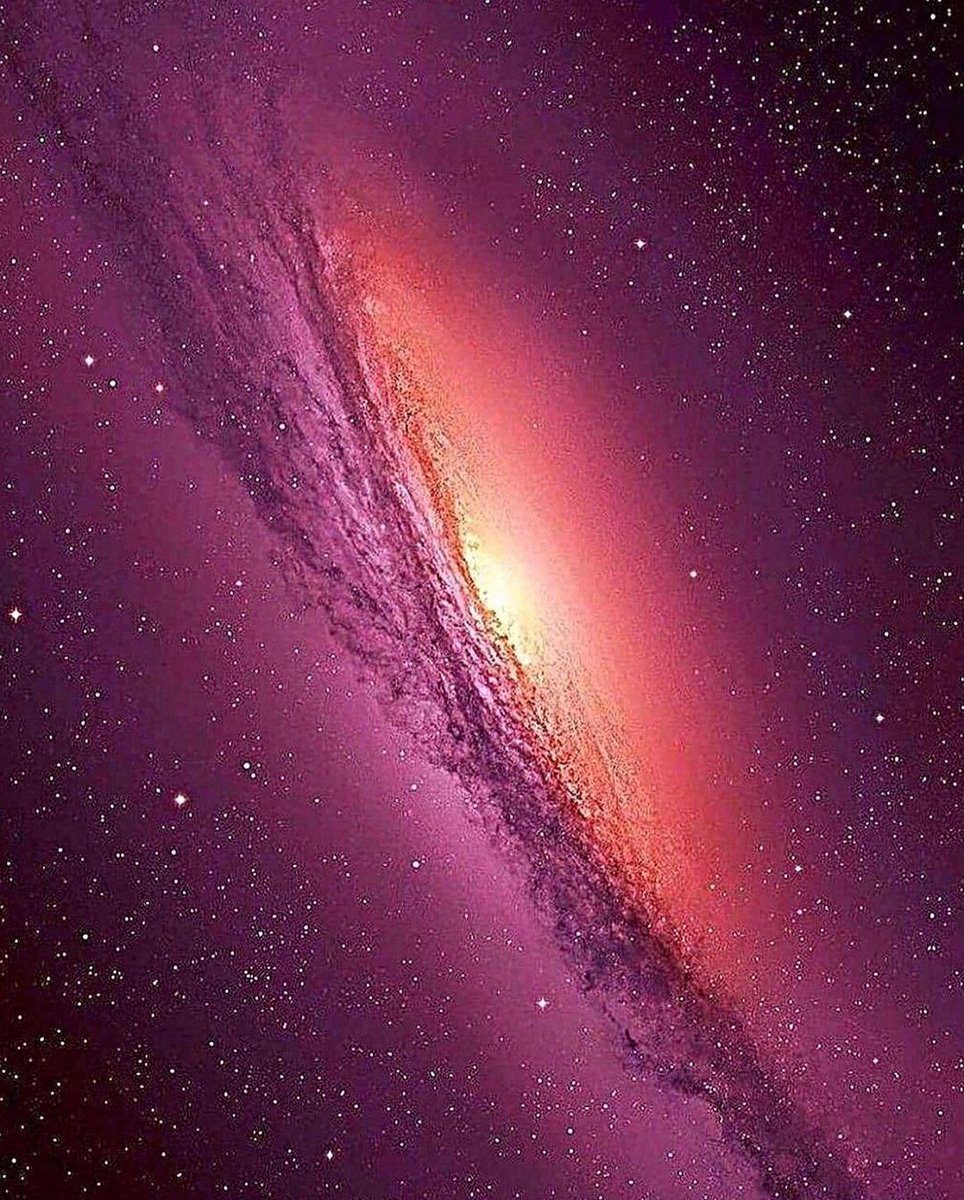
How does a galaxy evolve into a starry spiral?
With the help of data from Hubble, scientists used a supercomputer to simulate a galaxy like our own Milky Way in the early stages of a collision with another smaller galaxy.
What they found: https://t.co/4UNlcmy8fv