El actor k0t expone +70k credenciales en firewalls Fortinet y Palo Alto. Investigadores de Group-IB y NyxLab revelan la campaña: usa utilidades legítimas para exfiltrar datos. Ojo al ataque indiscriminado.
https://t.co/6RoxQoR8sn
Microsoft alerta de la suplantación de LiteLLM v1.107.0 en PyPI. El paquete malicioso roba credenciales vía hooks de inicio de Python. Un riesgo crítico para desarrolladores y entornos IA. Revisa tus dependencias.
https://t.co/iGAcU1Deoz
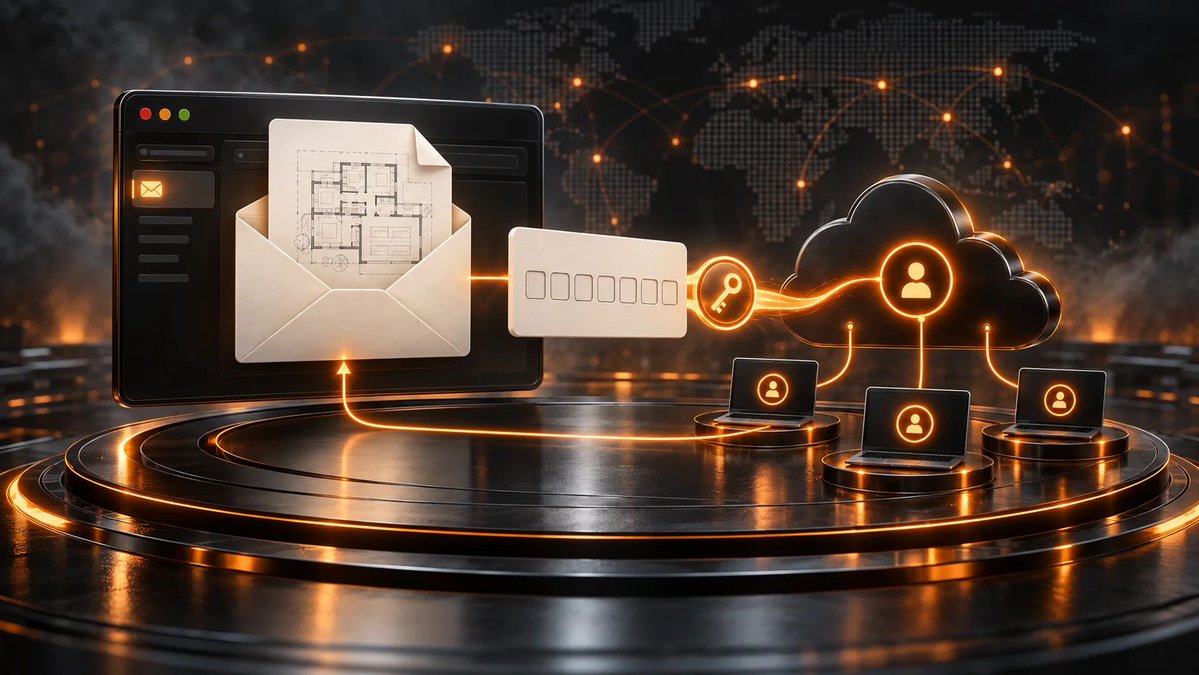
Abnormal Security rastrea a PHISHLETS: su kit KeyStealth ($10k) usa phishing de código de dispositivo para crear dispositivos rogue en Entra. Un actor mantuvo acceso 7 semanas y secuestró correos. Toca blindar la identidad.
https://t.co/xcALgy48U3
Google protege a usuarios de Chrome contra ataques ClickFix: detecta comandos maliciosos copiados al portapapeles. Los atacantes engañan para ejecutar código en terminal y instalar malware. Activo con Protección Mejorada.
https://t.co/BtDcLR7AEJ
El grupo n0n ataca a +40 navieras vía CyberLogitec, exigiendo $1.2B. Afecta a 18 países. Uno de los mayores ataques al sector marítimo desde NotPetya.
https://t.co/LNKynbKBKN
Unit 42 alerta: los atacantes roban tokens OAuth para saltarse MFA y mantener acceso duradero. Usan PhaaS e IA para impersonar marcas. Revisa permisos de apps en tu entorno.
https://t.co/2fHsqCIUxD
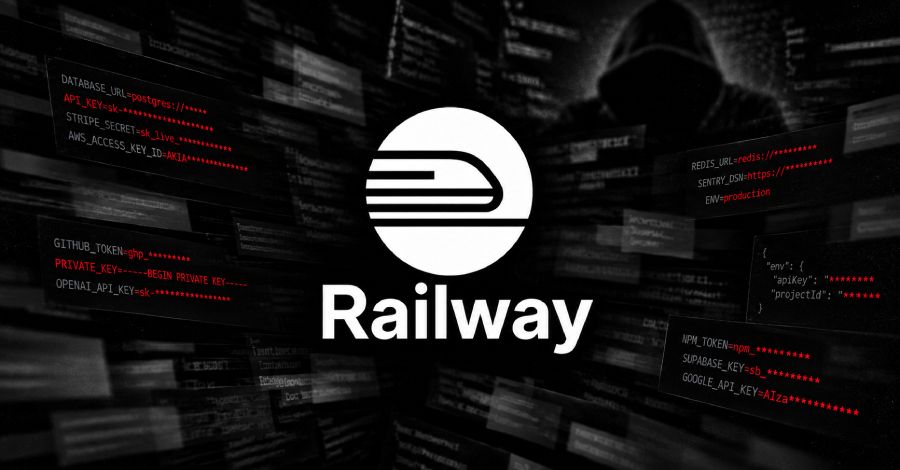
Railway confirma que un actor (0xd9...) accedió a variables de entorno, rolando claves API y drenando cripto. El impacto afecta a un subconjunto de usuarios. La empresa recomienda rotar credenciales urgentemente.
https://t.co/9EQZ5quLC5
Huntress rastrea una campaña de 10 semanas en M365. Usan AiTM, replay de tokens y reglas ocultas para robar cuentas. Toca revisar la telemetría de identidad.
https://t.co/kF1dHCj3JO
Rapid7 alerta: explotan fallos críticos en 3 días. El sector público es objetivo creciente de ransomware (The Gentiman, Qilin). Ojo con la exposición.
https://t.co/CbQiVYVFa6
Investigadores revelan que la CA eMudhra emitió 8 certificados con claves privadas tan débiles (valores <256) que cualquiera puede forjarlos. Browsers bloquean estos fallos críticos. Revisa tu infraestructura.
https://t.co/qIRFxDO7ki
Microsoft atribuye a Storm-0940 (China) el ataque a ConnectWise. Usó ARTEX, IA ofensiva, para automatizar ataques a cientos de organizaciones desde sept. 2026. Toca revisar OAuth y M365.
https://t.co/LRa8fSZzB2
Push Security alerta: el 67% de sus detecciones en agosto usaron ClickFix. Criminals usan falsos instaladores de IA y SEO poisoning para engañar. Toca vigilar búsquedas y redes, no solo email.
https://t.co/PugF2Lq0iK
NIST, CISA y NSA comparten 10 prácticas voluntarias para gestionar incidentes con agentes de IA descontrolados. Un enfoque clave: inventarios de activos, control de privilegios y detección continua. ¡Ojo a la nueva realidad!
https://t.co/u1aSlOLlYF
El FBI y agencias de UK/Alemania alertan: SafePay ha comprometido a +600 organizaciones desde ago.24. Usan phishing, fuerza bruta y CVEs (ej. CVE-2024-40711) para robar datos y exigir rescate. Toca endurecer accesos y parchear.
https://t.co/OJfI1SSIql
The Record: La CDE advierte que ETS sufrió una brecha de datos masiva. Hackers robaron info de +5,7M alumnos californianos (2013-actualidad) vía SFTP. Impacto directo en la privacidad estudiantil.
https://t.co/1TJRocbTCq
La NCA alerta: el 20% de niños (10-16 años) cometen delitos informáticos. Desde DDoS hasta uso indebido de tarjetas. Consecuencias graves: antecedentes, expulsión escolar y limitación laboral. Guía 'Cyber Choices' para orientar habilidades digitales…
https://t.co/O1z9sPgSme
Symantec rastrea a APT28 atacando a una astillera de la OTAN. El grupo ruso usa HOOKEDGE y un loader nuevo para robar credenciales y abrir túneles SSH tras spear-phishing.
https://t.co/tbdN9MoPSF
OVHcloud alerta: atacantes secuestraron un repo GitHub para inyectar malware en su CLI (v0.11-15). El objetivo: robar secretos de desarrolladores. Actualiza ya o desinstala la versión comprometida.
https://t.co/iGzekYCve9
FBI y Jordan detienen a 'Rey', líder de ShinyHunters. El grupo extorsionó +$70M este año y robó datos sensibles del FBI. Un ejecutivo ayudó a operar su sitio. Lección: vigilad intermediarios.
https://t.co/GdWqNIG4G0