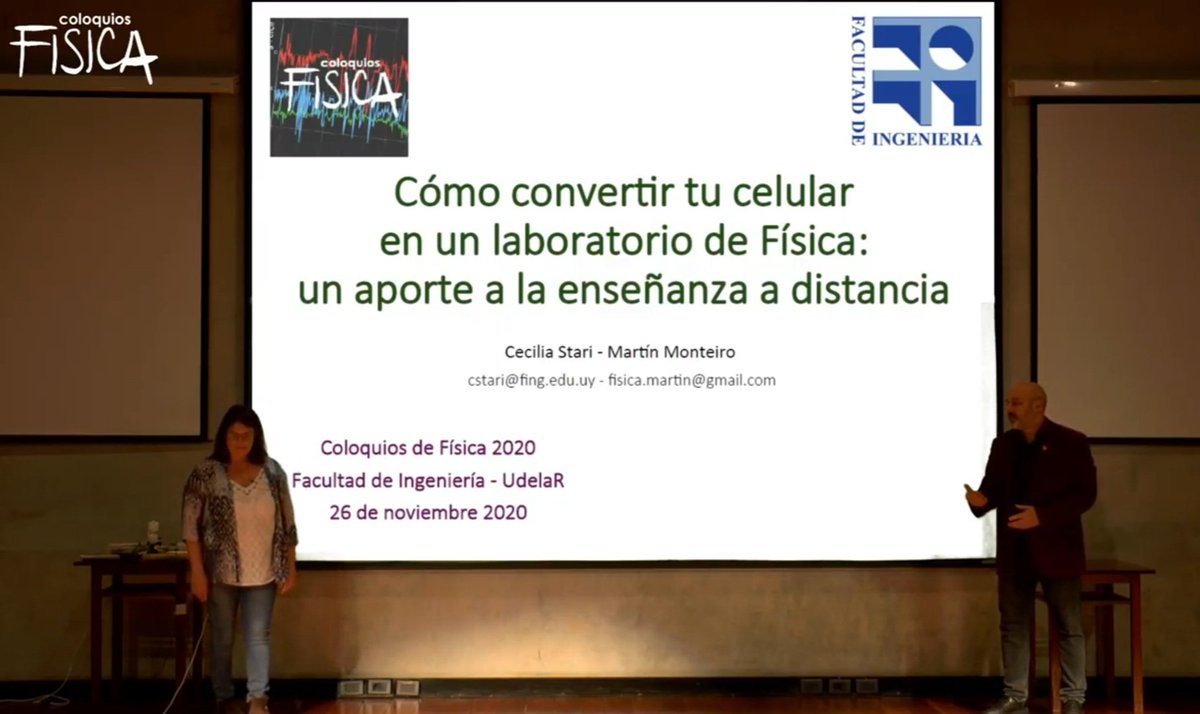
"Cómo convertir tu celular en un laboratorio de Física. Un aporte para la enseñanza a distancia", con Cecilia Stari.
Coloquio de Física en Auditorio de la Facultad de Ingeniería. Facultad de Ingeniería - Udelar
Me acaban de informar que se reimprime “Mi primer libro del Sol” Me hace mucha ilusión que muchas niñas y niños puedan leerlo en este fin de año y usar las gafas que incluye para hacer observación solar #RegalarConAlegría
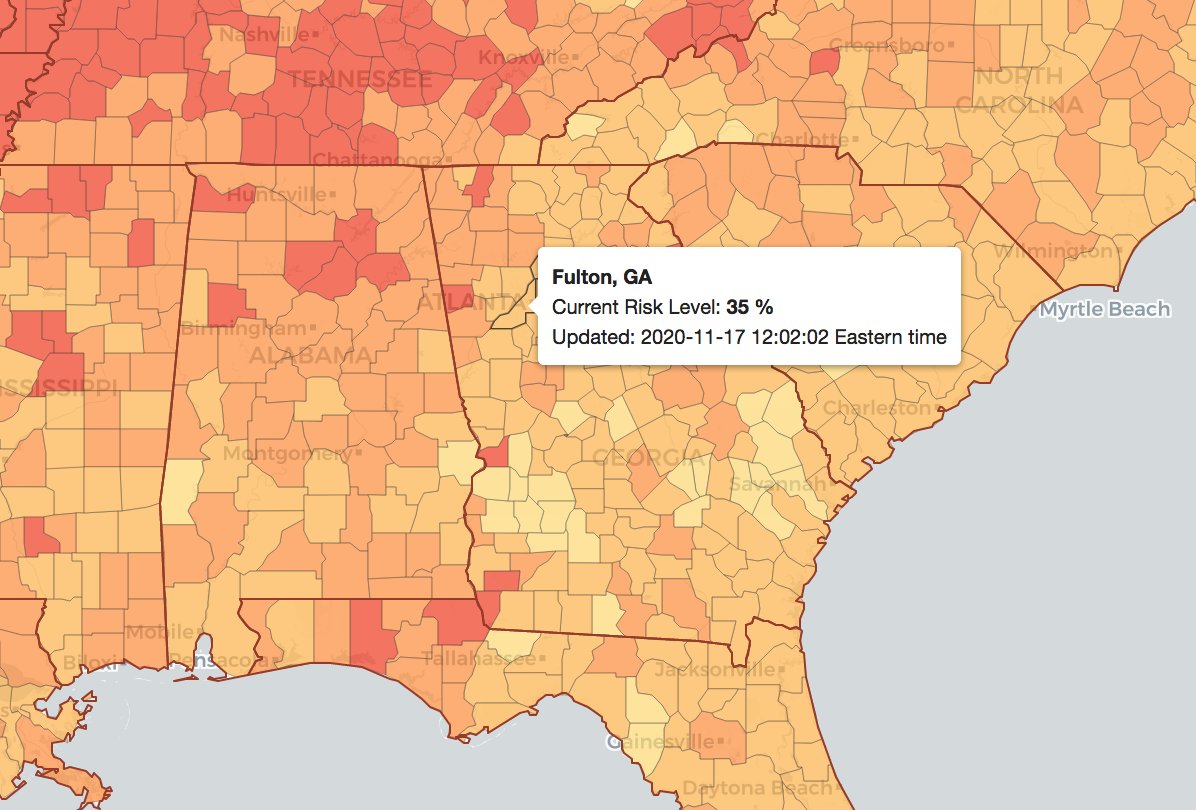
This interactive tool made at Georgia Tech can help you plan for your Covid-19 risk this holiday season. Choose any county in America and an event size and see the chances that at least one Covid-19 positive individual will be present. ➡️ https://t.co/YWLEc0V6ql
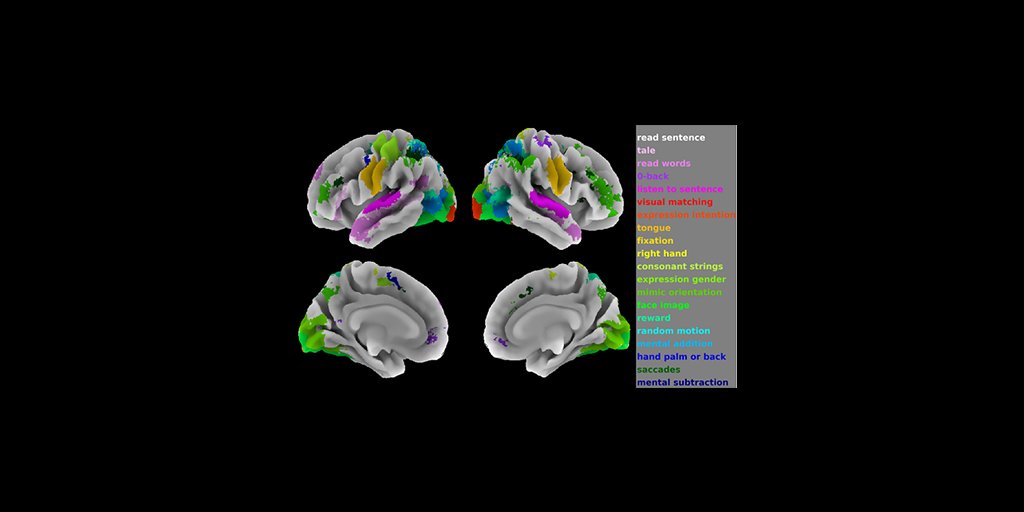
Analysis of multitask functional MRI data for the establishment of a neurocognitive atlas of the human #brain
"These results show that the use of rich task #data sets is necessary in studies of #cognitive mapping."
➡️ Read more: https://t.co/obSUiO7GcW
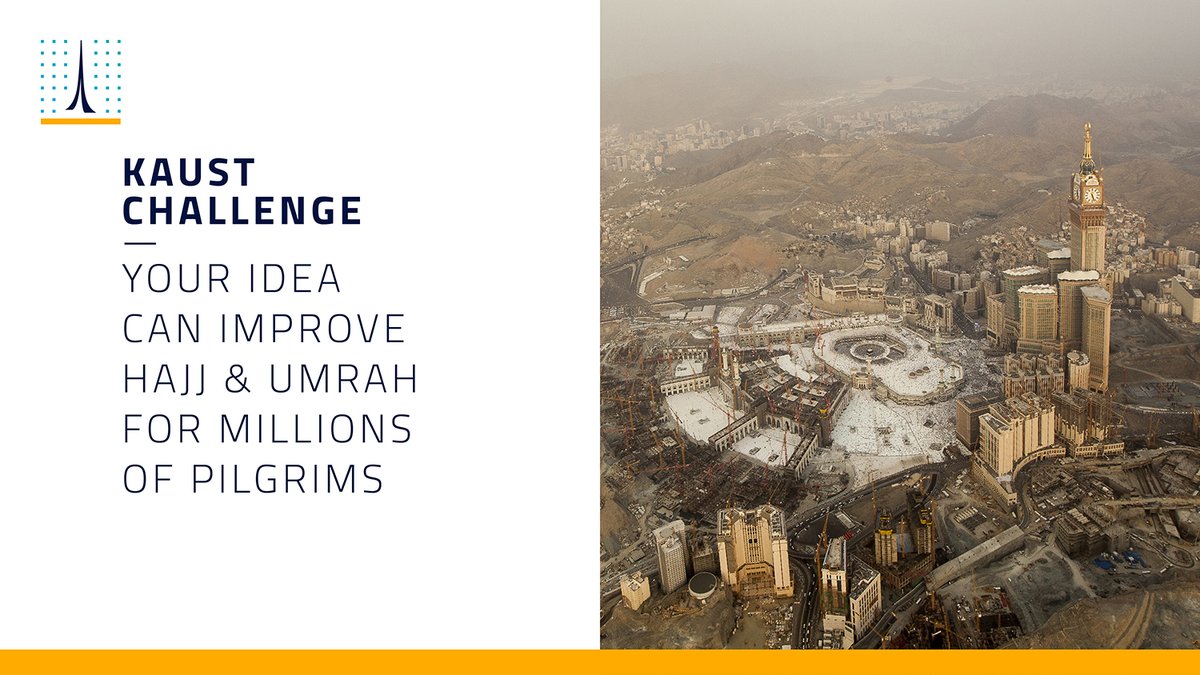
KAUST Challenge – Ideas & Solutions for Hajj & Umrah Submissions is officially open! Submit your KAUST Challenge ideas and solutions online and stand a chance to win SAR 1,000,000 (US$ 260,000) in cash and other prizes: https://t.co/SvOSADCM38
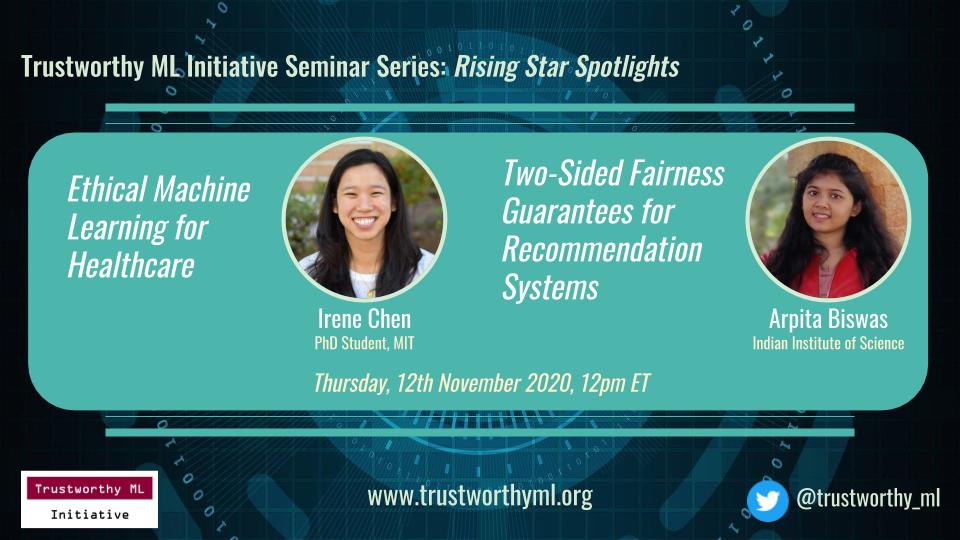
1/ 📢 Next up in our seminar series: our inaugural Rising Star Spotlight talks ⭐⭐⭐on Thurs Nov 12, featuring Irene Chen @irenetrampoline and Arpita Biswas. One of the goals of our initiative is to highlight early career researchers; we are so excited to showcase their work!
Live in 2 days! Join us for “Landing an ML Job” - an online expert panel in partnership with @workera_. Discover the hiring secrets of technical recruiters from Pinterest, Grammarly, Scale AI, and Upstart.
Sign-up: https://t.co/exBEHHBeF2
Date: October 15
Time: 10 to 11am PDT
NEWS: We’re now targeting 2:40am ET Saturday, Oct. 31, for the launch of the @NASA and @SpaceX Crew-1 mission to send astronauts to the @Space_Station. Here is the latest #LaunchAmerica update: https://t.co/UXtCHLq247
Are you curious about our new research infrastructure, EBRAINS?
Make sure to register for the #BernsteinConference so that you can learn all about the cutting-edge tools and services on offer!
➡️ Register here: https://t.co/VLe7It7vTK
➡️ Find out more: https://t.co/sdyvFnNKfP
The 5th HBP Student Conference is taking place virtually from 1 - 4 February 2021!
The conference provides an open forum for the exchange of #ideas among early career researchers working across various #sciences relevant to the HBP.
➡️ Find out more: https://t.co/eKGujZppOD
Weird enough, I now have over 2^10 followers here on Twitter despite writing almost exclusively about t-SNE ;-)
So here is a ❤️-shaped t-SNE embedding of MNIST. Can you guess how I made it? Explanation tomorrow.
Calling all kids interested in #neuroscience!
How much do you know about the #brain? 🧠 Test your knowledge with our quiz at the virtual #ScienceIsWonderful exhibition at #RIDaysEU!
➡️ Take the quiz: https://t.co/GLJUlYAAtG
➡️ Find out more: https://t.co/BqQQtAnjxw
How do you skim a research paper?
I usually read (in order):
1) abstract
2) 1st paragraph of the intro
3) last paragraph of intro (for contributions)
4) 1st paragraph of the conclusion (it's usually one paragraph anyways)
5) figures / tables of results, and read their captions.
@hardmaru Nice!
I do a 5min read with:
1) Abstract
2) Figures & Tables (+ Captions)
3) Conclusion
If the paper turns out relevant to my work (~30min):
4) Main novelty section (usually part II)
If further interest or attempt a reimplementation, then full paper and code.. (~0.5-14 days)