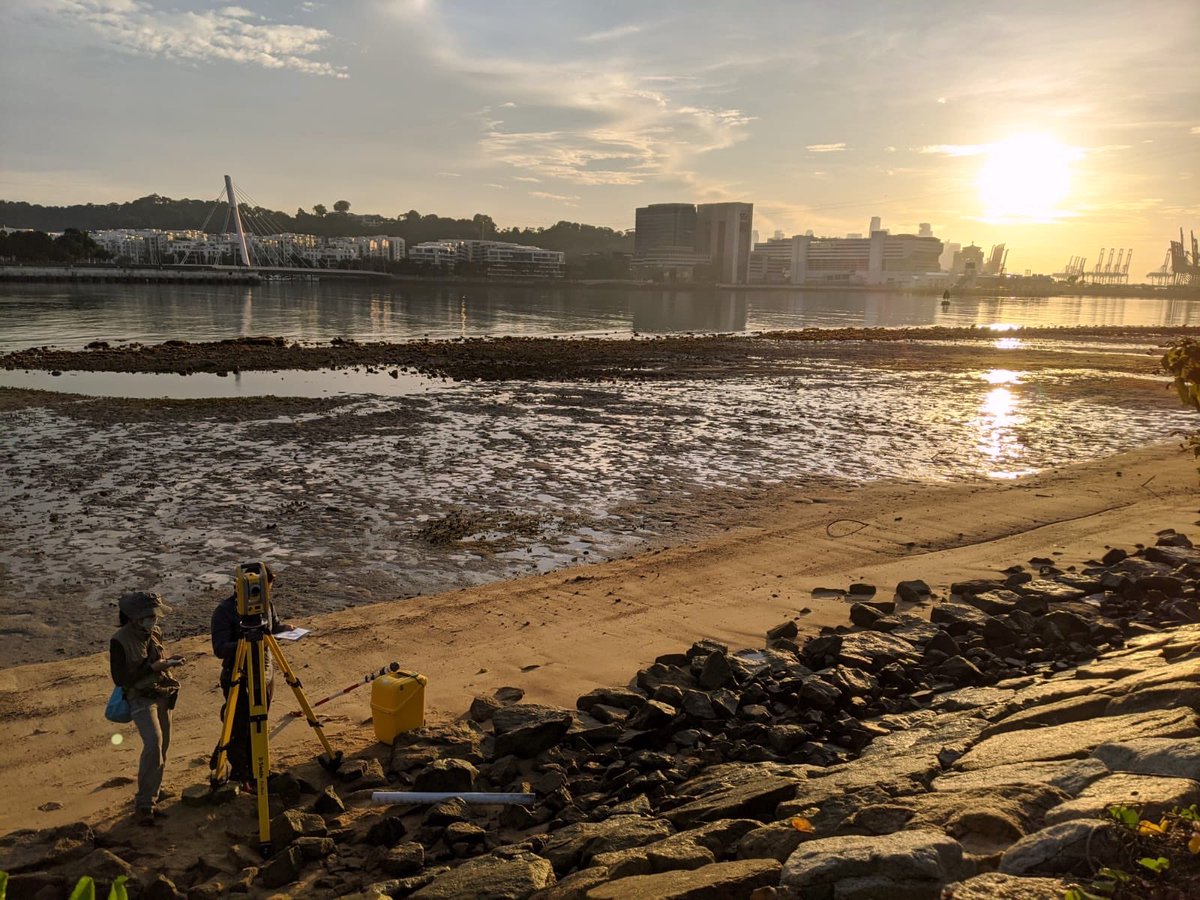
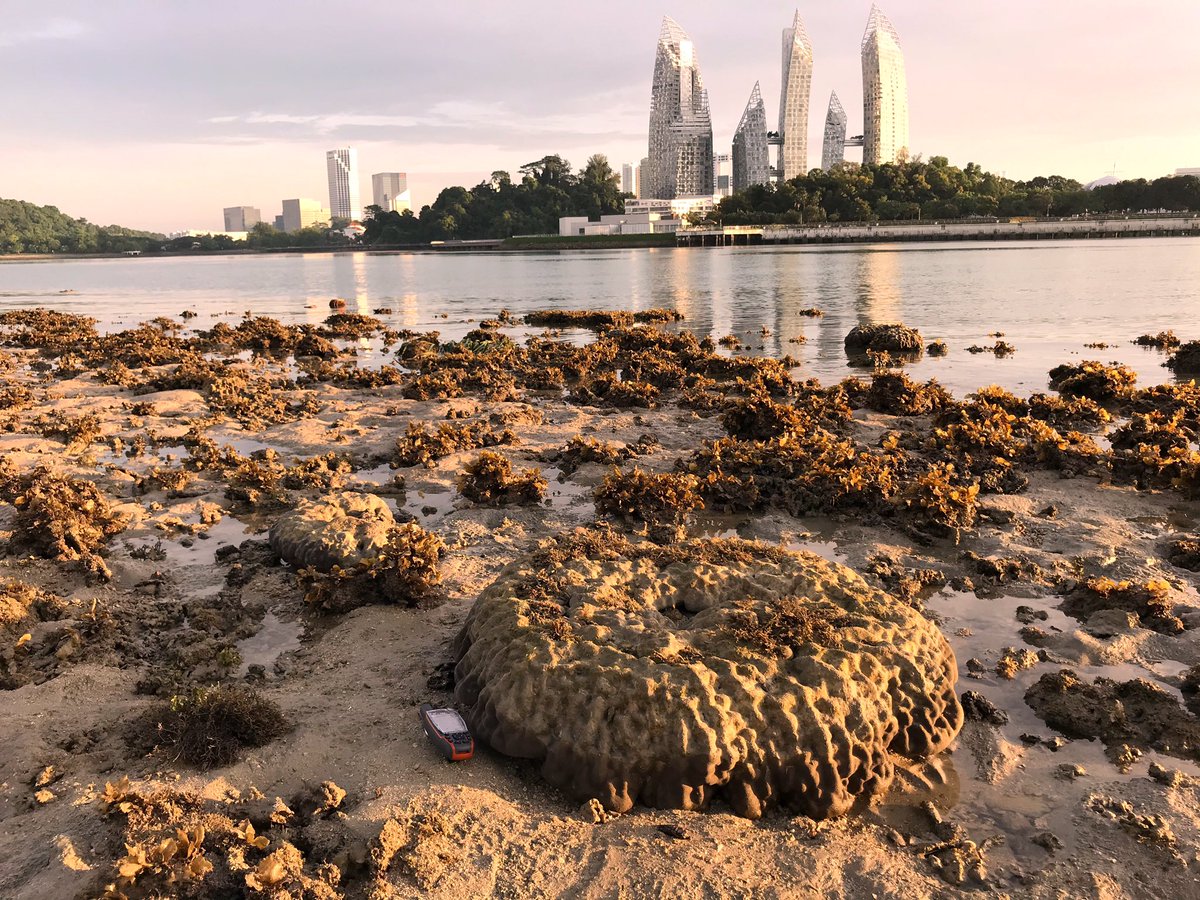
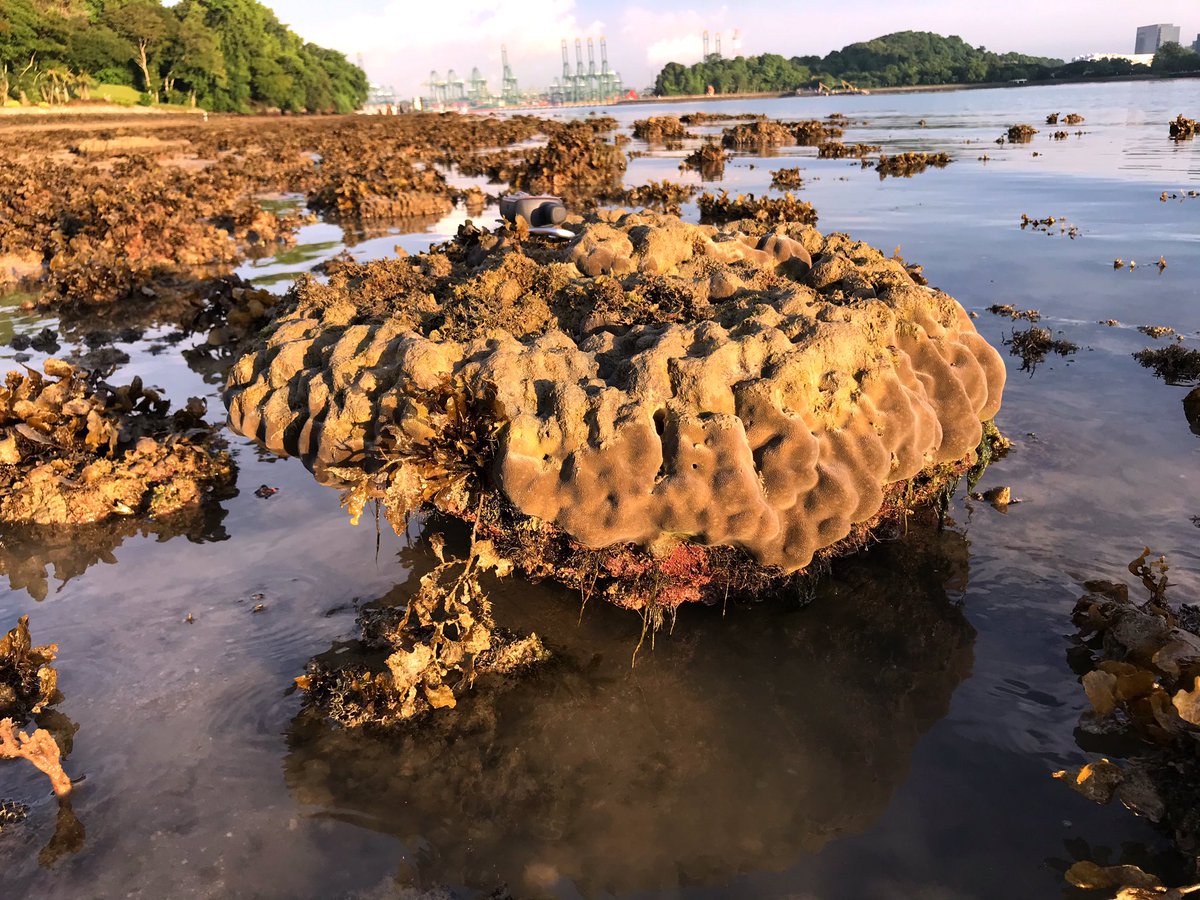
Today we published again in Nature Geoscience! @EOS_SG PhD student Rishav Mallick argued that the only plausible interpretation of our Simeulue corals is a 32-year slow-slip event — the longest ever recorded! https://t.co/J7zf8FyNPL
It's been a busy month publishing in Nature Geoscience! This little criticism came out a couple weeks ago. We highlight the potential for misinterpreting the coral record if observations aren't made and documented carefully. https://t.co/0GMyj0lTY2
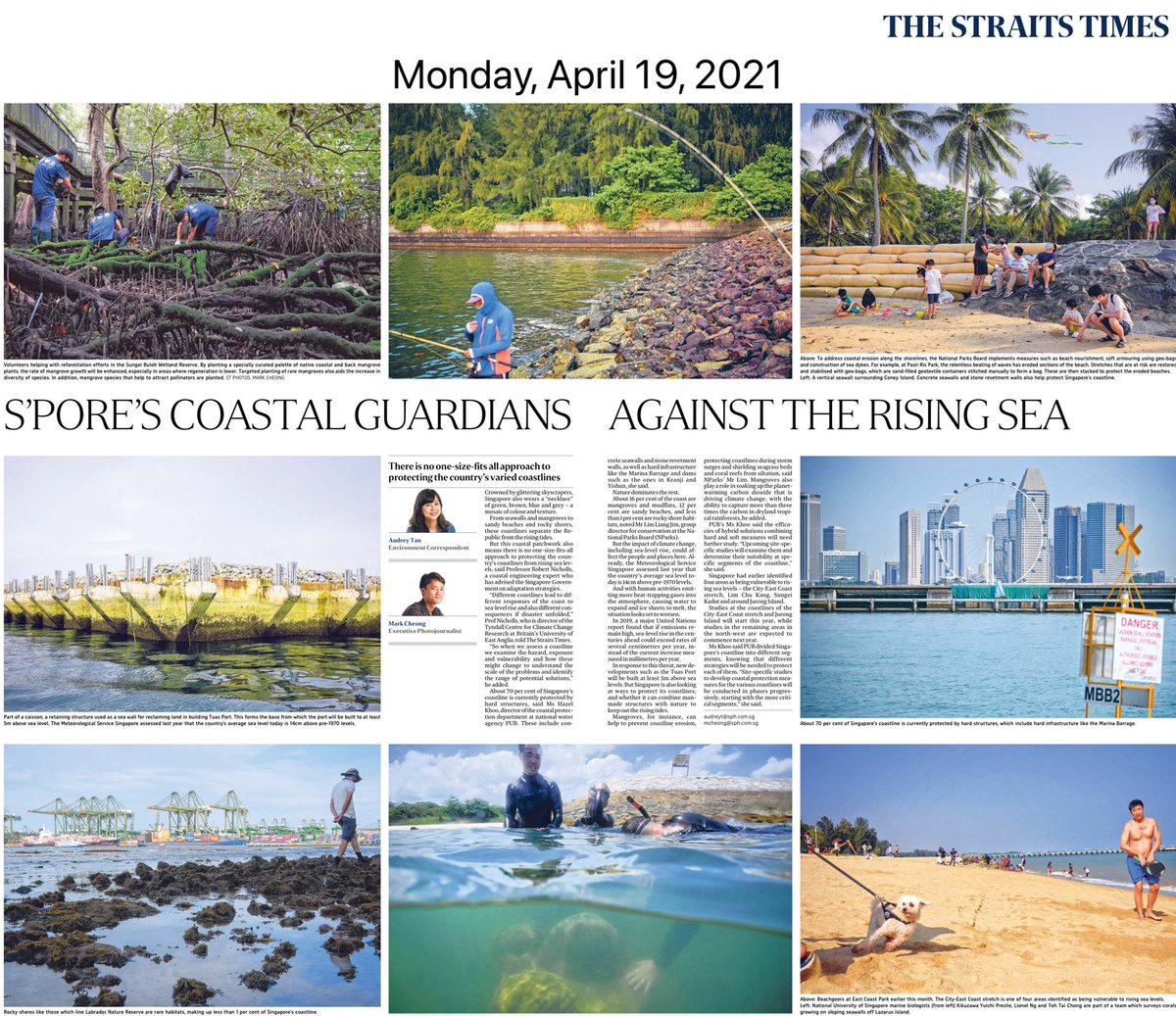
Seawalls/ hard structures:70%
Mangrove/mudflat:16%
Sandy beaches:12%
Rocky shores:1%
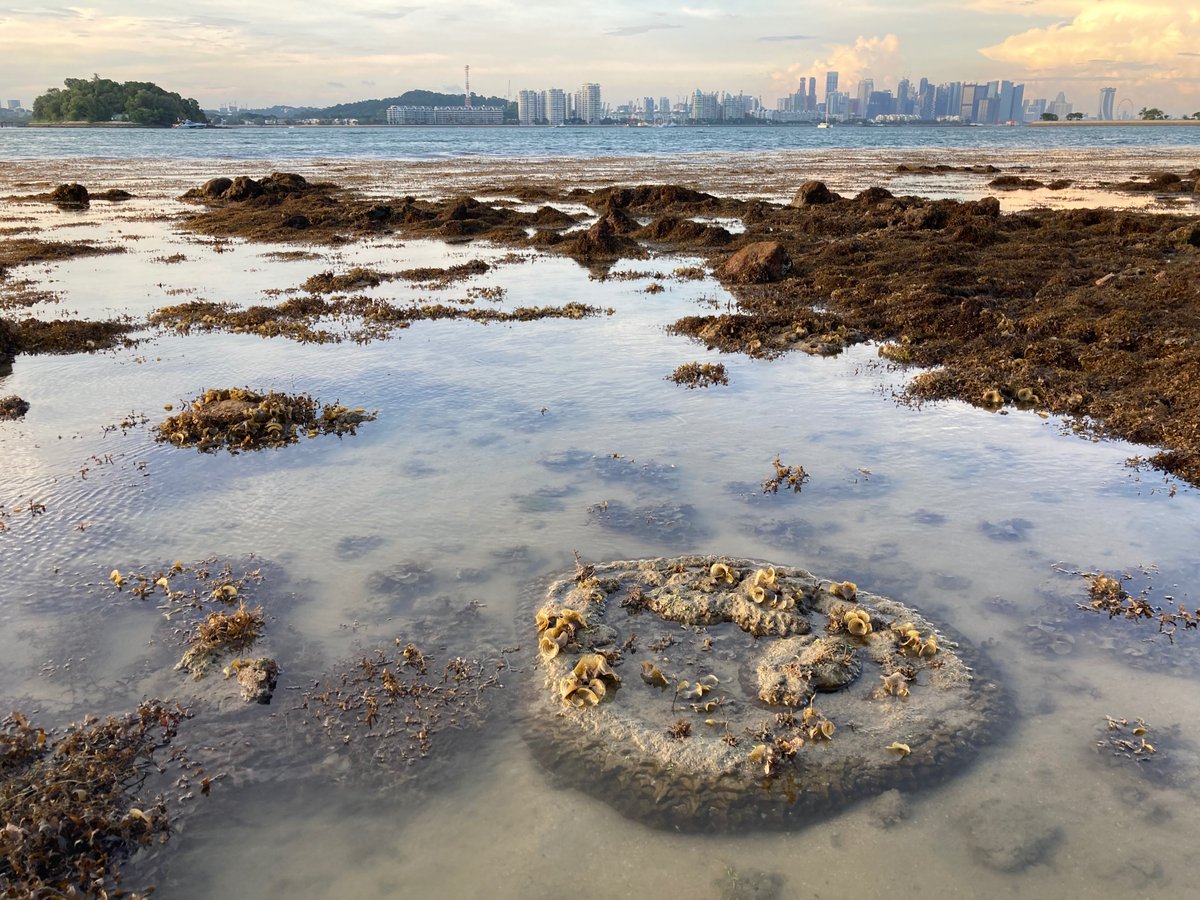
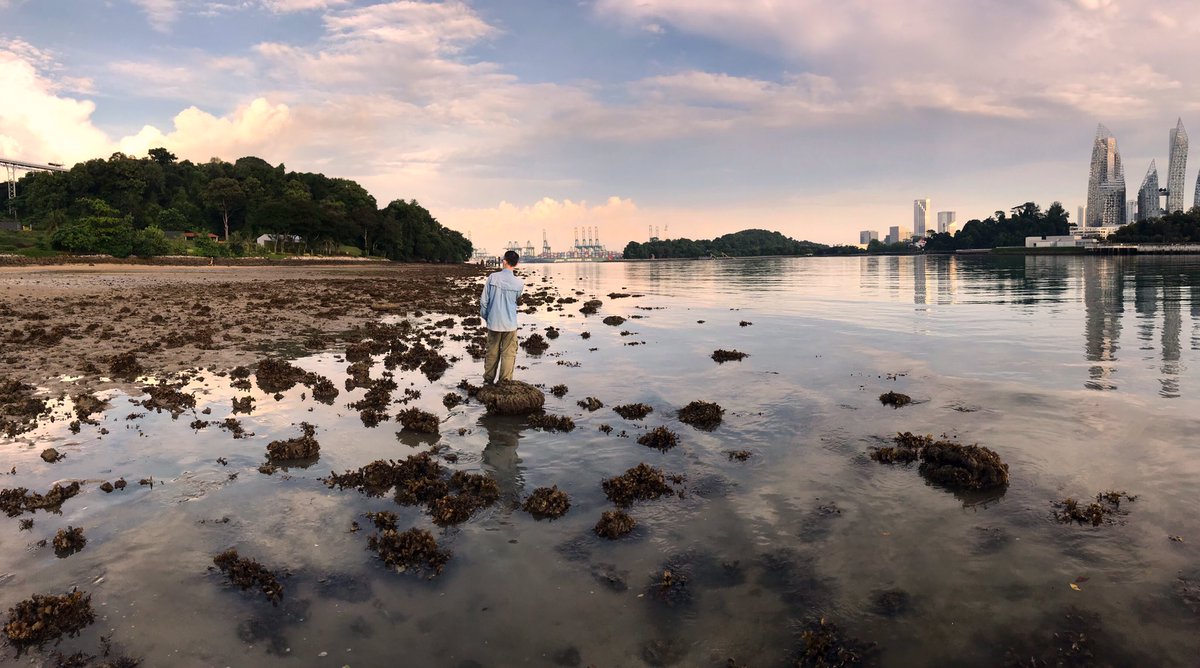
These are Singapore’s mosaic coastlines, and all need diff protection fr erosion & rising sea levels.
We combine 4pgs in the paper in 1 mobile-friendly online story:
https://t.co/i05SUTQC7V
Coral microatolls are natural recorders of earthquakes. Microatolls found in sites along the rupture of the 2004 Sumatra earthquake showed evidence of earlier events dating back to the 10th century.
#FactFriday
Our paper is out! We use coral microatolls to infer a long period of sea-level stability, and we use paired ages on fossil coral samples to estimate the marine reservoir correction over time. Two important findings in one paper!
RSL stability from 6.4 - 1.4 ka inferred from fossil microatolls at Natuna; marine reservoir correction established for Natuna based on Marine20 @SeaLevelNTU
https://t.co/zEoPMiEax5
How are sea level and active tectonics connected? Assistant Professor Aron Meltzner explains why it is important to learn about earthquakes and the processes driving sea-level rise in Southeast Asia. https://t.co/WlmGSSs03n
So this 43-page tidbit came out last month:
https://t.co/QG3u6InU3E
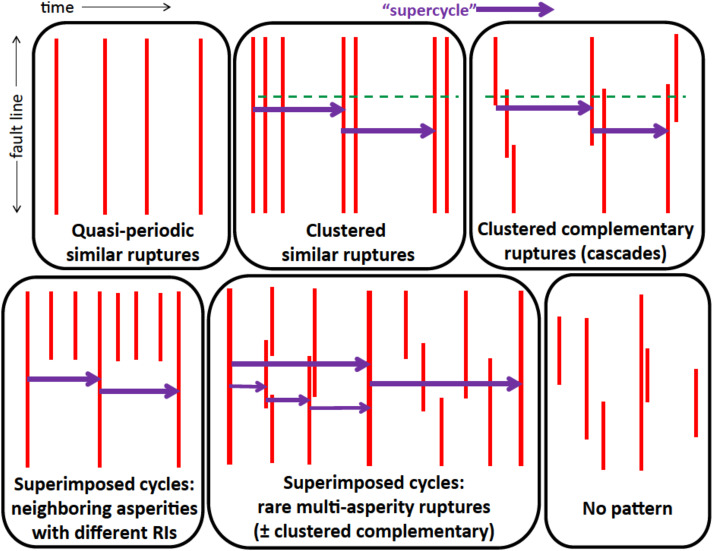
In this review paper, Belle Philibosian and I compared faults across the world. We characterized rupture barriers, segmentation, and places where ruptures recur in 'supercycles'.
"As sea levels rise, events 10 years ago that were extraordinary are going to become ordinary,” Asst. Prof Aron Meltzner said in "Carbon Conundrum", @ChannelNewsAsia's documentary on carbon emissions and #climatechange https://t.co/ccztkOpjEe
Wikipedia says Twitter was founded in 2006. It's now 2020, and I'm finally catching up to 2006. So with this my first tweet ever, does it mean I'm 14 years younger?