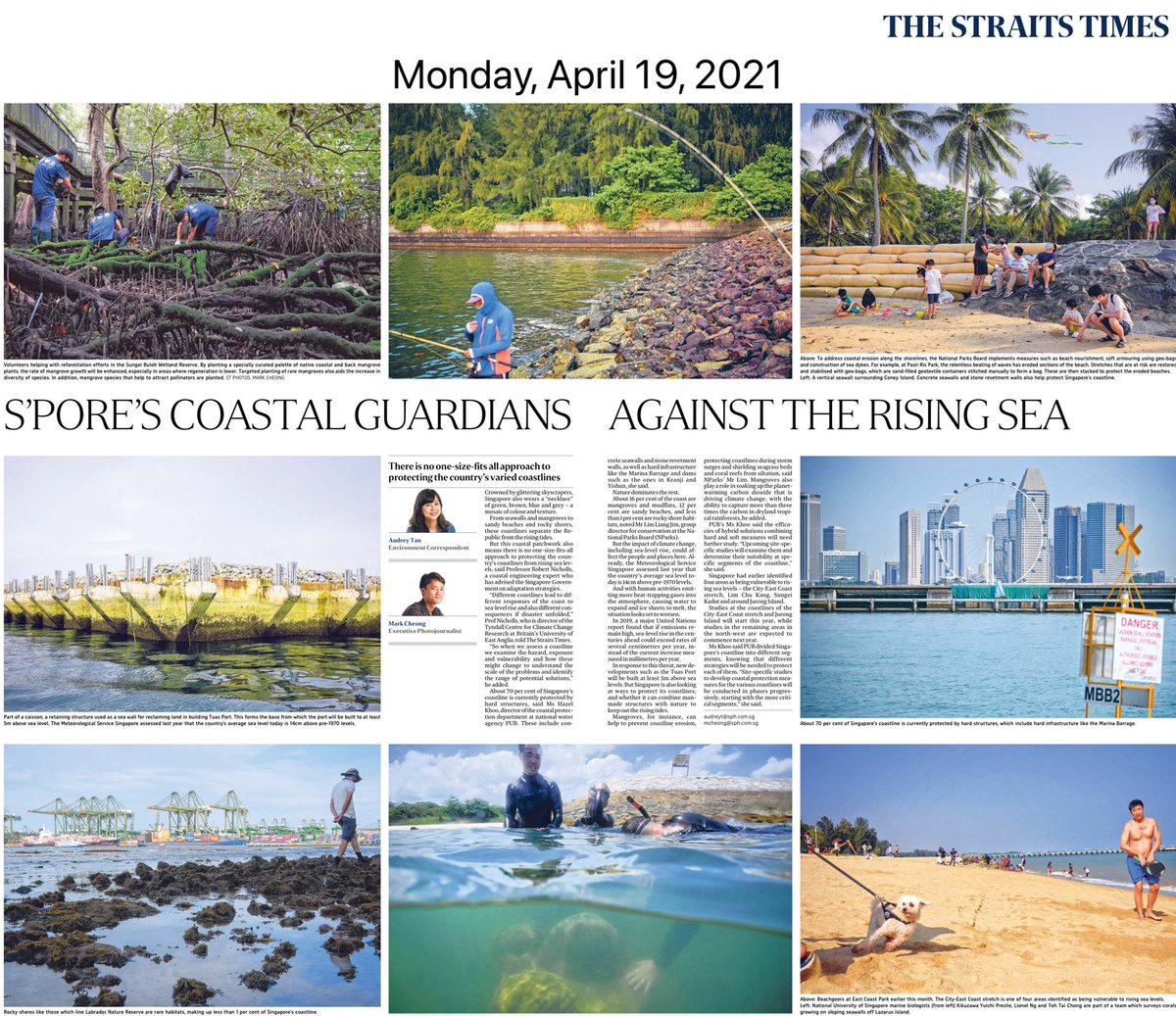
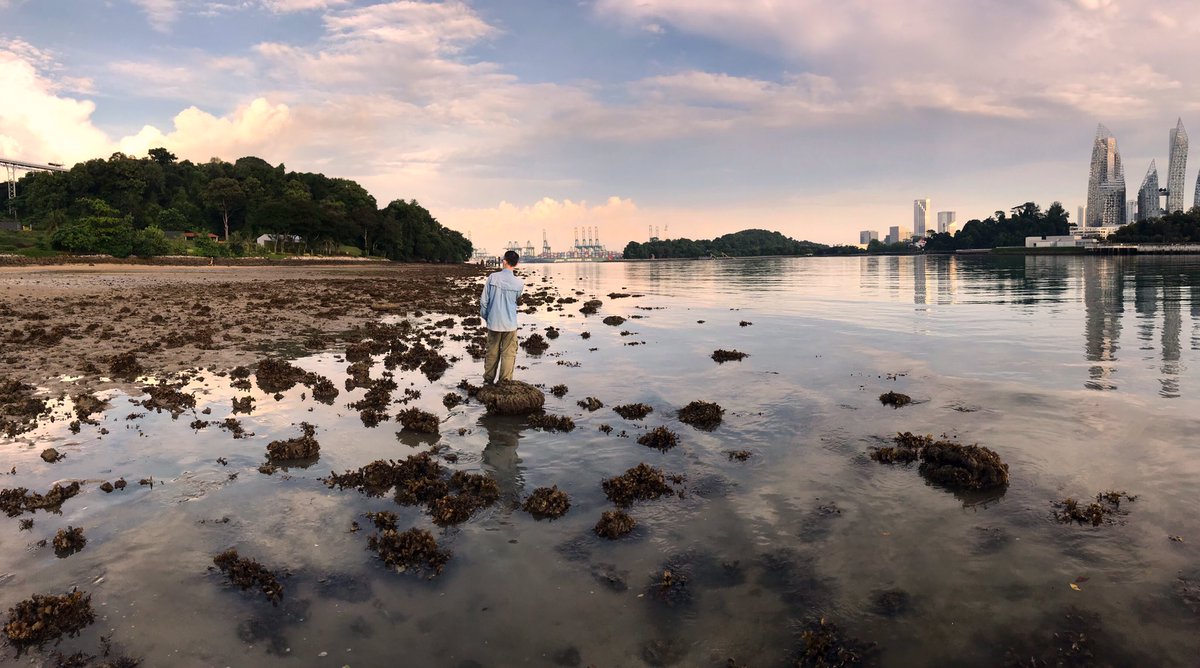
Seawalls/ hard structures:70%
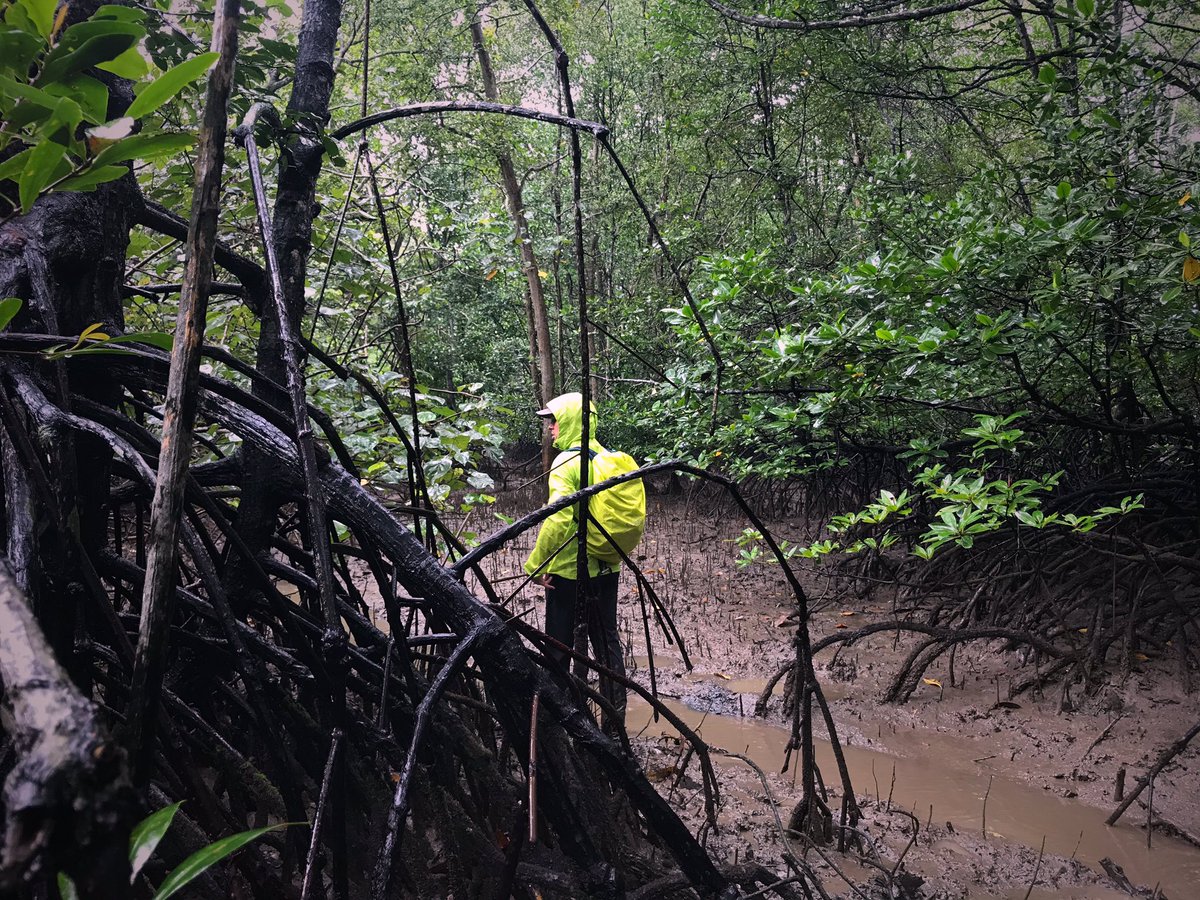
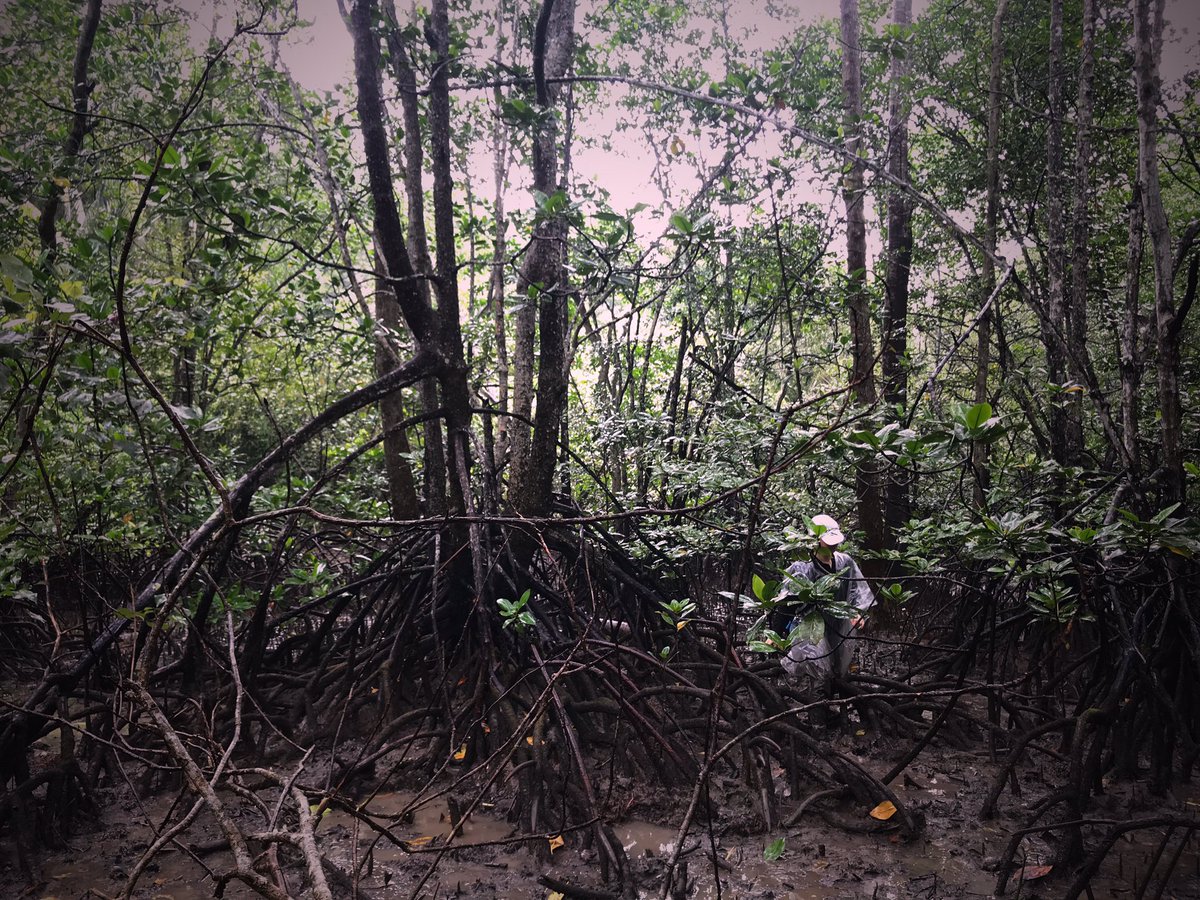
Mangrove/mudflat:16%
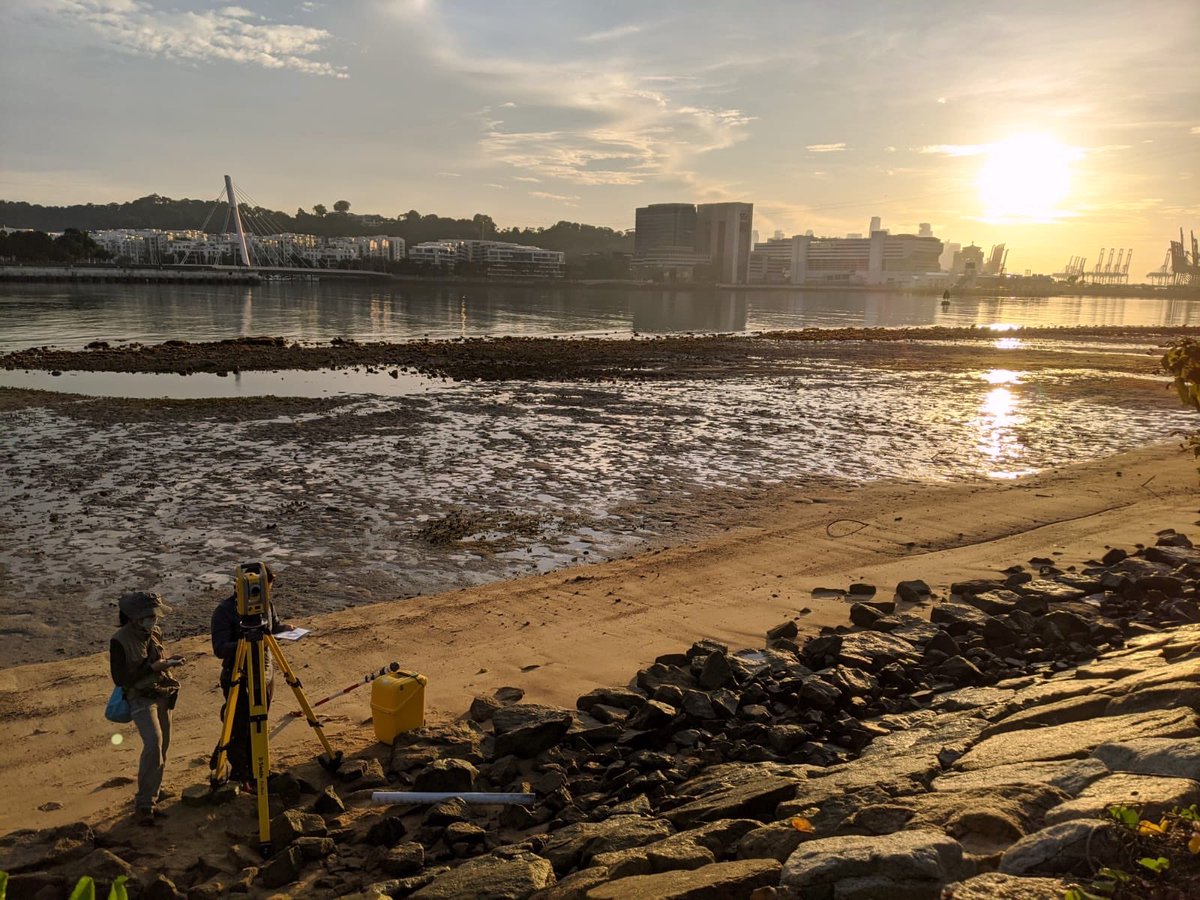
Sandy beaches:12%
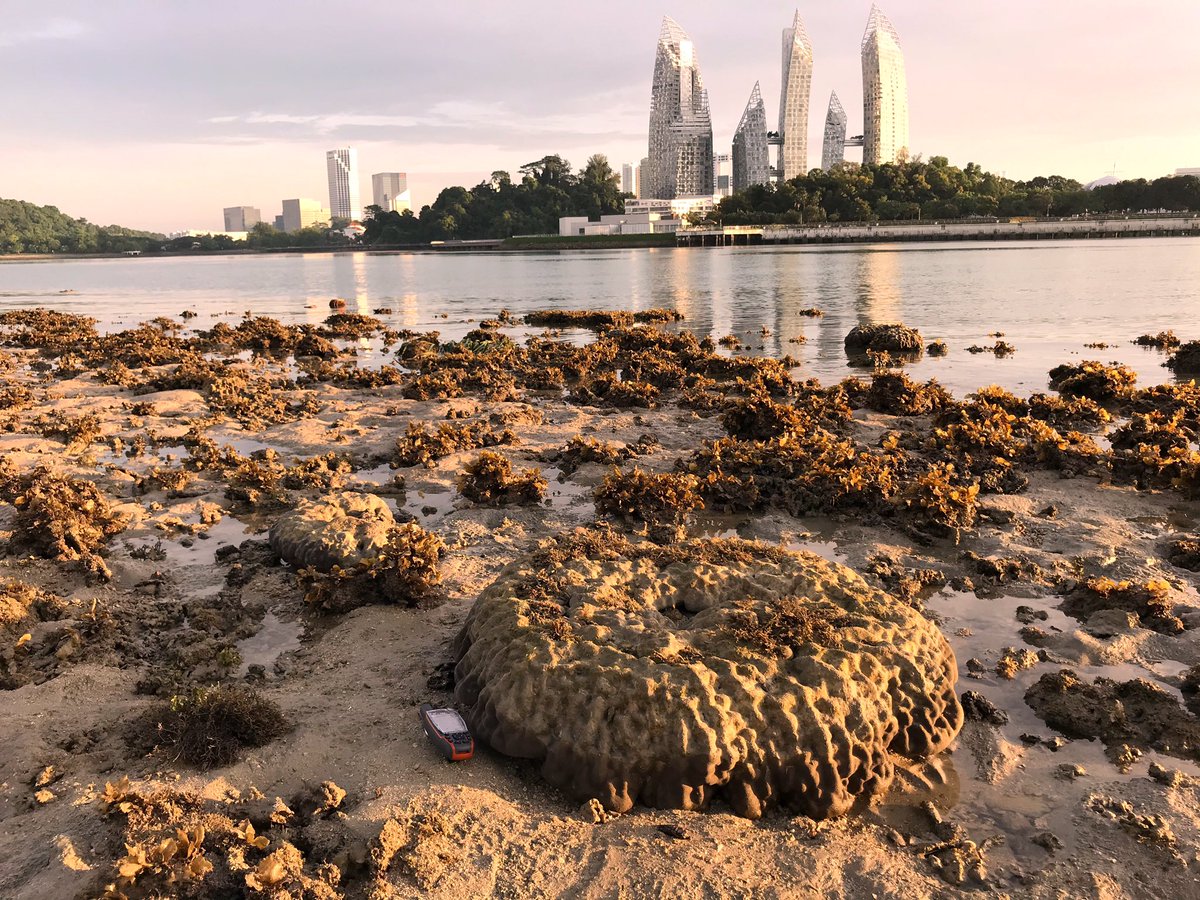
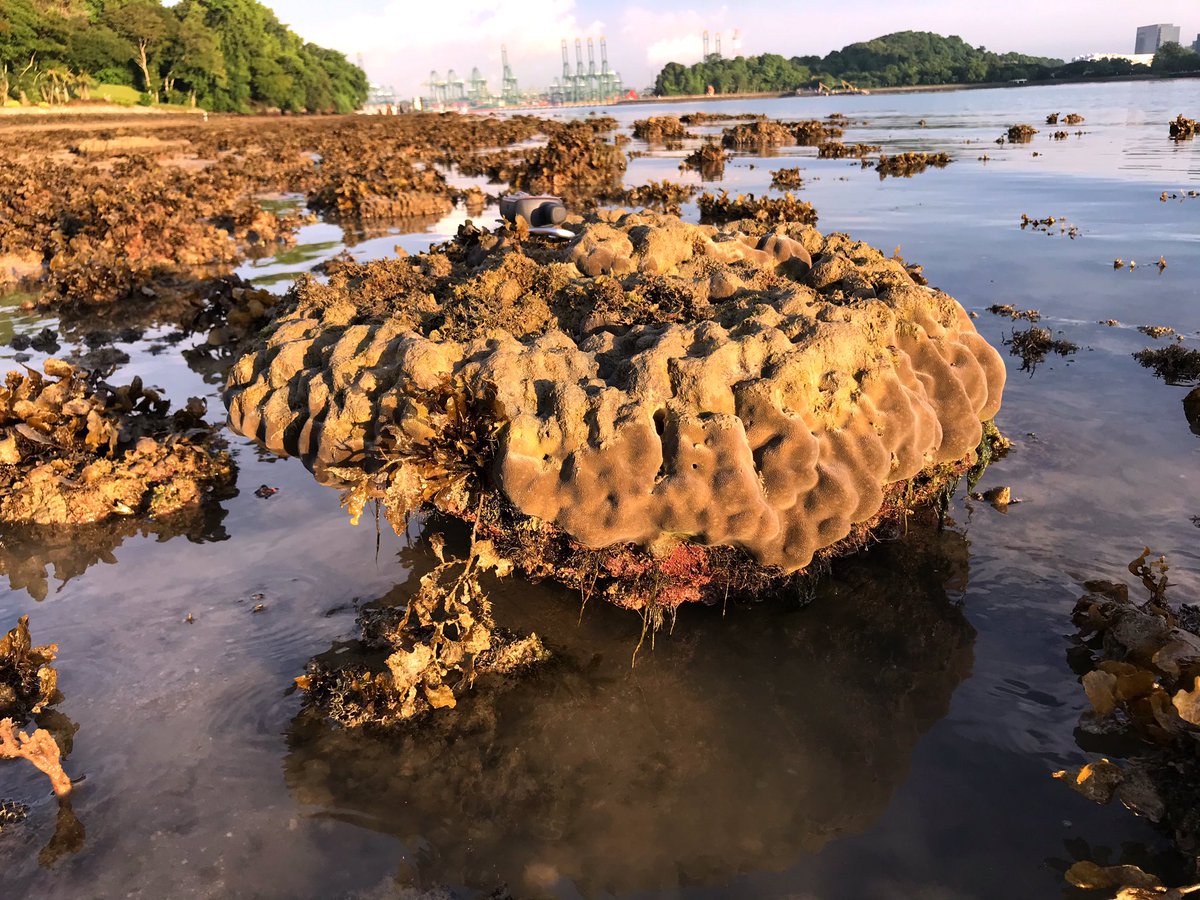
Rocky shores:1%
These are Singapore’s mosaic coastlines, and all need diff protection fr erosion & rising sea levels.
We combine 4pgs in the paper in 1 mobile-friendly online story:
https://t.co/i05SUTQC7V
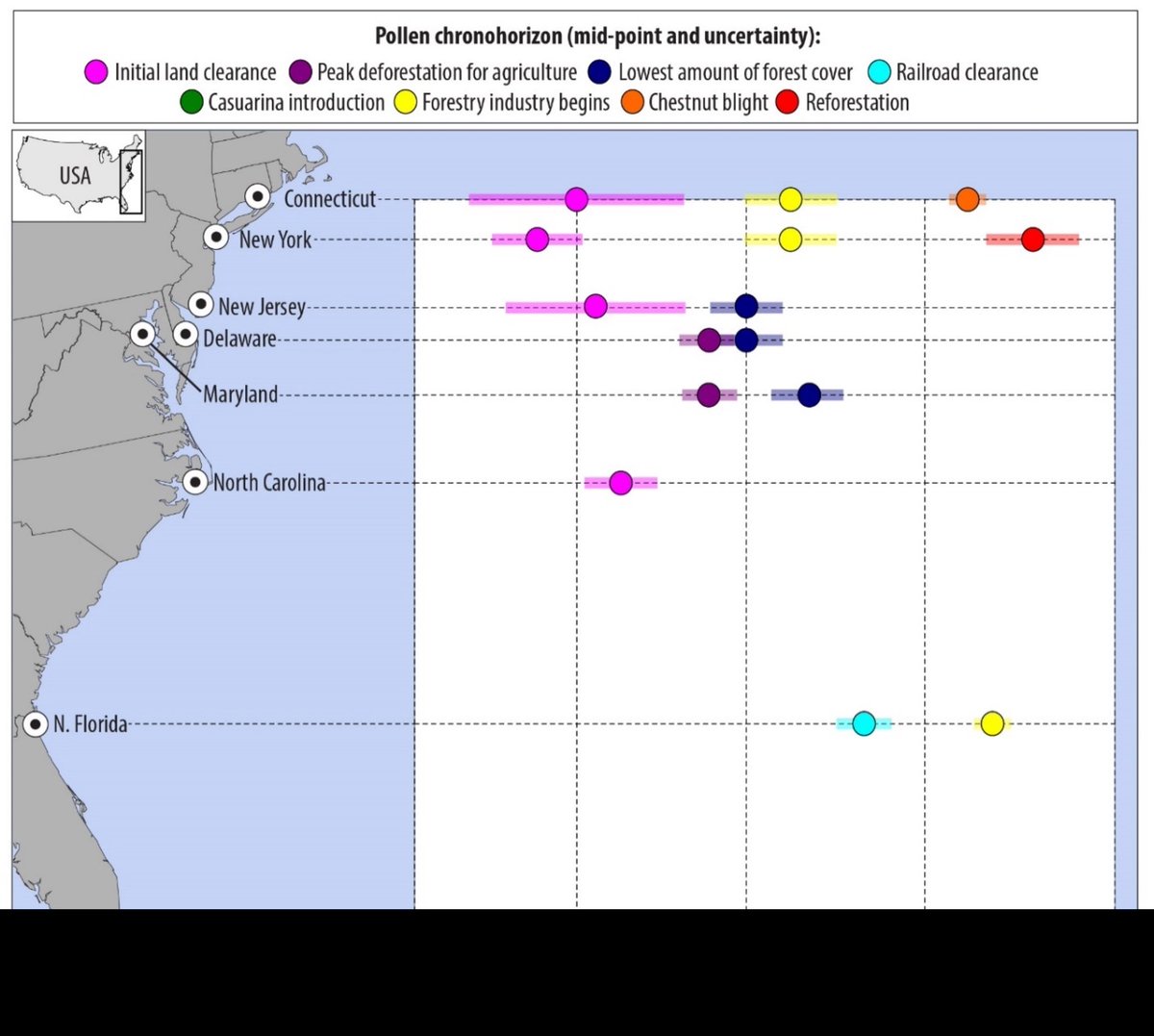
Our new paper on using pollen as chronohorizons: Pollen Geochronology from the Atlantic Coast of the United States during the Last 500 Years @SeaLevelNTU
Access paper here: https://t.co/fca1SLqqEU
EOS Director Prof Benjamin Horton will be sharing his research on #sealevelrise at the Nanyang Business School's inaugural Interdisciplinary Distinguished Speaker Series on Friday, 20 Nov at 3pm.
Registration is free at https://t.co/J2zVzoPRZK
@SeaLevelNTU@NTU_ASE@ScienceNTU
RSL stability from 6.4 - 1.4 ka inferred from fossil microatolls at Natuna; marine reservoir correction established for Natuna based on Marine20 @SeaLevelNTU
https://t.co/zEoPMiEax5
Good news — we are a part of the National Sea Level Programme. Our group will investigate the processes driving relative sea-level change in this region @SeaLevelNTU @EOS_SG @CoastalLabNTU @ScienceNTU https://t.co/x42lCD6A6e
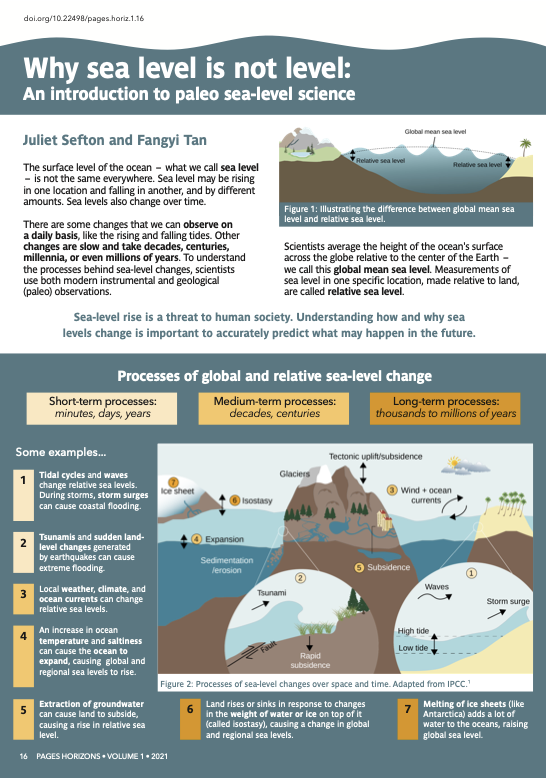
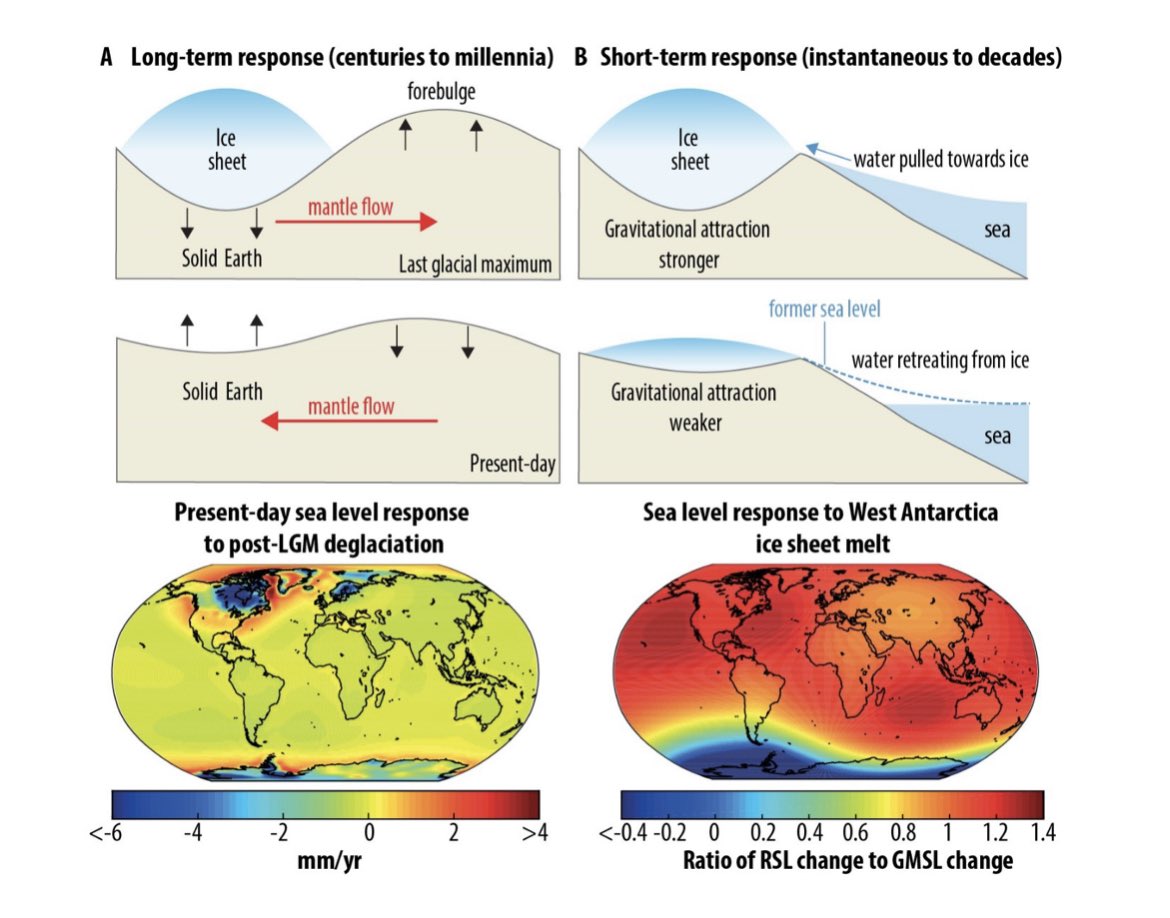
"If an ice sheet melts, its gravitational attraction decreases and sea levels around it can go down. Conversely, regions far from a melting ice sheet, such as Singapore, will see a rise in sea level greater than the global average," says Prof Ben Horton
@SeaLevelNTU@NTUsg
Join us at our next EOS-ASE seminar @EOS_SG@NTU_ASE by Professor Ben Horton @SeaLevelNTU: Mapping Sea-Level Change in Time, Space and Probability. Tues, Nov 3, 1 PM - 2 PM Singapore time. Register here: https://t.co/jBE9JR5ped
Next up in EOS-ASE seminar series: 'Mapping Sea-Level Change in Time, Space, and Probability' by Prof Benjamin Horton, Director of @EOS_SG and Professor at @NTU_ASE.
Tue, November 3, 1 PM – 2 PM.
Registration and more info here: https://t.co/HFIFOg7YU8
New paper on RSL on the Sunda Shelf using coral microatolls from Xiu Wen Wan and colleagues. Interesting discussion of the challenges using these compared with other recent microatoll-based reconstructions that are inferred to be severely eroded https://t.co/ibJjLY3aD8
The Earth lost a staggering 28 trillion tonnes of ice between 1994 and 2017. While the melting of ice bodies may occur far from Southeast Asia, they can affect us – but how? @NTU_ASE PhD student @fangyi2110 tells us more.
@SeaLevelNTU
https://t.co/MCVgIOdHVq
“You cannot put a sea wall everywhere. The other option is to try and live with sea-level rise. So this is where the marshes come in, they protect from erosion, they’ll absorb coastal waves.” - Professor Benjamin Horton @SeaLevelNTU #ClimateChange https://t.co/xNXg3Fwb7J
Salt-marsh foraminifera stand the test as robust indicators of relative sea levels, despite spatial and temporal variability seen in modern foraminifera @SeaLevelNTU#foraminifera#sealevel
https://t.co/fplS2l8DH0
“Asia-Pacific is already the world’s most disaster-prone region. Unless we act fast, the climate crisis will make catastrophe a way of life for hundreds of millions of people in the region” - Professor Horton @SeaLevelNTU Full Article here: https://t.co/9r4ZorKon7
PRESS RELEASE: Record temperatures and #Covid19 are symptoms of planetary fever. Our analysis shows a dramatic 70% decline in online conversations about the climate globally. It's time we listen to our children and put the climate crisis back on the agenda https://t.co/8dkUJYJOPV
Mangroves offer important #ecosystem services and help combat #ClimateChange. “Projects and policies designed to use coastal ecosystems to reduce vulnerability can also achieve other societal, environmental, and economic goals.” - Prof Horton @SeaLevelNTU
https://t.co/qdtn6AkWRX