Encrypt your data and devices to defend against attacks and keep sensitive information unreadable. Make encryption part of your security strategy: https://t.co/CJcI1ibllc #SecuringTheNext250
Mark your calendars! Drug Take Back Day is just a week away.
#TakeBackDay offers a free, anonymous way to safely dispose of unused or expired medications. Stop by Saturday, Oct. 24th from 10 AM–2 PM at the Sheriff’s Office Substation, 9250 Zotos Drive, Highlands Ranch. Bring your old meds...no questions asked.
Join the Red Cross of Southern Colorado next Saturday, Oct. 24, from 10 a.m.-1 p.m. to install free smoke alarms in Pueblo's East Side neighborhood! No experience is necessary to volunteer and help make homes safer.
More info: https://t.co/I9kyczAXWk
Freeze Warning issued for tonight at 12 a.m. through Friday at 9 a.m.
Prepare Now
A Freeze Warning is issued when temperatures are forecasted to go below 32°F for a long period of time.
This temperature threshold kills some types of commercial crops and residential plants, while temperatures below 28°F for an extended period of time can kill most types of commercial crops and residential plants.
Protect Your Pets, Livestock and other Property: If you have pets or farm animals, make sure they are not overly exposed to extreme cold and have plenty of food and water that has not frozen.Take precautions to ensure your water pipes do not freeze. Know the temperature thresholds of your plants and crops.
Dress for the cold temperatures with 2-3 layers, gloves, hat and boots.
Disconnect your garden hoses and turn off outdoor faucets.
Many of us leave our phones, laptops, tablets and even power tools plugged in long after they’re fully charged, but this extra time on the charger can backfire. Leaving a device plugged in longer than needed can increase heat and put unnecessary stress on the battery. Over time, this extra heat can degrade the battery, cause it to swell or even trigger a dangerous fire. Always unplug your device when it is fully charged. 💯🔋
#FirePreventionWeek #SafeCharging #FireSafety #FirePrevention #BatterySafety #CommunityRiskReduction @NFPA
If flooding has affected your area, avoid flooded roads. Floodwater may look harmless, but it can hide debris, washed-out roads, and electrical hazards.
Turn around and find another route. Never drive through floodwater.
📲https://t.co/9P4TH8dVjE
UT, CO, AZ, and NM: Heavy rain can cause dangerous flash flooding, especially in low areas and places recently affected by wildfires.
- Stay away from flooded roads.
- Watch for local weather alerts.
- Follow instructions from local officials.
Do you know what kinds of disasters and emergencies are most common where you live?
Whether it's wildfires, earthquakes, severe storms, or other hazards, take the time to learn about how you can prepare for them. https://t.co/stGgVFHLIt
#NationalPreparednessMonth
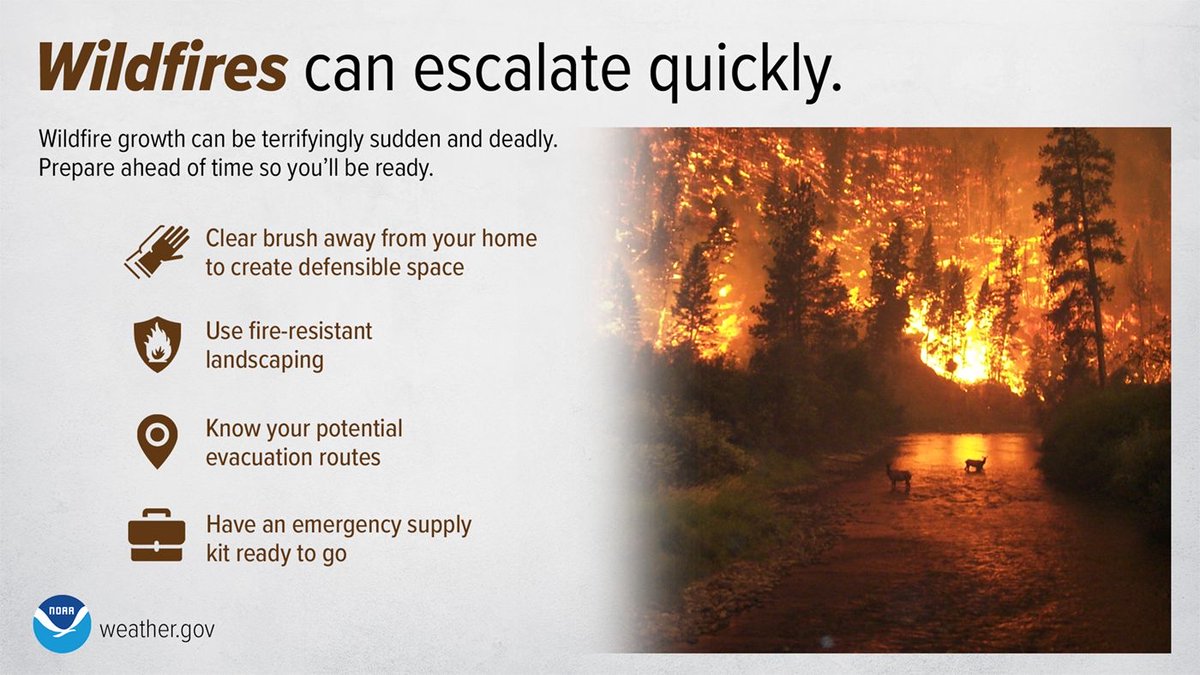
As wildfires continue to impact communities across the western U.S., know where you’ll go if told to evacuate. Pick a safe destination and map multiple routes. Check your local emergency management sites for wildfire evacuation info. Having a plan can save time and lives!
Lightning strikes can result in death or serious injury. If you hear thunder or see lightning, take shelter in an enclosed building or a hard-topped vehicle with the windows up. https://t.co/o5cxJlONPR
In an emergency, the power is at your fingertips! Text-to-911 is another way to contact 911 when calling isn’t an option or could put you in danger. Learn more at https://t.co/o1wb1PolwY.
Don’t be that person 🗺️ Be sure to download our COTREX app so you always know where you’re going, what conditions are like & have the best routes back to the trailhead. COTREX is free, easy + customizable for whatever adventure is calling your name: https://t.co/W9A3YuHIeI
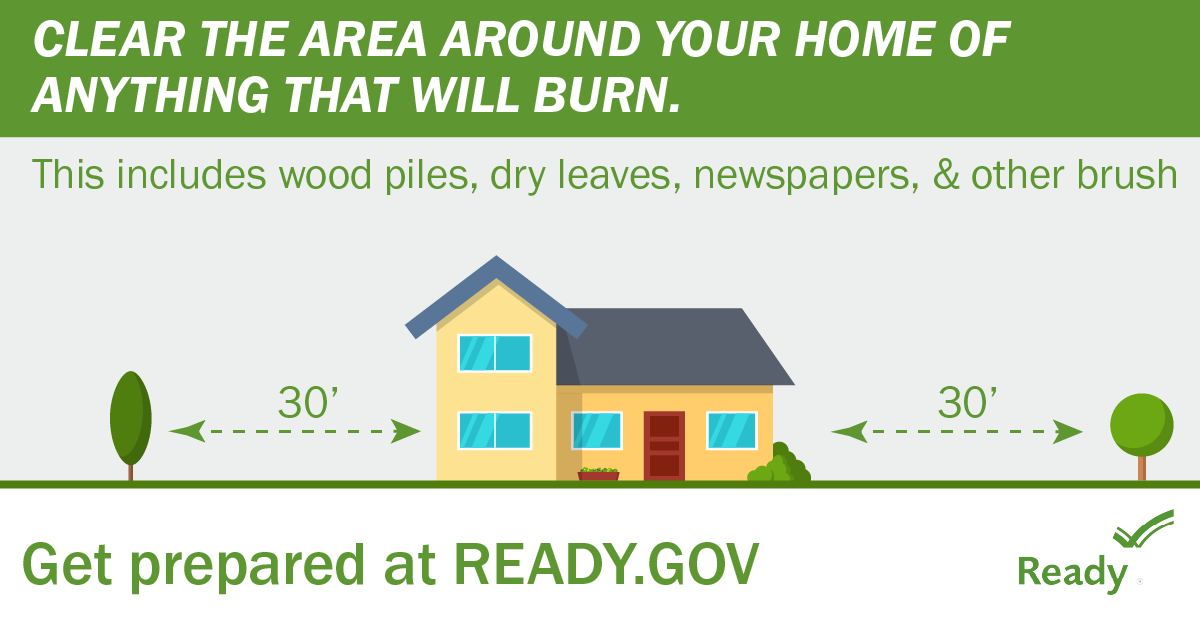
Wildfire safety starts at home. Create a 30-foot fire-resistant zone by clearing leaves, dry grass, and other flammable materials from around your home, deck, gutters, and roof. Learn more ways to reduce your risk: https://t.co/g1UT5lw0XT
Many areas in the western part of the country continue to be at higher risk for wildfires. Prepare now before your area is affected and make an emergency plan for your household, including evacuation routes you can use to get to safety. More tips: https://t.co/g1UT5lw0XT
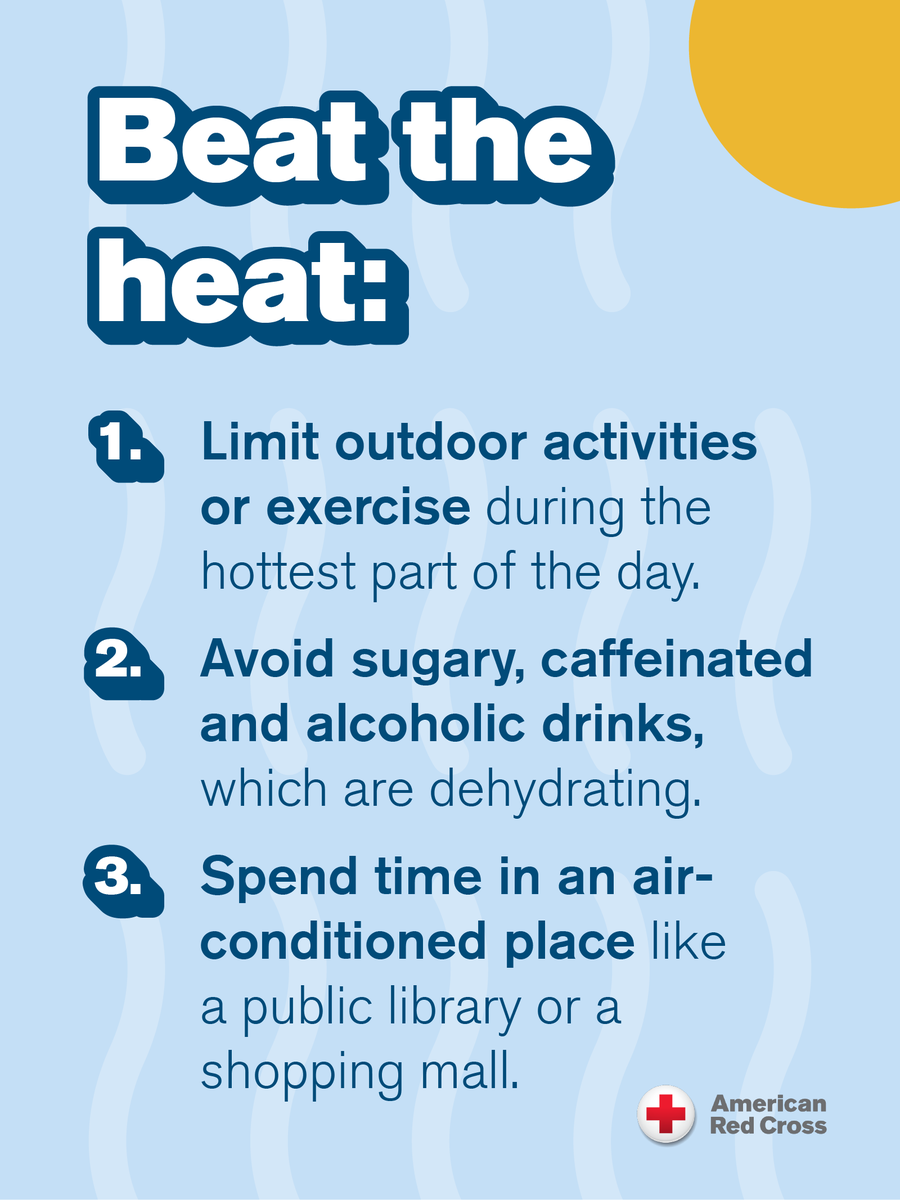
📞 Who will you check on today? During extreme heat, reach out to neighbors, loved ones & others who may need extra help. A quick call, text, or visit can help ensure they are safe. CALL 911 if you see someone suffering from a heat emergency. https://t.co/pJ11CrOsMu
🧨 Improperly discarded fireworks are a leading cause of preventable fires—they hold intense heat even when they look spent. Protect your neighborhood: Always soak used fireworks in a bucket of water overnight before throwing them away.
🪣 This Fourth of July, join our modern day #BucketBrigade. Watch this short video to learn more!
#FireworksSafety #4thOfJuly #America250 #Colorado150 #FirePrevention #CelebrateSafely
https://t.co/NAMjPiHzAP
Extreme heat is a leading cause of weather-related deaths in the U.S., and many states could experience record heat this weekend.
If you’re spending time outdoors, stay safe by drinking plenty of water, wearing sunscreen, and taking frequent breaks in the shade.
Share this post to help others stay safe, too.
Are you ready if severe weather threatens your area? Knowing where to go can save your life. Before a tornado warning is issued, spot a safe place on the lowest level of your home, away from windows. In a mobile home? Plan to relocate to a sturdy building. https://t.co/NLHlwi7XD5
Safety tips to keep in mind during our first extended bout of summer heat. Practice heat safety wherever you are. Heat related deaths and illnesses are preventable! #WeatherReady#COwx https://t.co/NwCtMAFQII
Severe weather can develop quickly. Download the FEMA App to get real-time weather alerts from @NWS for up to 5 locations, so you can stay informed and take action before storms reach your area.
📲 https://t.co/gAvX0HuPAv