This is surreal! A dream came true!
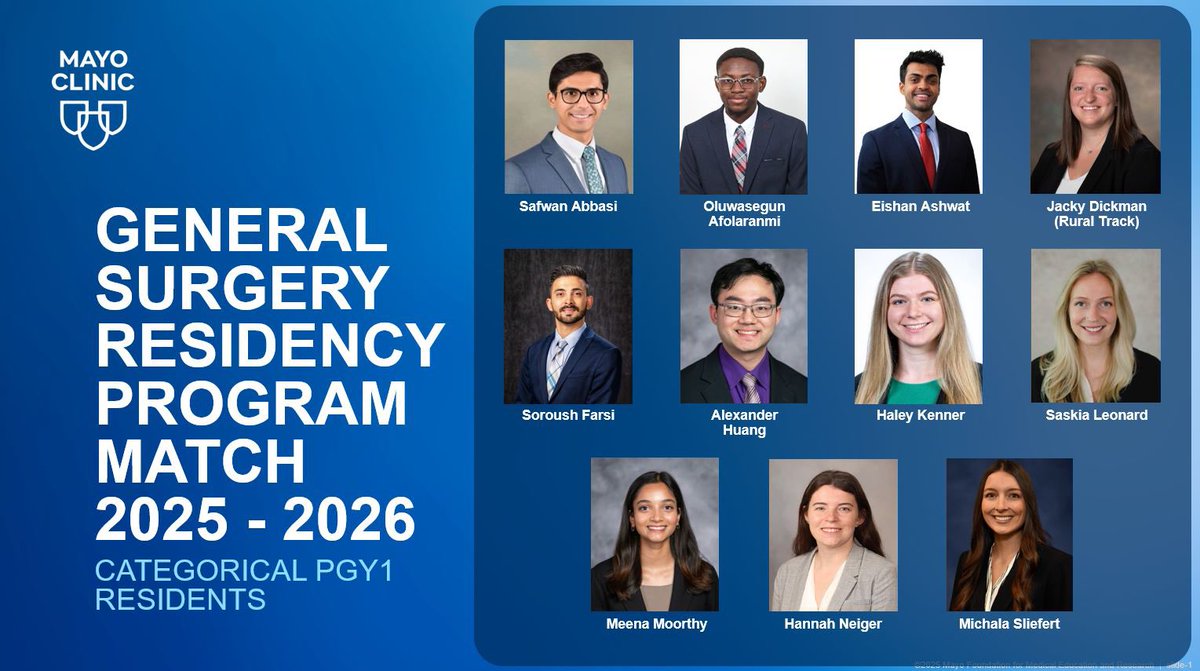
I matched in Preliminary General Surgery Residency @MayoSurgery. My sincere gratitude should go to Prof. @Ali_Aminian_MD for his unwavering support. i am sincerely grateful to @marielariveram for this opportunity! #Match2025@TheNRMP
Proud to have contributed to a project tackling one of the biggest questions in the field of obesity. Grateful for the opportunity to work alongside such an incredible team at Cleveland Clinic. Thank you, @Ali_Aminian_MD , for giving me the chance to be part of this milestone.
Today at @ClevelandClinic, we celebrated a major milestone: completion of enrollment for our randomized clinical trial comparing #BariatricSurgery, #Semaglutide, and #Tirzepatide.
Proud and grateful to work with an incredible team advancing the future of #obesity care & science.
Metabolic bariatric surgery may have better outcomes and lower costs over GLP-1s for people with type-2 diabetes and obesity. “Even in the GLP-1 era, surgery can still provide some additional benefit, including a reduction in mortality,” says @Ali_Aminian_MD. https://t.co/jvqi27dP8O
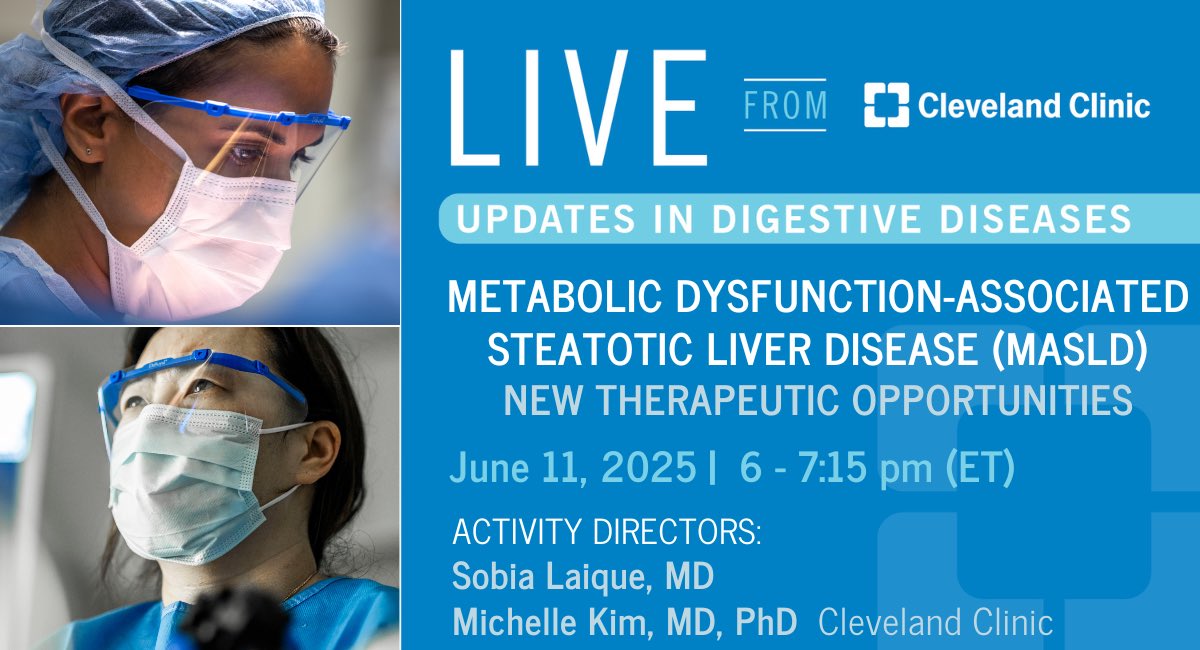
Excited to join Butts and Guts @ClevelandClinic to discuss the evolving #MASLD landscape—formerly known as fatty liver disease. We dive into updated nomenclature, diagnostic pathways, and emerging therapeutics shaping the future of care!
A first for #MASLD: The @CleClinicMD MASLD Task Force brings together experts in #endocrinology, #metabolicsurgery, and #transplant to tackle MASH across the full disease spectrum.
💊 Emerging therapeutics
📍 Challenging cases
🧠 Expert panel debate
Don’t miss this powerhouse event!
New findings suggest that bariatric surgery can effectively alleviate or improve symptoms related to idiopathic intracranial hypertension: https://t.co/3SYiUP8dLj
🚨 Not to Miss Free CME Event! 🚨 June 11 – LIVE from Cleveland Clinic: MASLD - NEW THERAPEUTIC OPPS. Join @SNLaiqueMD@MichelleKimMD@Ali_Aminian_MD@CleClinicMD, Keren Zhou, Yael Mauer, Mazhar Khalil for this CME MOC virtual event. Register now: https://t.co/AHuvNuXN0i
Why is weight loss surgery called metabolic surgery?
@JaimePonceMD explains it all!
✔️ It regulates hunger and satiety hormones
✔️ Improves blood sugar control
✔️ Reduces risk factors for type 2 diabetes and other metabolic diseases
#IFSO#BariatricSurgery#MetabolicSurgery
So proud of you!
You’ve worked incredibly hard past year, and it’s been such a joy to watch you grow.
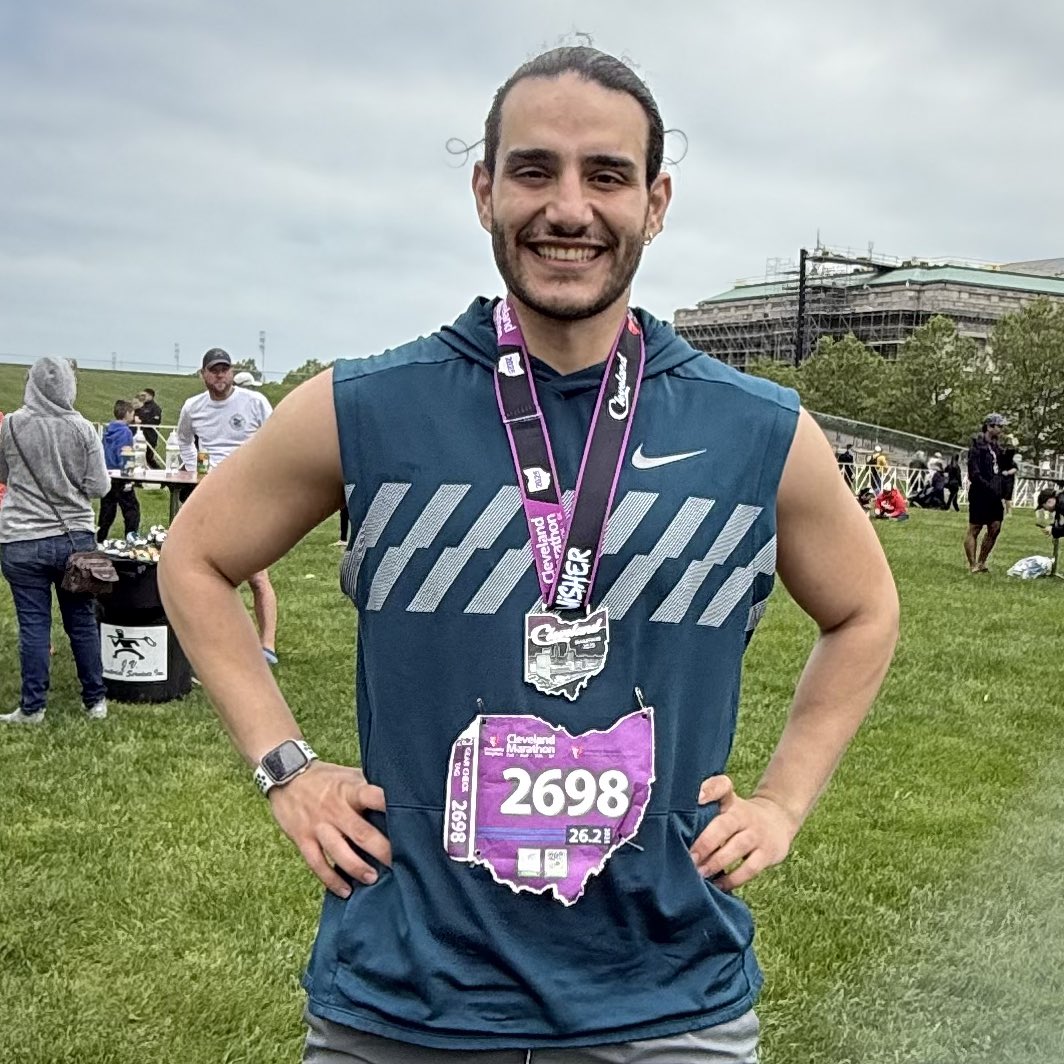
Running a marathon after overcoming obesity is no small feat.
As your mentor, I couldn’t be prouder.
Wishing you all the success and joy as you start next chapter at @MayoClinic
@Ali_Aminian_MD@MayoClinic Thank you so much, Dr. Aminian.
Your mentorship has shaped both my career and character more than words can say.
I’ll carry what I learned from you into every step of what comes next.🙏
As someone who once struggled with obesity and lost 70 lbs over the years, there were days I never thought I would outrun it, physically or emotionally.
But I did. And today, I did a full marathon.
This is just a reminder that:
WE CAN BEAT OBESITY.
#obesity#weightlossjourney
@OMGhanemMD@MayoClinicSOM@MayoClinicSurg Congratulations, Dr. Ghanem! 👏
I have heard so many wonderful things about you! Truly excited for the opportunity to learn from you!
With routine care, half of patients with compensated MASH cirrhosis & obesity develop major adverse outcomes (MALO—such as liver failure, cancer, transplant, death) in 15 yrs.
🔥Bariatric surgery reduces that risk by 72%.
https://t.co/1vUWwCM9ht
#DDW2025#EASL2025#EASLCongress
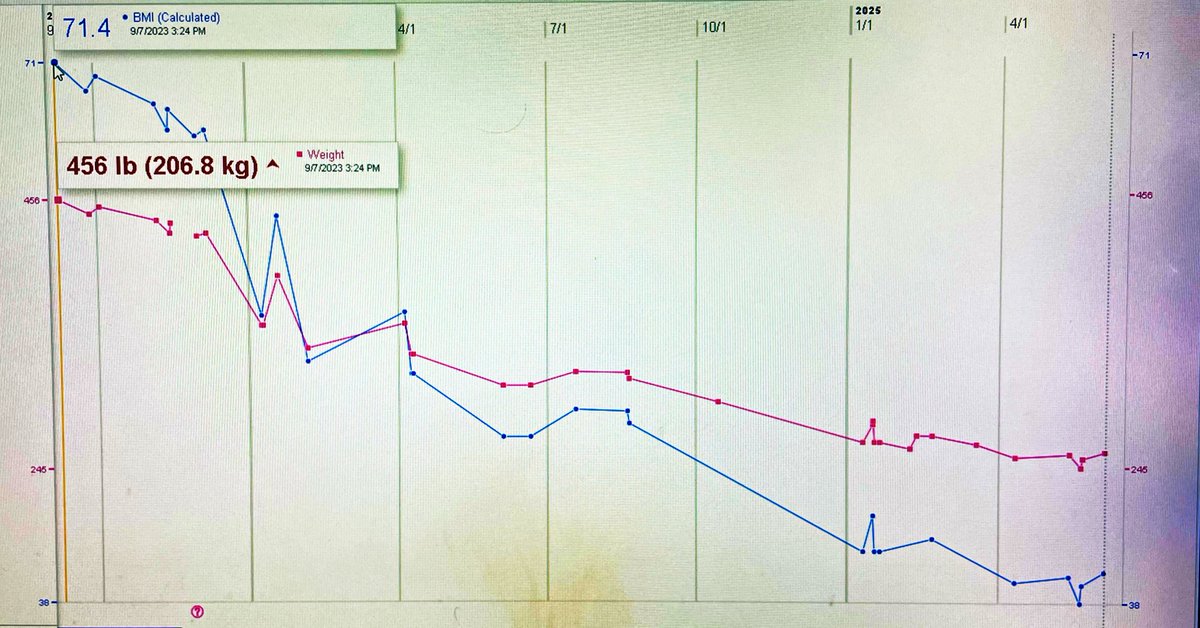
1.27 million Americans have a BMI of 60 or greater.
To put that into perspective, that’s roughly 200–250 pounds of excess weight (based on the average height of a U.S. adult).
Tirzepatide: ~80 lbs weight loss → Final weight: ~300 lbs
Semaglutide: ~57 lbs weight loss → Final weight: ~325 lbs
@Ali_Aminian_MD@NeilFlochMD
The Rise of Extreme Obesity (BMI ≥60 kg/m²): A Public Health Crisis in the Making
- - -
🚨 New data from NHANES shows an alarming trend:
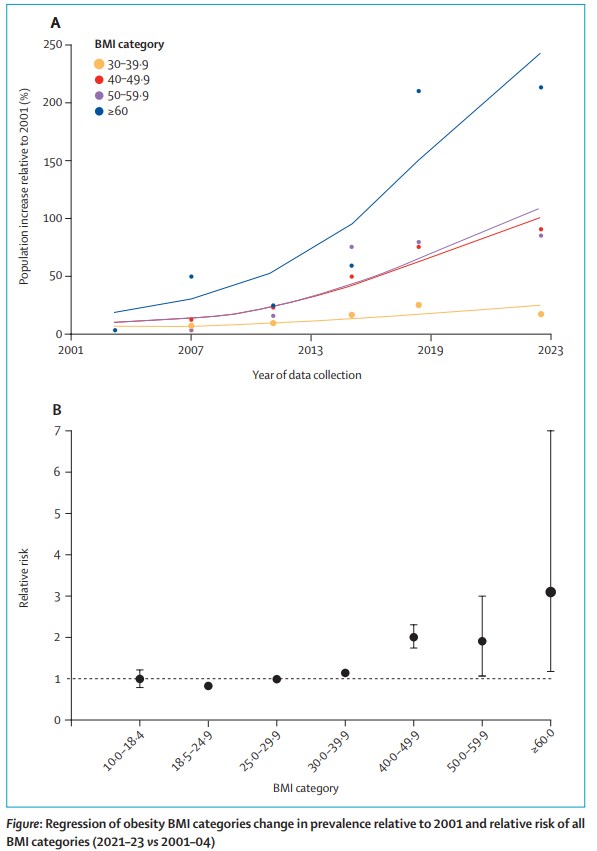
The prevalence of BMI ≥60 kg/m² has tripled over the past two decades — from 0.12% (2001–04) to 0.37% (2021–23).
These individuals face 2–3x higher rates of comorbidities, surgical complications, and mortality.
Healthcare systems are not prepared: standard equipment, imaging machines, and surgical facilities often cannot accommodate these patients.
Many are excluded from clinical trials, further marginalizing their access to treatments like GLP-1 receptor agonists.
Key Findings:
🔹 Normal weight (BMI 18.5–24.9) and overweight (BMI 25–29.9) populations are shrinking.
🔹 Severe and extreme obesity categories are growing rapidly.
🔹 BMI ≥60 kg/m² risk ratio (2021–23 vs 2001–04): 3.11 (95% CI 1.35–7.15).
Why It Matters:
🔸Extreme obesity is real, growing, and underrepresented.
🔸Many national health surveys label BMI ≥60 kg/m² as "biologically implausible," underestimating the crisis.
🔸If unaddressed, health disparities and clinical system failures will widen.
We urgently need:
✅ Dedicated research for extremely high BMI populations
✅ Specialized medical infrastructure
✅ Public health interventions tailored to this group
https://t.co/oOfsPWW9X9