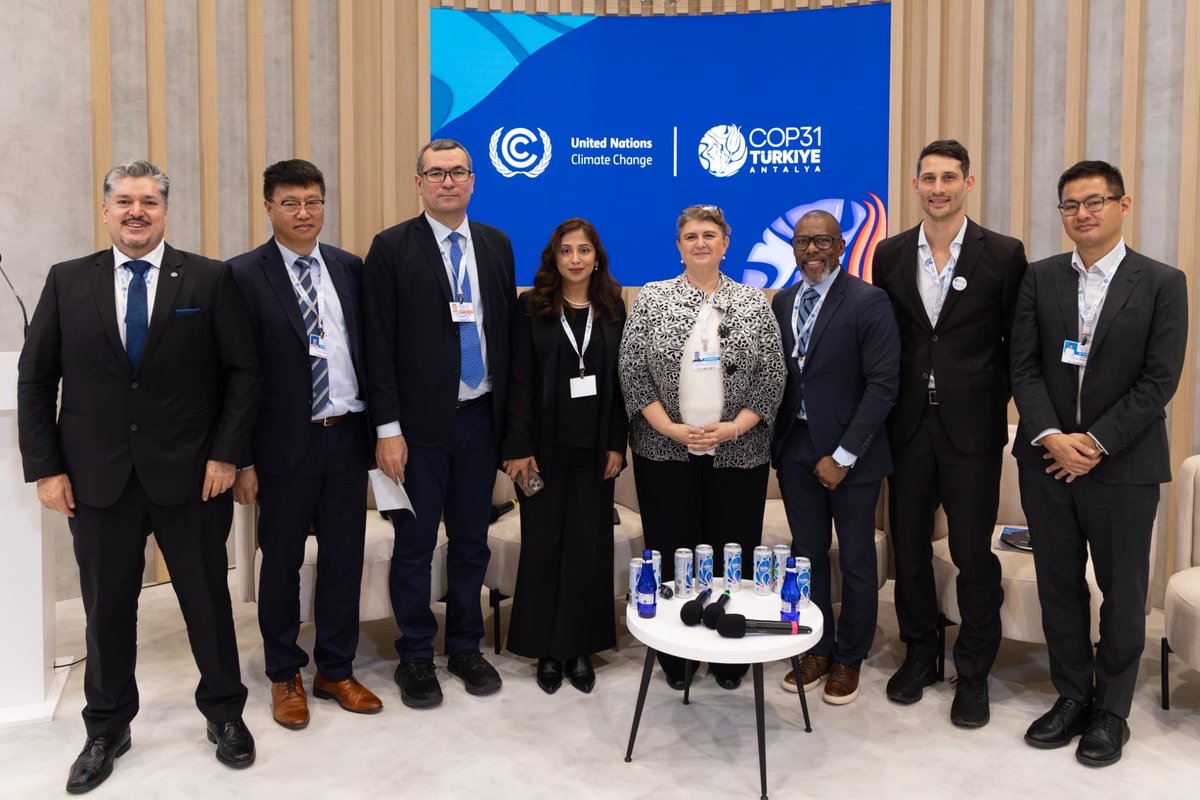
The #FRLD’s first call drew US$2.8bn in requests against US$342m available.
At #COP31, I called for rapid funding after disasters and sustained support for slow-onset losses, more predictable access to finance, and grants that help countries recover without taking on more debt.
Dust storm warnings give people time to act. Restoring degraded land helps reduce future risk.
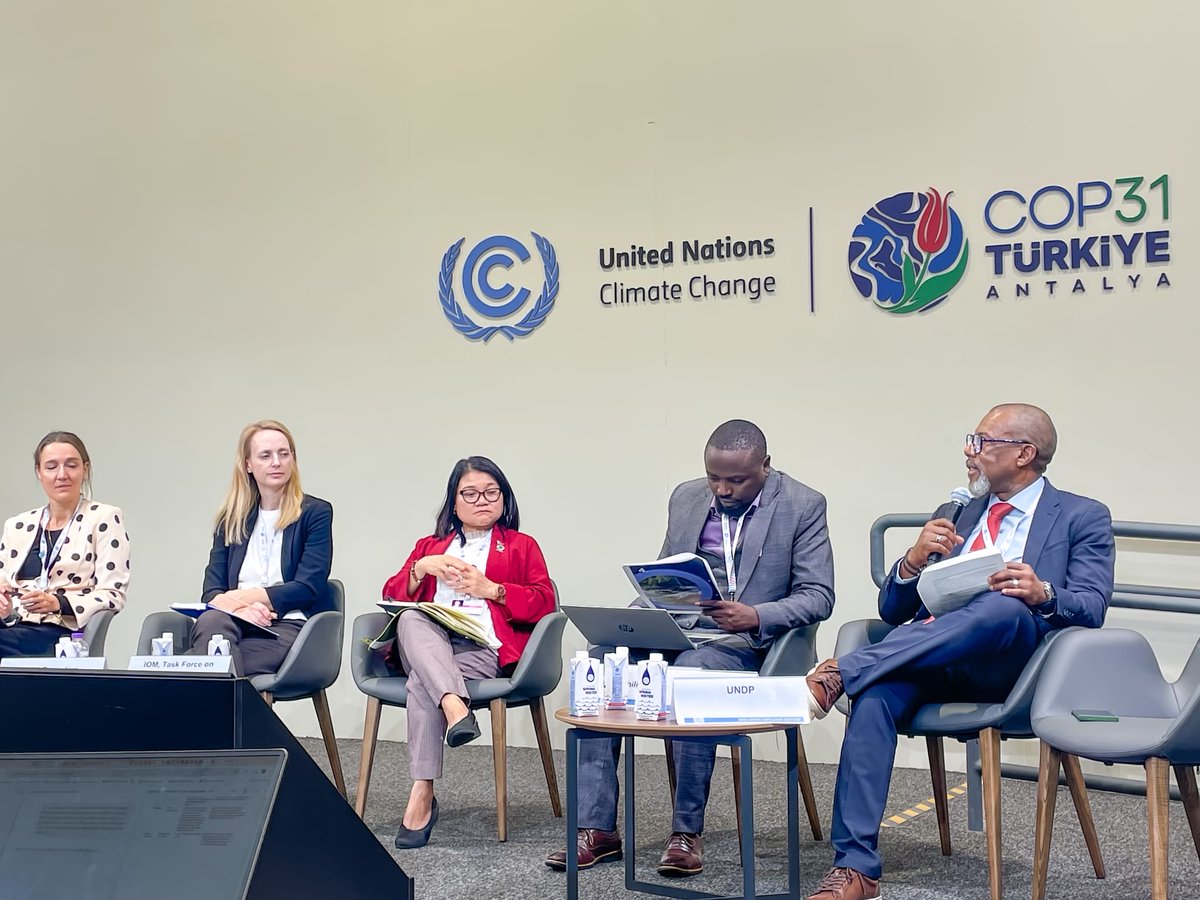
At #COP31, I moderated a panel on the UN Decade on Combating Sand and Dust Storms. @UNDP works with governments to bring preparedness and land management into national plans.
Join us tomorrow at #COP31 for @UNDP’s High-Level Ministerial Dialogue on #LossAndDamage.
Through country experiences, we will explore how to turn national commitments into support that reaches affected communities?
🗓️ 17 Nov | 09:00-10:00 local time
📍 UNDP Pavilion, Blue Zone
Rising seas threaten homes, cultural identity & traditional knowledge.
At the WIM panel at #COP31, I shared how @UNDP, through the #SantiagoNetwork, is supporting Cook Islands to assess #LossAndDamage including non-economic losses, to build resilience.
Building resilient cities needs thinking beyond the next disaster.
It means shaping development around risks people face.
Read how risk-informed planning, investment, and local action are helping urban communities thrive.
https://t.co/2wDB4SahOf
#WorldCitiesDay#UrbanOctober
As disaster risk reduction practitioners, we must understand what makes a safer home possible for each household.
Secure tenure, affordable finance and practical support must guide our work, from prevention through recovery.
My #DRRday blog: https://t.co/4zrwi6rtJ4
Forests, grasslands, wetlands and mangroves are living infrastructure.
They hold water, stabilize soil & soften extreme weather impacts, helping prevent disasters.
Restoring them helps communities prepare, adapt and thrive.
https://t.co/NPMOZVSZPU
#COP17Mongolia
Responding to disasters will always matter.
But building true resilience means investing earlier - in local knowledge, early warnings, and people who can turn information into action.
Read how youth are leading this transformation in Somalia.
https://t.co/0iwIVlX4oU
#YouthDay
Hazards don’t become disasters on their own.
Development choices shape risk.
In my latest blog, I ✍🏾 how the Caribbean can build on its disaster response leadership by putting risk-informed development at the heart of planning, investment & finance.
https://t.co/0nXmt9GCZ1
Strong recovery starts with better data, national leadership & coordinated action.
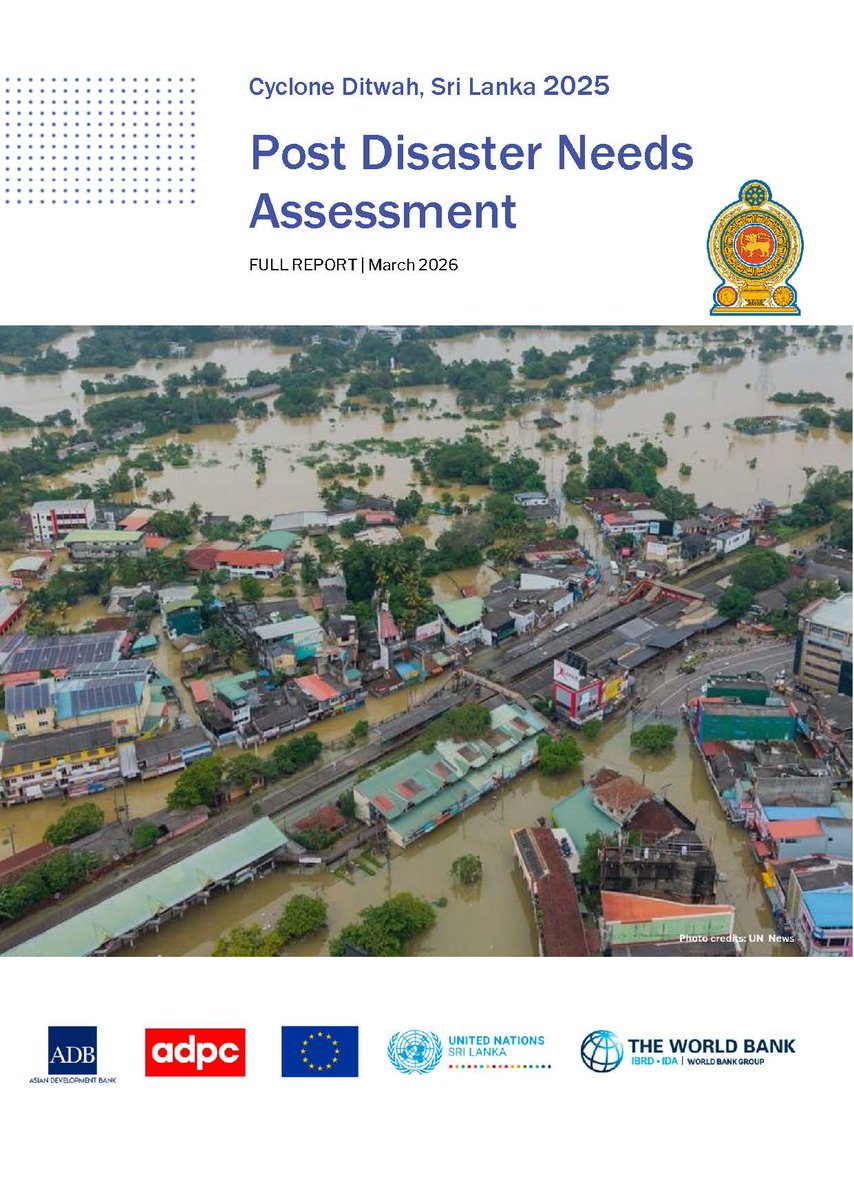
Sri Lanka’s #CycloneDitwah PDNA helps chart a path from disaster recovery to long-term resilience.
An important collaborative effort supporting risk-informed & resilient recovery planning in 🇱🇰.
.@UNDP Sri Lanka congratulates the Government of Sri Lanka on the completion of the Post-Disaster Needs Assessment (#PDNA) for Cyclone Ditwah-a major milestone for a coordinated, evidence-based recovery.
The PDNA, mandated under the “Rebuilding Sri Lanka” Presidential Task Force, consolidates findings on damages, losses, and recovery needs across 22 severely impacted districts, helping align recovery planning, prioritisation, and resource mobilisation.
UNDP is proud to have supported the overall technical coordination for this Government-led process alongside partners.
READ MORE: https://t.co/0kVGhir8kB
@UNDPCrisis@UNDPasiapac@UNSriLanka@ADB_HQ@EU_in_Sri_Lanka@WorldBankGroup@ADPCnet
From early warnings to infrastructure & community preparedness, investing in resilience means protecting development gains before disasters strike.
Ahead of #EuropeDay, read how #EUandUNDP are advancing risk-informed development 👉https://t.co/9O91FcudvT
@EUatUN @EU_FPI
Hazards don’t become disasters on their own, highrisks does the damage.
In Sri Lanka🇱🇰, Cyclone Ditwah showed why risk-informed development matters.
@AzusaKubota & I ✍🏽 in @FT_SriLanka on reducing losses through planning, infrastructure & risk finance.
https://t.co/NrLgAMPVPj
A 24-hour advance warning of an incoming hazard can reduce damage by upto 30%.
Better access to climate information can protect development gains at scale.
Our publication with @WMO shows how risk-informed decisions build resilient futures: https://t.co/RLJpzzUx1S
#WorldMetDay
When disasters strike, women are often on the frontlines - guiding preparedness and recovery efforts.
As hazards intensify, read how strengthening women’s leadership in disaster risk reduction is building safer, more resilient communities.
https://t.co/0fsEzLAOnK
#IWD2026
As climate risks rise, many parts of the 🌎 are becoming uninsurable. Without resilience, premiums rise & risk reduction stalls. We need insurance models that price risk & reward adaptation, I ✍🏾 w/ Lauren Carter & Miguel Solana from @UNDP_SDGFinance. https://t.co/L3u0adsvgi
From the Himalayas to the Andes, from the Caucasus to the Pamirs & the Altai, mountain communities everywhere are on the frontline of disaster risks.⛰️ Read how @UNDP works to build resilience in mountain regions globally. https://t.co/0QOkTBaCVJ #MountainsMatter