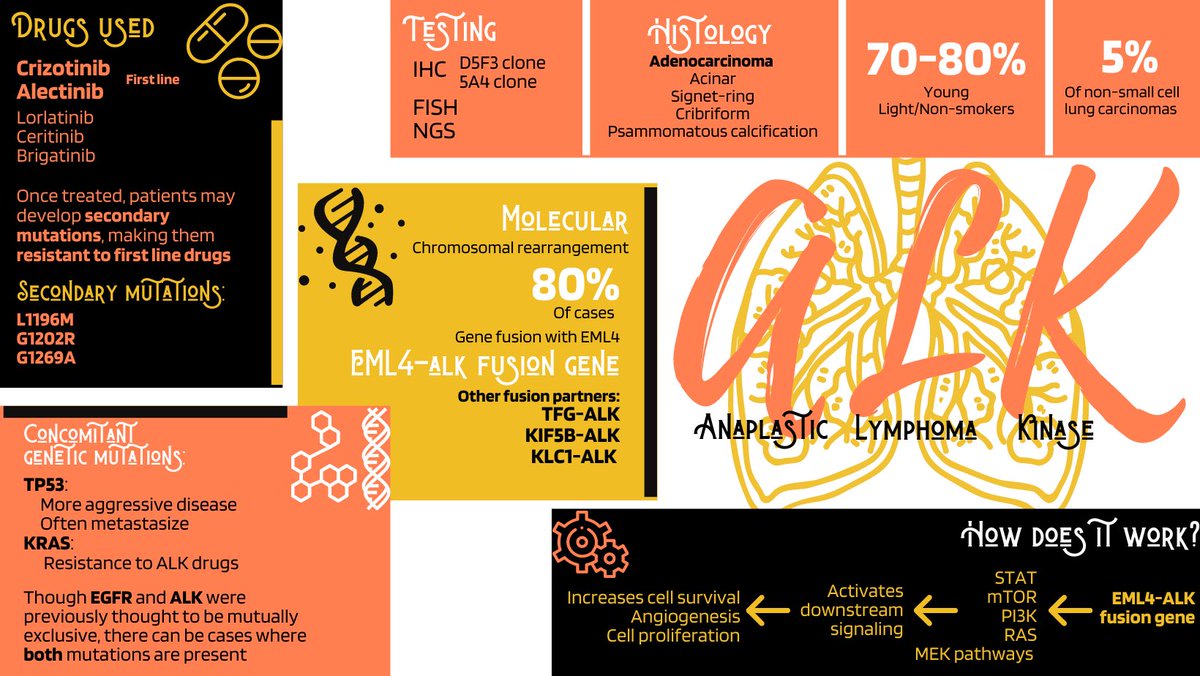
Most common genetic mutations in adenocarcinoma of the lung:
- KRAS (20-25%) - Poorer prognosis
- EGFR (10-15%) - Better prognosis --> respond to treatment with Tyrosine Kinase Inhibitors
- ALK (5-7%) - may benefit from treatment with ALK inhibitors
#TwitterHomework@kmirza
Solitary, well circumscribed spindle cell lesion -> Neurofibroma, with an unusually cellular region. Mit. 3/10 hpf. Stains provided. No clinical evidence of NF1.
What would you call this? Would you recommend radiation for this excised tumor?
#bstpath#pathology
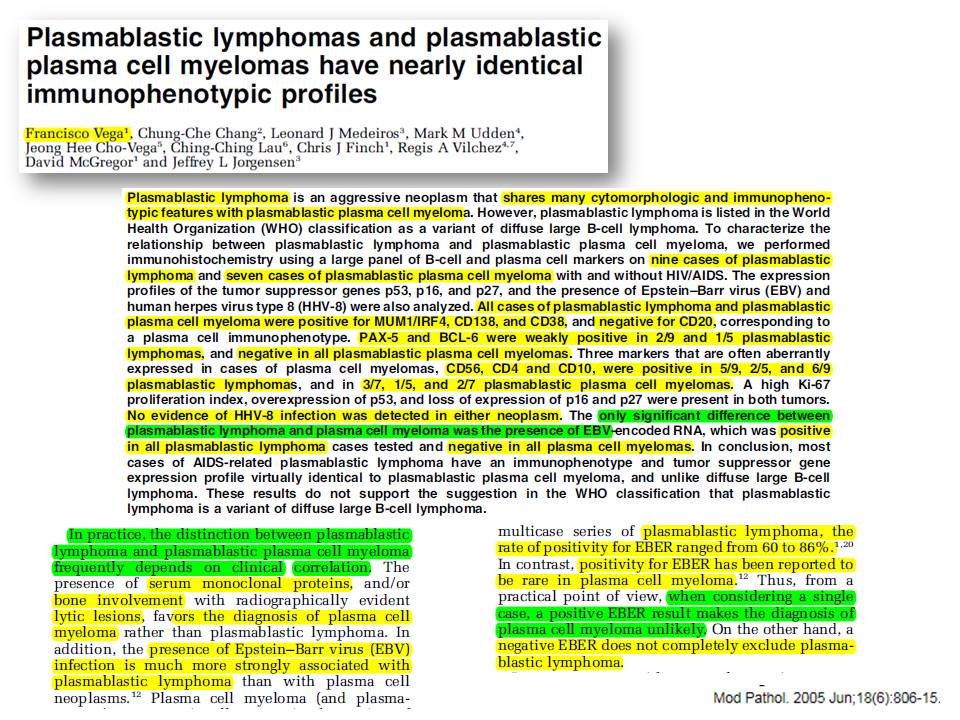
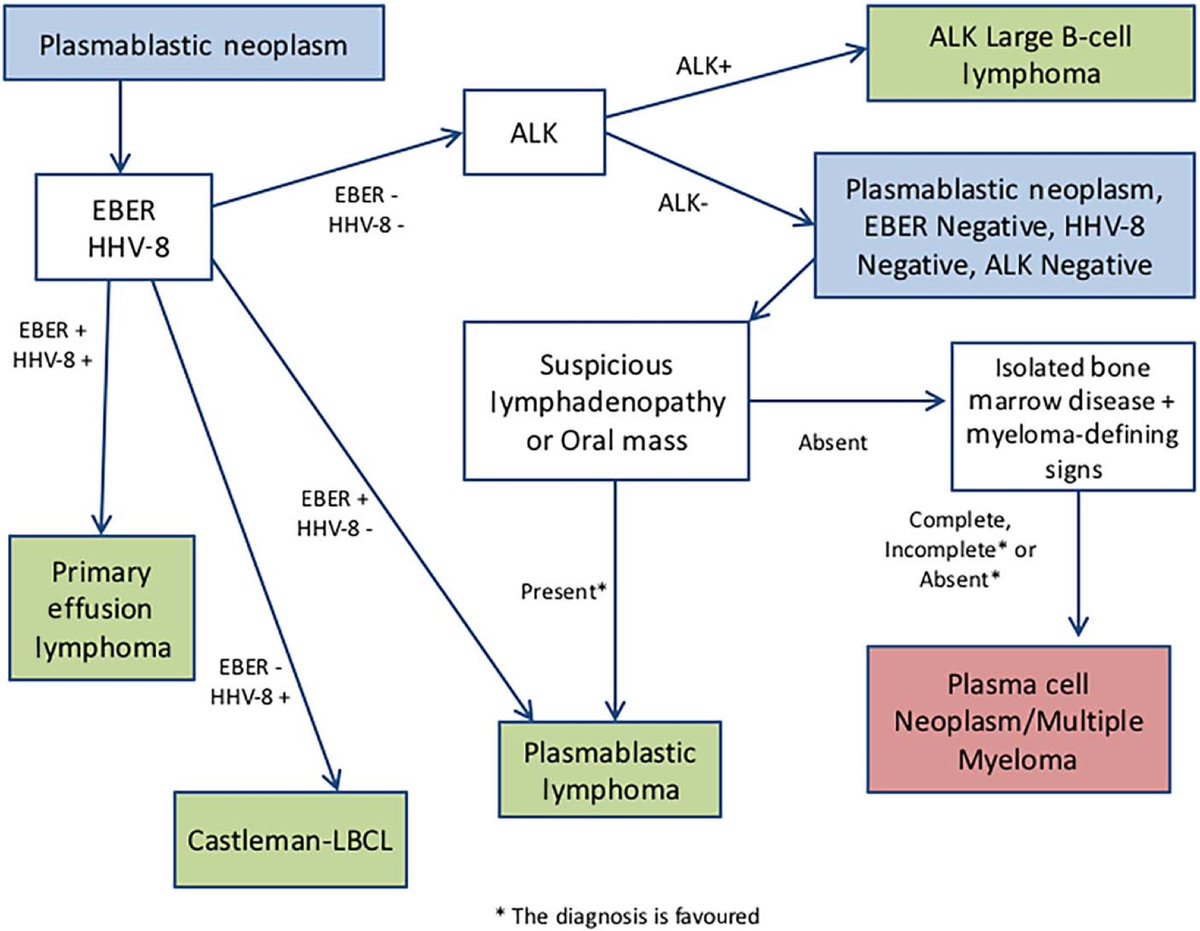
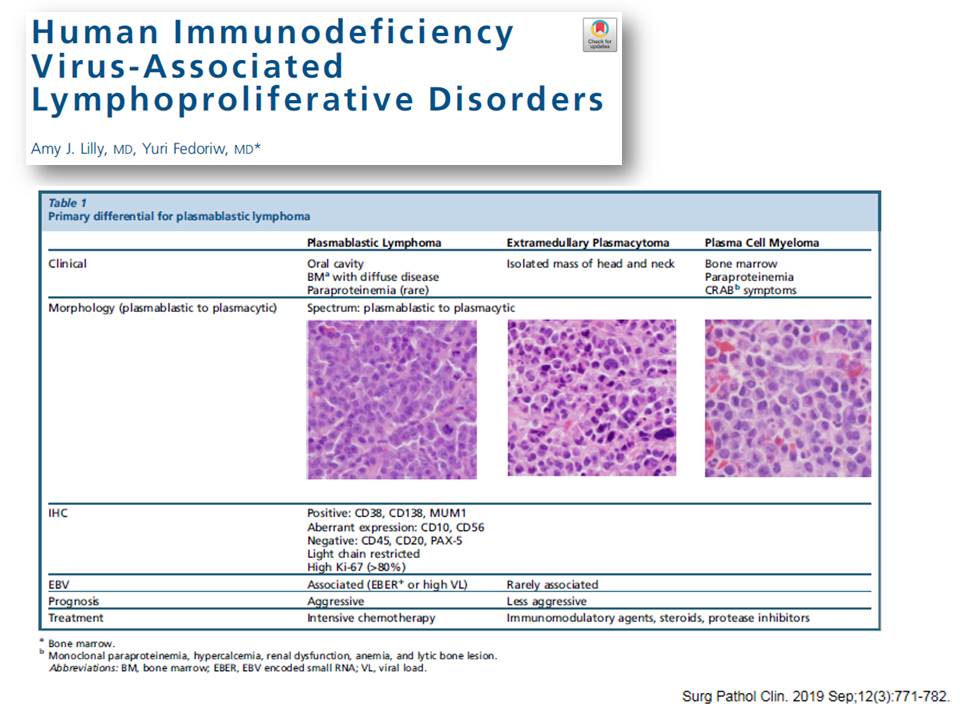
@SibaElHussein The distinction between plasmablastic neoplasms is often difficult, particularly in EBV-negative cases arising in immunocompetent adults. 3 papers that can be helpful in this differential
#hemepath
https://t.co/UZHBMcRc9W
https://t.co/OeRbPrYVOI
https://t.co/jrwnoEysDt
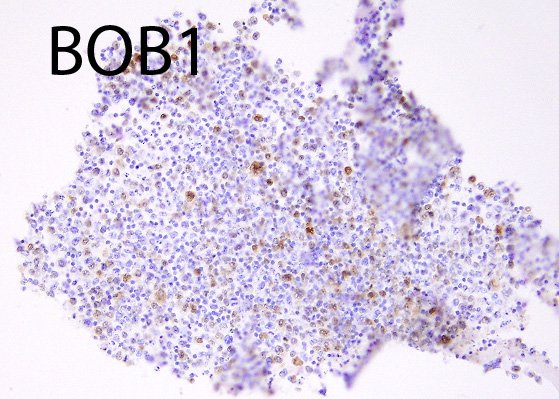
Primary effusion lymphoma HHV8+/EBV+, from Dr. Dennis O'Malley of our advisory board for the 5th series of AFIP Fascicles. Of all the pan B cell markers, BOB1 is mostly commonly expressed in PEL, even when all other B cell markers are lost. Buy his book! https://t.co/Uu8QV9Petx
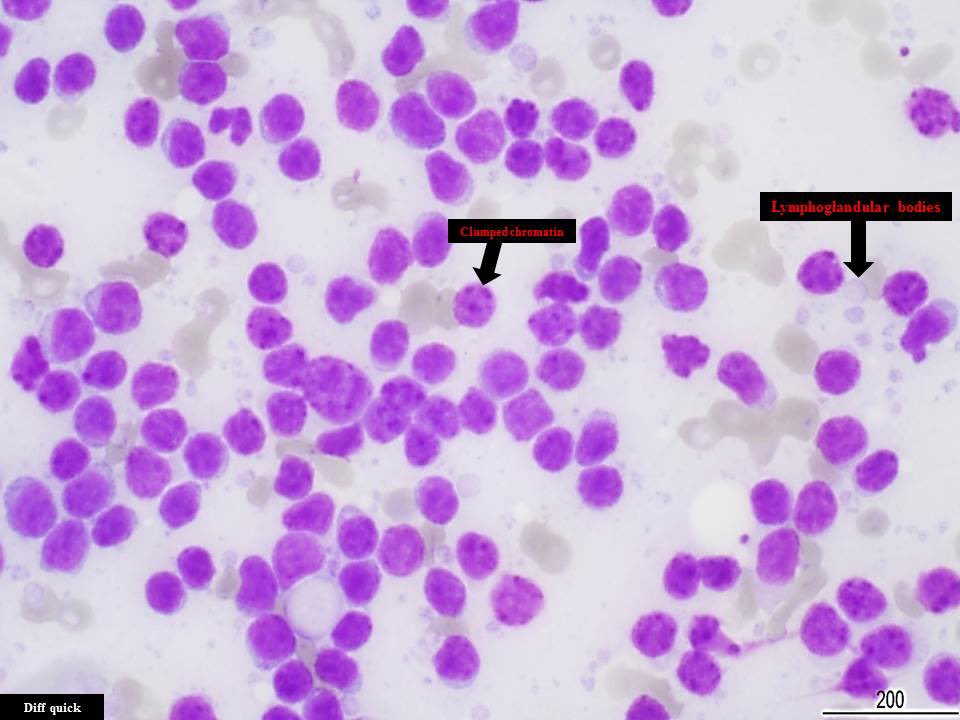
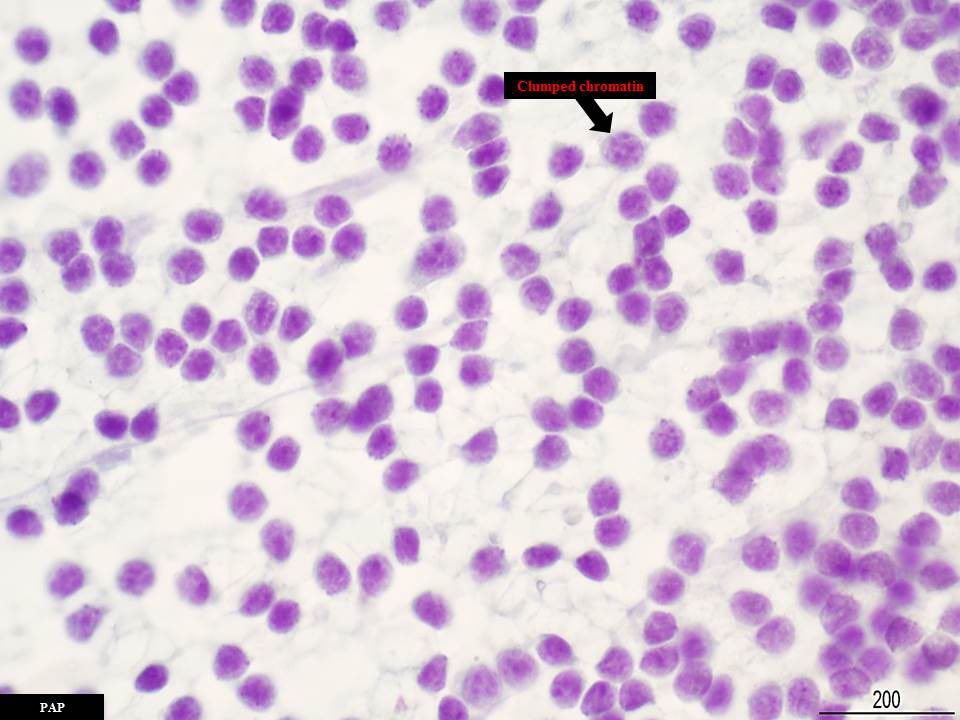
A neck #lymph_node#FNA in a patient with CLL/SLL. A monotonous population of mainly mature small lymphocytes with very scant cytoplasm and clumpy chromatin. A few prolymphocytes and paraimmunoblasts are also present. Notice the absence of tingible body macrophages. @SaeedAsiry
Hi #Pathologists- 55 yo white male with severe abdominal pain. Resection of segment of small bowel showed deeply invasive lymphoid infiltrate composed of cytologically bland cells with marked epitheliotropism & abnormal immunophenotype: CD3+ CD5- CD8+ CD56+. No celiac disease.Dx?
Mar. meeting highlights: 61M w hx of celiac diease, now w refractory sx and malabsorption. Atypical IELs: CD4- CD8- CD30+ CD56-. Dx: Enteropathy-associated T-cell lymphoma (EATL). Great contrast case to prior MEITL post! Case courtesy of @ErnaForgoMD, Dr. Teri Longacre. #GIpath
Enteropathy-associated T-cell lymphoma arises from intraepithelial T-lymphocytes. Type 1 associated with celiac disease and is CD56 negative. Type 2 not associated with celiac disease and is CD56 positive. Usually arises in jejunum as an ulcerated mass #GPOW#beardedPA#UofCPath
https://t.co/bF0Rmj9PmK
The sequel to ulcerative jejunitis...
Known jejunal mass on CT. They went back for more tissue. Similar ulcerative jejunitis features, as seen in previous biopsy (see x10), but in other pieces, it looked ugly...
@McgillPathRes#GIpath#hemepath