Not to be THAT dictionary, but…
It’s ‘per se,’ not ‘per say.’
It’s ‘dog-eat-dog world,’ not ‘doggy-dog world.’
It’s ‘hunger pangs,’ not ‘hunger pains.’
It’s ‘one and the same,’ not ‘one in the same.’
It's 'buck naked,' not 'butt naked.'
@LisaDNews What about allowing the ACA premium tax credit subsidies, @LisaDNews ? I read that those are set to expire end of year. Are those addressed in this bill?
I admit I can get "in the weeds" sometimes when it comes to things like #highereducation#accreditation. So, here's an article that provides a good introduction to this "land I live in." If you have any questions, feel free to reach out through my website.
https://t.co/BnJKm2AzDq
Small colleges face a big challenge: how to disaggregate assessment data when the student body is too small or homogenous. In my latest blog post, I share practical ways to make data-informed decisions—even with limited data.
📊 Read more: https://t.co/1F5uZP8j8I
#HigherEd
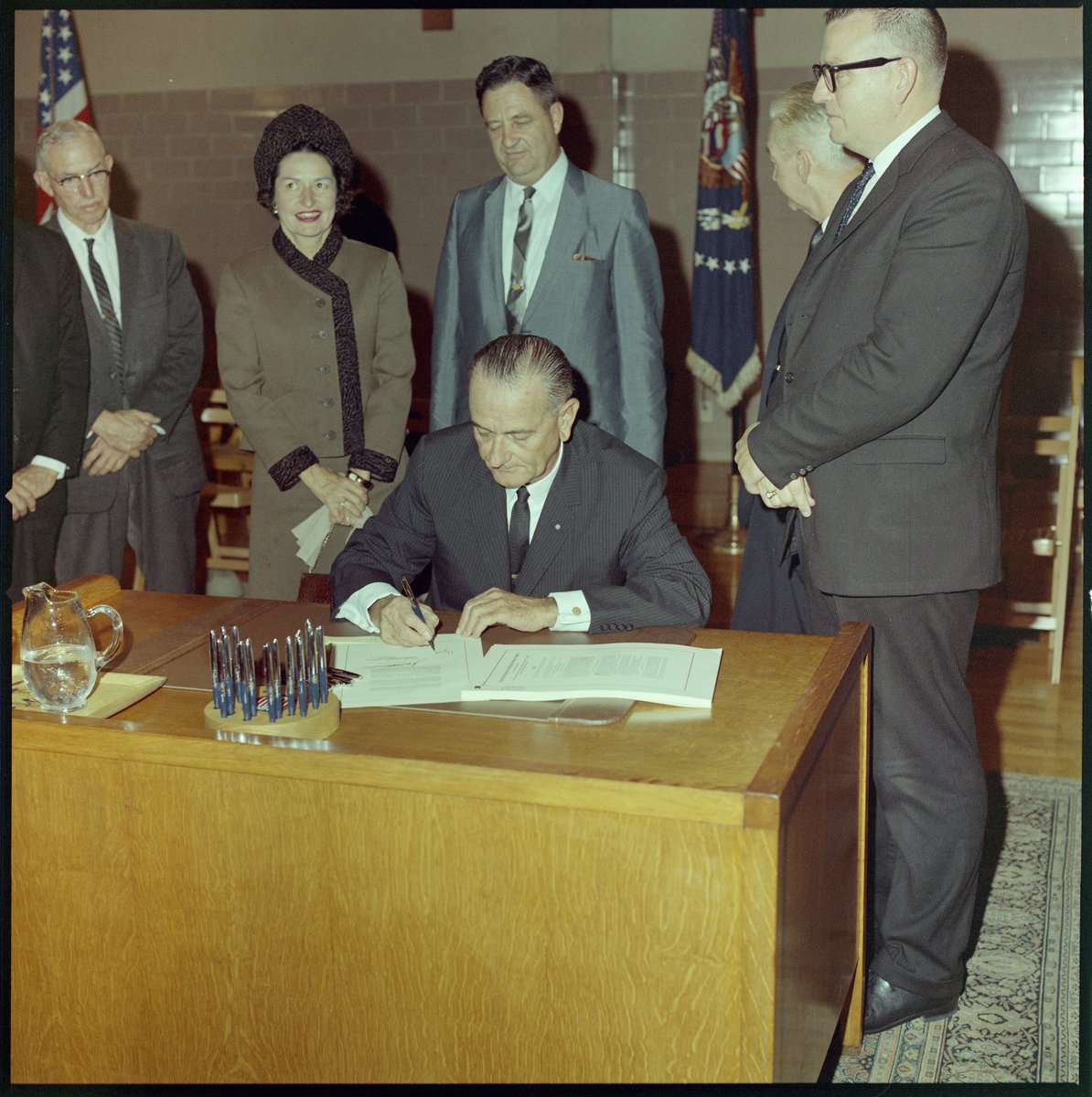
So grateful to President Johnson for his contributions to both K-12 and higher education. I don’t think he gets nearly the credit that he deserves for his tremendous accomplishments. #HigherEducationDay
It's #HigherEducationDay!
When #LBJ signed the #HigherEducationAct in 1965 at his alma mater @txst, he knew it would create opportunities for young Americans. He stated, "...it is the most important door that will ever open—the door to education." 📚
📷 Frank Wolfe | 11/08/1965
Some excellent topics in the first issue of the AIUS Journal of Research & Scholarship. Journal article discussions can be a wonderful form of professional development for your department or #highered institution.
https://t.co/WnI4leRHvs
I thought only cats had 9 lives. By the hair of their chinny-chin-chin...Let's hope this institution is able to keep moving forward in a positive way. #highereducation#accreditation
https://t.co/75MfGeMFE0
2/2 This could be a game changer when it comes to students gaining employment post-completion. A triple win for students, employers, and the institutions themselves. #microcredentials#highereducation
https://t.co/YNw4RyJkOO
The concept of #microcredentials, whether standalone or stackable, is certainly not new. What's new is offering students an opportunity to earn them for free. #highereducation 1/2
3/3: What are some innovative practices you have tried or want to try at your institution to boost enrollment but also make an impact on the greater good? #highered#innovation https://t.co/f8JcALeFLS
This is an excellent research study but with sobering results. So many colleges & universities are suffering right now & many are being forced to make extreme program & personnel cuts. Some are closing their doors altogether & this is a trend I think will continue. 1/3
Ensuring consistency in assessment is crucial in higher education. Check out my latest article on the critical role of inter-rater reliability. #HigherEd#Assessment#InterRaterReliability
https://t.co/vUSJxz4XQa
Making data-informed decisions is essential to #highereducation continuous program improvement. We can't make decisions based on hunches or feelings -- must have a solid system in place to collect & analyze data, look for trend lines, identify strengths & weaknesses, etc.
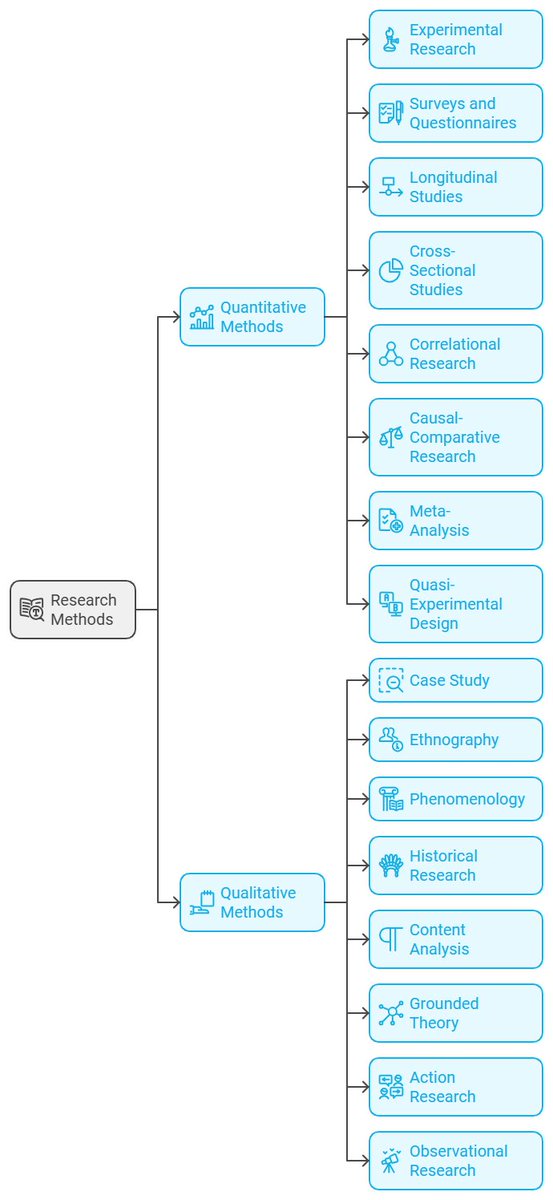
PhD Students - What are the different research methods you can use?
Here is a list of 16 research methods you can use for your research.
𝐏𝐫𝐢𝐦𝐚𝐫𝐢𝐥𝐲 𝐐𝐮𝐚𝐧𝐭𝐢𝐭𝐚𝐭𝐢𝐯𝐞 𝐌𝐞𝐭𝐡𝐨𝐝𝐬
𝟏. 𝐄𝐱𝐩𝐞𝐫𝐢𝐦𝐞𝐧𝐭𝐚𝐥 𝐑𝐞𝐬𝐞𝐚𝐫𝐜𝐡: Manipulates variables to determine cause and effect.
𝟐. 𝐒𝐮𝐫𝐯𝐞𝐲𝐬 𝐚𝐧𝐝 𝐐𝐮𝐞𝐬𝐭𝐢𝐨𝐧𝐧𝐚𝐢𝐫𝐞𝐬: Collects data from a large number of respondents using structured questions.
𝟑. 𝐋𝐨𝐧𝐠𝐢𝐭𝐮𝐝𝐢𝐧𝐚𝐥 𝐒𝐭𝐮𝐝𝐢𝐞𝐬: Observes the same subjects over a period of time to detect changes.
𝟒. 𝐂𝐫𝐨𝐬𝐬-𝐒𝐞𝐜𝐭𝐢𝐨𝐧𝐚𝐥 𝐒𝐭𝐮𝐝𝐢𝐞𝐬: Analyzes data from a population at a specific point in time.
𝟓. 𝐂𝐨𝐫𝐫𝐞𝐥𝐚𝐭𝐢𝐨𝐧𝐚𝐥 𝐑𝐞𝐬𝐞𝐚𝐫𝐜𝐡: Investigates the relationship between two or more variables without manipulating them.
𝟔. 𝐂𝐚𝐮𝐬𝐚𝐥-𝐂𝐨𝐦𝐩𝐚𝐫𝐚𝐭𝐢𝐯𝐞 𝐑𝐞𝐬𝐞𝐚𝐫𝐜𝐡: Compares two groups to identify the cause or effect of differences.
𝟕. 𝐌𝐞𝐭𝐚-𝐀𝐧𝐚𝐥𝐲𝐬𝐢𝐬: Combines results from multiple studies to identify trends or common findings.
𝟖. 𝐐𝐮𝐚𝐬𝐢-𝐄𝐱𝐩𝐞𝐫𝐢𝐦𝐞𝐧𝐭𝐚𝐥 𝐃𝐞𝐬𝐢𝐠𝐧: Resembles experimental research but lacks random assignment to control and experimental groups.
𝐏𝐫𝐢𝐦𝐚𝐫𝐢𝐥𝐲 𝐐𝐮𝐚𝐥𝐢𝐭𝐚𝐭𝐢𝐯𝐞 𝐌𝐞𝐭𝐡𝐨𝐝𝐬
𝟗. 𝐂𝐚𝐬𝐞 𝐒𝐭𝐮𝐝𝐲: In-depth study of a single subject or group to explore an underlying principle or situation.
𝟏𝟎. 𝐄𝐭𝐡𝐧𝐨𝐠𝐫𝐚𝐩𝐡𝐲: Studies cultural groups in their natural environment through participant observation and interviews.
𝟏𝟏. 𝐏𝐡𝐞𝐧𝐨𝐦𝐞𝐧𝐨𝐥𝐨𝐠𝐲: Focuses on individuals' subjective experiences and interpretations of the world.
𝟏𝟐. 𝐇𝐢𝐬𝐭𝐨𝐫𝐢𝐜𝐚𝐥 𝐑𝐞𝐬𝐞𝐚𝐫𝐜𝐡: Examines past events to draw conclusions about the past and project potential future outcomes.
𝟏𝟑. 𝐂𝐨𝐧𝐭𝐞𝐧𝐭 𝐀𝐧𝐚𝐥𝐲𝐬𝐢𝐬: Systematically analyzes the content of communication to interpret patterns and meanings.
𝟏𝟒. 𝐆𝐫𝐨𝐮𝐧𝐝𝐞𝐝 𝐓𝐡𝐞𝐨𝐫𝐲: Generates a theory based on data collected from fieldwork observations.
𝟏𝟓. 𝐀𝐜𝐭𝐢𝐨𝐧 𝐑𝐞𝐬𝐞𝐚𝐫𝐜𝐡: Involves iterative problem-solving led by individuals working with others in teams or as part of a "community of practice."
𝟏𝟔. 𝐎𝐛𝐬𝐞𝐫𝐯𝐚𝐭𝐢𝐨𝐧𝐚𝐥 𝐑𝐞𝐬𝐞𝐚𝐫𝐜𝐡: Observes subjects in their natural environment without interference.
Effective communication is essential for success within the Quality Assurance space, and it requires a specific skill set. Essential to "tell the institution's story" in a way that makes sense to a regulatory body or accreditor. #highereducation#qualityassurance#communication
Love this, but am green with envy! This has been on my bucket list for years. Would be cool to find a small group to go with. You listening, @roadscholarorg?