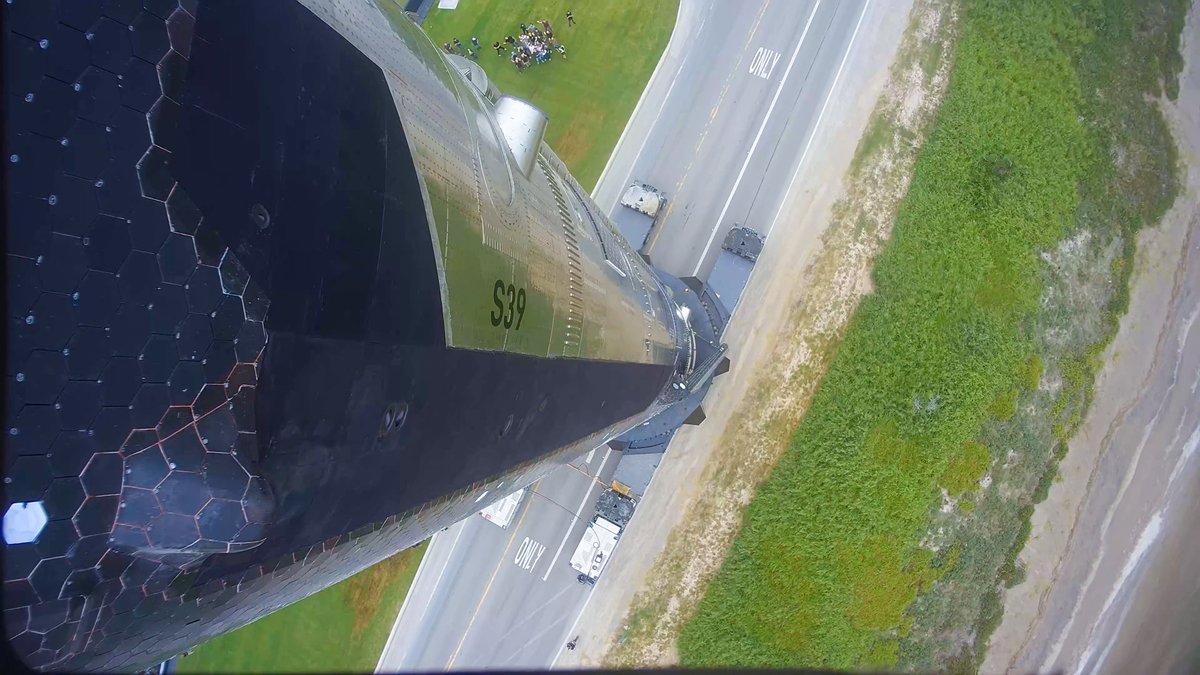
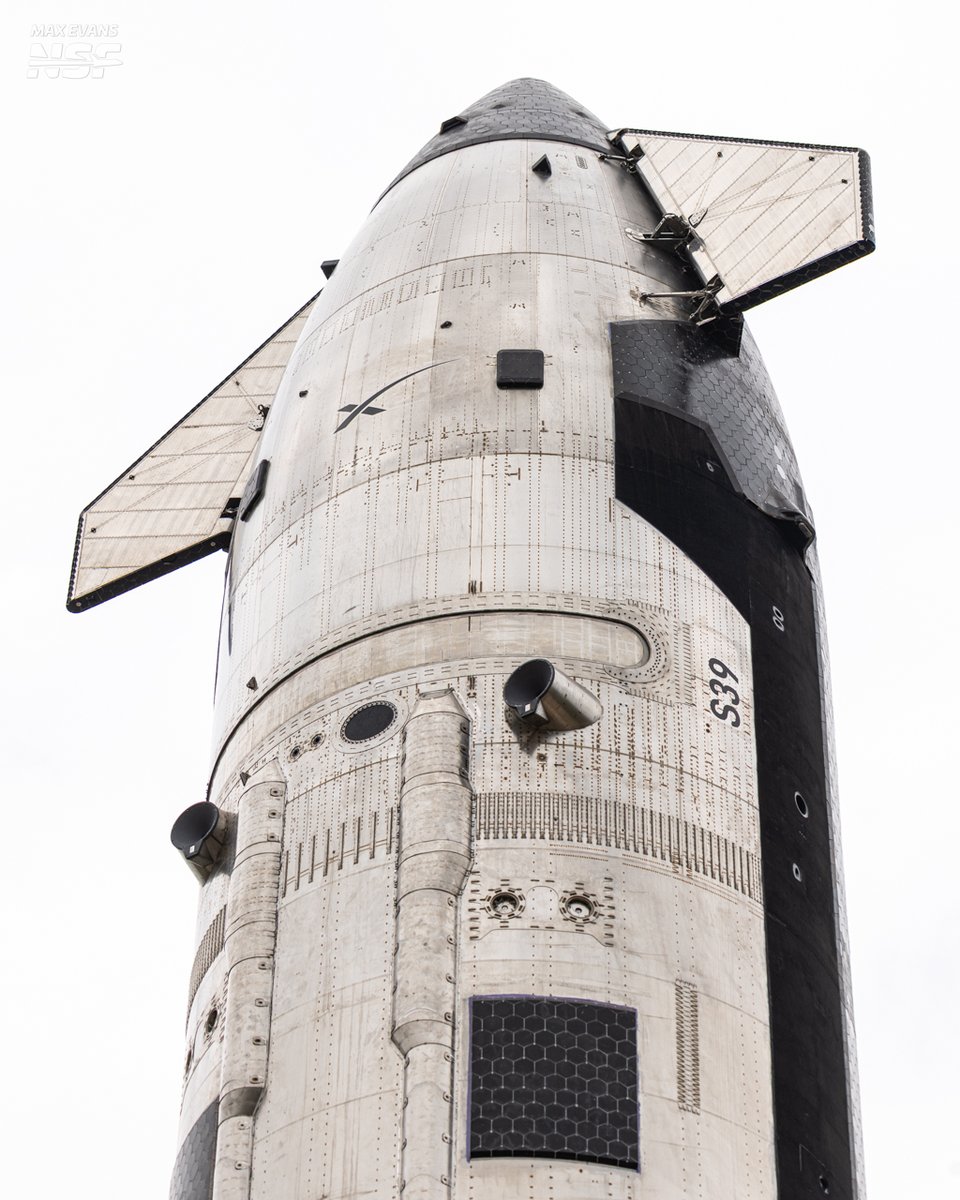
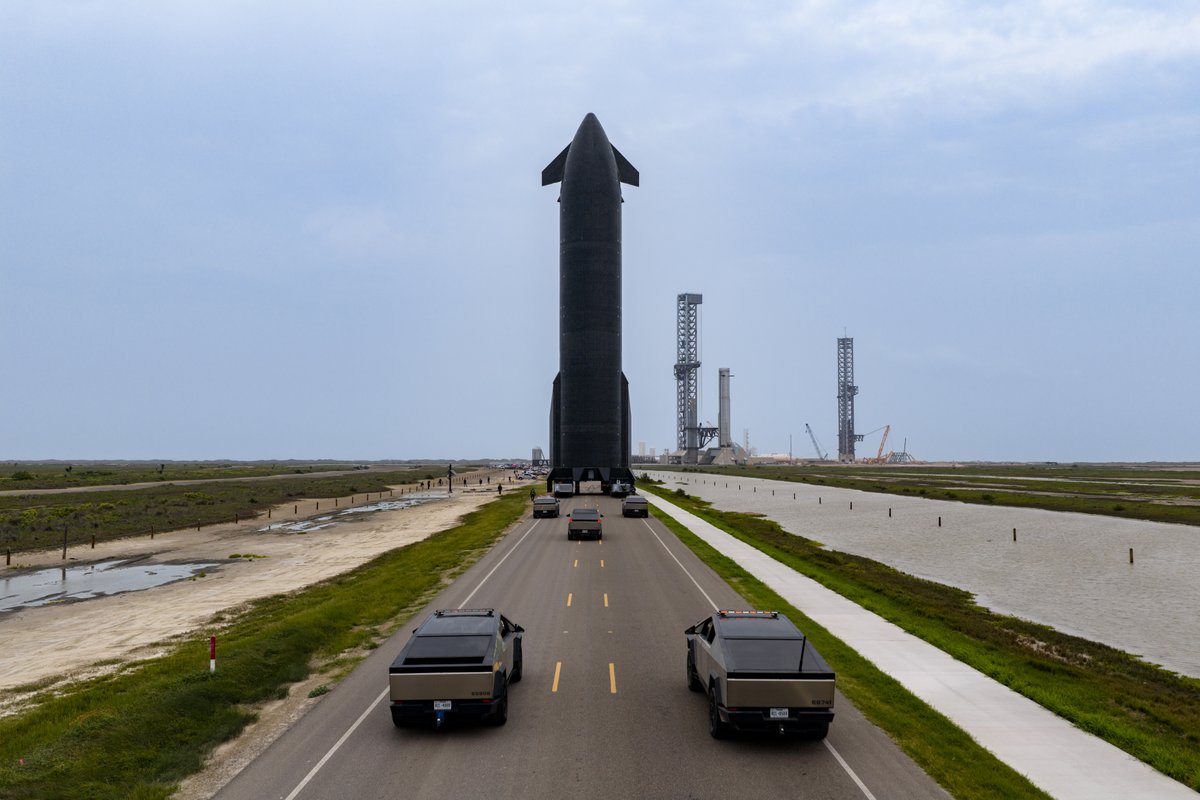
SpaceX raised only $12B of capital before going public. With that $12B, they revolutionized the rocket industry, built a global satellite network, and created arguably the most innovative company of all time.
The federal government spends $12B every 15 hours and still can’t get its shit together. Prior to SpaceX, NASA was sending astronauts into space on Soviet-era Russian Soyuz capsules.
So no, I don’t find Elon’s wealth to be a problem, and I wouldn’t trust Elizabeth Warren or Bernie Sanders to allocate a single dollar of it.
I think possibly the best thing about Elon Musk becoming a trillionaire is how angry it makes a bunch of losers who've never built a thing in their lives.
@SenWarren You could give “the typical American” 11 MILLION years and they still would not create PayPal, Tesla, SpaceX, OpenAI, xAI, Neuralink, Boring Company, Ad Astra, all while single-handedly saving free speech for all mankind.
I organized an intervention to stop Elon from starting SpaceX. Here is the story...
Twenty five years ago, Elon and I sat in a car on a dark stretch of Long Island highway, two neurodiverse geeks staring at the night sky and wondering what came next. We had both experienced substantial exits and felt the weight of possibility ahead of us.
When I joked about 'space' while gazing upward, neither of us imagined we were planting the seed for what would become the largest IPO in history. We spent the next two hours debating why space was so hard. In the end, rockets are fuel and metal. We also debated where to go, and it was crystal clear that Mars was the only real destination.
Upon returning to NYC, we embarked on a global tour of space, meeting space agencies and luminaries worldwide. This opened our eyes to an industry stuck in bureaucratic thinking. If things continued at that pace, it was clear that we would never explore space in our lifetime.
So, we launched Life to Mars to show the world that two ambitious young men (29 and 30 years old), could send life to Mars without any government backing or support. We planned to send and grow plants on Mars, though some were pushing us to send mice.
We had a $50 MM budget that rested on our purchase of two Russian ICBMs for $7 MM each. We assumed one ICBM would fail, and we would learn and fix everything before launching again. When Elon went back to actually buy the ICBMs, the Russians tripled the price, bringing out launch costs from a total of $14 MM to $42 MM.
Our ambitious Life to Mars plan was no longer viable.
As you might imagine, Elon was not pleased. So, he decided to start SpaceX and create his own Mars rockets. Now, this is a crazy idea, both now and at the time, so I organized a large panel of top space experts, and we ambushed him at the Georgian Hotel one morning. It was set up like an intervention for an alcoholic, but for space.
Elon looked me in the eye when leaving the room and said, "I am going to do this." The intervention failed. Elon was committed. The rest is history.
I am excited to see this IPO after 25 years of hard work. What SpaceX has done is a testament to human will and overcoming insurmountable obstacles. It's nothing short of amazing.
Congratulations, E. Amazing.
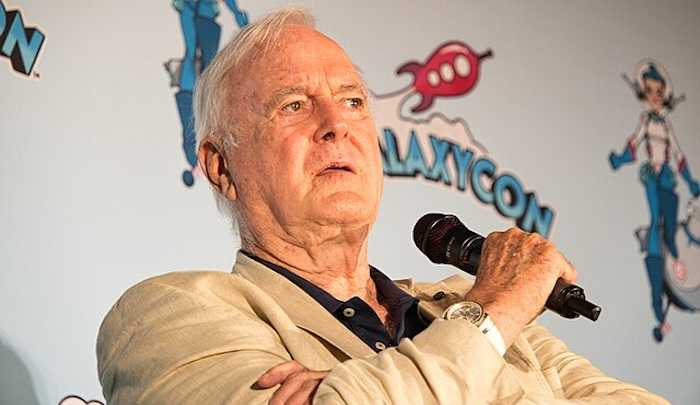
John Cleese asks why ‘non-radical’ Muslims are not speaking out against ‘radical Islam’
The answer that no one wants to face is that what is generally understood as “radical Islam” is taught in the Qur’an and Sunnah, and “non-radical” Muslims know this, and so they also know that if they speak out against it they could be accused of heresy or apostasy. Rather than have to live their lives looking over their shoulders in fear of their “radical” brethren, they keep silent. Then there are the outright deceivers, who teach that Islam properly understood is peaceful. They know better, but are trying to foster complacency among non-Muslims. A complacent infidel is one who does not fight back.
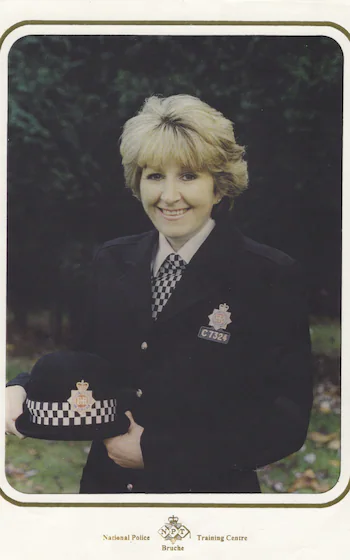
You might have heard of Maggie Oliver.
She's a former Greater Manchester detective who, in 2012, was ordered to abandon her investigation into the systematic rape of children in Rochdale, and decided she would rather resign her warrant card rather than do so.
Maggie, as that would imply, is one of the good ones. I constantly ask how our police can consider themselves worthy of the badge if they are not willing to return the badge rather than commit injustice in its name. Maggie did just that; she was asked to cover for criminals, so she told the shirts to stuff themselves and handed back her commission.
She won a small but consequential victory in the High Court on Friday. Mr Justice Kimblin granted her foundation a full judicial review of whether the British state has actually done anything about the recommendations it accepted, in 2022, at the end of a seven-year inquiry into the institutional cover-up of decades of child sexual abuse.
Maggie Oliver is one woman. She has no political party behind her and no standing in Whitehall. She has no peerage, no chambers, no billionaire foundation footing her bills.
She was ordered, by senior officers, to drop her investigation into a network of men who were raping children in industrial quantities in her city, because of the demographics to which those men belong made the whole thing a bit awkward.
Fourteen years on, she has done what nobody else in this country has been able to. She has hauled the British state into open court to answer for the choice it made, over four years and under two governments, to hold a seven-year, £200 million inquiry into the institutional cover-up of child abuse and implement, deliberately, none of that inquiry's recommendations.
The Home Office accepted those recommendations in 2022. So did the Department for Education, the police inspectorates and the Crown Prosecution Service. And then nothing happened. The recommendations sat. The departments restructured. Ministers rotated.
The girls and women who had given evidence aged. More such operations continued around the country, while the men who had run the previous set of them either walked free, left the country, or drew their own pensions.
The state, in the manner of every institution Tony Blair ever built, had decided that the writing of the report was the action, and the doing of the report could be handed off to history.
That is what Maggie Oliver has now forced into court. And the political class knows what that means. The Home Secretary has not commented. The Prime Minister has not commented. The candidates jockeying through the post-Starmer Labour succession have, at the time of writing, failed even to speak her name, as though they know that, if they do, lightning will flash in the sky and they'll be turned into a pillar of Tesco's-own-brand dishwasher salt.
They are silent because they recognise, accurately, that the answers a judicial review will produce - to the question of why their inquiry's findings were treated as ornamental - will, should, must end the careers of every official who was supposed to act on them and did not. That councillors and councils, mayors, indeed entire political parties, will be caught under ultraviolet light and shown for their guilt.
It's time a government did what the British state has spent twenty years declining to do. Take on institutional failure.
Name the institutions that failed, in public, on the record. Name the officers and officials who covered it up, and the officers and officials who pressed for the cover-up too. Prosecute them under the standards that any other employee of a public organisation defrauding the public would expect to face.
The recommendations the inquiry produced must be implemented in full, alongside whatever further measures a second look at the evidence then demands.
There will not be another inquiry into the inquiries. There will be the verdicts.
Maggie Oliver is one of the bravest people in Britain. She has earned, by her own resignation and by fourteen years and a foundation and a court case carried on her back, the right to expect from a future British government the simple thing that ought to have happened in 2014, in 2016, in 2018, in 2022 and in every other year of this national disgrace.
She has not yet been given it; we have not yet been given it. But it will be given, and soon.
An insanely beautiful pair of Gliophorus versicolor mushrooms, a group of waxcap fungi, known for their glossy, often brightly coloured caps
📸 cyanesense
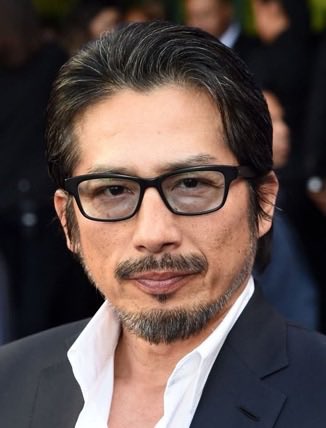
Japanese actor Hiroyuki Sanada spoke about the contradictions of human nature:
“Some people dream of having a swimming pool at home, while those who have one hardly ever use it. Those who have lost a loved one feel a profound sense of loss, while others often complain about their living relatives. Those without a partner long for one, while those who have one often don't appreciate it. The hungry would give anything for a meal, while the satiated complain about the taste of their food. Those without a car dream of owning one, while those who have a car are always looking for a better one.”
The key to happiness is gratitude: truly seeing and appreciating what we already have, and understanding that somewhere, someone would give anything for what we take for granted.
I read everywhere about the 'hard right'
This the term used to describe people who are
Islamosceptic - that is, people who are doubtful about the merits of a religion that demands child marriage, the beating of women, and death to all who oppose it
Perhaps 'sensible right' would be a better description
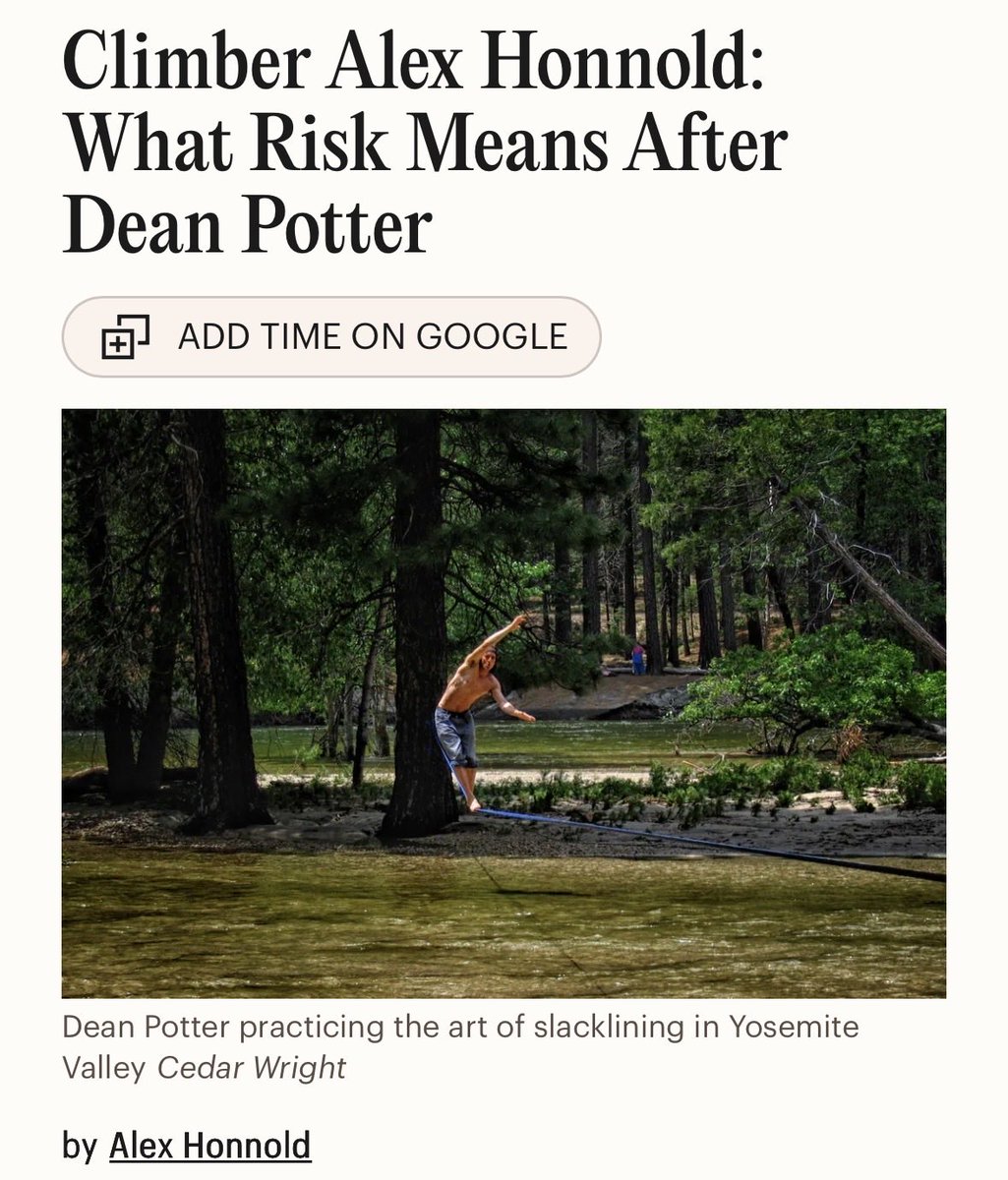
This is an article that I wrote following the death of Dean Potter in 2015 that I think does a good job of highlighting how inspirational he was to me personally and showing how much I admired his approach to his arts. The recent @HBO show The Dark Wizard used some of my interview clips to really make our relationship seem hyper competitive and dysfunctional, but the reality was a little more prosaic - we didn’t know each other super well and rarely saw each other. I was always kind of afraid of him because he was so intense. But I’d always been super inspired by his climbing and his vision.
We overlapped in Yosemite to some extent from 2006 until his death in 2015, so that’s nearly a decade in which I was normally spending about 3 months a year in Yosemite. We each did a handful of climbs over that time that were considered “competitive” (the Nose speed record being an obvious example). When you see it all in a 4 episode documentary it seems super fast and extreme - when you actually live it over a decade it all feels a lot slower and more normal…
The Dark Wizard does an amazing job of remembering Dean as the visionary climber that he was and it’s certainly worth a watch. Just remember that it’s edited for maximum effect.
https://t.co/ZujUomWKcV