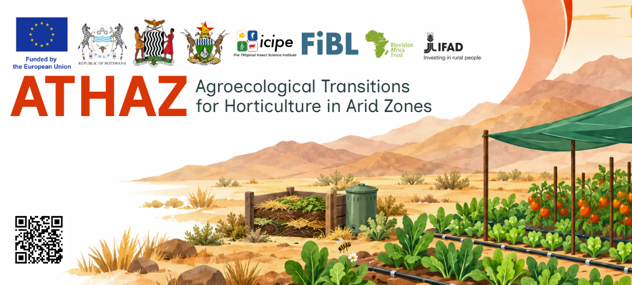
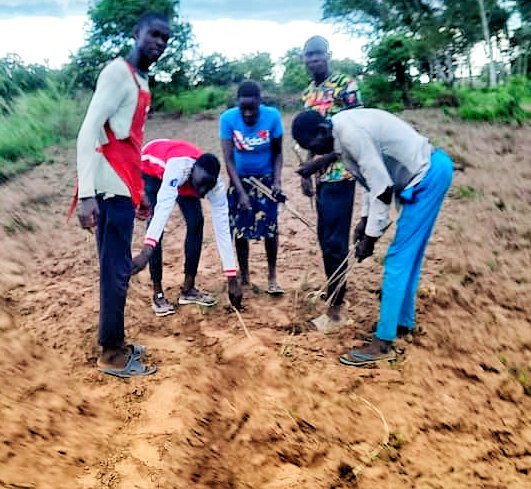
The European Union and @IFAD have launched Agroecological Transitions for Horticulture in Arid Zones (#ATHAZ), a EUR 14M programme helping smallholder farmers in Zimbabwe, Zambia, and Botswana build more climate-resilient, profitable horticulture systems. #FinancingTheFirstMile
Through #ATHAZ, 15,000 smallholder farming households will access water-efficient technologies, resilient seed systems, sustainable farming practices, and stronger market opportunities. The programme will establish 9 innovation hubs and strengthen 30 horticulture value chains.
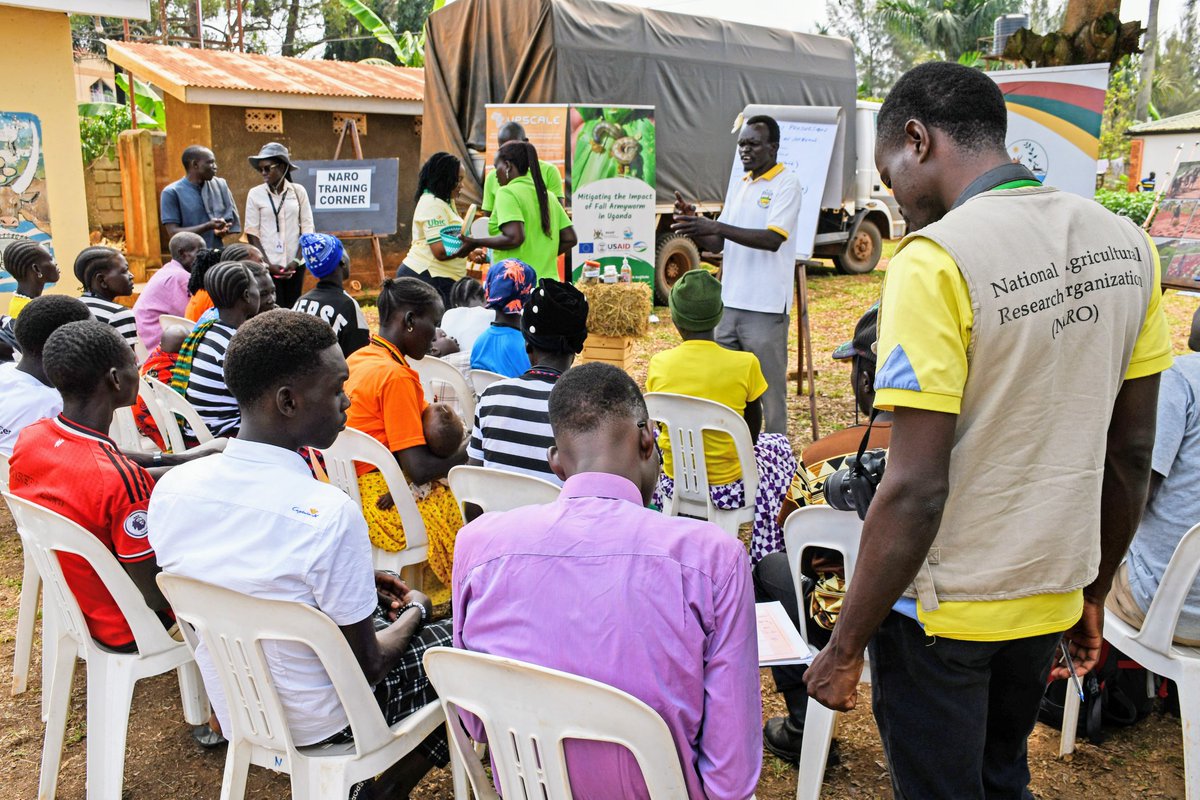
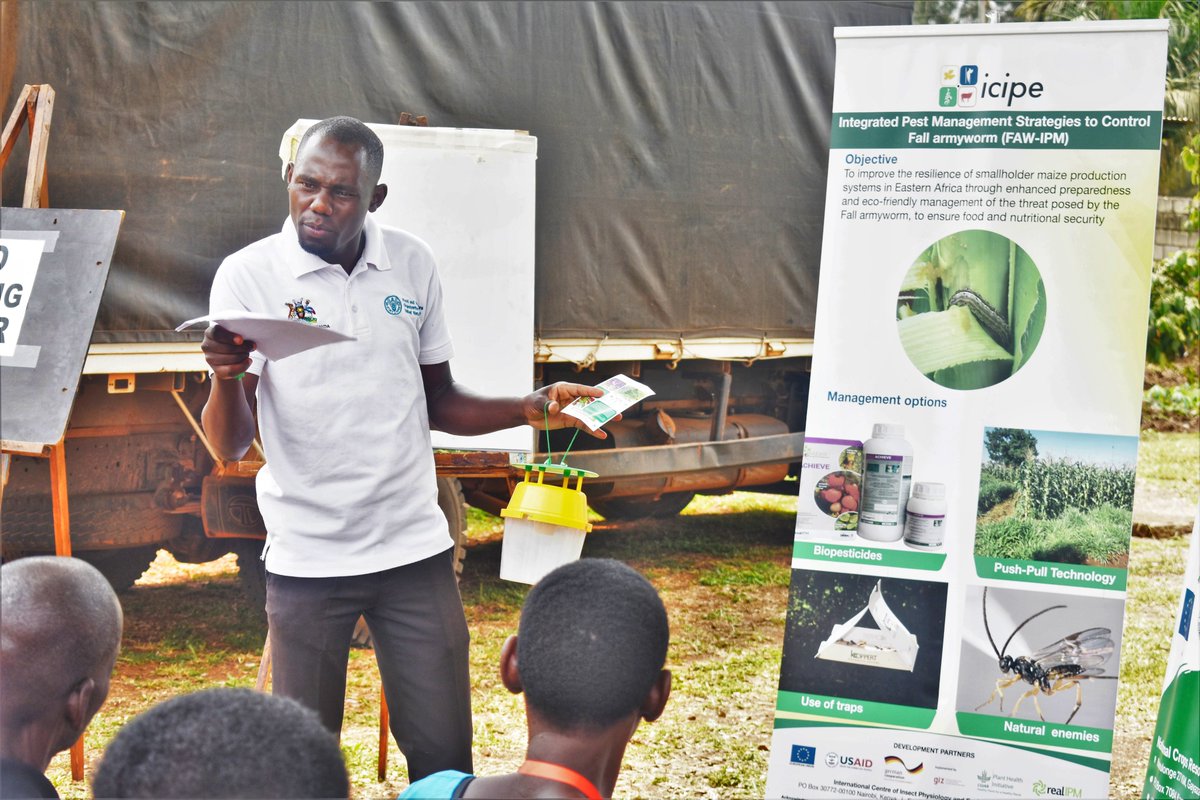
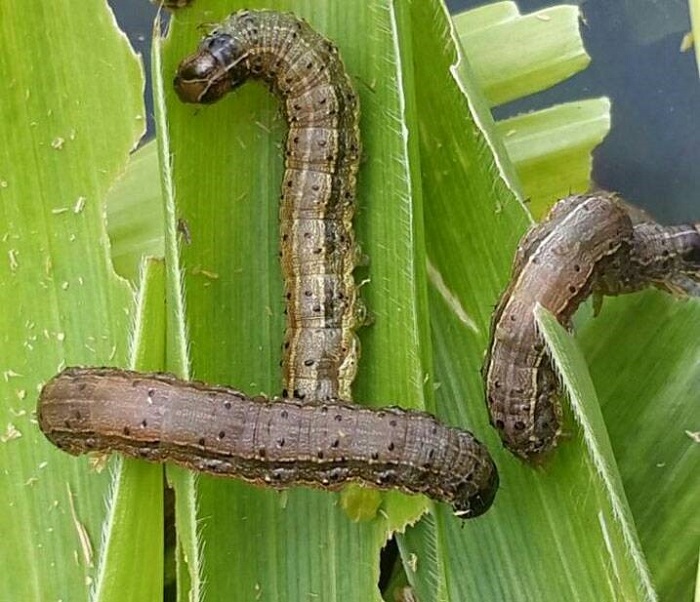
Don't let Fall ArmyWorm(FAW) damage your crops! Join us for exciting training sessions with our experts at the #NationalAgriculturalShow .
Come and learn effective FAW control methods as we secure our harvests together! #AgricShow24#CropProtection
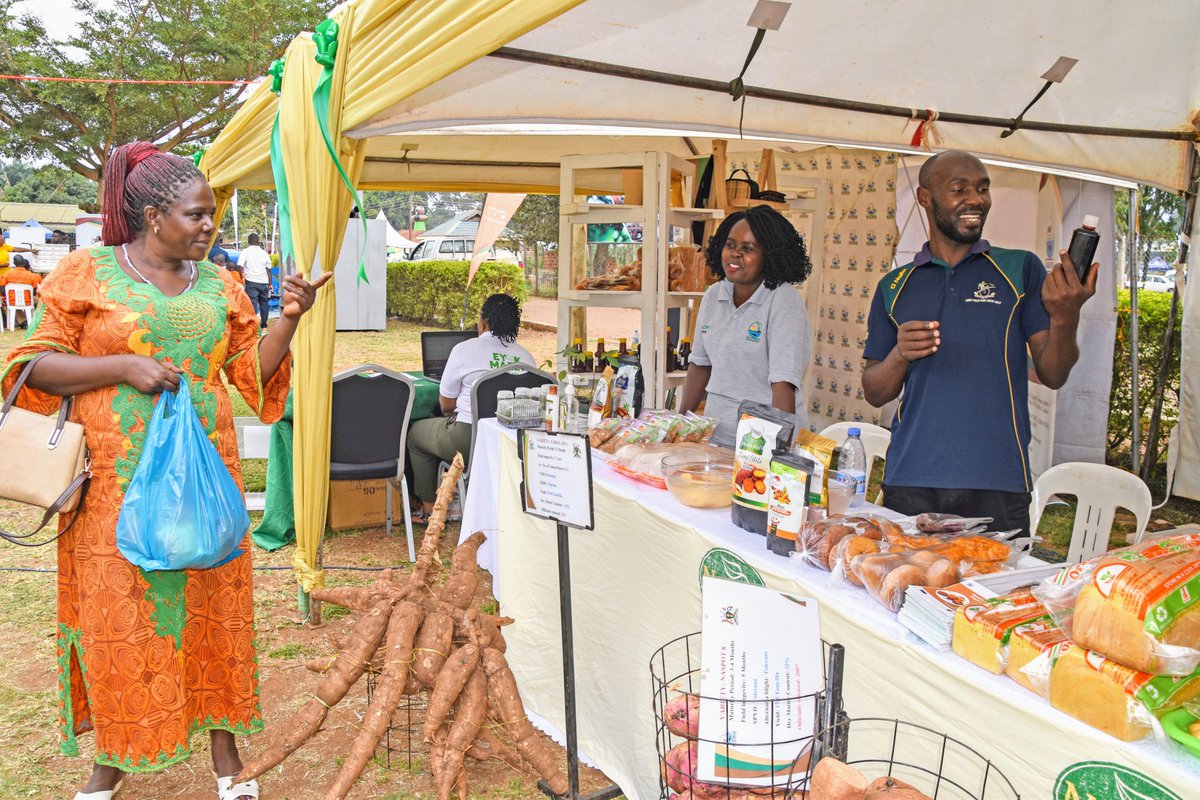
Experience the future of Agriculture with our institute at the 30th National Agricultural Show. Don't miss learning with us on ground as we showcase our latest technologies and value addition, driving farm-led agro-industralization . #AgriShow30#FarmToIndustry
Dr. John Adriko takes over as the new Director of Research at the National Agricultural Forestry Resources Research Institute - NaFORRI
https://t.co/h5HyC95JB7
@NAFORRI_UG@NARO_DG#NAROatWork
In Uganda ,GIZ is partnering with icipe, NARO,MAAIF and local stakeholders to test 4 environmental friendly innovations including the use of natural enemies , Biopesticides and the Push-Pull farming system in the management of Fall armyworm.@icipe
The Agroecological Innovations for Smallholder Pest Management Project (EcoPM) commissioned by the Federal Ministry for Economic Cooperation and Development (BMZ), is part of the fund for the Promotion of Innovation in Agriculture (i4ag).
@icipe@SaliouNiassy
The Agroecological Innovations for Smallholder Pest Management Project (EcoPM) commissioned by the Federal Ministry for Economic Cooperation and Development (BMZ), is part of the fund for the Promotion of Innovation in Agriculture (i4ag).
@icipe@SaliouNiassy
Encouraging farmers to use innovative and sustainable Agro-ecological methods like the push-pull technique will sustainably strengthen the resilience of smallholders to fall armyworm infestations in the cultivation and production of maize.
The project on the implementation of the Agro-ecological management of the Fall army worm had previous launches in Zambia and Malawi. It uses an integrated (comprehensive) approach.
@Rachelowino@icipe@MAAIF_Uganda@narouganda
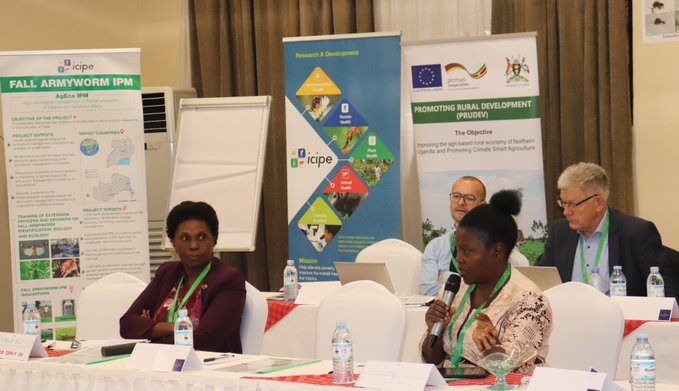
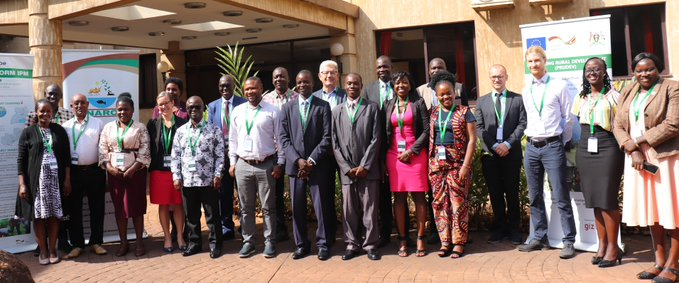
In recent years, Fall Army Worm invasion continues to threaten maize production for many smallholder farmers. Today at a workshop with partners (MAAIF, NARO, ICIPE & GIZ PRUDEV), we are kickstarting the project inception on implementation of its Agro-ecological management in Ug.
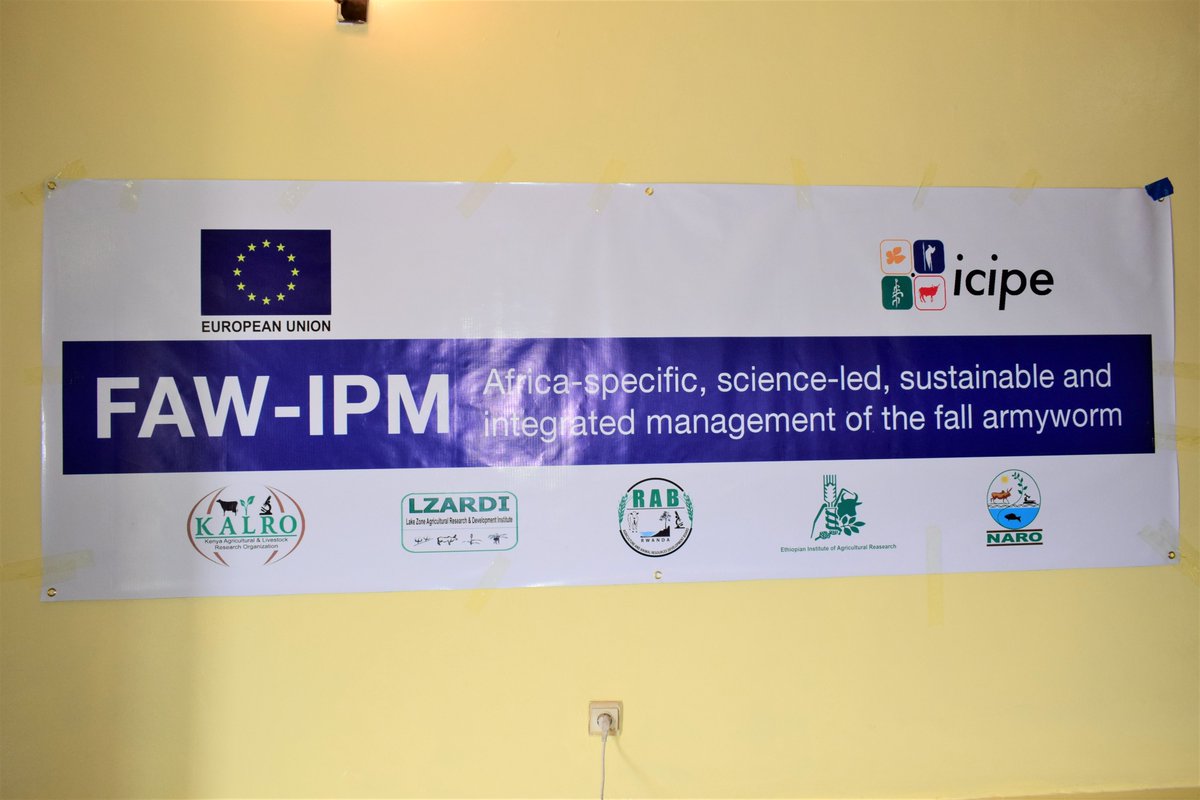
Managing the fall armyworm using natural enemies; a safer and economically viable option for small holder farmers in East Africa
#EU funded FAW_IPM project
Managing the fall armyworm using natural enemies; a safer and economically viable option for small holder farmers in East Africa
#EU funded FAW_IPM project
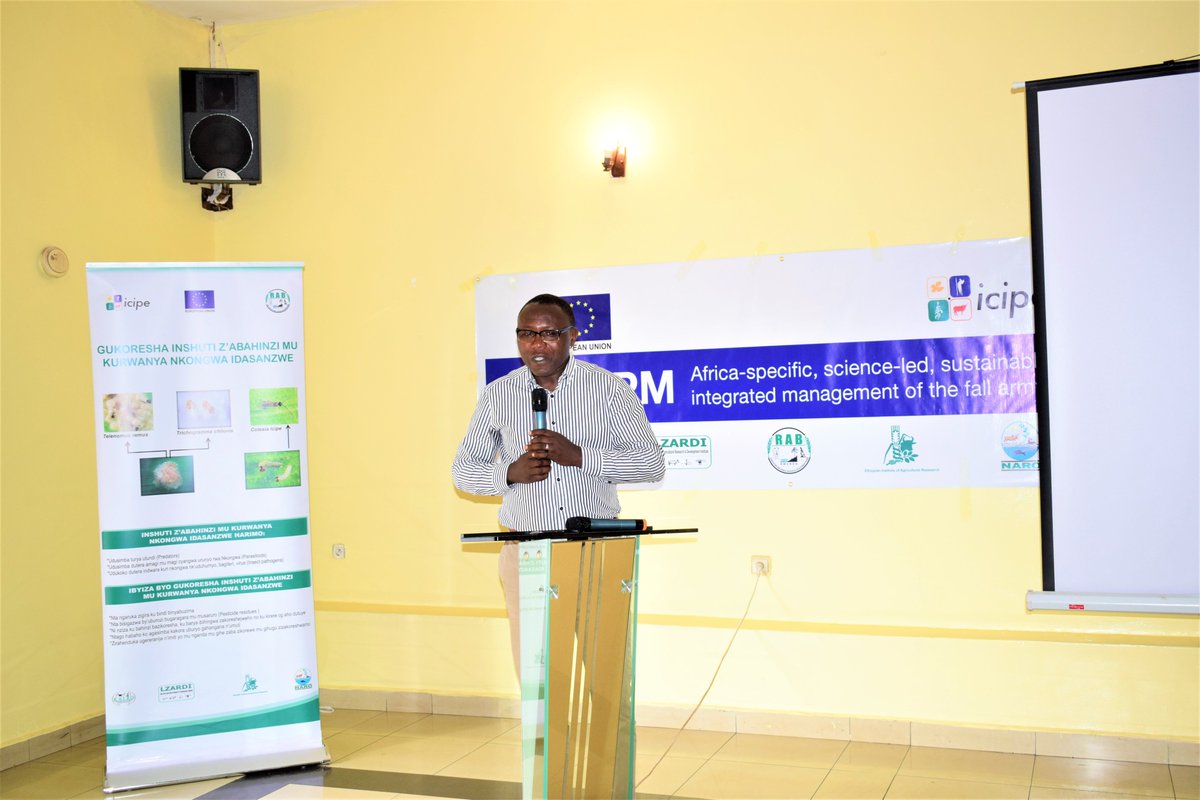
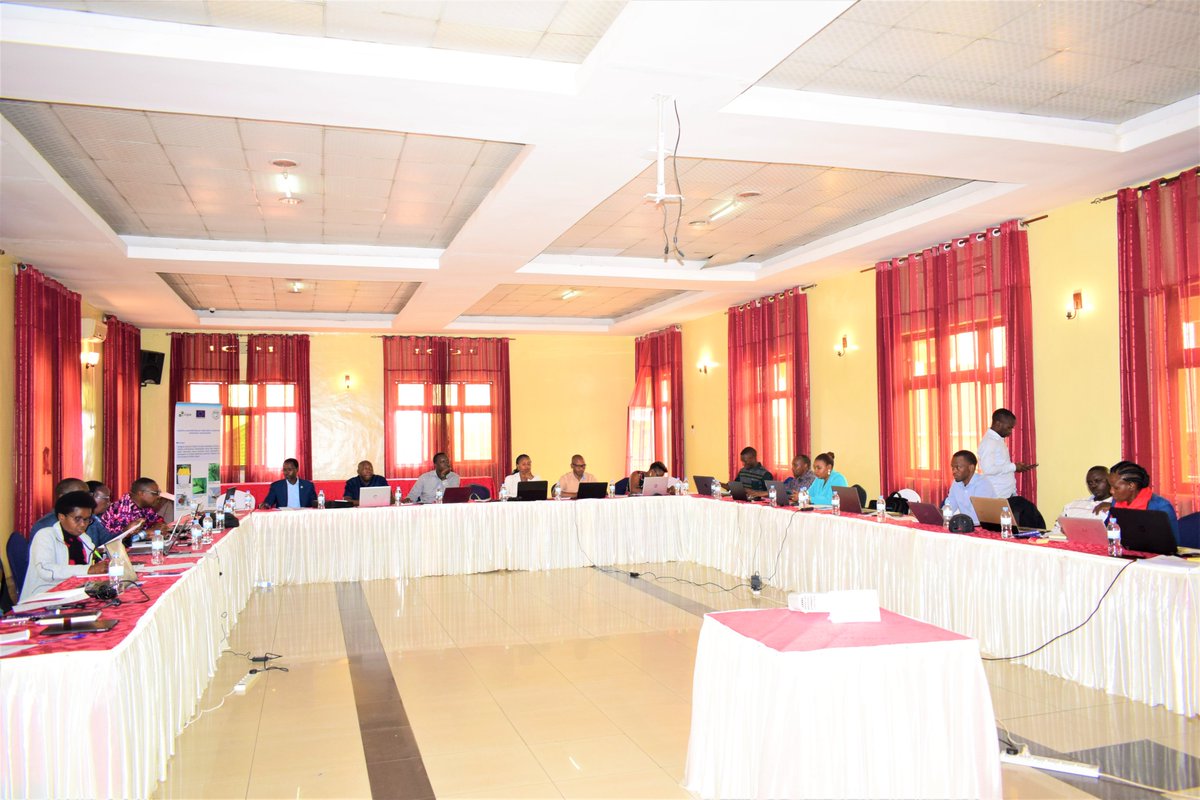
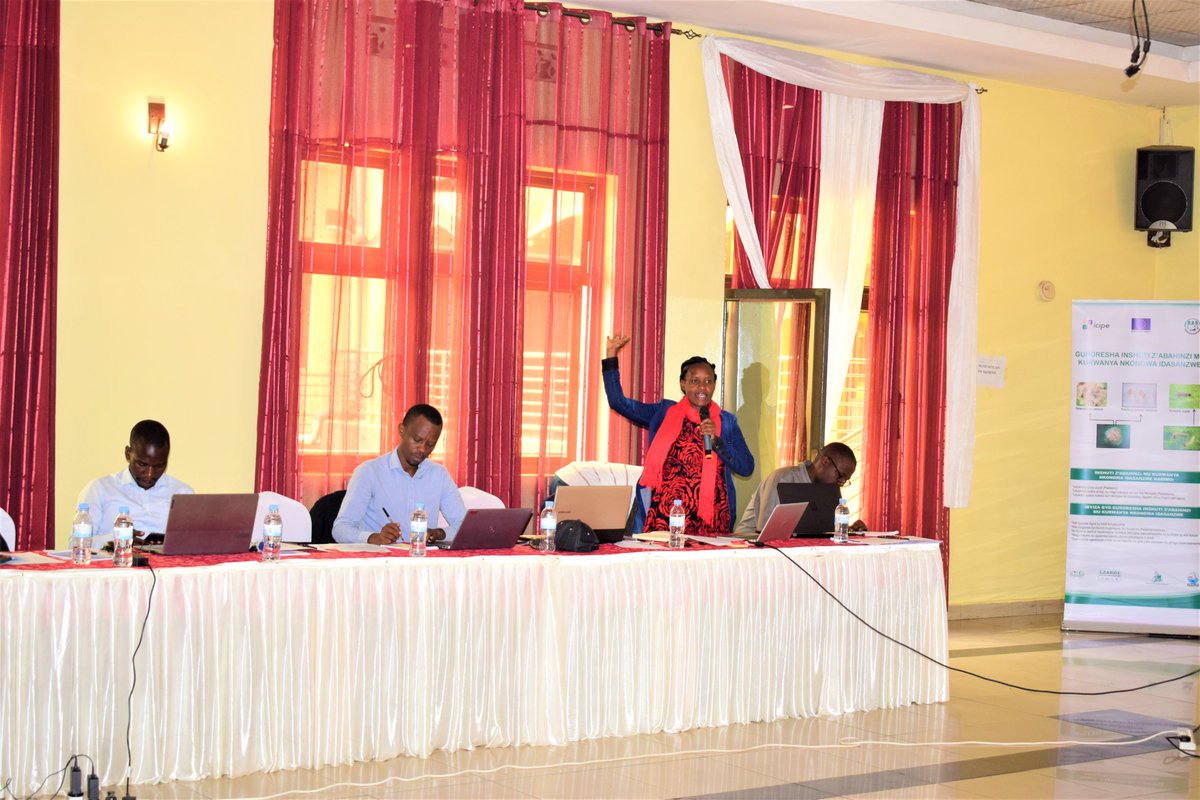
Officiating the training, Mr.@Izamuhaye ,Head of Crop Innovation & Tech Transfer Department at RAB, said that increased skills and knowledge in fall army warm bio-control is aligned with efforts to maintain the population of fall armyworm to below economic injury levels.
Managing the fall armyworm using natural enemies; a safer and economically viable option for small holder farmers in East Africa
#EU funded FAW_IPM project
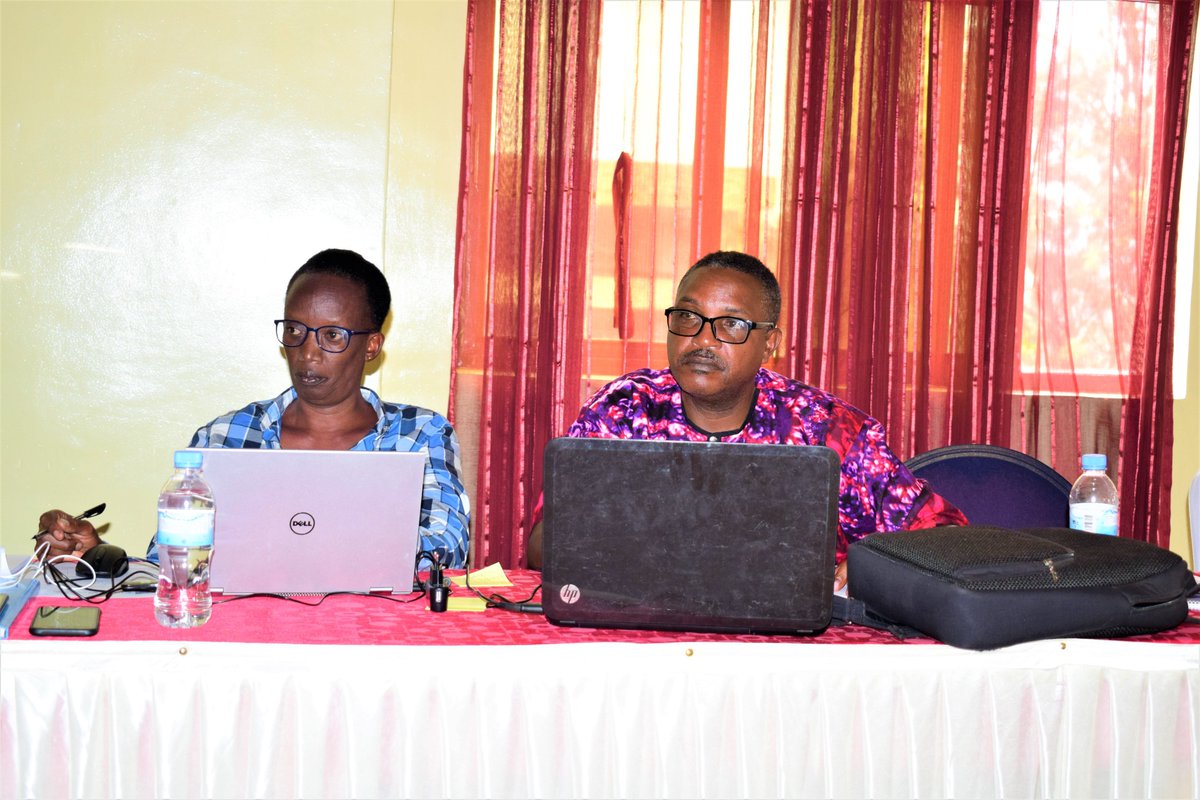
RAB in partnership with @icipe ,is conducting a one-day ToT on bio-control of fall armyworm aiming to create awareness&strengthen the capacity of extensioninsts to be more able to support farmers to effectively contain&manage the fall armyworm by using biological control agents.
Officiating the training, Mr.@Izamuhaye ,Head of Crop Innovation & Tech Transfer Department at RAB, said that increased skills and knowledge in fall army warm bio-control is aligned with efforts to maintain the population of fall armyworm to below economic injury levels.