I will be posting on X less and less. Please continue to follow my career on LinkedIn, my website linked in my bio, or reach out for my personal social media!
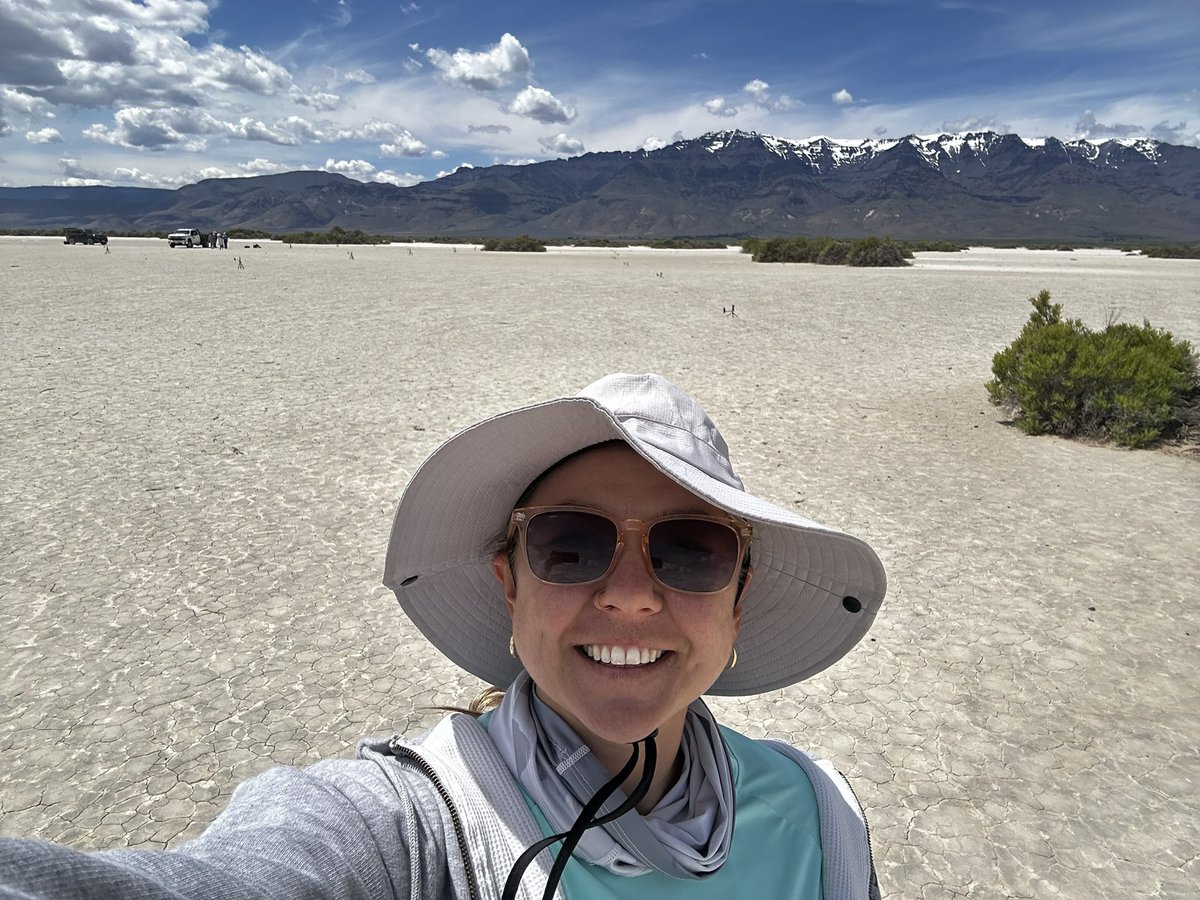
Pic: Field work in south central Oregon chasing dust devils!
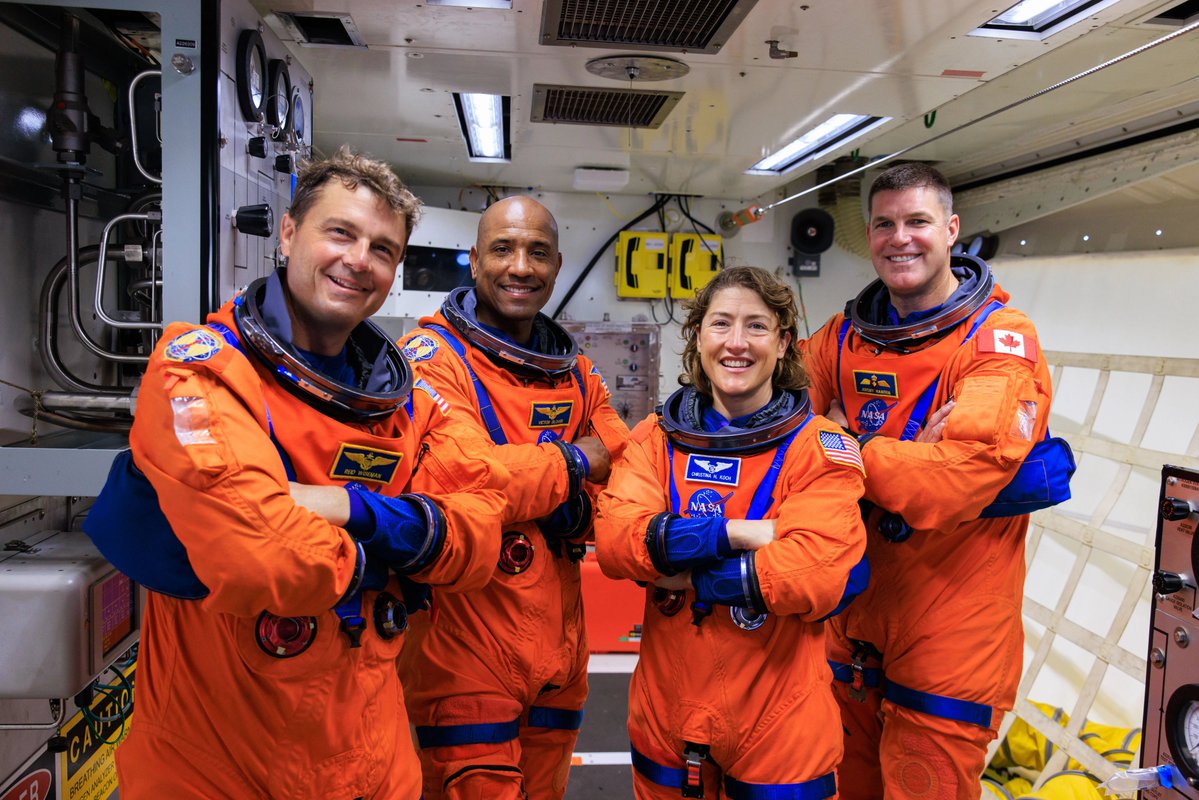
Getting ready for Artemis II. 🌑
Teams at Johnson Space Center are preparing the Artemis II crew for NASA’s first crewed mission beyond low Earth orbit in more than 50 years. Learn what it takes to train for a mission around the Moon.
https://t.co/WlbqUyZqHO
"We must confront the reality of interstellar travel."
- Professor Brandt, "Interstellar."
-------
'NASA's New Horizons Enters Mission’s Longest Hibernation Period'
https://t.co/qgmX0N6dVe @AlanStern@Interstellar#Interstellar
Two types of PhD supervisor:
1) I gave that paragraph a third look over - still not sure it works
2) apologies for the 14 months of radio silence, how’s it all looking?
Presented my Titan dune research at the 8th International Planetary Dunes Workshop! I compared radar backscatter from Titan’s Belet dunes with in the Namib Sand Sea to investigate surface/subsurface scattering. Grateful for the chance to share my work!
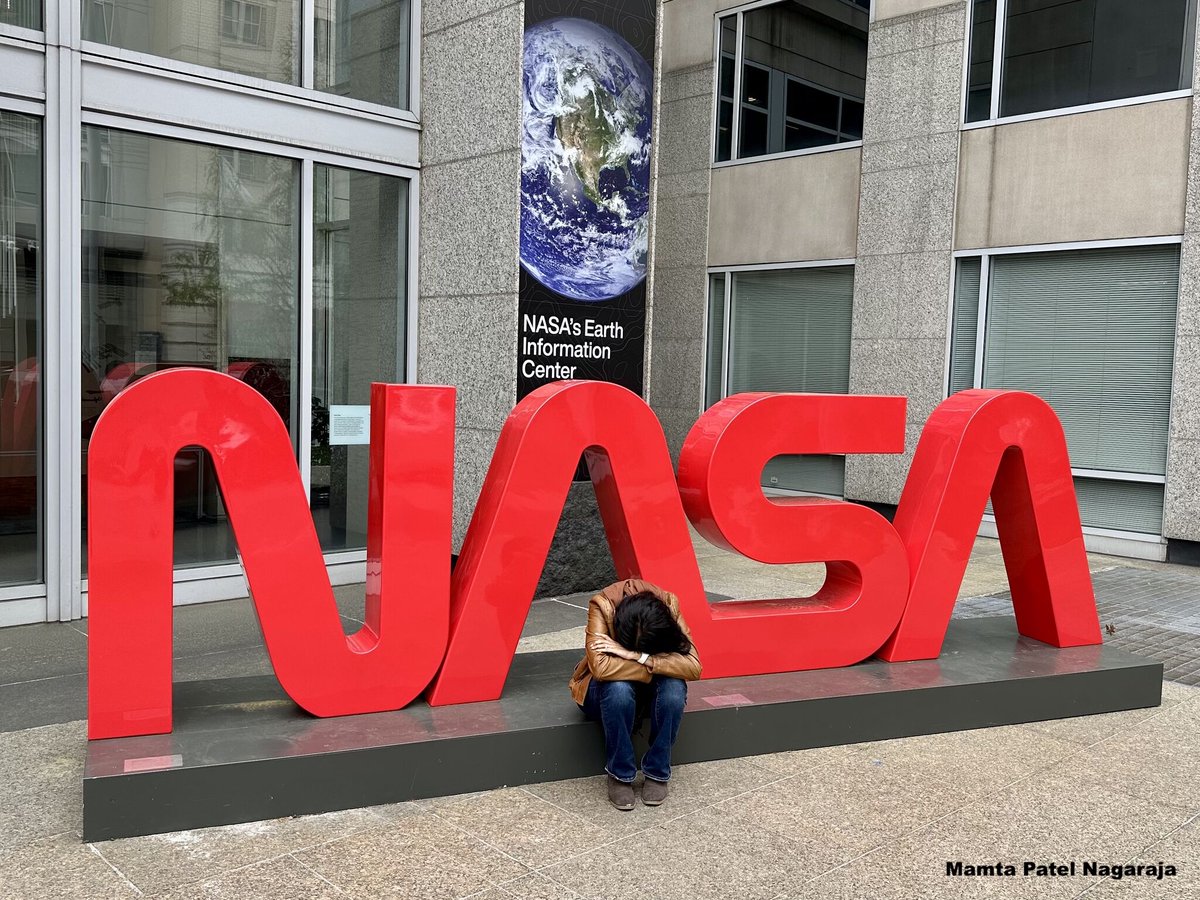
A Singular Image: Leaving NASA – Too Soon
Keith’s note: the following was posted on LinkedIn by Mamta Patel Nagaraja, who was NASA Associate Chief Scientist for Exploration and Applied Research – until that office was closed last month and everyone was laid off. Her words remind me of the time when I decided to leave NASA. But the image – as they say – speaks a thousand words. It stopped me in my tracks. I asked if I could post this and she said “Yes, of course”. FWIW Speaking from experience you can leave NASA – but it never leaves you.
Full post: https://t.co/cHfa9lUuLu @NASA #NASA
Archaeologists have discovered huge, spiral-shaped cylindrical structures stretching over 600 meters (about 2,000 feet) straight down beneath the Great Pyramid of Giza. These massive findings, located more than 2 kilometers (1.2 miles) below the pyramid's base, hint at enormous hidden constructions deep underground.
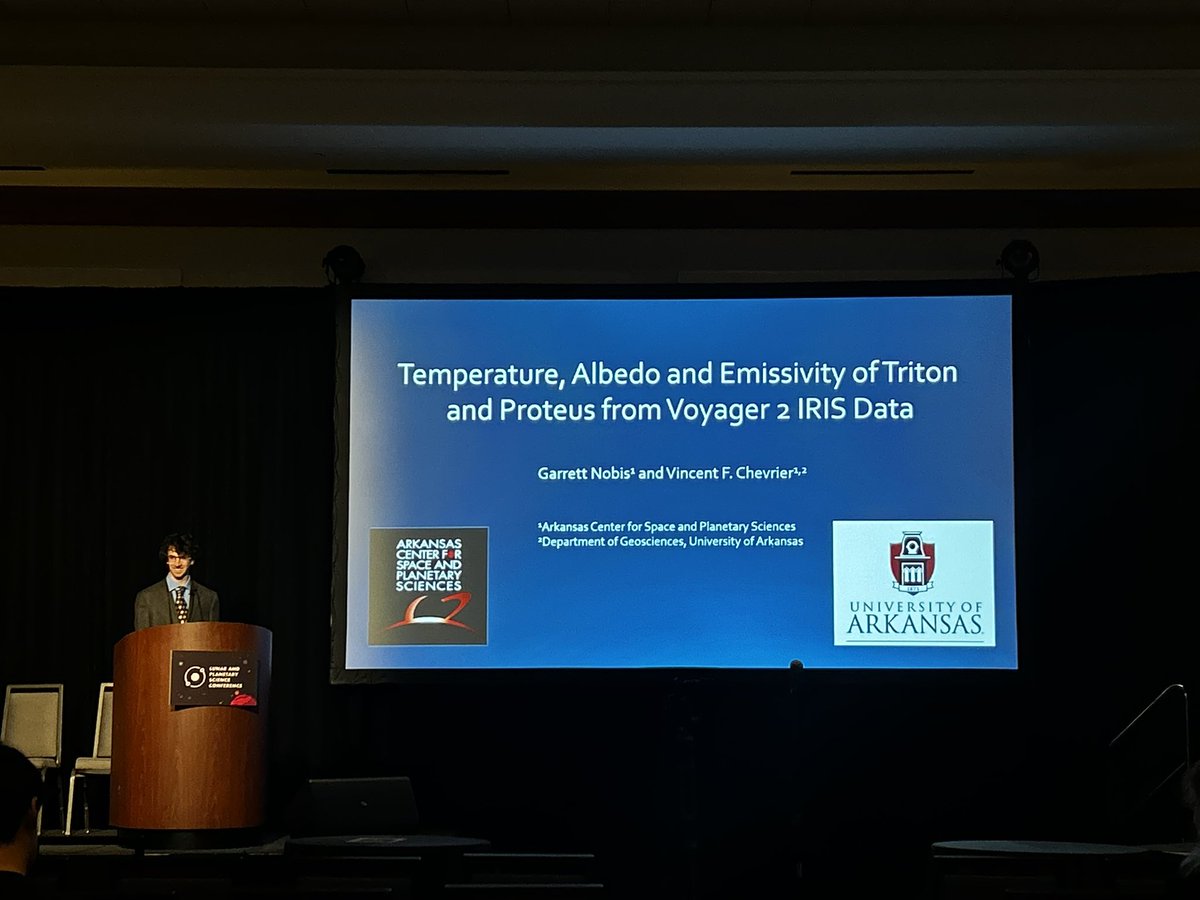
Now in the “The Kuiper Belt from Triton to Eris and Beyond” is Garrett Nobis from the University of Arkansas with Temperature, Albedo, and Emissivity of Triton and Proteus from Voyager 2 IRIS data. #LPSC2025
Currently in “Astrobiology and Exobiology 1: Life, Habitability, and Biosignatures: Mars and Ocean Worlds” is Arkansas Alumnae Dr. Katherine Dzurilla with her research on “Potential Phosphorous Redox Chemistry on Enceladus”. It’s a packed Montgomery Ballroom! #LPSC2025
BREAKING PLANET NEWS 🪐
Rather hilariously, Saturn just got up to 128 new moons (thanks to some careful telescopic observations), bringing its total to…274? That’s just an absurd number of moons.
#LPSC2025 I'll be delivering an oral presentation, #2209 Across the Dune Divide: A Radar Comparison of Titan and Earth’s Dune Terrain, on Thursday, 3/13 at 3:50 PM, and presenting a poster, #2179 Exploring the Sublimation Dynamics of Mars' South Polar Residual Cap, on Tuesday.
Additionally, I'll have the honor of moderating the session on Martian Polar Processes and Cryosphere. I look forward to engaging with fellow researchers and exploring new insights in planetary science.
See you there!