Among very preterm infants in Massachusetts, racial and ethnic inequities were observed at every step of the Early Intervention Care Cascade, affecting referral, evaluation, and receipt of services. https://t.co/qYOHZFOiG2
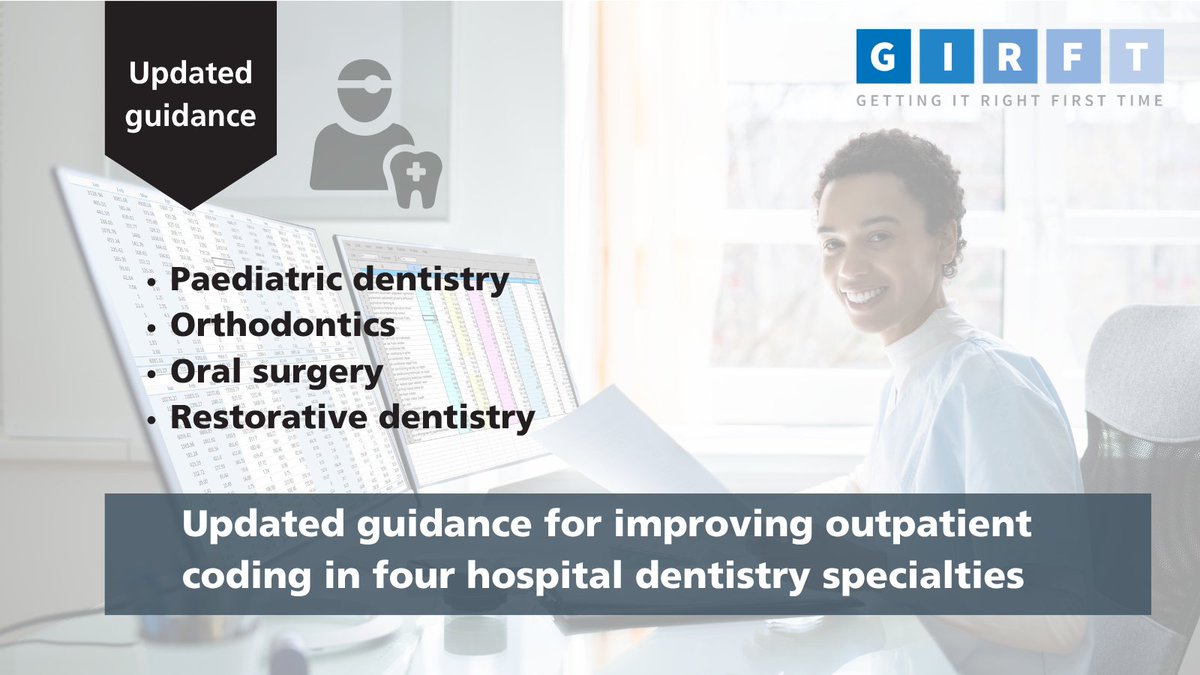
Updated GIRFT guidance for outpatient coding in hospital dentistry is now available.
Reflecting new OPCS‑4.11 codes (April 2026), covering:
💠Orthodontics
💠Paediatric dentistry
💠Oral surgery
💠Restorative dentistry
More/download: https://t.co/c8lI5TN9m8
#ClinicalCoding#NHS
#Moles can be seen at birth, but most appear during childhood, increase in adolescence, and can continue to increase in number until about age 40 years.
📄 This JAMA Pediatrics Patient Page describes moles in children: https://t.co/8OpEPnBtXz
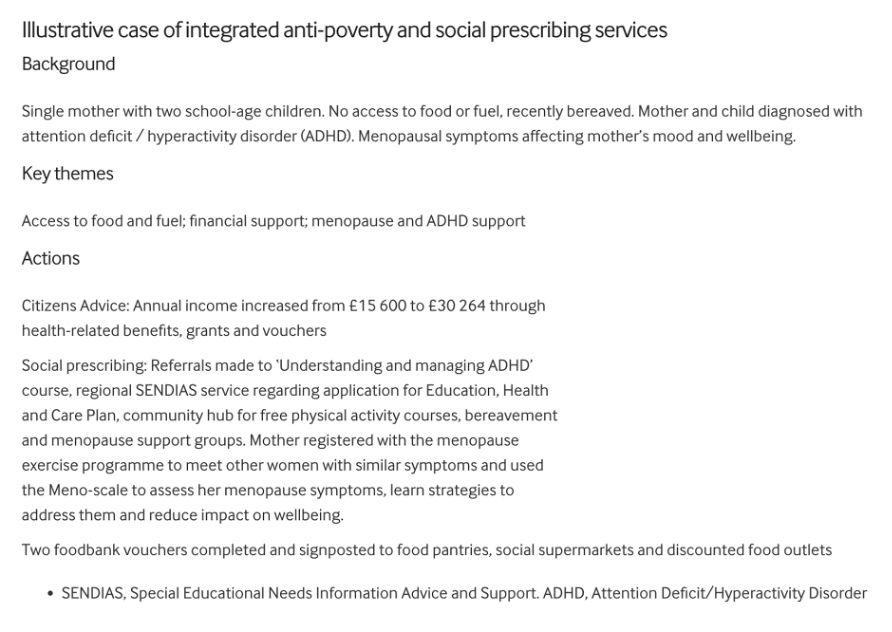
Children living in poverty are more likely to experience a chronic illness and have poorer health outcomes.
This article shares how a Wellbeing Hub model brings together social prescribing and Citizens Advice support to tackle barriers.
Read more here: https://t.co/TB8sDKn6hp
Developmental follow-up, surveillance and support at the age of 4 years: a best practice guide from the British Association for Neonatal Neurodevelopmental Follow-Up.
Read more here: https://t.co/XVpcgGnUqd
Wearables indicate six sleep health dimensions in young adolescents. Sleep irregularity and shorter duration were associated with transdiagnostic mental health symptoms. https://t.co/vcE73D9Jnb
New research from the Royal Free London is helping to better understand a key symptom of Parkinson’s.
A study by Dr David Williams, neurologist at North Middlesex University Hospital, shows that an increase in mistakes in the signals telling muscles to move can lead to slowed or frozen movement.
His research also suggests that while the brain sends the correct instruction, the signal can become unclear by the time it reaches the muscles — resulting in a “quiet signal”.
These findings could support earlier diagnosis and open up opportunities for future disease prevention.
“Because we can’t reverse damage that has been done we need to identify the disease as early as possible and begin preventative treatment." — Dr David Williams
🔗 Read the full story:
https://t.co/pfZpix2rke
🔗 Read the study:
https://t.co/OIbl5Ko3bg
#WorldParkinsonsDay
Most clinical research starts with adults, with the resulting changes to practice and policy then trickling down to children.
A major new report has questioned this approach
https://t.co/1CiXux3ET8
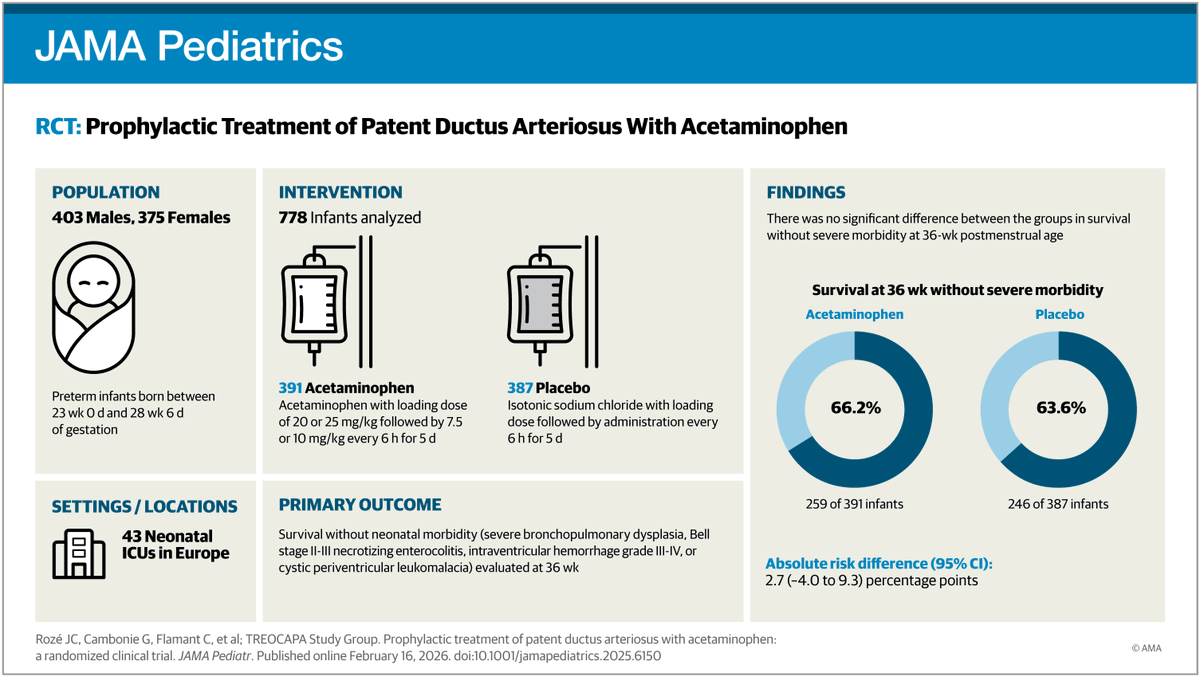
Among extremely preterm infants, prophylactic acetaminophen for patent ductus arteriosus accelerated ductal closure but did not increase survival without severe neonatal morbidity at 36 weeks and was associated with higher rates of cholestasis.
https://t.co/giZ7nehqQr
Annual prevalence of unmet health care needs among children with #AutismSpectrumDisorder in the US doubled from 2016 to 2023, with sharp postpandemic increases in unmet mental and medical health care needs.
https://t.co/8IAzjTKz7e
We’ve launched a new GIRFT evaluation & learning page, bringing together evidence on what works, how change happens & how improvements can be sustained across the #NHS.
Learn more & visit the new webpage to download evaluations of interest👉https://t.co/6GKKMI3ayV
#Evaluation
A parent-led developmental intervention improved executive function at school age in preterm children, especially in disadvantaged settings, supporting early, home-based approaches for neurodevelopment. https://t.co/NY8vGYPall
Neonatal jaundice assessment across all skin tones: finding the gaps between guidelines and practice...
This evaluation highlights a disconnect between the known risks of severe jaundice in black and South Asian infants and the guidance provided to frontline clinicians. Half of local guidelines fail to highlight visual assessment risks, and clinicians appear to be creating informal ‘safety margins’ regarding transcutaneous bilirubin accuracy. There is an urgent need for consensus on specific protocols for jaundice assessment in darker skin tones to close this safety gap.
Read more here: https://t.co/LEcNcz167W
“There is an urgent need to ensure their use is safe”
More people are turning to AI chatbots for health questions—from symptoms to clinical reports. A new Editorial explores what that means for primary care.
Read in The Lancet Primary Care: https://t.co/rE3MXfMZLm https://t.co/NwenIsJQzS
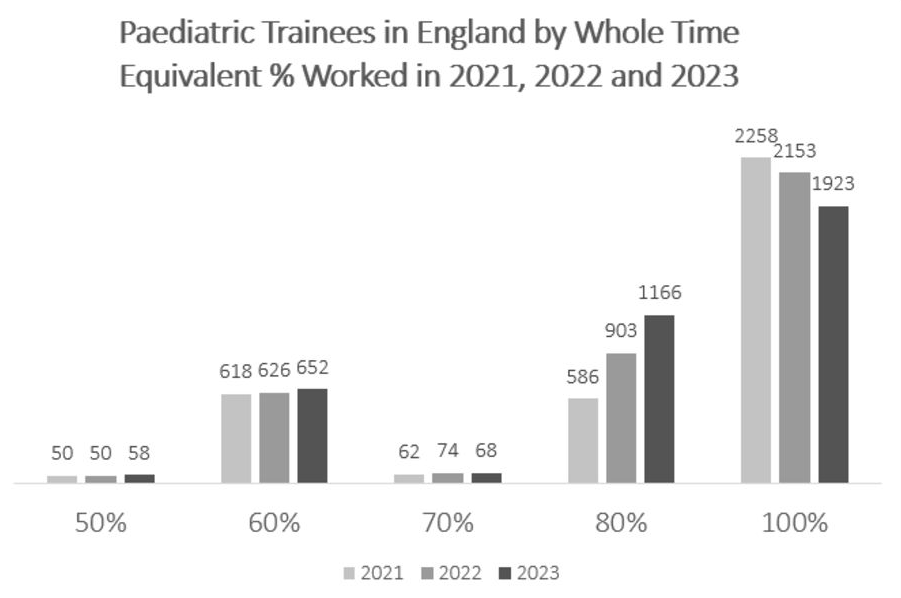
Less than full-time is the new normal in paediatric training in the UK
LTFT permitted for any trainee since 2022
Hospitals need to adapt to new reality
@LaurenDhugga
https://t.co/RkwLRPF57V