कैप्टन स्मित मच्छार के अद्वितीय साहस को नमन। उनके साहसिक कार्य ने कर्तव्य की सामान्य सीमा से आगे बढ़कर 170 से अधिक लोगों के जीवन की रक्षा करने में महत्वपूर्ण भूमिका निभाई। वे वास्तव में एक सच्चे वीर हैं और उनकी बहादुरी तथा समय पर की गई सूझबूझपूर्ण कार्रवाई के लिए पूरा देश उन पर गर्व करता है।
हम उनके शीघ्र एवं पूर्ण स्वस्थ होने की कामना करते हैं।
सुनील आंबेकर
अखिल भारतीय प्रचार प्रमुख,
राष्ट्रीय स्वयंसेवक संघ
Building the Future of Healthcare Innovation
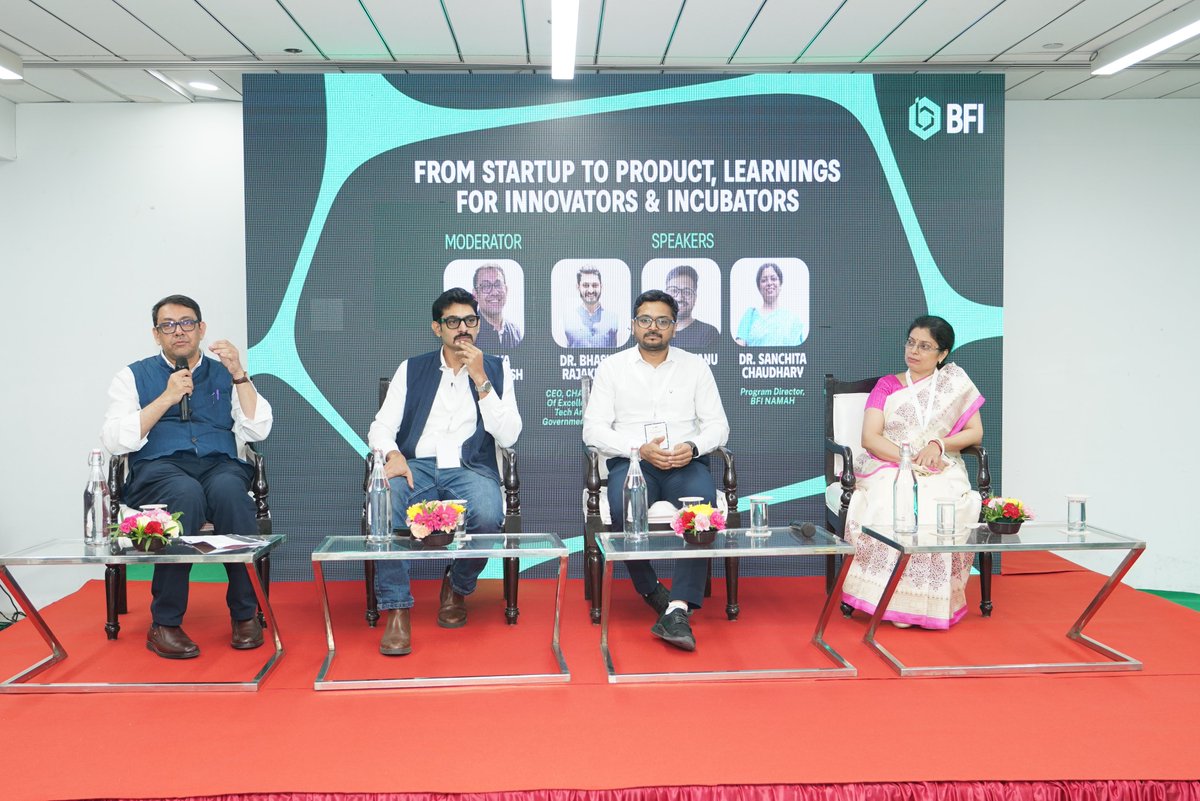
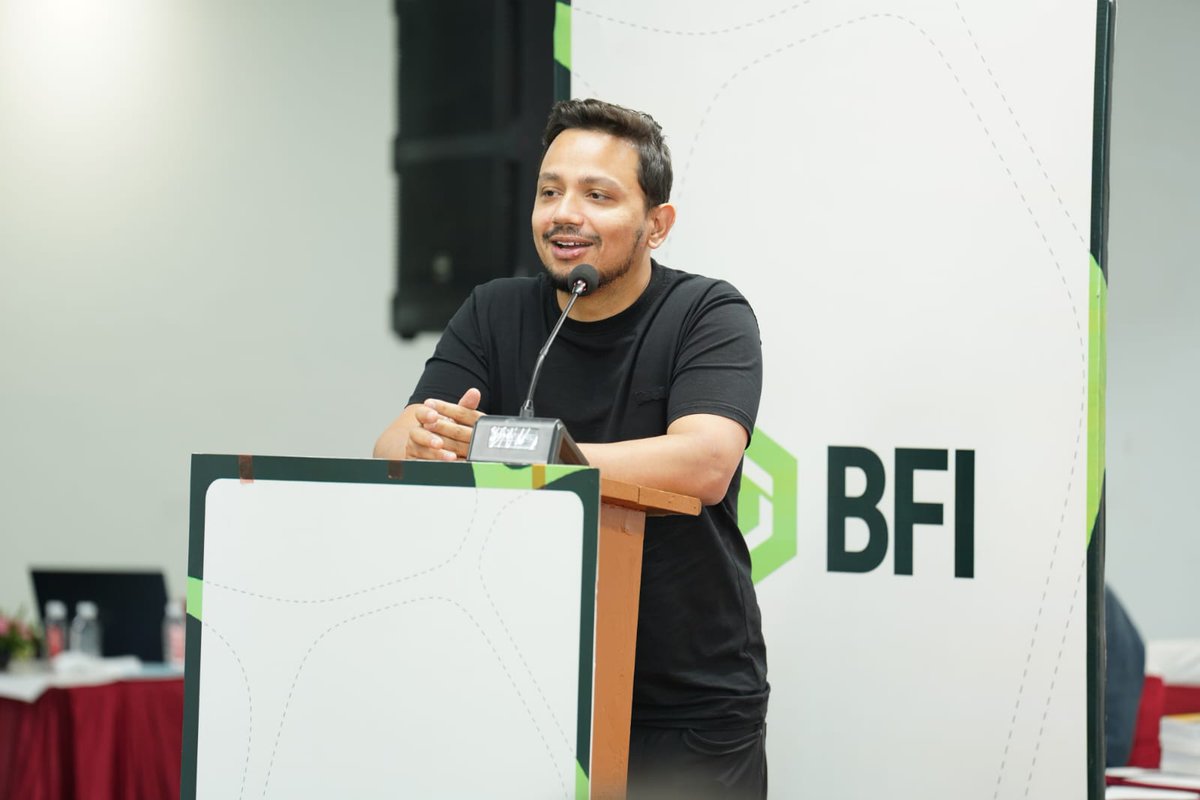
BFI organised a Two Day Orientation Program for the Medical College Incubation Centres within the Innovation Full Stack program on 13th -14th August 2026 at R&I Park, IIT Delhi, with an objective to align different incubation facilities across the BFI Innovation Full Stack programs, orient them to the process of incubation in medical institutions, and create portals for networking and dialogue between all BFI partner institutions.
The interactive workshop brought together representatives from the medical college incubation centres including centre managers, faculty, and guest speakers from the research and innovation ecosystem for knowledge sharing, peer learning, interactive discussions, networking and exposure to established incubation and prototyping facilities.
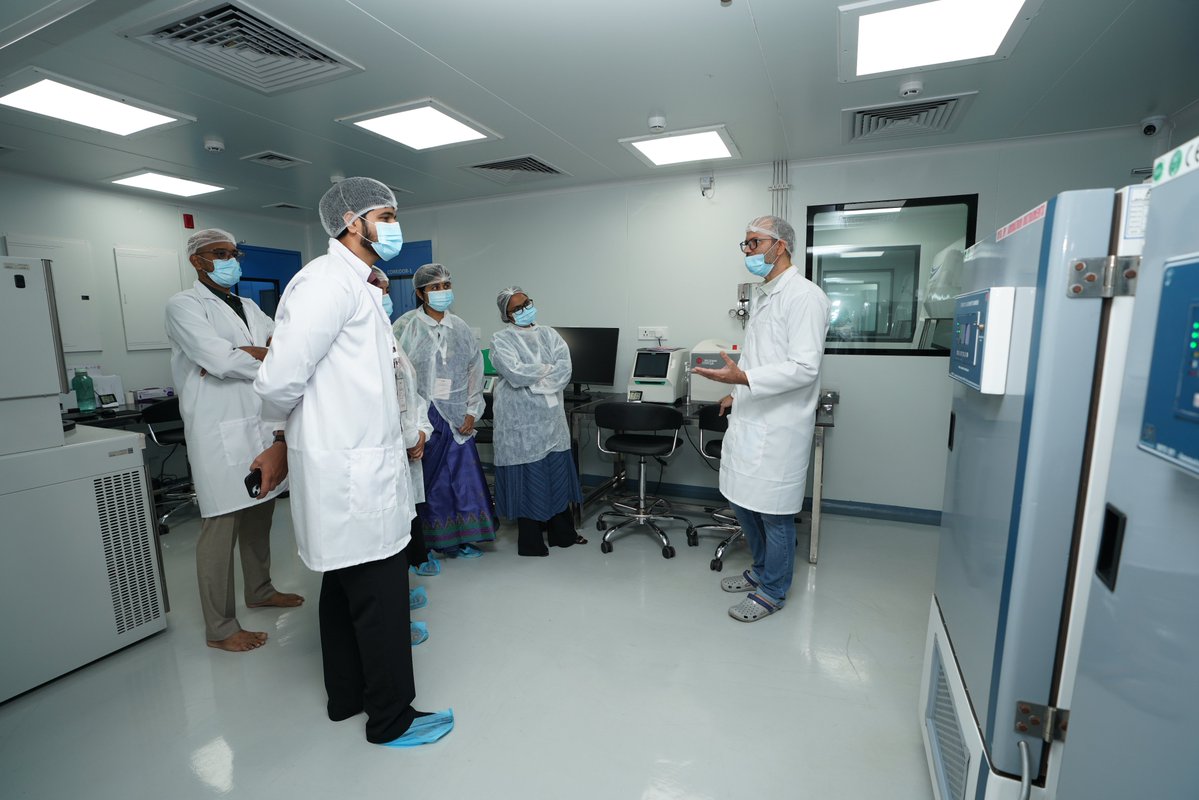
While Day 1 explored the journey of building and strengthening incubation ecosystems, covering clinician-led innovation, preclinical and clinical incubation, mentorship, regulatory pathways, commercialisation and industry engagement, Day 2 brought these conversations to life through the Innovator’s Roundtable, a facilitated discussion focused on peer learning, identifying institutional challenges and developing contextualised implementation roadmaps. The exposure visit to MPragati, IIT Delhi further complemented these learnings with practical insights into prototyping, testing, manufacturing and innovation support facilities.
From strengthening incubation capacity to fostering collaboration across institutions, the two days laid the foundation for a stronger and more collaborative medical innovation ecosystem.
Our heartfelt gratitude to all the speakers, participants, partners and teams who made this program a success!
This marks the beginning of converting brilliant ideas to sustained action through a collaboration of innovators, clinicians and researchers across disciplines.
Every cell in our body carries genes that carefully regulate its growth and trigger cell death when something goes wrong. These built-in safeguards prevent damaged or abnormal cells from multiplying uncontrollably. However, cancer cells find ways to bypass these natural defenses.
One of the mechanisms they use involves proteins called Histone Deacetylases (HDACs), which can switch off genes responsible for controlling cell growth and initiating cancer cell death. Among them, HDAC3 plays a critical role in helping cancer cells survive, proliferate, and even resist existing therapies. While several HDAC inhibitor drugs are already available, most target multiple HDAC proteins simultaneously, often causing unwanted side effects by affecting healthy cells.
Supported by BFI-BIOME, Prof. Balaram Ghosh and his team at BITS Pilani Hyderabad Campus are developing AH22, a novel and highly selective HDAC3 inhibitor designed to precisely reactivate the body’s natural cancer-suppressing genes. By selectively blocking HDAC3, AH22 aims to restore the cell’s ability to eliminate cancer cells while minimizing damage to healthy tissues.
The team is now advancing AH22 through preclinical translation, generating the critical safety and efficacy data needed before it can enter human clinical trials. If successful, this targeted therapy could pave the way for safer, more effective cancer treatments that overcome drug resistance and improve outcomes for patients.
ऐसी कलाकारी और लेखनी हर जगह उपलब्ध नहीं. हमारे भी ऐसे ही एक गुरुजी रहे है जी केआर हाथों में भगवान ने ना जाने कौनसी शक्ति फूंकी की उनकी लिखावट मन मोह लेती..
लेकिन वो था विद्यार्थीकाल! अब ना जाने कहाँ है वो??
कुछ बोलते है कि वो शराबी हो गए क्योंकि उनकी कला को तवज्जो ना मिली !
कुछ कहते है की वो अज्ञातवास में चले गए!
बड़े ही सहृदय रहे वो. मुझे अपनी हीरो पुक पर घुमाये फिरते थे जब भी कोई प्रतियोगिता होती!
और मैं पीछे बैठा रहता था! गॉड में अपने जीते हुए बहुत से इनामो के साथ!
एक रोज़ मिले तो थे कुछ पैसे उधार लिए तब भी उन्होंने पी रखी थी!
यह भी सत्य ही है कि यदि कलाकार कि कला उपेक्षित हो जाये तो वह निराशा में पतन के गर्त में भी जा सकता है!
जहाँ से उसका रिटर्न होना भी चुनौतीपूर्ण ही रहता है!
पानी से चावल खाने वालों का आरक्षण आखिर किसने खाया
चिराग पासवान और चंद्रशेखर आज़ाद दलितों के नाम पर राजनीति करके फाइव-स्टार तक पहुँच गए, फिर गरीब दलित परिवारों के बच्चों की हालत क्यों नहीं बदली?
दलित नेताओं को शर्म आनी चाहिए खुद का विकास करके हमेशा गरीब दलितों को हक खा रहे हैं
असाधारण शक्ति का प्रदर्शन करते हुए, 58 वर्षीय मंगोलियाई राष्ट्रपति उखनागिन खुरेलसुख ने एक शानदार बिजनेस सूट पहने हुए लगभग 100 किलोग्राम वजन को 20 बार बेंच प्रेस करके सोशल मीडिया और ऑनलाइन दर्शकों को चकित कर दिया।
मंगोलियाई राष्ट्रपति ने बिना किसी हिचकिचाहट के सटीक तरीके से वज़न उठा लिया, जिससे यह साबित हो गया कि उनकी खेल प्रतिभा उनके राजनीतिक कौशल की तरह ही बेजोड़ है। कुरेलसुख में सबसे शक्तिशाली पदों में से एक पर आसीन होने के बावजूद, वे कठिन शारीरिक चुनौतियों से अच्छी तरह वाकिफ हैं, क्योंकि प्रधानमंत्री बनने से पहले वे एक पूर्व सैन्य अधिकारी थे।
#ViralVideo #Mongolia #President #Fitness | #ZeeNews
यूपी के जौनपुर जिले में तैनात कांस्टेबल संदीप यादव को सुनिये -
जमीनी विवाद अथवा मेढ़ काटने की शिकायत पर मौके पर पहुंचे हैं और दोनों पक्षों को बेहद सरलता..सौम्यता और सभ्यता से समझा रहे हैं !
ग्रामीण इलाकों में सबसे ज्यादा आपराधिक घटनाएं जमीनी विवाद को लेकर ही होती है...इंच - इंच भर जमीन के लिए लाठी डंडा कट्टा चलना आम
बात है..!
ऐसी स्थिति में कड़ी और कठोर होकर कार्यवाही करने के साथ उन्हें जागरूक करना बेहद आवश्यक हो
जाता है....!
संदीप वही प्रयास कर रहे हैं -
मेरा मानना है प्रदेश के हर थाने में संदीप जैसी सोच और विचारधारा वाले लोगों की जरूरत है..!
UP police का चाल, चरित्र और चेहरा जरा सा भी नहीं बदला।
आरोप है कि सामान्य से दो लोगों के झगड़े के बीच पुलिस ने एक पक्ष से पैसे लेकर दूसरे पक्ष के नाबालिग लड़के को थाने के पीछे ले जाकर उसके पैरों पर पट्टे बरसाए..
वह तो लोग इकट्ठा होकर उस लड़के को पुलिस वालों से छुड़ाकर ले आए, वरना शायद उसके साथ और भी बुरा करते..
@Uppolice@saharanpurpol@myogiadityanath
OMG 😮
These Nepal flood videos are absolutely horrifying‼️
The death toll has now risen to over 160 people.
Hundreds are still missing and feared dead.
Including hundreds of tourists.
At least 54 Americans are amongst the people who have been reported missing thus far.
अरुणाचल प्रदेश की एक छोटी सी बच्ची का वीडियो इन दिनों सोशल मीडिया पर हर किसी का ध्यान खींच रहा है. वीडियो में बच्ची बहुत ही मासूमियत लेकिन कड़े शब्दों में अपना दर्द बयां करती दिख रही है. वह कहती है, "हम भी इंडिया हैं... हमको चाइनीज मत बोलो." बच्ची की यह एक लाइन हर उस इंसान के दिल पर चोट करती है, जो पूर्वोत्तर के लोगों को उनके लुक्स और चेहरे की बनावट की वजह से विदेशी समझ बैठते हैं.
#ArunachalPradesh #EmotionalAppeal #videoviral #ZeeNews
Whether it’s cancer, tuberculosis, or neurological disorders, early diagnosis can significantly improve treatment outcomes. Yet, many diseases continue to be detected only after symptoms appear or significant damage has already occurred. One of the biggest reasons is that disease biomarkers exist in the blood at extremely low concentrations during the early stages, making them difficult to detect with conventional diagnostic methods.
This is the challenge that ANLISA Biotech is working to solve.
Founded by Dr. Balendu Avvaru, ANLISA is developing an ultrasensitive molecular detection platform capable of detecting biomarkers at attomolar concentrations, up to 1000× greater sensitivity than conventional ELISA, using a simple blood sample. By identifying biomarkers that conventional methods may miss, the platform aims to enable earlier diagnosis while remaining compatible with standard laboratory equipment, making advanced diagnostics more accessible and scalable.
ANLISA’s current focus is on neurological diseases, where the platform is designed to detect biomarkers such as NFL, tau, GFAP, and α-synuclein without the need for invasive CSF collection. The company is also building ultrasensitive immunoassays for oncological and infectious diseases, opening the possibility of applying the same detection approach across multiple disease areas in the future.
As healthcare shifts towards prevention and early intervention, technologies that can detect disease at the molecular level have the potential to transform healthcare by allowing disease to be identified and addressed before it progresses, potentially reducing the need for intensive treatment.