பிரச்சனை, கடவுள் நம்பிக்கை இல்லன்னா உங்களுக்கான value system-அ நீங்கதான் உருவாக்கணும் அப்படி உருவாக்கிக்ரவங்களை Ubermensch(superman)-ன்னு term பண்ணாரு. உங்களுக்கு ஒத்து வர்ர school of thought-அ follow பண்ணுங்க, அது ஆசிவகமாவும் இருக்கலாம் Stoicism ஆவும் இருக்கலாம். இதை
A Super Simple Explanation of the Theory of Everything (ToE)
Imagine the universe had to start somehow. Most people think: "Either there was nothing, or there was something."
Both ideas cause problems:
- If there was perfect nothing, why would anything appear? Nothing should stay nothing.
- If there was perfect something (total oneness with no differences), it would be completely still—nothing would happen.
So the theory says: the universe began with a basic paradox (an unresolvable contradiction).
The Big Contradiction
The very first "thing" had to be both yes and no at the same time—like "I exist" and "I don't exist" together. This contradiction is the spark that created everything. It's not a mistake—it's the engine of reality.
How Space and Time Were Born
From this contradiction (+ and -):
- Space is needed to separate + and - so they don't cancel each other out.
- Time is needed for the endless attempt to resolve the contradiction without full success.
Thus:
- Space = the gap between opposites.
- Time = the ongoing effort to unite them.
This is why the universe is always moving and changing.
Why We See Contradictions in Life
Apparent contradictions often arise because we ignore space or time.
Examples:
- A person can seem good from one angle and bad from another (requires space/different viewpoints).
- Someone can say one thing today and the opposite tomorrow (requires time/change).
Why This Matters for People
Everyone sees the world differently. These differences aren't errors—they echo the original contradiction. Our unique views enable connection. True understanding comes from accepting we'll never see exactly the same thing, not from forcing agreement.
One-Sentence Summary
The universe exists because of a built-in contradiction that created space (to separate opposites) and time (to keep trying to resolve them)—and everything we experience, including our differences, stems from that.
It's like reality is a never-ending dance between "yes" and "no," and we're all part of it.
For more: https://t.co/3Fy8LjgA1D
Scientists from NCRA Pune have made a discovery with the potential to shake up science's understanding of how early galaxies were formed after the Big Bang
They have discovered a galaxy which they've named Alaknanda. It is a fairly basic galaxy, so why is it such a big deal? 🧵
I will be teaching at a week-long SPARC Workshop on Neuromorphic Computing, to be held at IIT Roorkee. The workshop is being organized in memory of our friend, the late Prof. Brajesh Kumar Kaushik.
I will cover the basics of magnetism, magnetoresistance principles, and domain wall–based neuromorphic computing (approximately 10 hours in total, spread over 5 days).
There will also be other eminent speakers from the USA and India (from both universities and industry).
Interested students may scan the QR code for the registration link and details.
Please share to help reach a wider audience.
https://t.co/aoDODdmd13
தமிழ் சந்தில் முதன்முறையாக…
உங்கள் phyfron- வழங்கும்…
வினோத் ஆறுமுகம் @thiruvinod4u உரையாற்றும்…
“செயற்கை நுண்ணறிவின் சமூகத் தாக்கம்”
நாளை மாலை 5:30க்கு…
கேட்கத் தவறாதீர்கள்
Polaris Dawn Flight Day 3 Update
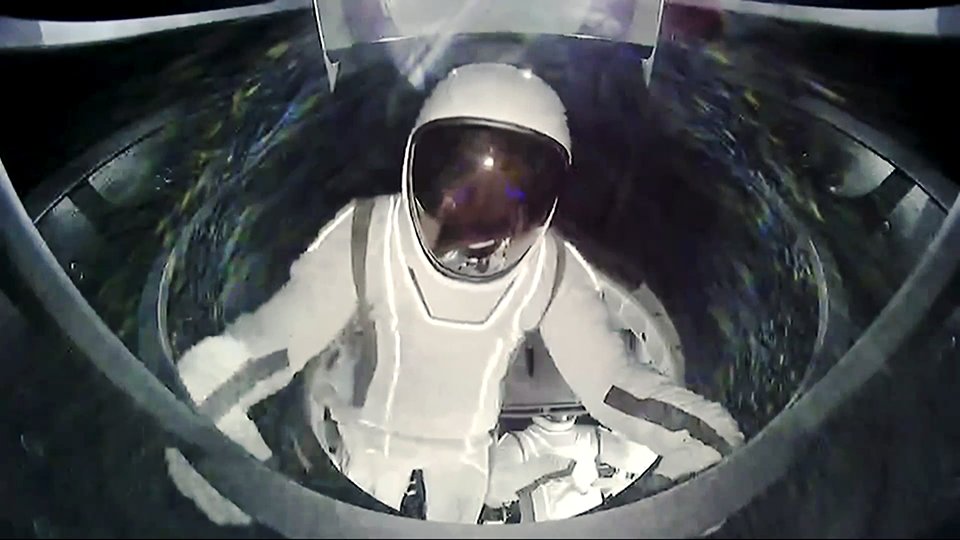
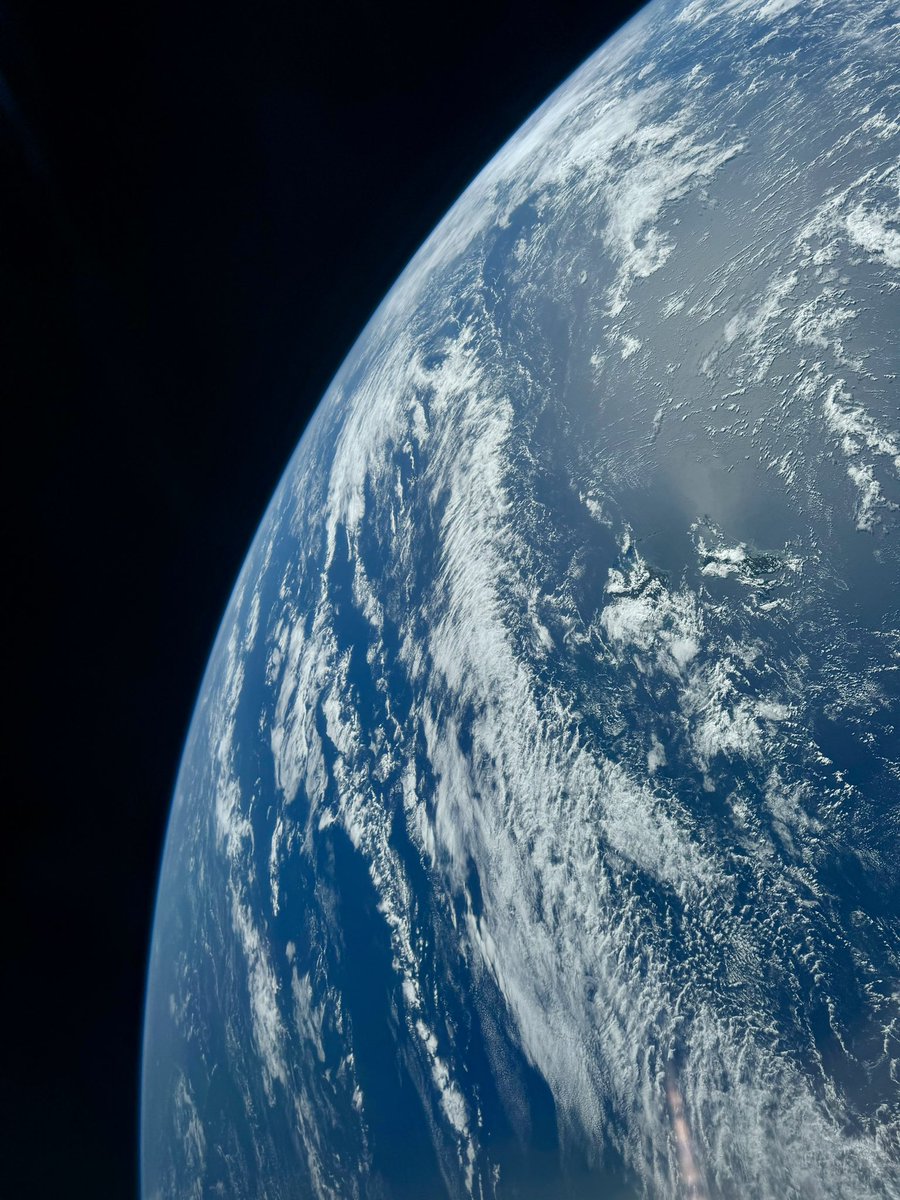
Early Thursday morning at 7:58 a.m. ET, the Polaris Dawn crew successfully completed the world’s first spacewalk – also known as an extravehicular activity (EVA) – from Dragon at 732.2 km above Earth.
Shortly after arriving in space on Tuesday, the crew began a two-day pre-breathe process, designed to prevent decompression sickness while also preparing the crew for the environment inside the EVA suits by gradually lowering Dragon’s cabin pressure and increasing the oxygen concentration.
Then on Thursday, the crew donned their suits and initiated Dragon seat rotation, suit tare, and the heads-up display and helmet camera checkouts. The 106-minute spacewalk officially began at 6:12 a.m. ET when suit pressurization started, the nitrogen purge was initiated, and pure oxygen (O2) was flowing into the suits. A secondary flow of oxygen primarily helped provide cooling to the suits, which would come in handy during the spacewalk.
Once suit leak checks were complete, the crew and ground teams gave the go for Dragon to initiate venting, which took the cabin’s pressure down from ~8 psi to below 1 psi – nearly to the vacuum of space. Simultaneously, Dragon repositioned its trunk to face the sun ahead of the hatch opening.
Mission Commander Jared Isaacman opened the hatch and for the first time, four astronauts were simultaneously exposed to the vacuum of space. Jared and Mission Specialist Sarah Gillis separately exited the spacecraft and individually performed a series of suit mobility demonstrations to test the performance of the spacesuit in the vacuum environment of space. Mission Pilot Kidd Poteet and Mission Specialist Anna Menon remained seated, managing suit umbilicals and monitoring vital support systems and telemetry on Dragon’s displays.
Upon completion of their individual EVAs, the hatch was closed, Dragon re-pressurized to 14 psi, cabin oxygen and pressure levels confirmed, officially completing the suit testing alongside the first commercial spacewalk and the first EVA from a Dragon spacecraft.
Throughout the EVA, stunning visuals were afforded by Dragon’s cameras and the spacesuits helmet cameras as the crew orbited between 184.9 x 732.2 km above Earth.
Following the spacewalk, the crew took time to rest and recuperate, enjoying a well-deserved meal before posting from space for the first time on X using Starlink high-speed internet. The crew concluded the day by connecting with their families and settling in for their sleep period ahead of Flight Day 4.
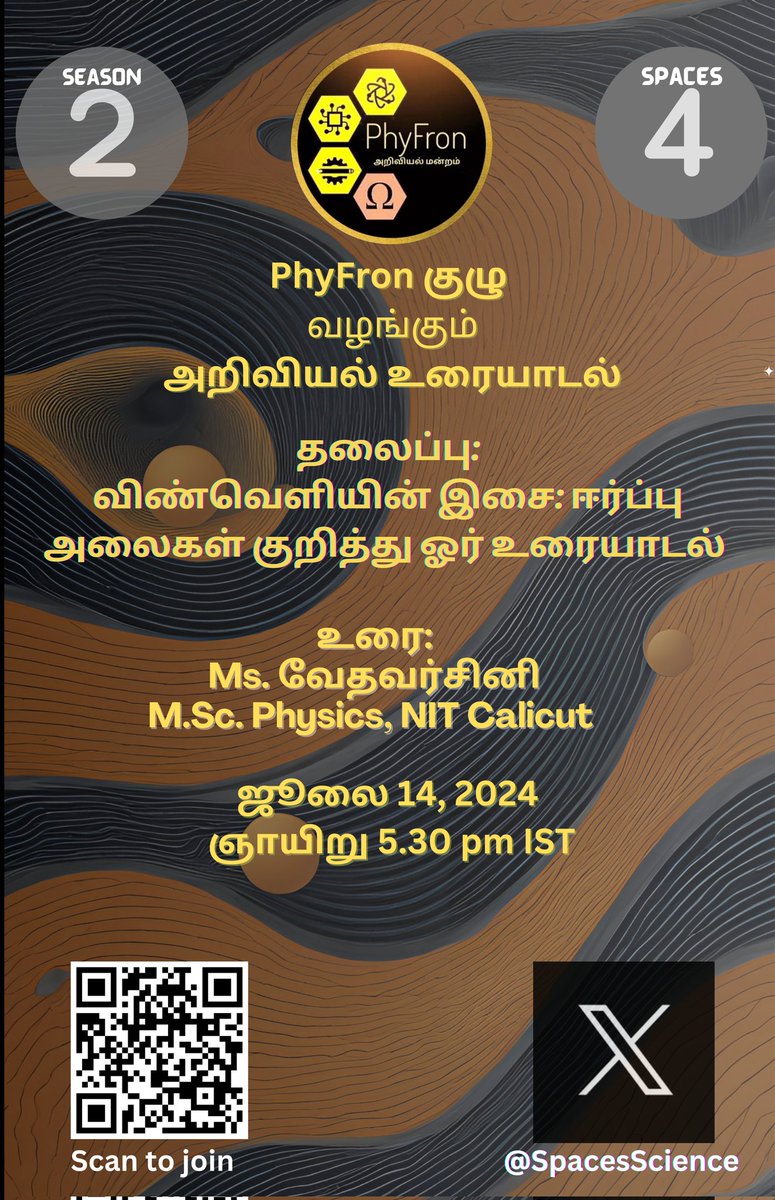
PhyFron வழங்கும் 'அறிவியல் உரையாடல் சீசன் 2'
Spaces 4: "விண்வெளியின் இசை: ஈர்ப்பு அலைகள் குறித்து ஓர் உரையாடல்!"
Speaker : Ms. Vedhavarshini, NIT Calicut.
🗓️ July 14th, 2024
⏰ 5.30 pm IST
All are welcome ✨
https://t.co/5JApKAXWln
With the 2nd season of PhyFron spaces having started on June 2nd, we have some of the most passionate people in science with us. This time, we are conducting X spaces in both Tamil & English. Here is the list of speakers who will deliver some exciting science talks in Tamil.
Phyfron வழங்கும்
சீசன் 2
Space 1: " அவ்வளவு சத்தமாவா கேட்குது -Tune into cosmic radio"
Speaker : முனைவர்.முகுந்தன்,
Senior Research Engineer, Onsala Space Observatory , Sweden.
Radio astronomy இன் வரலாற்றை பற்றி தெரிந்து கொள்ள,
5:30 PM IST
https://t.co/qTUe6G7ltg
Jun 2, 2024 முதல், நமது PhyFron அறிவியல் மன்றத்தின் season 2 இல், உலகம் முழுவதும் உள்ள ஆராய்ச்சியாளர்கள், பல்வேறு அறிவியல் தகவல்களை நம்முடன் கலந்துரையாட உள்ளனர்.
For the next 4 months, we bring up nonstop spaces on various exciting topics in science, from some of the most passionate speakers. Here is the first one on Radio astronomy from @MugundhanV.
Host: @hp_ceg
Time: 5.30 pm IST
Don't miss it.
வாங்க ! வாங்க ! அறிவியல் பேசுவோம் வாங்க!
PhyFron Spaces Season 2 ஆரம்பிக்க இருக்கிறோம்.
முதல் warmup speaker ஆக, நம் PhyFron உடைய ஆஸ்தான speakr
@HilaalAlamTamil "If you can't measure" என்ற தலைப்பில் நம்முடன் உரையாட இருக்கிறார்.
Date: 26th May, Sun
Time: 5:30 PM IST
#Phyfron