देशको हितका लागि अब ल्याउनुपर्ने व्यवस्था:
१. संवैधानिक, सांस्कृतिक हिन्दू राजसंस्था
२. वैदिक सनातन धर्म परम्परा सापेक्ष हिन्दू राष्ट्र
२. प्रतक्ष्य निर्वाचित प्रधानमन्त्री र गैर संसद मन्त्री
३. प्रतक्ष्य निर्वाचित सांसद
४. संघीयता विगठन
५. अधिकार सम्पन्न स्थानीय तह
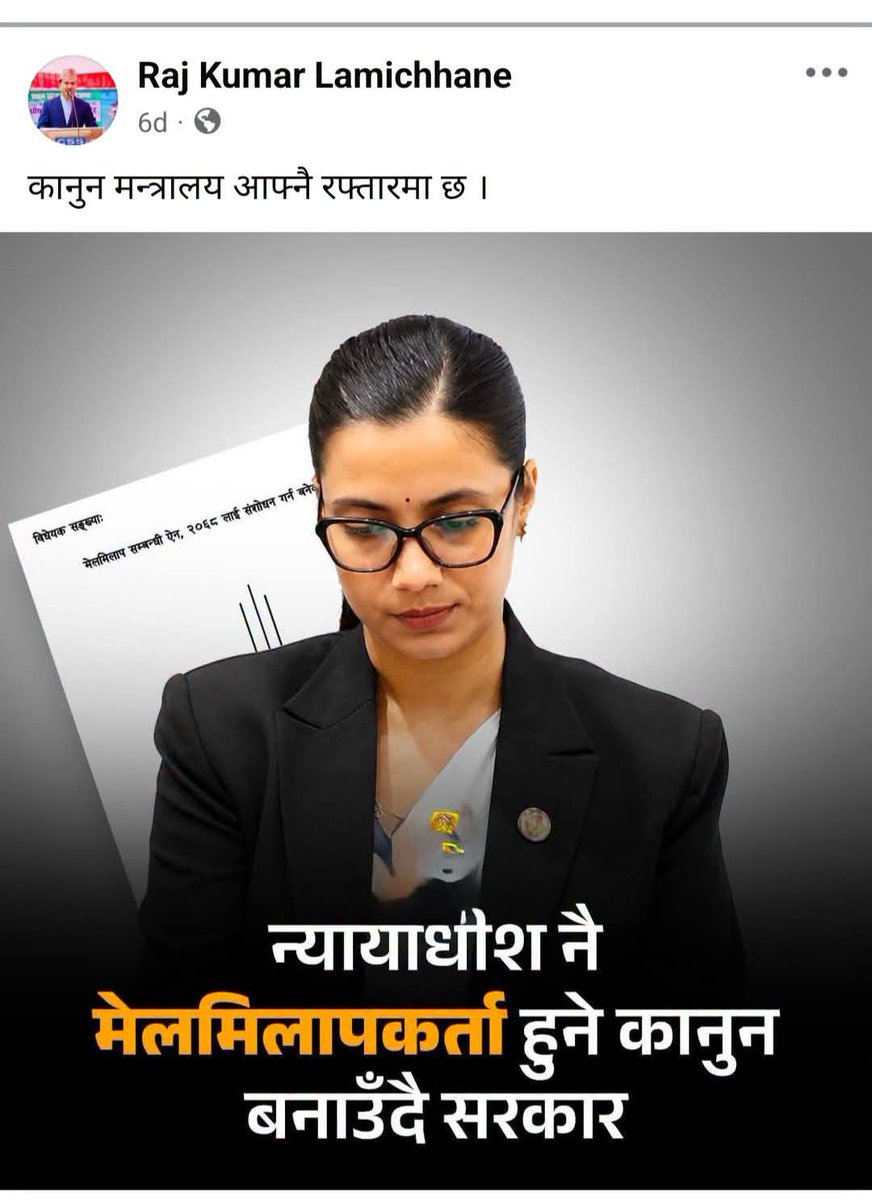
विधेयकमा पेश भएको प्रावधानहरू हुबहु पारित भएमा झुटो विवरण बुझाएर राहदानी लिनेहरूले कैद सजायको साटो जरिबाना मात्रै तिरे पुग्ने व्यवस्था राखिएको छ ।
#onlinekhabar
https://t.co/nya4Zbnny0
यो किन राष्ट्रिय चर्चाको विषय बनेन? @Himal_Khabar ले रैथाने धर्म माथिको थिचोमिचो किन देखेन? किन खोज पत्रकारिता भएन आईएनजिओले धर्मान्तरणमा गरेको लगानी? कुछ झोल लाग्दैन???
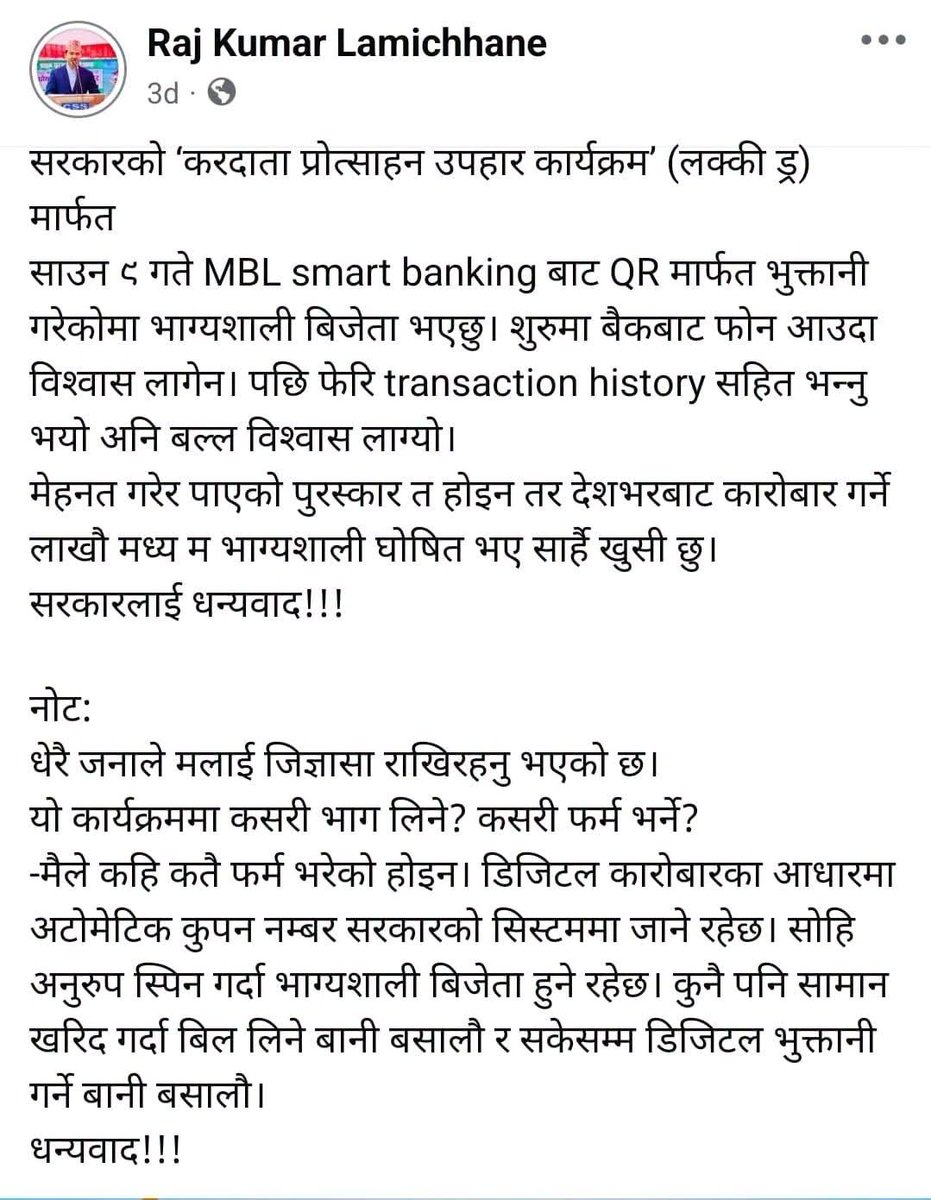
३ करोड नेपाली मध्ये चिठ्ठा पनि घण्टी कै प्रचारप्रसार गर्नेलाई नै छानीछानी पर्ने रहेछ😀😀😀😀 मैले उबेलै लेखेको हुँ, पागल कुकुर जस्तै झम्टिदै आए छौडाहरु😁😁😁😁
वास्तवमा यो चालबाजी रहेछ यिनीहरूको।
अब यस्ता दुई नम्बर धन्दा गर्नेहरूले नेपाली जनता अझै धेरै कति ठग्ने हुन् यी ठगहरूको धन्दा नै सरकारमा होस् कि बाहिर होस् ठग्ने नै रहेछ।
Soldiers of Nepal Army that fought in World Wars was awarded with 8 Military Crosses. Whereas the Gorkha Regiments of British Army got 15 Victoria Crosses during the World Wars while fighting in every part of the world. Saying, We won the World Wars would not be an overstatement.
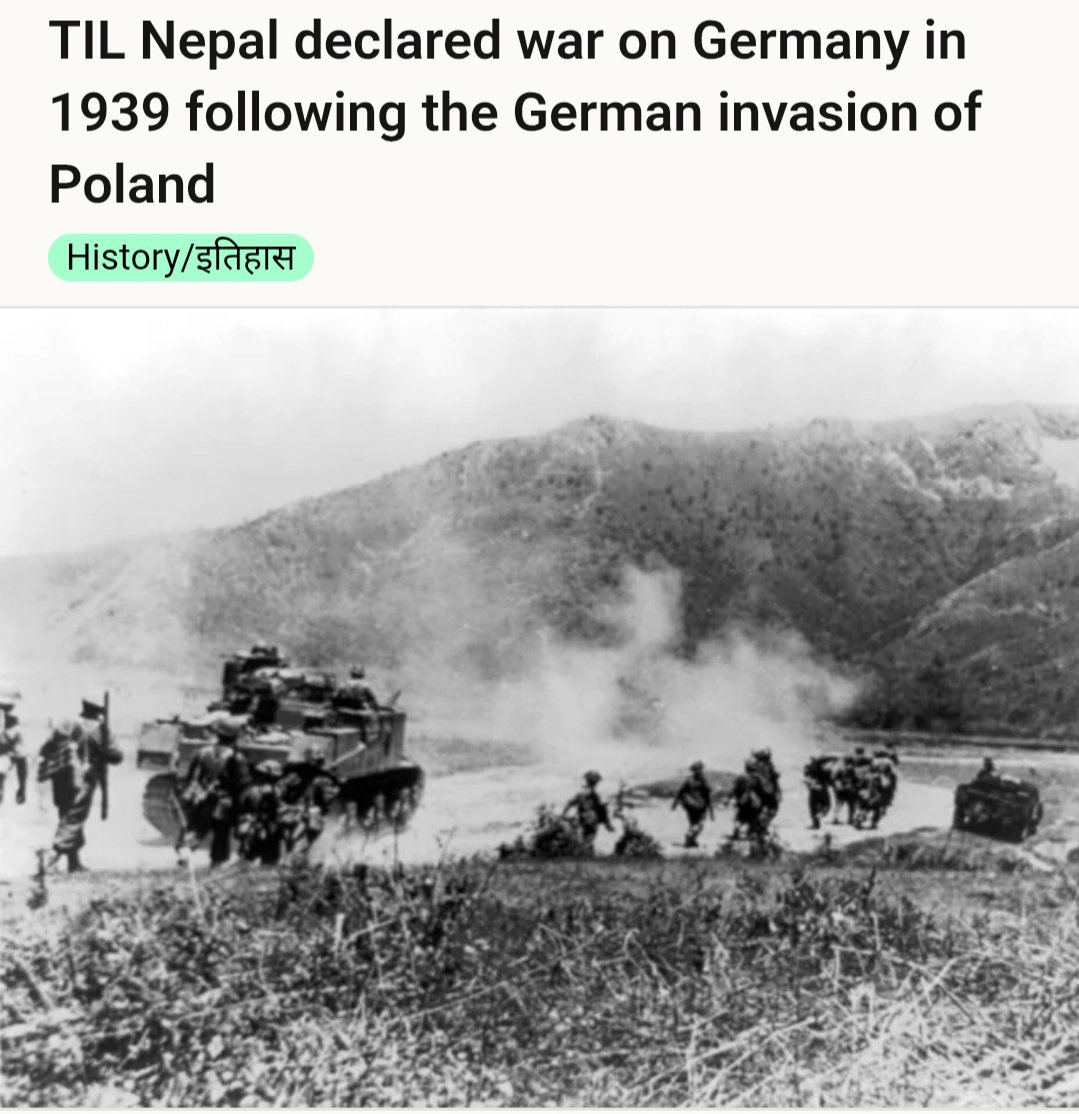
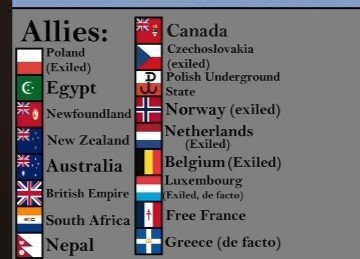
Nepal boldly declared the war on Germany and Japan after the Germans invaded Poland. The Nepal Army was sent to Burma to fight the Axis Power. I got so happy when I saw our flag in one of the YouTube videos with 2.5m Views. We can say it too. We won the World Wars.
लौ! एकतिर २० वर्ष देखिको अग्रगामी छलाङ अर्को तर्फ अक्टोबर क्रान्ति पछि "अवस्था बदल्न" आएको नयाँ पुस्ताको शासन भएको देशमा त विकासकाे लहरले उथुल् पुथुल नै भएको होला भन्ठानेको।
I still believe that this period saw the best of Nepal in terms of logistics. The state managed to transport information, supplies and ammunitions between Tista and Sutlej within short duration. Fast forward to 21st century, logistics is a joke. Shows how much state has rotten.
There were several interlocking systems that financed and sustained Gorkha Empire.
The Jagir System: Because the state economy was largely non-monetized, the government paid its military and bureaucracy through land assignments (jagirs) rather than cash.
The Tarai was the "glue" holding the empire together and, the "mine" from which Nepal drew its chief net monied resources essential to sustaining the jagir-dependent elite and army.
The Umra System: Local commanders (Umras) were assigned rice-fields and homesteads in exchange for mobilizing armed men.
An Umra's duties included equipping a set number of men with khundas (swords), bows, or muskets, and providing arrows (typically 25–30 per khet) to the royal household.
Bisi Bandak: A fixed land-assignment system supporting a professional body of soldiers.
Hiunpal: A designated line or group of villages stretching from the high snows down toward Almora in the Kumaon region. These villages were specifically set aside to supply snow exclusively for the royal table (the king’s household or court needs, such as cooling or preservation).
Jhara and Rakam: Systems of compulsory, unpaid labor. The entire adult male population could be obliged to transport military supplies, process saltpetre for gunpowder, construct/repair forts (eg. Chisapani), and serve as porters, masons, or brickmakers.
During the war, Bagmati-region porters carried rice from Makwanpur to Chisapani, provisioning "kaligad" (skilled workers) for up to six months.
The Newars of Pokhara petitioned against being conscripted into Jhara porterage, arguing they were traders without land allotments.
Hulak: A sophisticated 24-hour relay/postal system of porters and runners along the "east–west track," built to move military intelligence and supplies rapidly to the western front.
The Hulak system was a direct outgrowth of the war itself, later evolving into Nepal's unifying communications network.
Chaudharis and Jamindars: Local gentry used by the Gorkhalis to extract agricultural surplus in the Tarai, frequently clashing with the East India Company’s parallel revenue interests in districts like Purnea (Bihar) and Gorakhpur.
The Brahman "Fifth Column": The Gorkhas employed up to 2,000 Brahmans to infiltrate rival territories and conduct steady propaganda of psychological warfare aimed at "depriving the enemy of wisdom" and weakening morale before the army's arrival.
The "Thorny Bushes" Policy: Early Shah kings intentionally blocked trade routes between the plains and hills by planting thorny bushes and cane, letting jungle overgrow traditional paths, to preserve the "secrets of the hills."
Logistics of the soldiery: Each Gorkhali soldier was supported by a woman and young boys who handled cooking and carrying provisions, freeing the soldier for combat and enabling the army to be in "marching trim" in as little as 30 minutes, carrying up to ten days' provisions.
By contrast, British sepoys, bound by "Brahmanical punctilio" (ceremonial bathing/cooking requirements), needed hours to prepare, and the British army required one camel per eight soldiers.
जोकरतन्त्र । प्रोटोकल नमिल्ने भन्दै विदेश सचिवलाई समेत नभेटने भन्ने यिनै हुन क्यारे । अहिले त्यो भन्दा तल्लो सहसचिव पदको राजदूतलाई एक्लाएक्लै भेट्ने थालेछन् ।
उनी लेख्छन्, ‘एउटा उपबुज्रुकले हामीसँग सिंह नै छैन, सिंहदरबार किन राख्ने भनेर सिंहदरबारको नाम फेर्नुपर्ने भनेछन् ! जसको मनमा हरि नै छैन उसको नाम चॅाहि हरि ! ? गोबर नाम राखे हुन्न ?’
राजा ज्ञानेन्द्र लाई हटाउनु पर्छ भन्ने हरु सबै देश छोडेर भागे ।
कोही स्पेन मा भाँडा हान्दै, कोही स्विडेन मा त कोही क्यानाडा, युके मा।
गु धुने हात ले भात खाने हरु लाई फेरि राजा भएको देशमा नै जान पर्ने। छैन त hypocracy?
शुभ प्रभात🌄
From kingdom of Nepal