@elonmusk - "To those who say that the United States is only interested in oil, I ask those people: What do you think the Russians and the Chinese wanted? The recipe for arepas?"
HAHAHAHAHAHAHAHAHA, he nailed it.
So if you ever see these characters printed on your mooncake, eat the pastry, but remember the saying! You never know when you’ll need to wish someone a “Happily ever after.”
Have you ever taken a close look at the Chinese characters written on your mooncake?
They don't always specify the flavor of the mooncake filling.
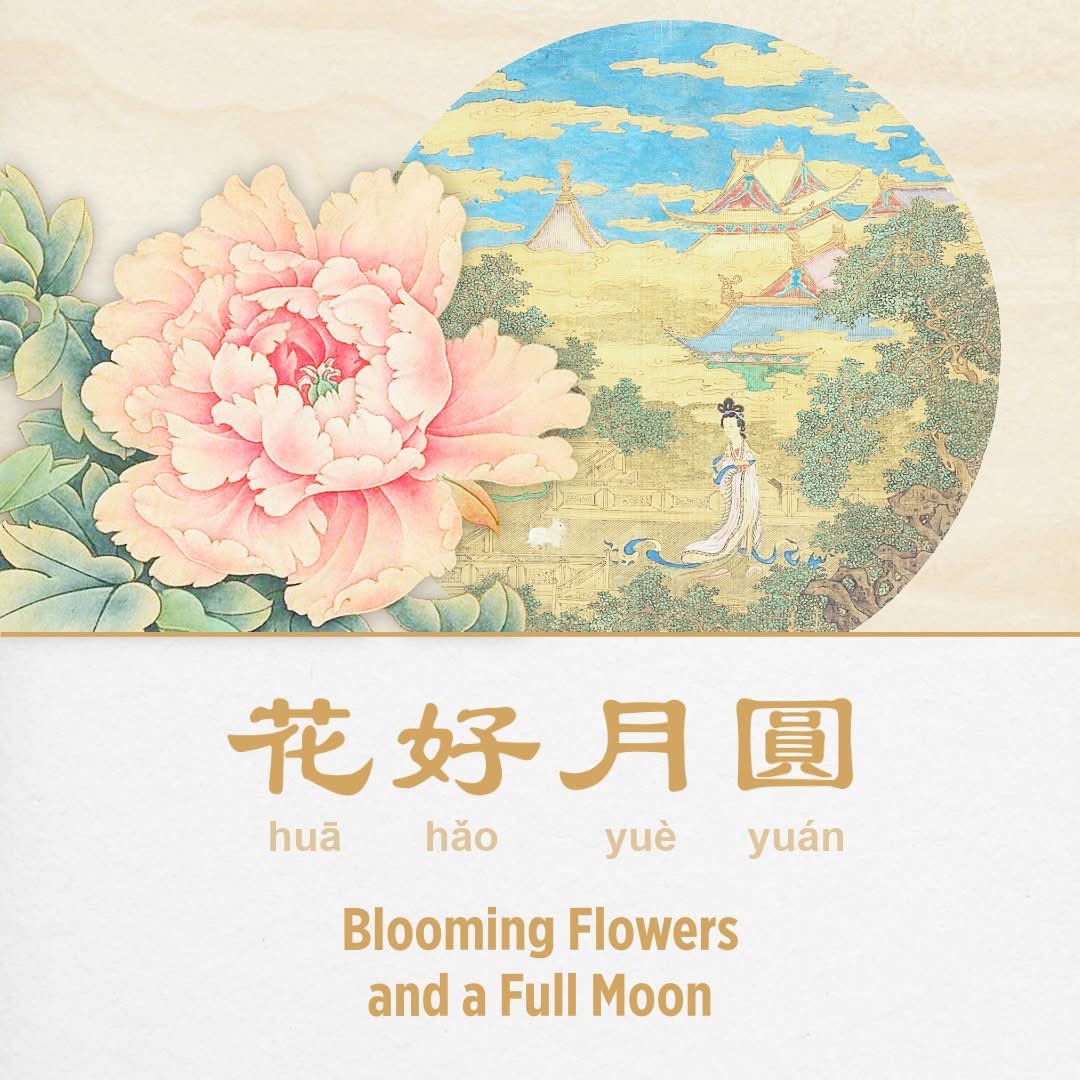
If you've seen “花好月圓” (Hua1 Hao3 Yue4 Yuan2), it translates directly into “Blooming flowers and a full moon,”
and is used to symbolize joy, contentment, and marital bliss. Often heard at weddings, these four characters can also be taken as the English equivalent of “Love and happiness forever”.
#Mooncakes are more than just a traditional pastry; they are a symbol of unity, heritage and celebration in Chinese culture. These round or square pastries are an integral part of the #MidAutumnFestival.
Have you heard this idiom before? 上善若水 (shàng shàn ruò shuǐ) – “The highest virtue is like water.”
The ancient Greek philosopher Thales once said that all things originate from water. Beyond its obvious value in sustaining life, why would water reappear in philosophical teachings time and time again?
In ancient China, Laozi—the founder of Daoism, who lived around the same time as Thales—offered this perspective: the person with the highest moral character is like water. Water supports everything around it without trying to compete. It stays low and humble, yet it nourishes all. It’s soft and gentle, but given time, it can shape rocks and carve mountains. In the same way, true virtue doesn’t force or fight—it transforms through patience and quiet strength.
上善若水 (shàng shàn ruò shuǐ) expresses the idea that the highest virtue a person can attain is like that of water. It’s a reminder to return to high morality and a noble spirit.
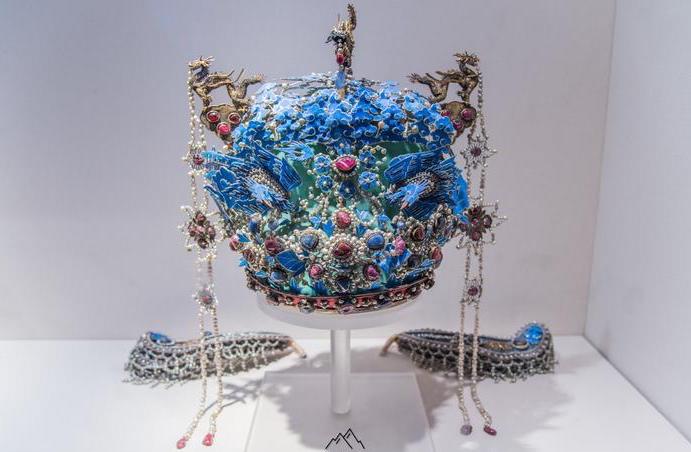
“Tiao pai” is a traditional #ChineseHanfu hair accessory. It consists of gold hairpins and dangling jewelry tassels, which only served for imperial consorts & noblewomen and were worn atop formal phoenix crowns during the Ming Dynasty.
A woman self-taught calligraphy for 2 years and wrote printed calligraphy on bamboo slips. The beauty of Chinese traditional culture. #ChineseTraditionalCulture
Li Qingzhao was the greatest #female poet recorded in #Chinese history. She safeguarded legacies of traditional poetry during a time of turbulence, while her verses embodied the unyielding spirit of Song Dynasty scholars. #culture
The backbone of Chinese traditional philosophy is three parts: Confucianism, Taoism and Chinese Buddhism.
There is a popular saying among Chinese people - "Study Confucianism in your youth, Taoism in your middle age, and Buddhism in your old age."