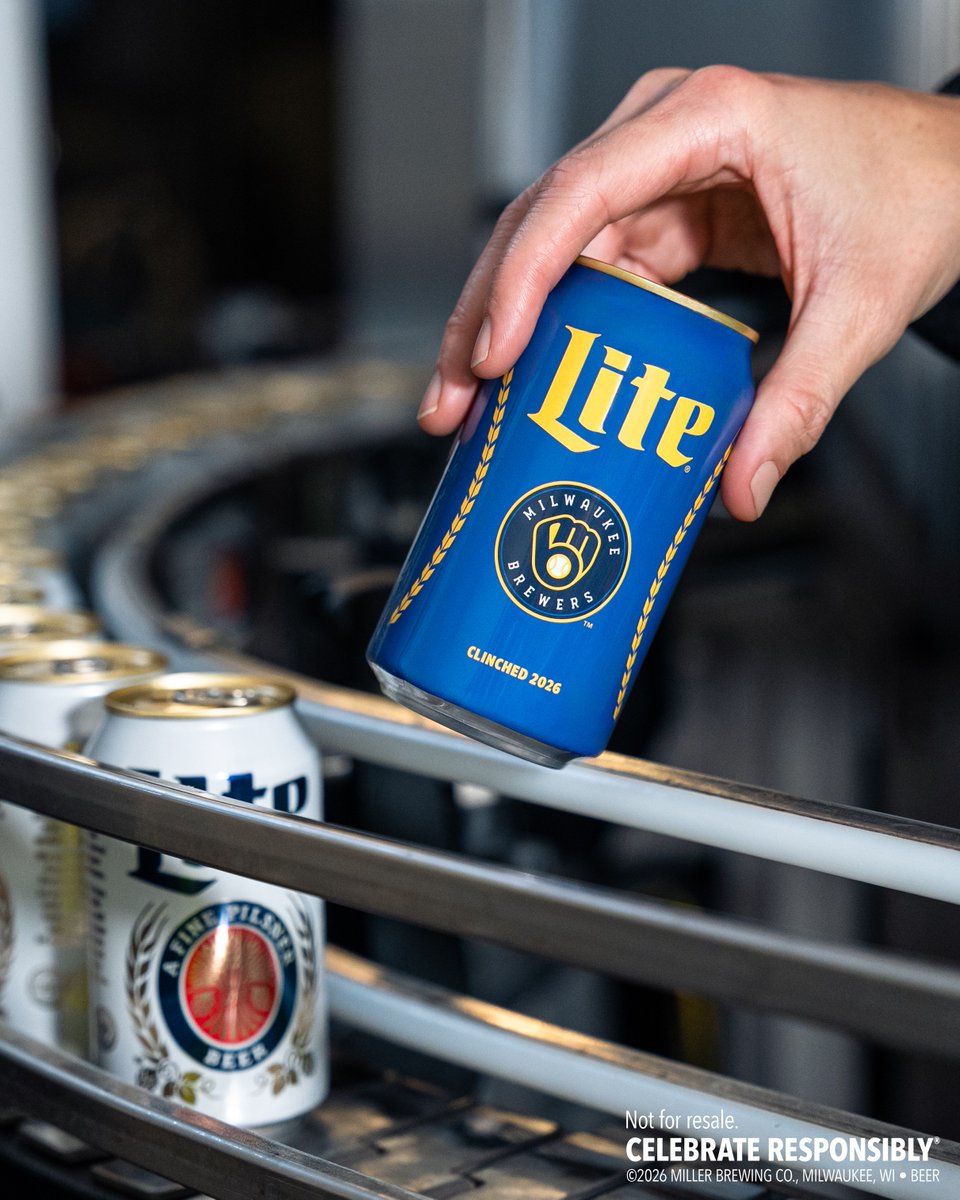
Here’s to the @brewers from our brewers. Introducing the Miller Lite Clinch Cans, filled with the very beer that was being made in Milwaukee the exact moment the team won it all.
@_jbarq47@natssauer@americanmoment dawg there is a not a white girl on this earth who doesn't love carving pumpkins and insist on doing it every single year
If someone asks you how much a single baby's life is worth to the United States Air Force, tell them about the night an American fighter squadron scrambled a supersonic interceptor for a five-month-old boy.
On December 23, 1986, five-month-old Andrew Baumann was dying of heart failure in California after his parents had already lost his baby sister to the same condition.
Near midnight in Fargo, North Dakota, a donor heart finally became available, but the civilian medical jet broke down on the freezing tarmac with the four-hour survival window ticking away.
Civilian doctors could not ride in a fighter jet without ejection-seat training and high-altitude pressure suits.
Sixteen minutes after a desperate 2:00 a.m. phone call to the North Dakota Air National Guard, First Lieutenant Robert Becklund climbed up the ladder of a McDonnell Douglas F-4D Phantom II.
He strapped a red-and-white plastic cooler holding the tiny heart directly into the back ejection seat.
At 3:06 a.m. on Christmas Eve, Becklund blasted off alone into the dark winter sky and pushed his twin-engine fighter close to six hundred miles per hour across fifteen hundred miles.
He touched down at Moffett Naval Air Station at 4:43 a.m.
Even after seven and a half hours outside a body, that tiny heart beat strong inside Andrew's chest, and the boy grew up to graduate college and get married.
A superpower is measured by how fast its deadliest machines fly to save its smallest citizen.