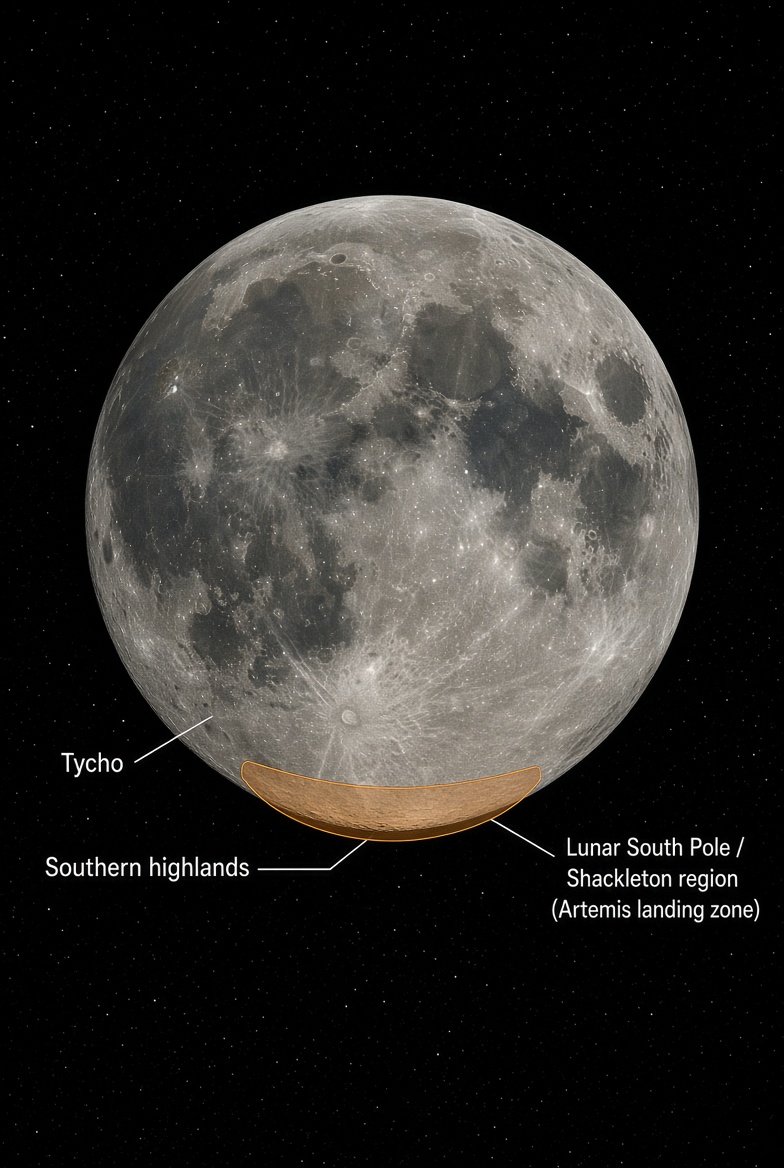
Want to connect backyard astronomy with future Moon bases? The lunar South Pole is exactly where NASA and others plan to land. You can actually watch that region tilt into view from Earth.
Use planetarium software — Stellarium (free), SkySafari, or Stellarium Web. Open the Moon and check the libration numbers. Stellarium even adds exclamation marks when the wobble is strong enough to reveal extra terrain on the limb. Switch to “Lunar North up” so the north-south nod is obvious.
When southern libration peaks, you’re looking at the same high-latitude ground that future crews will use for sunlight and ice.
#SpaceX #Moonbase
@NASAAdmin We have sent only 28 people to the Moon and hundreds into low Earth orbit. Orbit taught us how to live off the planet, but staying there too long turns preparation into delay. The next step is returning to the Moon and going to Mars.
#Tesla#Optimus#SpaceX#Mars#ElonMusk#Starship
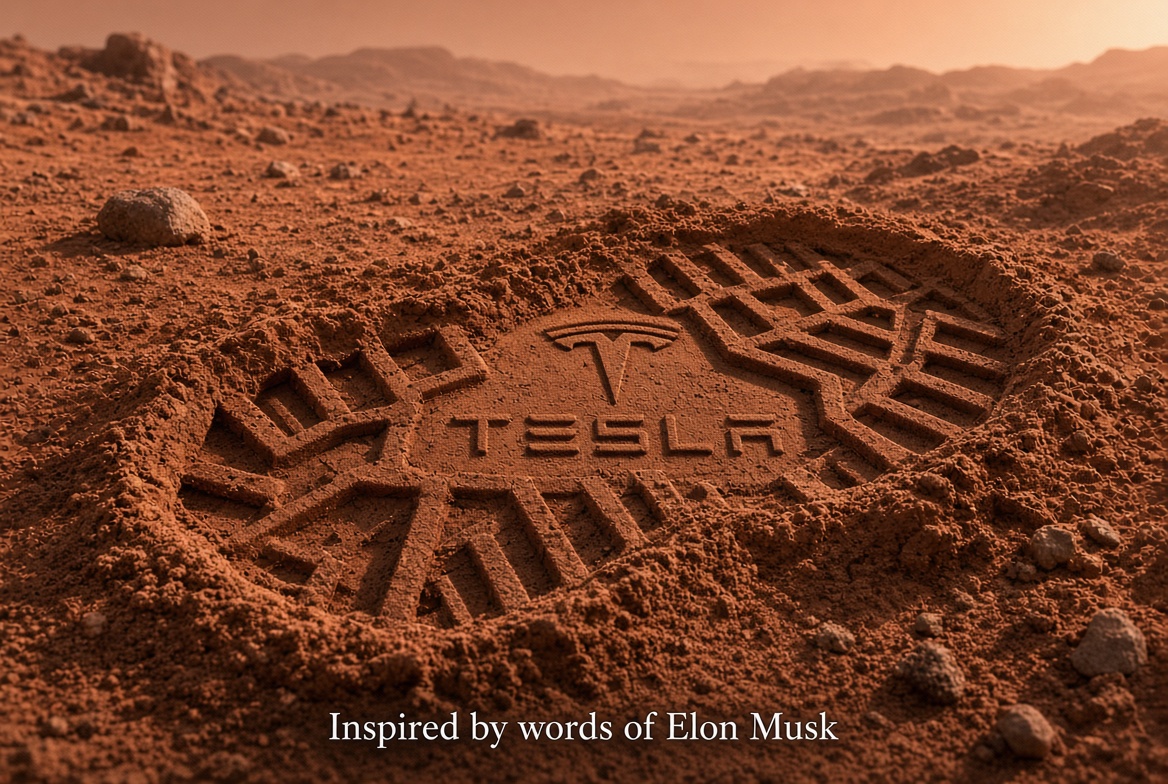
The first foot print on Mars may not belong to an astronaut.
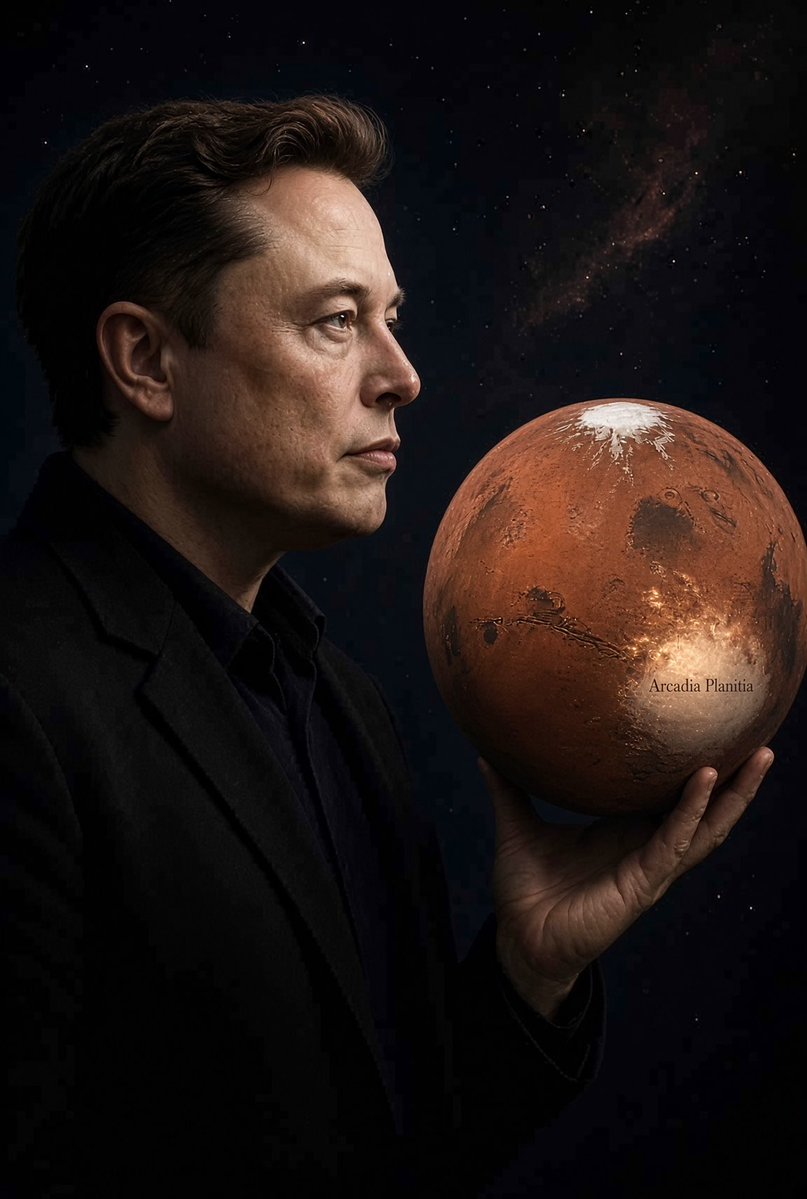
Elon Musk has said the first Starship missions to Mars are meant to carry Tesla Optimus robots, not people — machines sent ahead to build power, habitats, and the basic infrastructure that would make a later human landing possible. In his words, those ships would be “carrying Optimus,” and “Mars is a planet purely of robots (for now).”
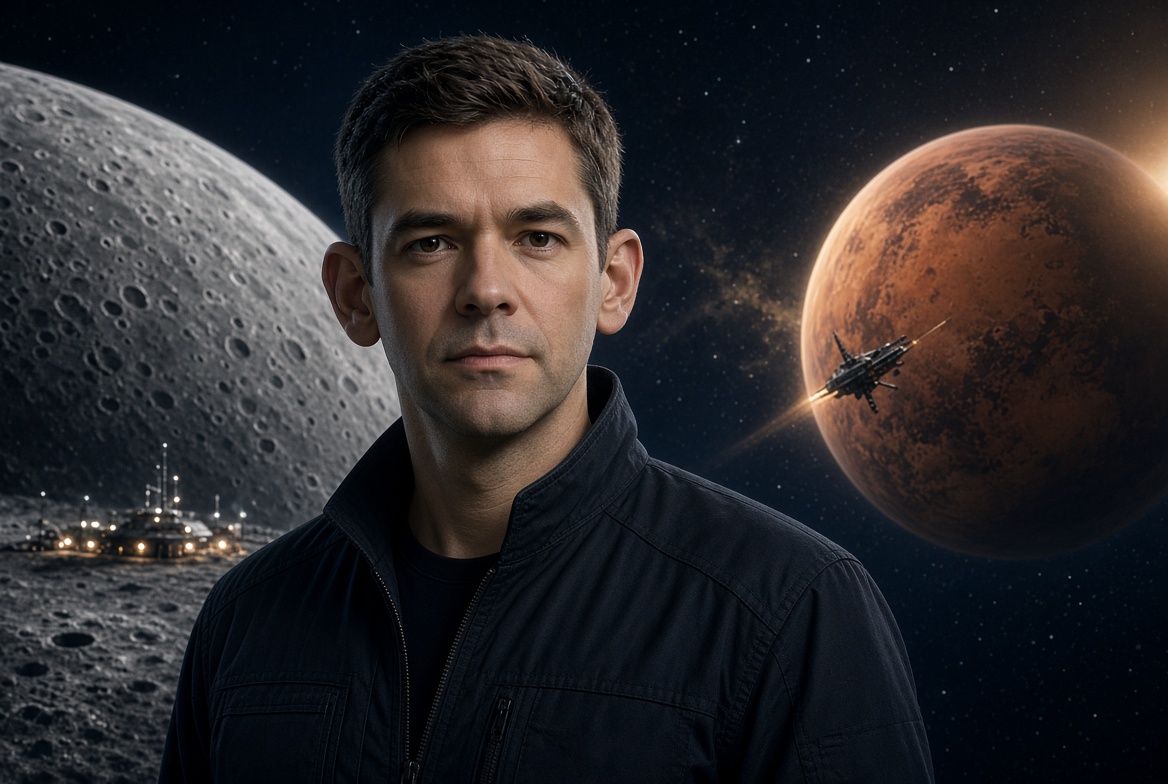
Jared Isaacman didn’t just buy a ticket to space. He commanded the first all-civilian orbital mission, then led the first commercial spacewalk. Now, as NASA Administrator, he’s treating the Moon and Mars like a deadline, not a dream.
The agenda is blunt: land Americans on the Moon again, this time to stay. Build a surface base. Use the lunar south pole as a proving ground. Fly more often. Pause orbit-first architecture that delays boots on the ground. Then take the next leap with nuclear power — including SR-1 Freedom, a fission-powered pathfinder aimed at Mars.
Moon first. Stay. Learn. Then Mars.
That’s not nostalgia for Apollo. That’s a race for science, industry, and who sets the rules beyond Earth. Isaacman’s bet is that NASA can still do the near-impossible — if it moves like a mission, not a committee.
This time, we stay. Then we go farther.
Jared Isaacman didn’t just buy a ticket to space. He commanded the first all-civilian orbital mission, then led the first commercial spacewalk. Now, as NASA Administrator, he’s treating the Moon and Mars like a deadline, not a dream.
The agenda is blunt: land Americans on the Moon again, this time to stay. Build a surface base. Use the lunar south pole as a proving ground. Fly more often. Pause orbit-first architecture that delays boots on the ground. Then take the next leap with nuclear power — including SR-1 Freedom, a fission-powered pathfinder aimed at Mars.
Moon first. Stay. Learn. Then Mars.
That’s not nostalgia for Apollo. That’s a race for science, industry, and who sets the rules beyond Earth. Isaacman’s bet is that NASA can still do the near-impossible — if it moves like a mission, not a committee.
This time, we stay. Then we go farther.
Our team has delivered three vehicle-level prototypes of the Pegasus Lunar Terrain Vehicle in under six months. The third and highest fidelity prototype was used for human-in-the-loop testing with Astronauts at @NASAJohnson this month. Testing content coming soon 👀
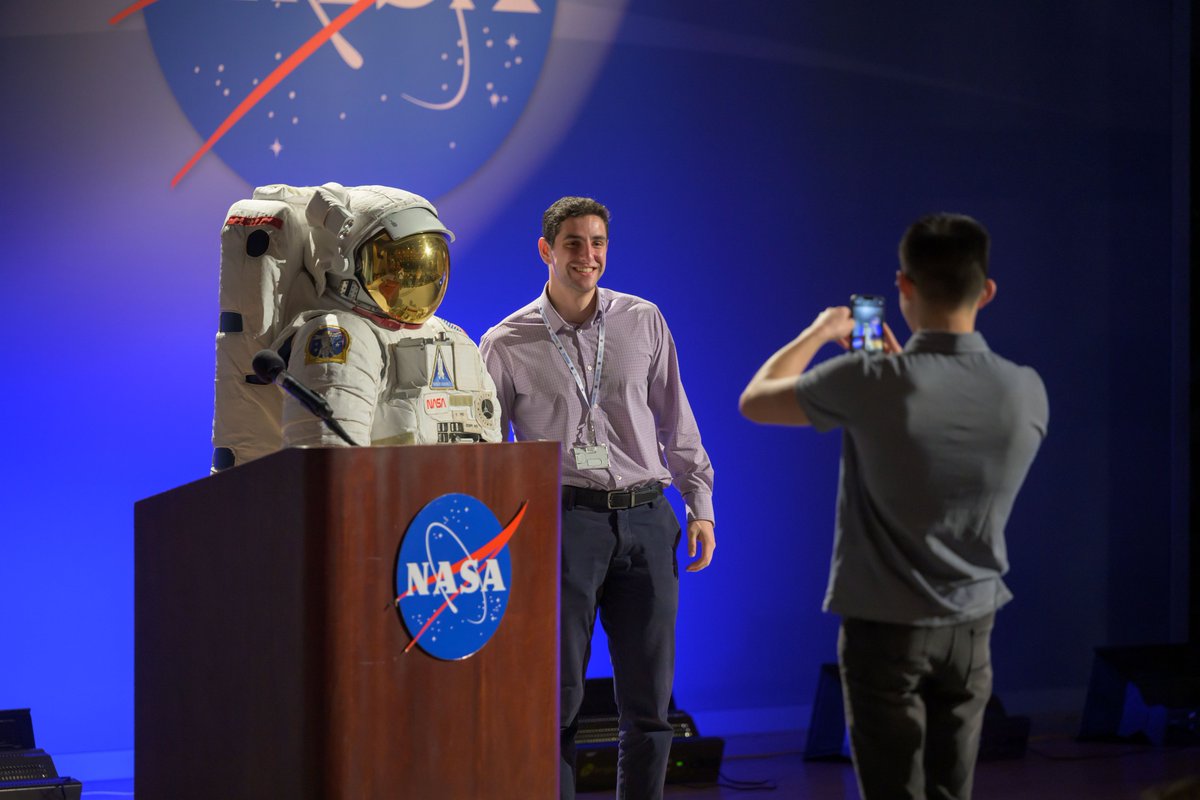
Your path to NASA is open for one more day: Pathways internship applications close tomorrow, Sept. 25!
From science and engineering to business, NASA has a place for you to grow. Learn more about Pathways opportunities and apply today: https://t.co/sk5dAlxT11