We revised our Axiom Station assembly sequence to enable an independent free flyer about two years earlier than planned! This strategic move supports customer needs and U.S. national & @Space_Station objectives. Read more: https://t.co/tUhlh1nZqf
The Space Race was initiated today, 67 years ago with the Soviet Union’s launch of Sputnik I – the first manmade satellite into orbit. It certainly seems like a humble device now – weighing only 184 pounds and only transmitting a radio signal beep – but the gravity of this event was enormous at the time. As the start of October also brings World Space Week, one not only reflects on the defining events of human activity in space like Sputnik, but what awaits us ahead. I’m looking forward to it! #WSW2024
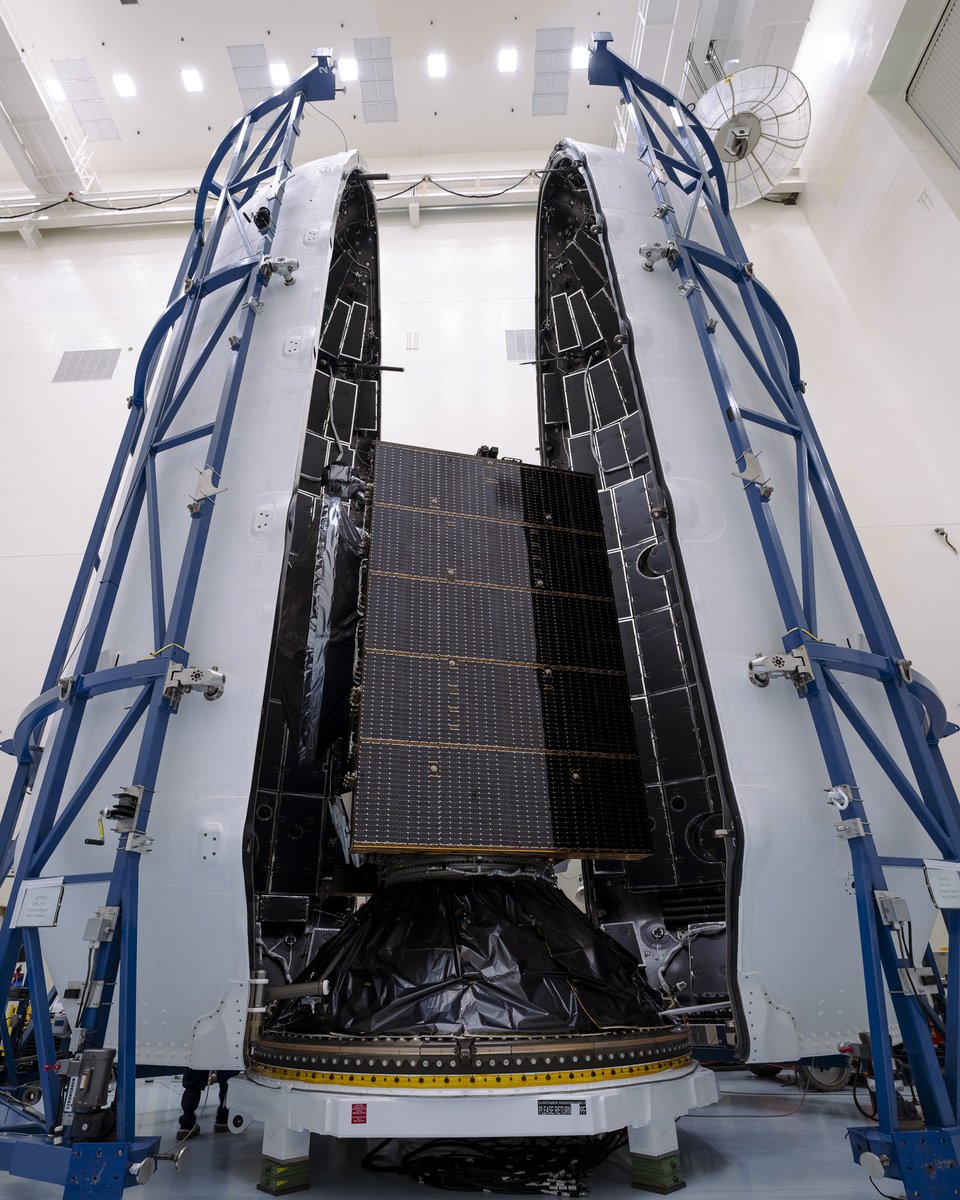
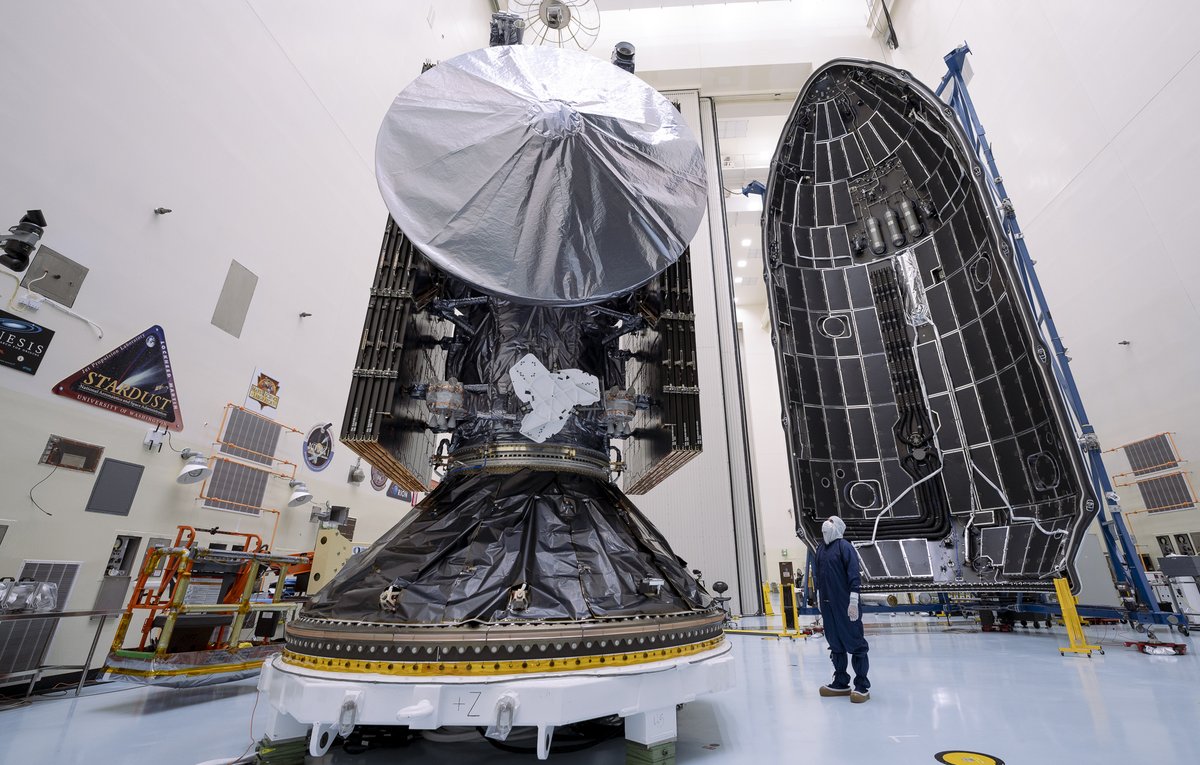
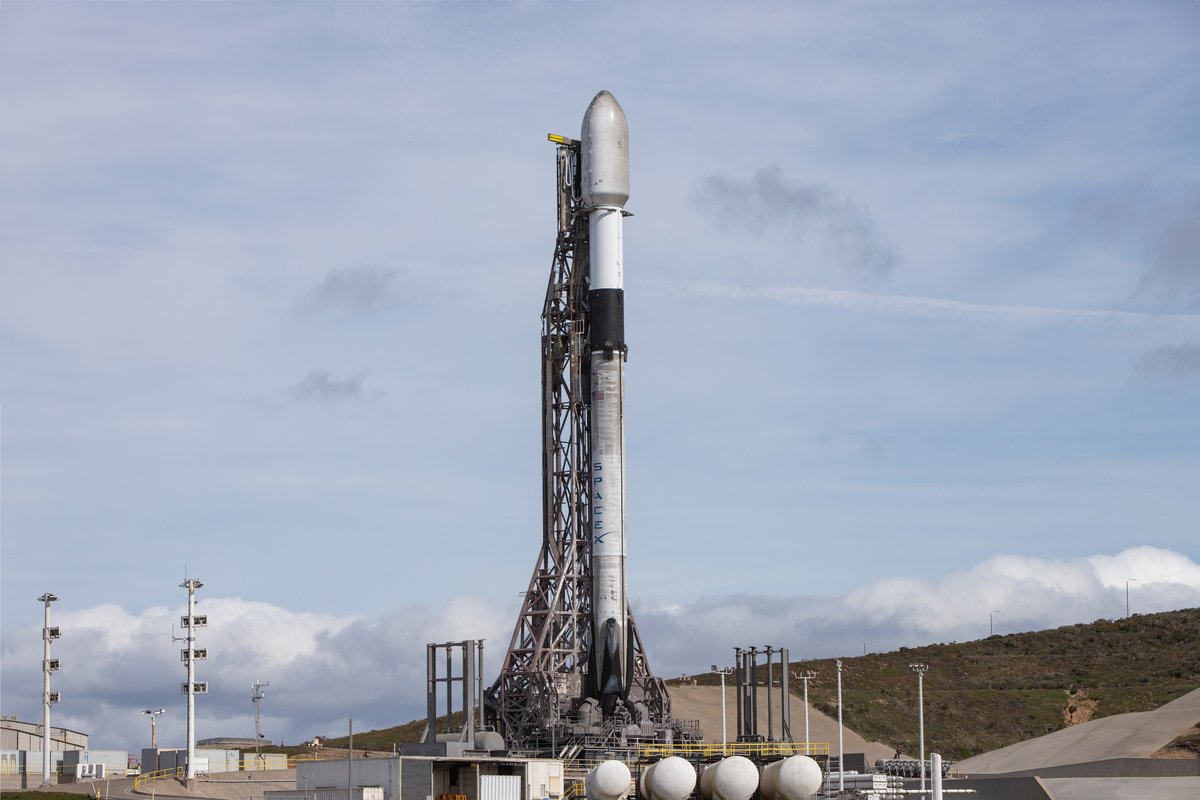
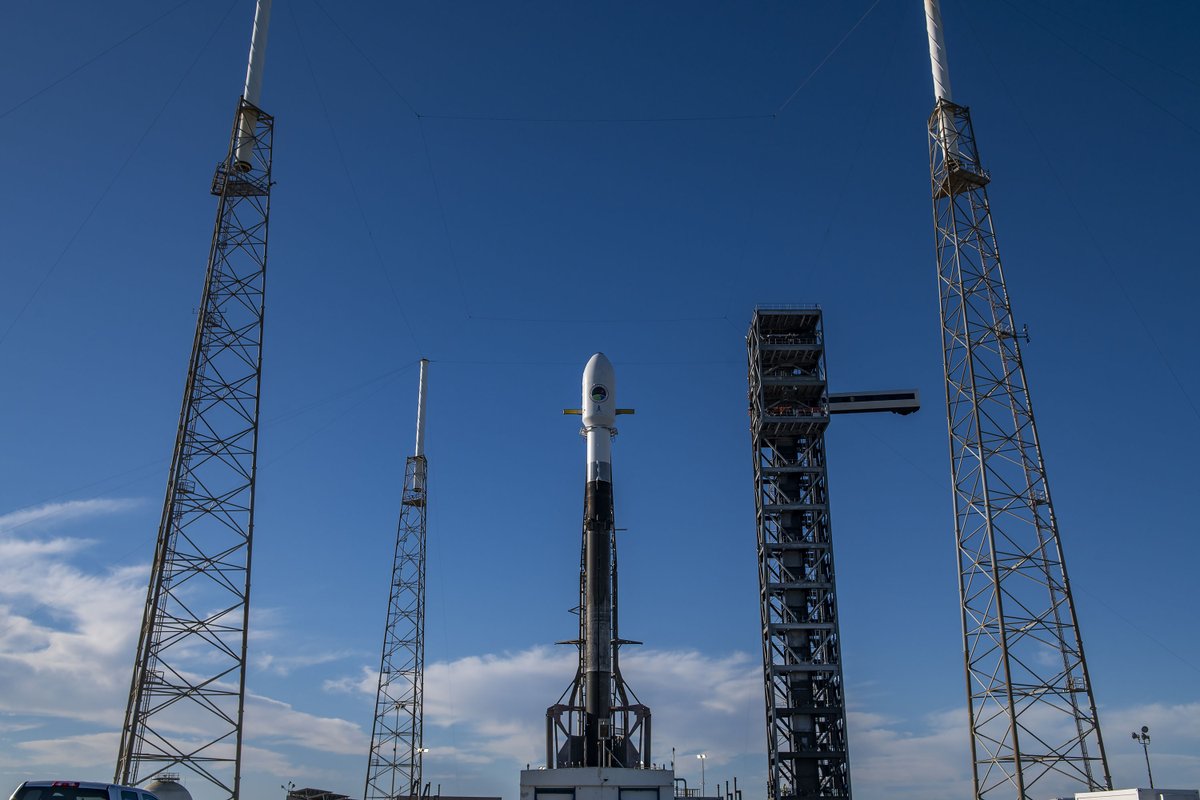
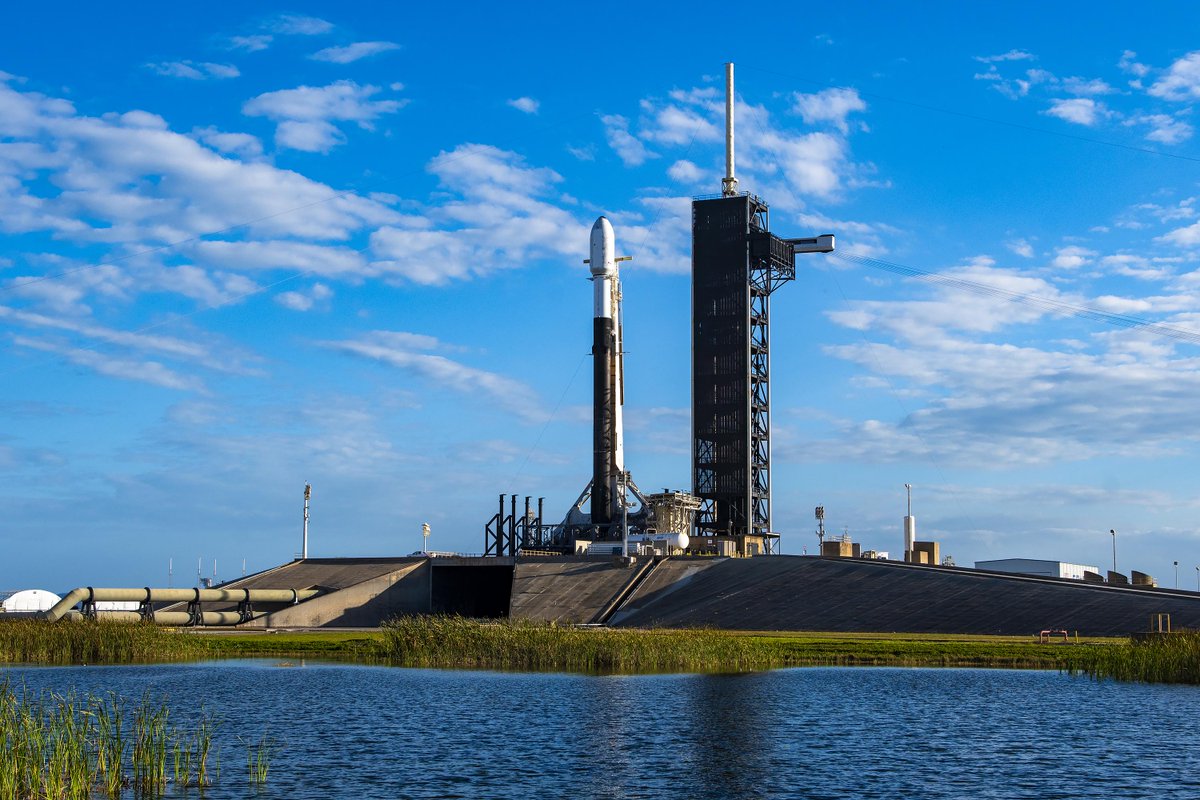
Teams encapsulated @NASA 's Europa Clipper spacecraft into Falcon Heavy's fairing earlier this week ahead of next week's Falcon Heavy launch from pad 39A in Florida
Col. Hague represents NASA, but beneath the spacesuit, he remains a Guardian—embodying the character, commitment, connection, and courage inherent to the Guardian spirit. I wish Nick the best of luck on his journey, and I know he will do us proud.
Alpha Centauri is a triple star system located roughly 4.3 light-years from Earth. It’s the closest star system to the Sun and consists of three stars – Alpha Centauri A, Alpha Centauri B, and Proxima Centauri.
Both Alpha Centauri A and B are Sun-like stars (class G and K respectively) while Proxima Centauri is a relatively dim red dwarf star. To the naked eye, these stars appear as one, shining bright in the night sky.
Only two exoplanets have been discovered in this enthralling star system. Both orbit around Proxima Centauri, with one –Proxima Centauri b – being located in the habitable zone. Perhaps this promising exoplanet will be the first that humans explore beyond our own solar system.
📸 Credit: FarLife (not a real image)
Video of CNSA lunar suit in action! Astronauts can squat, bend over, allowing astronauts to climb, drive, conduct lunar surface activities such as fieldwork. Full HD:https://t.co/dHC4L3zBVZ
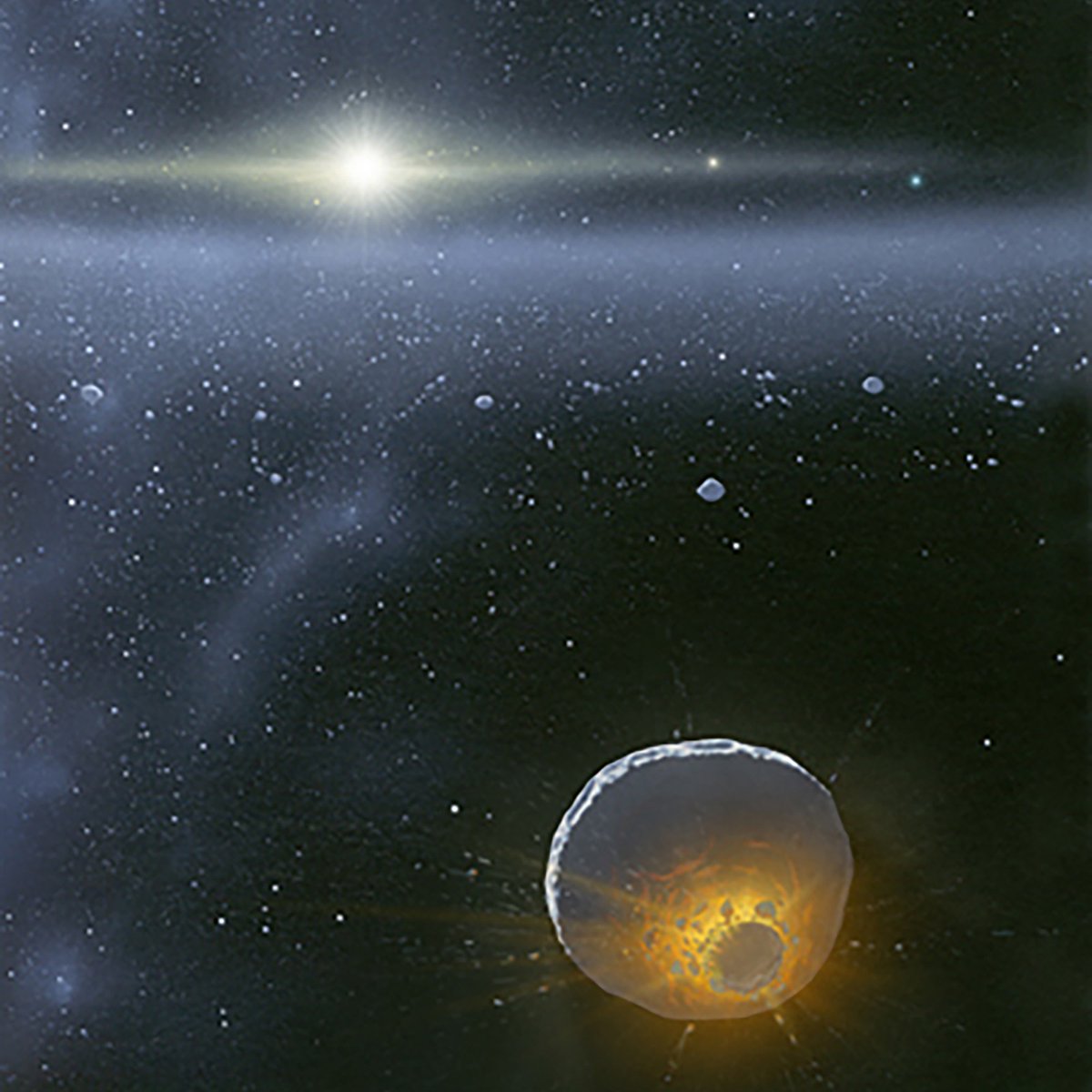
A new, peer-reviewed study authored by NASA’s New Horizons Kuiper Belt search team reports the detection of an unexpected population of very distant bodies in the Kuiper Belt. The discovery suggests the solar system may have formed from a much larger protostellar disk, and portends new objects for NASA’s New Horizons to study. https://t.co/3pivixLbKQ
#Crew9 crew announcement:
@NASA_Astronauts Nick Hague and Roscosmos cosmonaut Aleksandr Gorbunov will launch no earlier than Sept. 24, on the agency’s SpaceX Crew-9 mission to @Space_Station.
Hague and Gorbunov will fly to the space station as commander and mission specialist, respectively, as part of a two-crew member flight aboard a SpaceX Dragon.
More: https://t.co/KmPwb7yfLv
Let’s work it out on the remix 🫶
When @NASAHubble and @NASAWebb get together, the internet always goes crazy. Float through multiwavelength views of the iconic Pillars of Creation in this new 3D visualization. More on how it was made: https://t.co/lbrVZBOHIt
🗞️Astronomers discover universe’s brightest object 🗞️
Scientists have discovered a quasar - 500tn times brighter than our sun - 'hiding in plain sight.'
It's powered by the fastest growing black hole ever discovered, eating a sun a day.
More here 👇
https://t.co/HImiBA5S4X
#OTD in 1972 - Jack Schmitt (pictured) and Gene Cernan undertake Lunar Module check-out on the way to the Moon, on Apollo 17.
Produced from 16 frames of 16mm film.
Improvise, adapt, overcome?
Rocky planets may be able to form in harsher environments than we thought. Webb detected building blocks of planets, including water & carbon dioxide, in a rocky planet-forming zone being hit by extreme ultraviolet radiation: https://t.co/NaB8IxEGX9
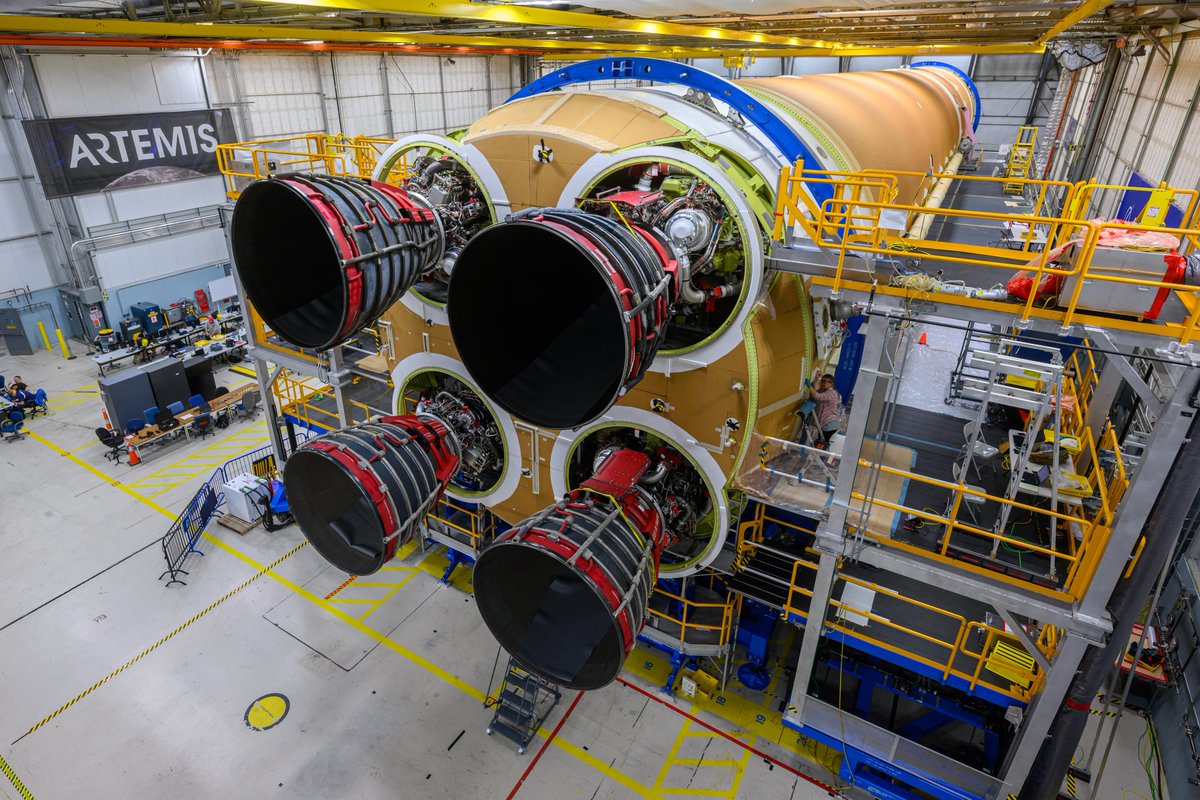
#Artemis II milestone achieved ✅
All four RS-25 engines have been successfully installed on Core Stage 2 for the @NASA_SLS rocket. Up next is functional testing of Core Stage 2 in preparation for roll out and delivery.
Learn more: https://t.co/XldKaPC4C2
📷: NASA
🚀🎸🤘 Let’s mosh!
A @SpaceX Falcon Heavy has launched the #MissiontoPsyche spacecraft from Launch Complex 39A. The spacecraft has begun its journey to Psyche, the metal-rich asteroid located between Mars and Jupiter.