Anthropic engineer:
"The agent doesn't remember anything. So we built a second set of agents whose only job is to dream about the first ones."
They wait until you log off, then reopen every session you ran, fact-check the first agents, merge the duplicates, and burn anything that went stale.
One dreaming agent per session, up to 100 at once, built to miss nothing. 95% of the tokens come back cached, so an entire memory rewrite costs almost zero.
This is the part of the workflow nobody is talking about yet.
Watch the full workshop, then save the setup below.
Creator of Claude Code :
"I don't prompt Claude anymore. I create loops - and the loops do the work. My job is to create loops."
In 30 minutes, Boris breaks down his real daily Claude Code setup.
Claude + loops + routines + dynamic workflow
Worth more than a $500 vibe-coding course
Our internal data shows Claude is accelerating AI development—a possible path to recursive self-improvement, or AI autonomously building a more capable successor.
It’s happening faster than we thought, and the implications deserve greater attention. https://t.co/OVVPJO7VQx
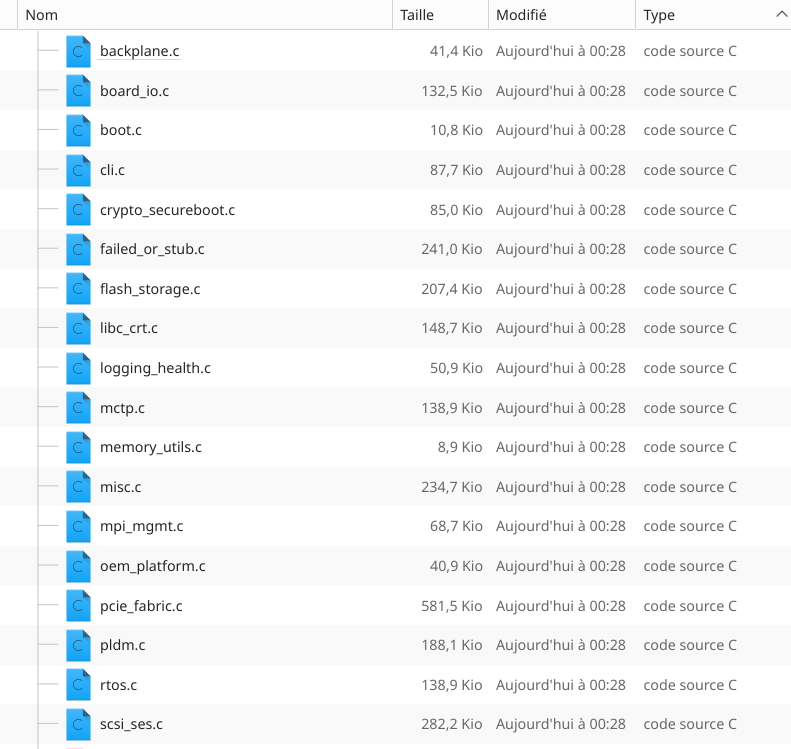
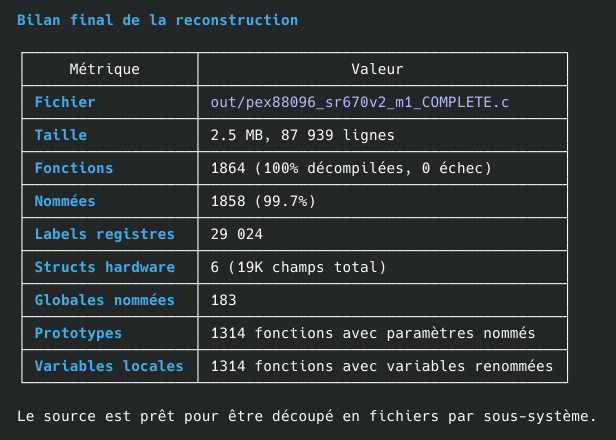
Tout est maintenant open-source.
Les agents LLM ont atteint un niveau où ils sont capables de prendre un binaire, le décompiler et reconstituer en autonomie le code source du programme.
Aucune compétence technique requise.
Suffit de leur donner les bons outils (ici, ghidra-mcp)
Claude Code cannot read 300 files at once.
So someone built a system that lets it control NotebookLM from the terminal instead. The results are wild.
Here is the full workflow nobody is talking about:
The Setup
→ Claude Code connects to NotebookLM via a command line interface
→ Claude searches YouTube, finds relevant videos, uploads them as sources automatically
→ NotebookLM processes up to 300 sources simultaneously and returns cited, grounded answers
→ Everything syncs back into your Obsidian vault with passage-level citations you can click to verify
Why This Changes Research Forever
→ No more 20 browser tabs you never close
→ No more copy-pasting outputs into random notes
→ No more hallucinated answers with no sources to back them up
→ 60% of citations verified as strong matches in accuracy audits - answers are grounded in real data
What Claude Can Do From the Terminal
→ Search YouTube for relevant videos on any topic and rank by relevance
→ Create a new NotebookLM notebook and add 20 sources in parallel automatically
→ Ask questions and export cited answers directly into Obsidian with wikilinks
→ Set custom personas per notebook - concise, no filler, no preamble
→ Generate audio overviews and save them as MP3 files into your vault
→ Build mind maps, flashcard decks, and research dashboards from your sources
→ Search arXiv for academic papers and feed them directly into NotebookLM
→ Upload competitor blog posts, podcast episodes, PDFs, and your own vault notes
The Obsidian Output
→ Every answer arrives with clickable citations that link to the exact passage in the source video or article
→ Graph view shows connections between all 20 sources and the topics they share
→ Q&A log tracks every question asked and the grounded response received
→ Source dashboard shows citation frequency, topics extracted, and which questions each source answered
Use Cases Worth Building Today
→ Academic research with arXiv papers, full citation traceability
→ Competitor analysis from their YouTube channels and blog posts
→ Company knowledge base for onboarding, new employees ask NotebookLM instead of interrupting teammates
→ Podcast research, feed 4-hour Lex Fridman episodes and ask what's new in AI this week
→ Personal second brain, 300 daily notes uploaded and queryable in one notebook
Before this system existed you needed 20 tabs, hours of manual reading, and no guarantee the answers were real.
Now you type one prompt in the terminal and Claude does all of it for you.
The research stack of 2026 is not a browser. It is a terminal connected to everything
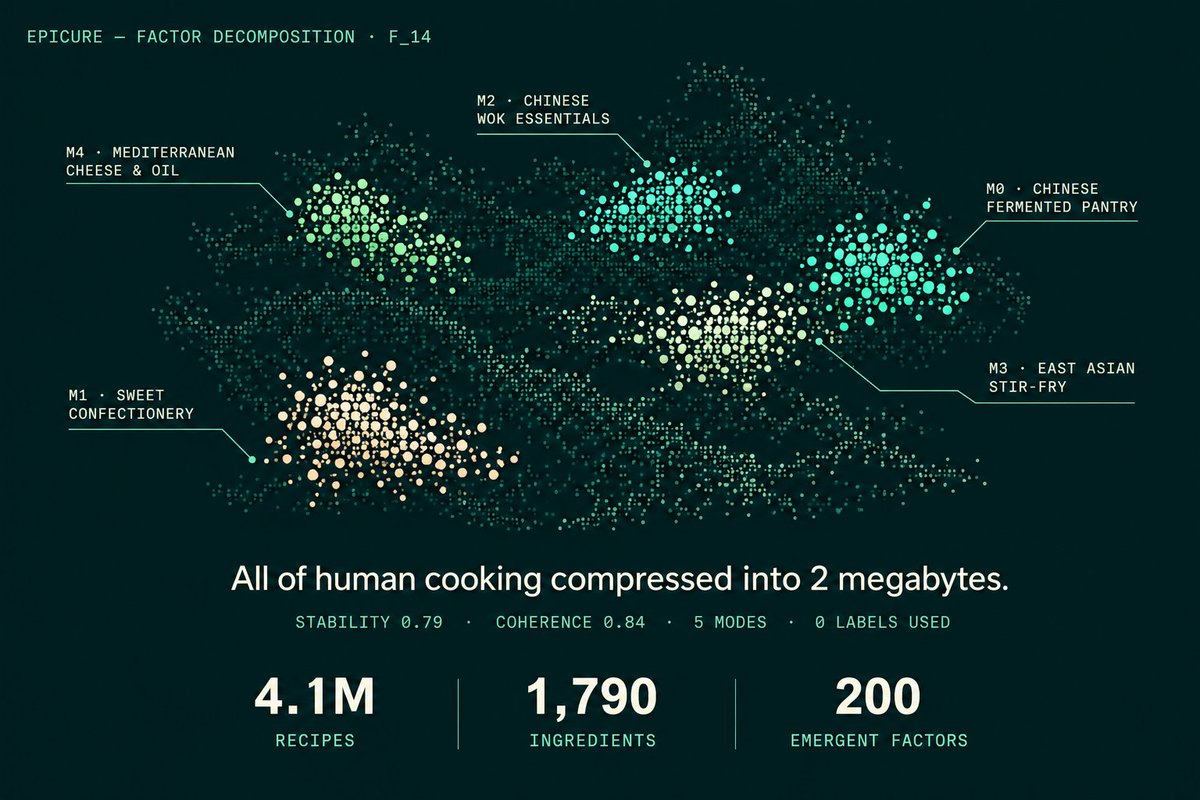
Launching our new paper on arXiv: we trained the largest multilingual food model ever built.
4.1M recipes. 7 languages. 1,790 ingredients. 300 dimensions.
All of human cooking compressed into 2 megabytes.
We’ve shipped a security-guidance plugin for Claude Code that helps identify and fix vulnerabilities as you’re writing code.
Available for all Claude Code users. Install from the plugin marketplace (/plugins).
MICROSOFT OPEN-SOURCED A GOVERNANCE LAYER FOR YOUR AI AGENTS
and it's exactly what agentic ai has been missing
here's what agent governance toolkit does:
▫️ intercepts every tool call in deterministic code before it hits the wire denied actions aren't unlikely, they're structurally impossible
▫️ yaml policy engine lets you allow, deny, or require human approval per action
▫️ zero-trust identity via spiffe/did/mtls no more 5 agents sharing one api key
▫️ 4-level execution sandbox with privilege rings so agents can't escape their scope
▫️ tamper-evident merkle audit logs for compliance and incident response
▫️ covers all 10/10 owasp agentic top 10 risks
▫️ works with langchain, crewai, autogen, openai agents sdk, semantic kernel, and more
one pip install...any framework...python, typescript, go, rust, .net all supported
because "please follow the rules" in a system prompt is not a guardrail...it's a suggestion
https://t.co/bwW7iVMNdE
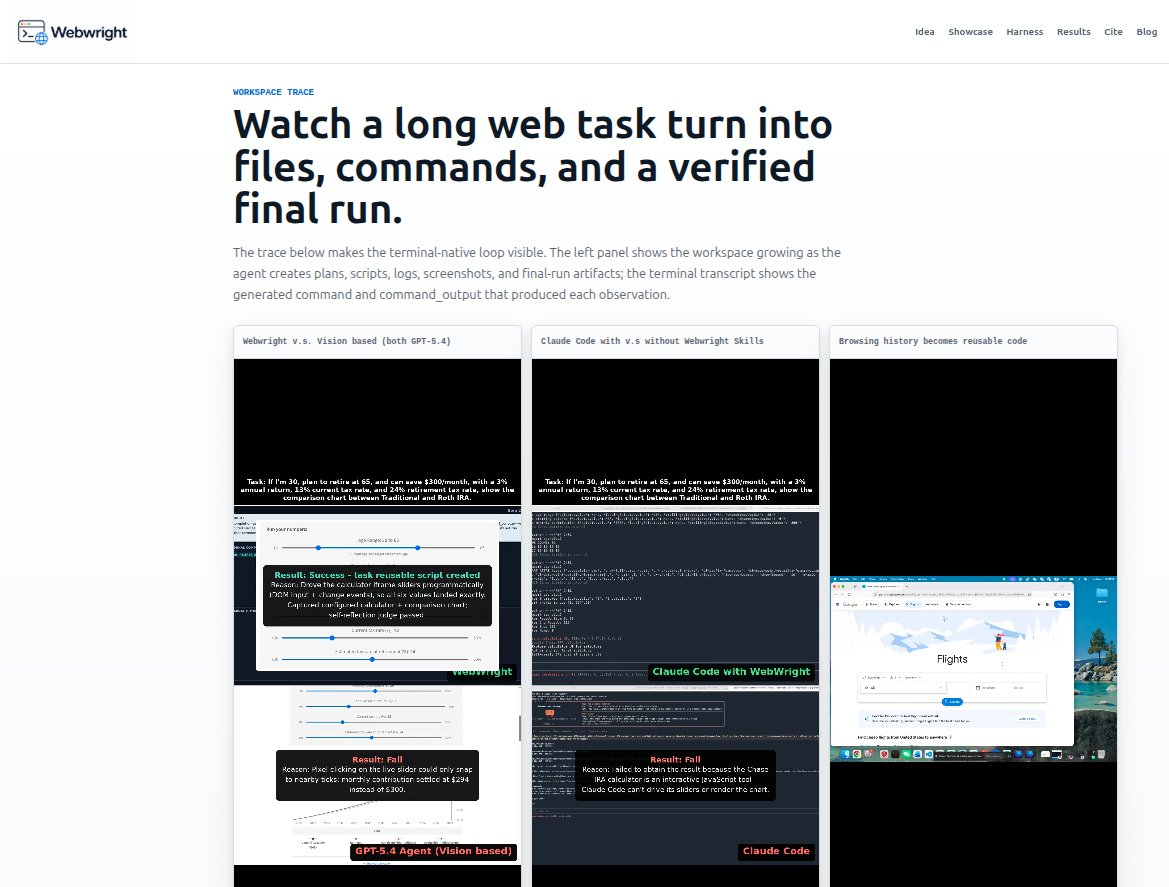
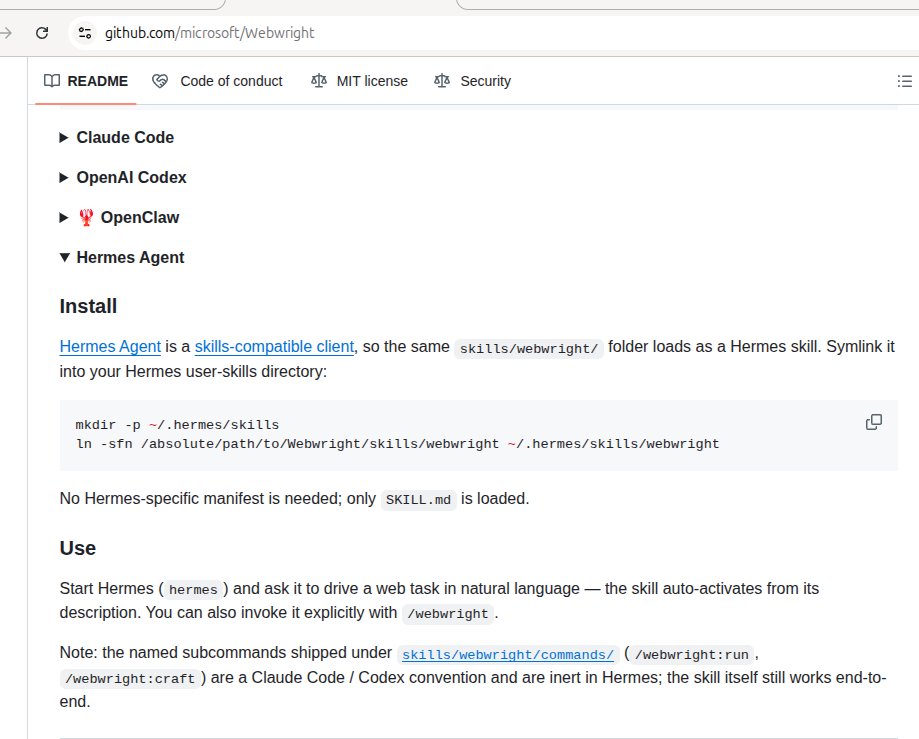
Microsoft dropping a massive Playwright update geared specifically for agents, Webwright!
This is an absolute game changer for agentic browser use as every session becomes a reusable workflow
The repo includes a @NousResearch Hermes Agent skill 😍
https://t.co/mDmKCN9kV9
japon bir geliştirici, claude code'un kimsenin konuşmadığı trick'ini buldu.
"find skills" diye bir skill kurdu. claude code'un içine küçük bir mcp paketi gibi oturuyor. yapacağı işi bir kere yazıyor. claude, anthropic ekosistemindeki yüzlerce skill'i tarıyor, en uygun workflow'u kendi kuruyor.
> video script (notion + claude)
> b-roll seçimi (veo3)
> thumbnail (sora)
> caption + zamanlama (buffer)
> performans takibi (typefully)
hepsi tek prompt'la.
youtube kanalı durmadan içerik basıyor. o sadece outcome yazıyor.
millet hala "ai zaman kazandırıyor" sanıyor.
o ai'ya bütün workflow'unu yedirdi.
bizimkiler hala chatgpt'ye "şunu yaz" diyor.
KAYDET.
Anthropic just paid millions to hire Andrej Karpathy.
He gave you the same knowledge for $0 the same week.
Co-founder of OpenAI. Former head of AI at Tesla. The man who coined vibe coding.
No recruitment fee. No exclusive access. Just a link and 29 minutes.
LLMs are ghosts not animals.
Vibe coding is dead.
Software 3.0 is here.
Watch it.
Then read this.
Because Karpathy tells you what Software 3.0 is.
This shows you how to build one - a software factory with Claude Code that ships features while you sleep.
The full build guide is below.
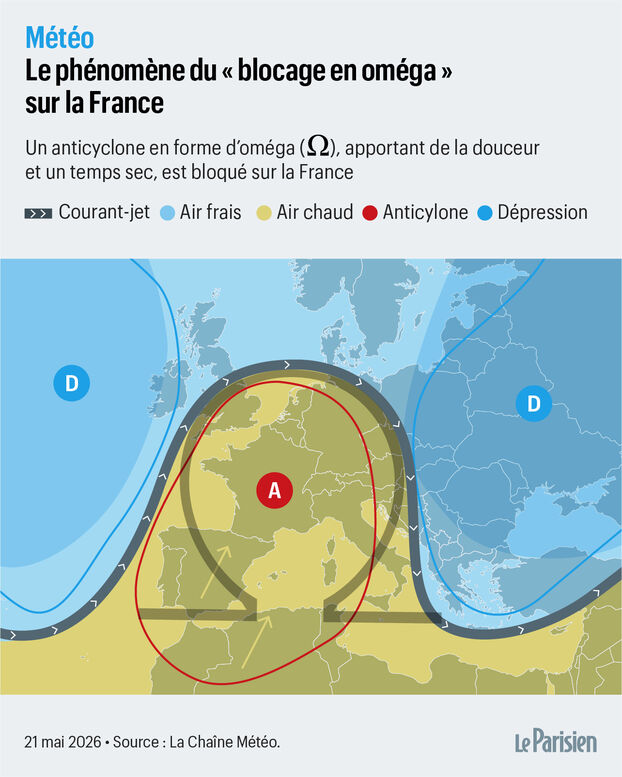
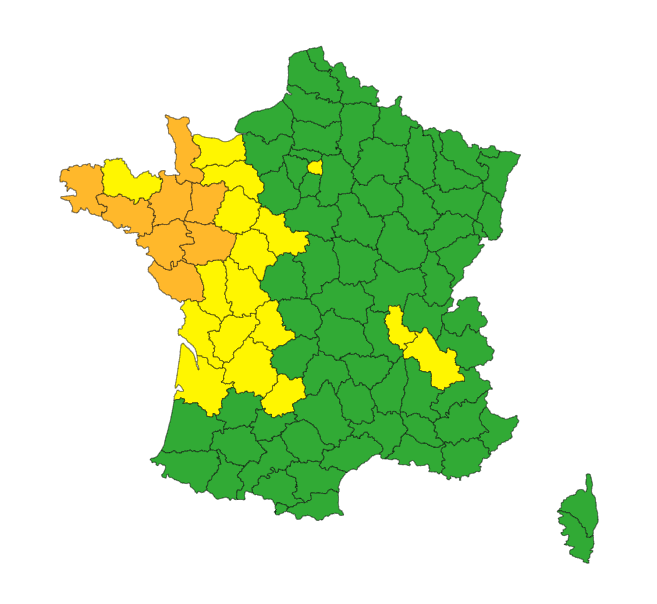
Depuis 5 jours (date du tweet cité), tous les scientifiques du climat sont traités de "menteurs", de "vendus", de "catastrophistes", d'exagérer ou d'employer des termes inadéquates.
Pour la 1ère fois, @meteofrance déclenche une vigilance orange #canicule en mai. On vient de franchir un nouveau cap, mais cette fois-ci avec une anomalie statistique inédite.
Claude Code is about to release a feature called /workflows that I think will be extremely significant.
Especially for Enterprise AI.
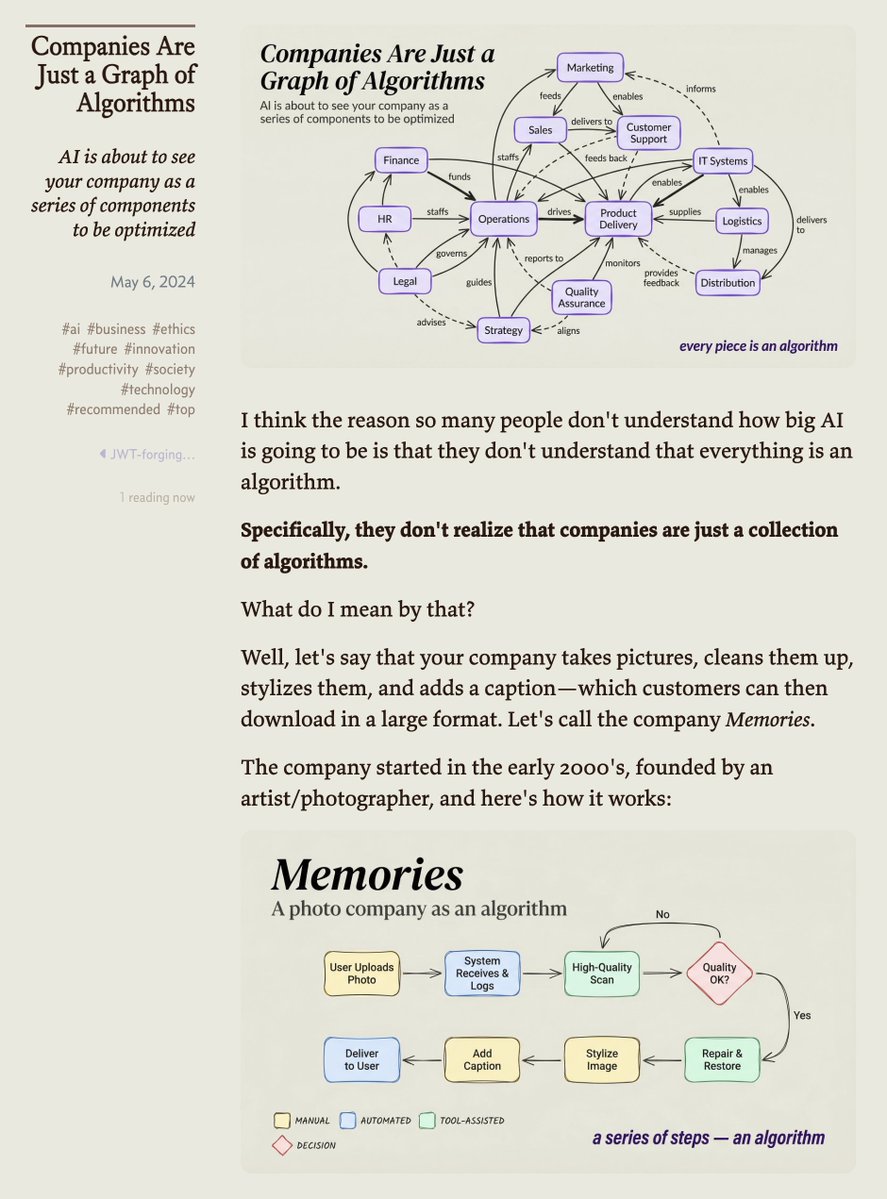
I talked about this in 2024 in a post called Companies Are Just Graphs of Algorithms.
Basically the idea is that all work is just an algorithm, i.e., a series of steps to accomplish a goal.
Skills and Cowork have been heading in this direction already, and we've seen what that's done to company valuations in various spaces.
Well this is closer to the final form.
It's turning the regular, expected work that's done in companies into pseudo-deterministic workflows that follow defined SOPs.
The human role will be determining what problems to solve (taste, expeirence, etc), building new products from that, and then optimizing these workflows from above.
But the work itself will be these workflows executed according to SOPs.
🥵 L'épisode de #chaleur qui débute s'annonce exceptionnel voire historique pour la saison : "J’ai l’impression d’utiliser ces termes à chaque fois... J’essaie de trouver d’autres qualificatifs, mais je n’en ai pas !"
Petit fil ⤵️ @le_Parisien
1/6
https://t.co/ARLUMXLSTS
Je pense que dans 2 ans, cacher des collections Eloquent complètes sera considéré comme un anti-pattern Laravel.
Laravel 13 vient de lancer la guerre contre la sérialisation sauvage 💀
Et énormément d’apps vont casser.
Apprenez tout ça sur https://t.co/1j6q76AaXH
Au vu des dernières supply-chain attaques, il y a une dernière étape que vous pouvez ajouter si vous êtes dans l'écosystème JS, Python ou Rust (en plus de tout ce que j'ai déjà cité dernièrement).
Mettre un firewall devant votre package manager 🔐
Socket Firewall analyse les packages avant installation et peut bloquer automatiquement des comportements suspects ou connus comme malveillants.
Boris Cherny, the creator of Claude Code at Anthropic, just explained why most people aren't getting real results from Claude
in this podcast he breaks down exactly how most people never actually set up Claude:
- the 14% you lose to CLAUDE.md before typing a word
- the features that change how Claude thinks before you type a word
- the settings 95% of users have never opened
- the workflows hiding behind one toggle
if you've been using Claude for more than a month and never left the chat window, you have at least 30 untouched features. probably 38
instead of another show tonight, watch this
make sure to bookmark it before it gets lost in your feed
my breakdown of all 40 features is below
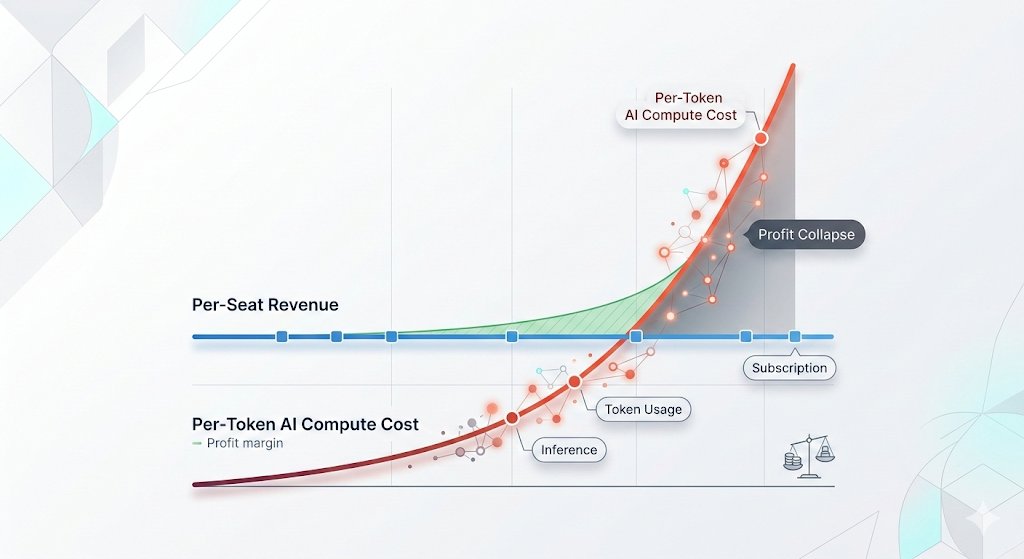
🦔Microsoft canceled its internal Claude Code licenses this week after token-based billing made the cost untenable, even for a company with effectively infinite cloud resources. Uber's CTO sent an internal memo warning the company burned through its entire 2026 AI budget in just four months. American AI software prices have jumped 20% to 37%, and GitHub (owned by Microsoft) is dropping flat-rate plans for usage-based billing across its products.
My Take
The AI subsidy era is ending in real time. The same company that put $13 billion into OpenAI and built the Azure infrastructure powering most of Anthropic's compute just looked at the bill from a competitor's coding tool and decided it was not worth paying. That is not a productivity failure on Anthropic's end. Token-based pricing is forcing every enterprise customer to confront the actual cost of running these models at scale, and the number turns out to be far higher than the flat-rate experiments suggested.
This ties directly to my Gemini Flash post yesterday. Anthropic, OpenAI, and Google all raised effective prices in the last six months. Enterprises that built workflows assuming AI costs would keep falling are now watching annual budgets evaporate in months. Two outcomes look likely from here. Either enterprises scale back AI usage to fit budgets, which slows the revenue ramp the labs need to justify their valuations ahead of IPOs, or the labs cut prices and absorb the losses, which makes the unit economics worse at exactly the wrong moment. Both paths land in the same place, the numbers stop working, and somebody has to take the writedown.
Hedgie🤗