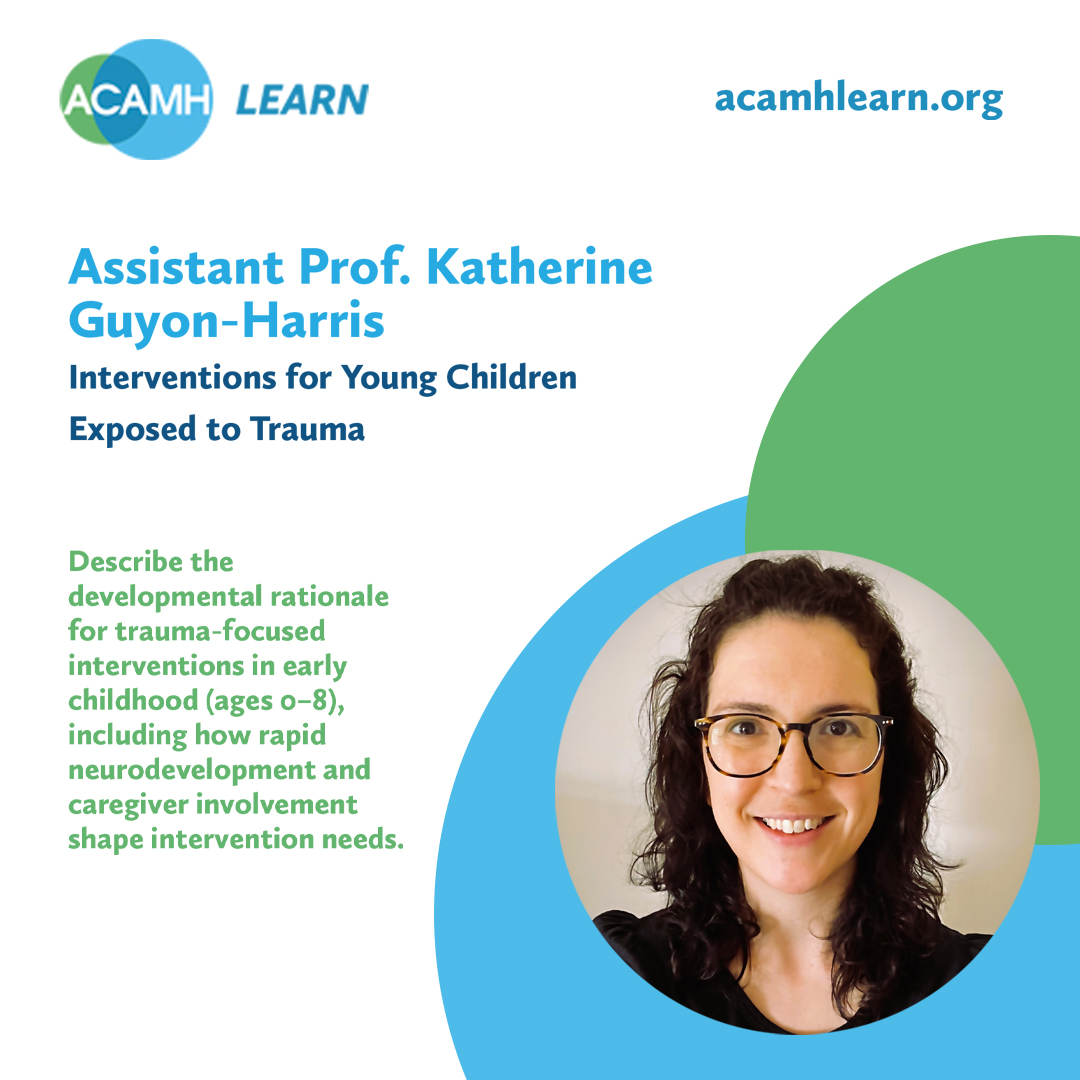
Trauma-focused interventions for young children have advanced, yet important gaps remain. Identify critical gaps in the current evidence base & prioritize future directions for interventions for young children exposed to trauma with Katherine Guyon-Harris. https://t.co/YeekRFmDVK
Yale's most popular course in history has 3.7M students and its core lesson is about why you're exhausted:
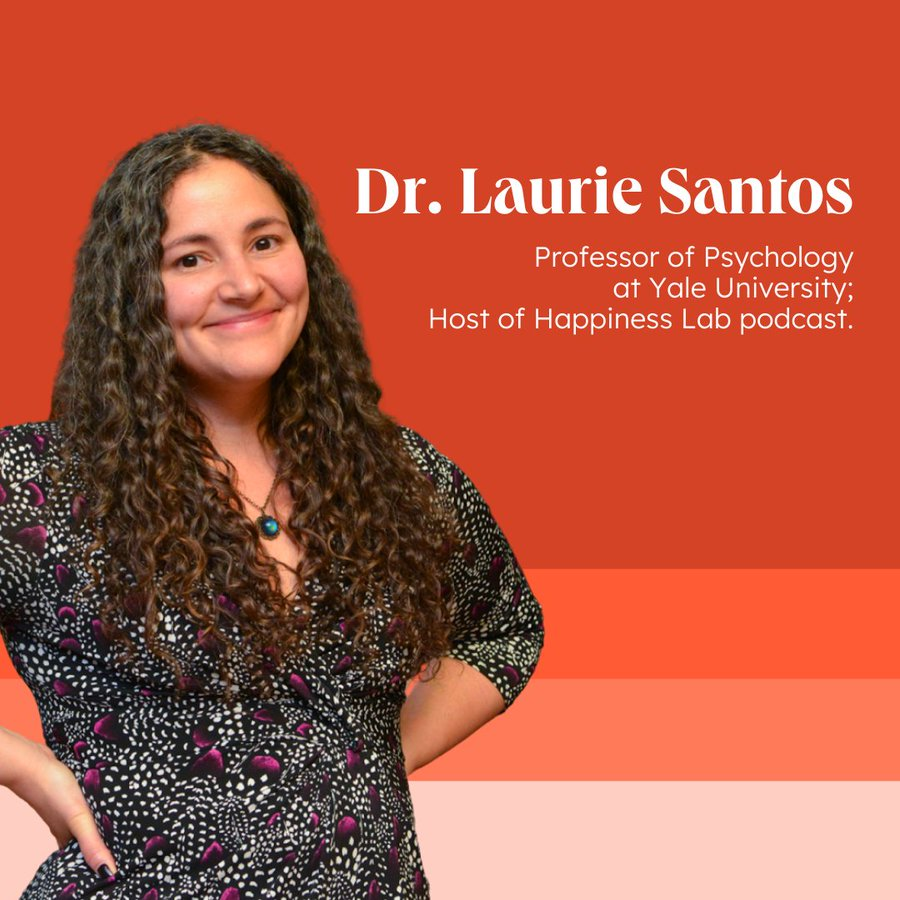
Dr. Laurie Santos, Yale Professor of Psychology and creator of "Psychology and the Good Life," the most enrolled course in Yale's history, says the biggest obstacle to happiness at work isn't stress.
It's that almost nobody understands what burnout actually is ↓
Burnout isn't stress, overwork or just being tired.
It's a clinical syndrome with 3 precise symptoms.
Symptom 1: Emotional Exhaustion
Not physical tiredness.
One more thing on the plate and everything collapses. A full week of rest and they're still depleted on Monday.
Rest doesn't restore them anymore.
Symptom 2: Depersonalization
A permanent short fuse.
Every request quietly irritates. Compassion fatigue sets in for people they used to genuinely care about.
This isn't a personality change.
Symptom 3: Personal Ineffectiveness
The work is getting done but it feels pointless.
Even a perfect performance feels hollow.
Here's where Santos' happiness research gets relevant ↓
Researcher Christina Maslach spent the 1980s–1990s mapping what creates burnout. Santos says her findings feel written about 2025:
• Overwhelming workload
Always-on culture with no room to decompress.
• Values mismatch
People join for one thing, the job becomes another.
• Unfairness
Unequal pay, invisible labor and recognition that never arrives
• Broken reward systems
Intrinsic meaning replaced by metrics
That last one sits at the heart of Santos' happiness research.
When COVID stripped intrinsic meaning from work, wellbeing collapsed for millions. Missions evaporated and jobs became unrecognizable.
A values mismatch and it hits harder than any workload ever could.
Santos offers 3 questions to self-diagnose:
1) Still emotionally depleted after a full weekend off?
2) Embarrassed by how short your fuse has gotten?
3) Feel like even doing your job perfectly wouldn't matter?
If yes, you're not just stressed. You may be burning out.
The fix has two sides ↓
Organizationally: workloads, values alignment, and fairness need to change. No amount of self-care fixes a broken system.
Personally: Santos' research reveals one overlooked pattern. People give their best to work and leave scraps for everything else.
When identity lives inside a job title and the job shifts, there's nothing left to stand on.
Rebuilding outside of work matters:
• Reengage with hobbies and movement
• Invest in relationships outside your career
• Build an identity beyond what you produce
Burnout isn't the opposite of productivity.
It's the opposite of happiness.
And Santos has spent her career proving both can be deliberately rebuilt.
—
Thanks for reading!
Enjoyed this post?
Follow @BigBrainPsych for more content like this.
A new Canadian study showing a steady increase in youth self-harm highlights the need for more mental health support and proactive teaching of coping strategies to deal with emotional anguish, researchers say. https://t.co/PycXjF0261
Arthur C. Brooks on imposter syndrome: if you've never felt like one, that's actually the red flag.
Brooks has spent his career studying striver, or the hard-working, ambitious people who want to take a real bite out of life.
"A common trait among all strivers is that the higher they climb and the more success they have, the more insecure they feel because they are unsure if they have earned or deserve it."
This is imposter syndrome. And according to Brooks, it's completely natural and a sign of something healthy.
Here's the counterintuitive truth: imposter syndrome typically doesn't happen to actual imposters. People who deserve their success through hard work and merit often doubt themselves. Those who don't deserve it are frequently the most sure that they do.
Brooks calls the opposite the "dark triad" narcissism (it's all about me), Machiavellianism (willing to hurt others to get ahead), and psychopathy (hurting others with no remorse).
"If I encounter an extremely successful person who does not feel like an imposter, my 'spider sense' goes on edge."
These individuals make up about 7% of the population. You likely know them. They're the ones who've been disloyal or taken credit for your work.
So why does imposter syndrome happen to the rest of us?
You have full visibility of your own landscape. You know what you're good at but you also see the gaps. The world sees the value you create. You see the ways you can't yet create value. That asymmetry creates the feeling.
"When you focus on what you don't have, you will feel like an imposter."
The reframe: when you're successful, it means people are focusing more on your strengths than your weaknesses. That's not fraud. That's how success works. Your weaknesses aren't hidden flaws that invalidate you. They are opportunities for growth.
"A well-adjusted person with humility might feel like a loser when others see them as a winner, but you should recognise your weaknesses as opportunities for improvement without focusing on them more than your strengths."
Brooks's prescription: lean into imposter syndrome without giving in to it. Don't let it paralyse you. Let it sharpen you.
Sponsored: “The science has helped to drive the message that obesity is a biological disease and not the result of a lack of willpower,” says Dr. Wharton, an internal medicine physician with a focus on obesity.
In this paper, @emma_thornton95 et al. aimed to unpack the relationship between early vocabulary, a common measure of cognitive ability, and age-16 educational attainment in a nationally representative and contemporary British birth cohort. https://t.co/fa3GzkJAON
What does #hypomania look like at home & at school? How does it overlap with typical mood swings & #ADHD?
Host Mark Tebbs talks to @DrHosang about the topic of hypomania, as she draws on her expertise & research in this #MindtheKids episode.
🎧Listen now: https://t.co/tjPL81ssl6
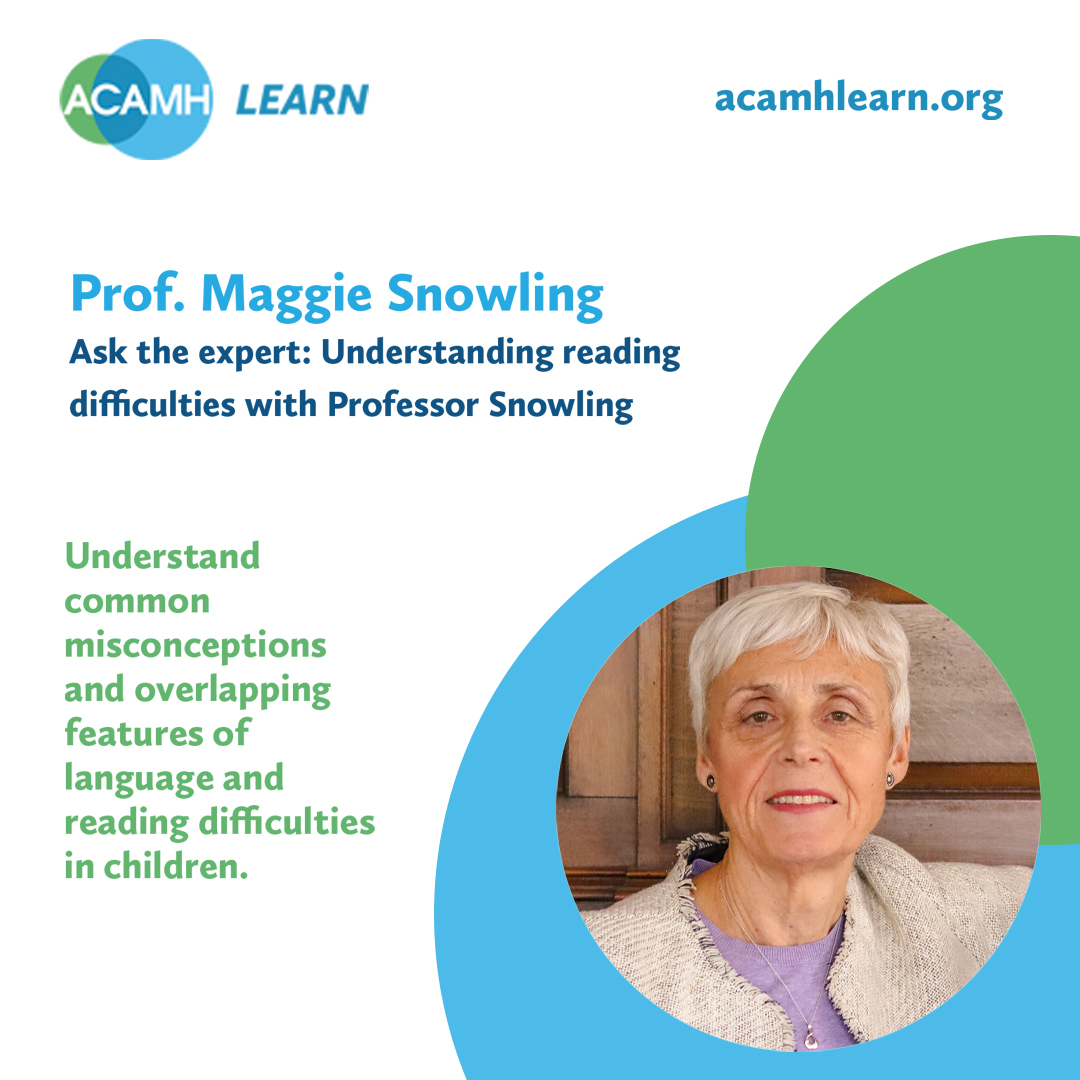
In this interesting @ACAMHLearn talk, Prof. Maggie Snowling (@UniofOxford) addresses common misconceptions about children who experience both #language & #readingdifficulties, emphasizing that these challenges often overlap rather than occur separately. https://t.co/CM8RsBg2gT
Need support?
#AMANI offers #BlackYouth (ages 12-29) free, Africentric care.
Here’s what your program site may offer:
✅ counselling
✅ individual & group therapy
✅ case management & navigation support
Access youth-focused, culturally responsive care: https://t.co/pGi8z1SxrV
NEW: The rate of young men contacting Ontario’s mental health helpline for gambling-related problems has increased by more than 300 per cent after the province allowed private online gambling, a new study suggests. #onpoli
https://t.co/4fcT3T6Msk
#Bullying affects about 1 in 5 Ontario students.
As a parent, knowing what to do can make all the difference for your child.
Learn what signs to watch for and how you can help:
https://t.co/rAJn6y0f0x
#Cyberbullying#MentalHealthIsHealth#PinkShirtDay
Share your schoolyard experiences with us! We are looking for autistic children (ages 5-12) and their families to share their stories using art activities & interviews. Interested? Follow this link for more information: https://t.co/jsZv3u4Hyc
New study suggests child temperament, especially in areas of executive control and focused attention, may mediate effects of family environment on Psychotic-Like Experiences (PLEs). Interventions to improve family dynamics and encouragement of positive temperament traits may help mitigate the risk of PLEs.
Full Article: https://t.co/ixLIxssyya
Positive parenting offers a POSITIVE approach to parenting such as positive communication, positive reinforcement, and setting appropriate boundaries as opposed to yelling, frustration and empty threats. Here are 5 positive parenting skills you can try today. #HelpAheadTO