Trabajador Social, Criminólogo y graduado en CAFD. Máster en Investigación y Entrenamiento Físico para la Salud en la U.Mucia.
Actualmente maestro de E.F en USA
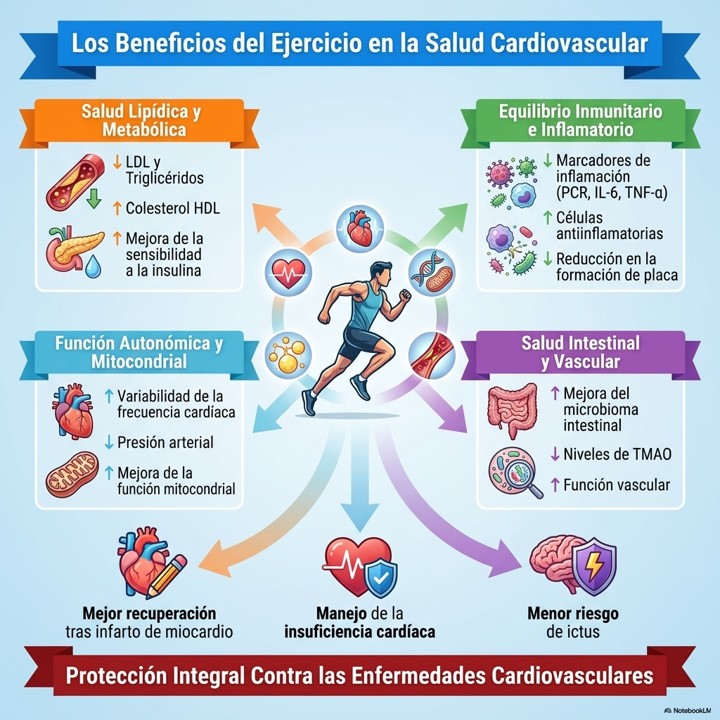
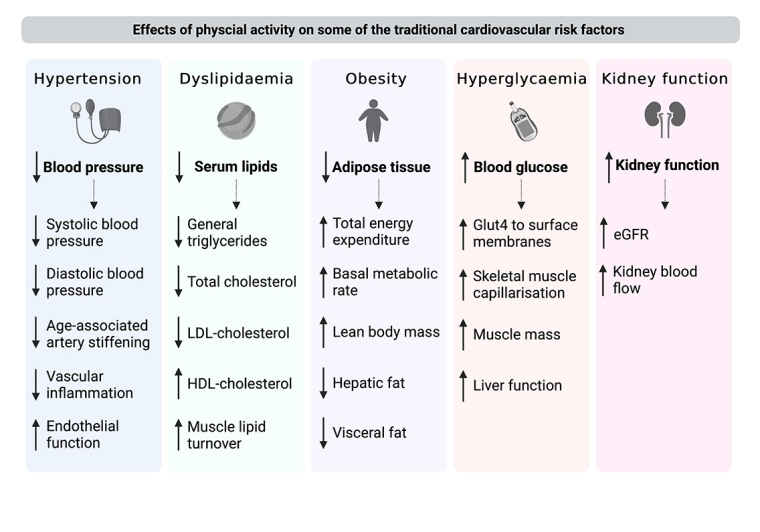
EJERCICIO: LA MEJOR MEDICINA CARDIOVASCULAR ¿Puede el ejercicio proteger el corazón mucho más allá del colesterol y la presión arterial? ¿Cómo influye sobre inflamación, microbiota, mitocondrias y sistema nervioso? Este artículo resumen por qué la actividad física actúa como una auténtica medicina cardiovascular multisistémica. Leer más en https://t.co/LuyspfVhYi. (lee el artículo completo en BLOG JL Chicharro en https://t.co/ghlyA0rsYU) https://t.co/EouyAbf1Ta
❌ Mito o realidad
“La fuerza es peligrosa en personas mayores o con enfermedades crónicas”🤔
✅ Realidad: como ocurre con los fármacos, el problema no es la herramienta, sino la dosis 👉 puede mejorar función, autonomía y calidad de vida💪🧓🩺
https://t.co/8KA8YasoLY
❌Mito: “Las capacidades físicas se pierden de golpe al envejecer”
✅Realidad: el pico suele estar entre 26–36 años y el descenso puede verse antes de los 40
Solución práctica:
🏋️2–3 días/sem fuerza
🚶Camina a buen ritmo
🪜Sube escaleras
🪑Levántate más
https://t.co/DM4bZ5eznw
¿Puede el estilo de vida ayudar a frenar la neurodegeneración?
🧠✨ Una nueva revisión sugiere que el ejercicio y la alimentación podrían ayudar a proteger el cerebro frente a la neurodegeneración 🥗🏃♀️
https://t.co/qjtpOhORHJ
Cómo educadores físicos debemos hacer entender que el sedentarismo no es una opción, siendo esta una de nuestras tareas más loables y útiles socialmente.
Role of Inactivity in Chronic Diseases: Evolutionary Insight and Pathophysiological Mechanisms
Physical inactivity is an actual contributing cause to at least 35 unhealthy chronic conditions including sarcopenia 👇
https://t.co/Yp8fJro210
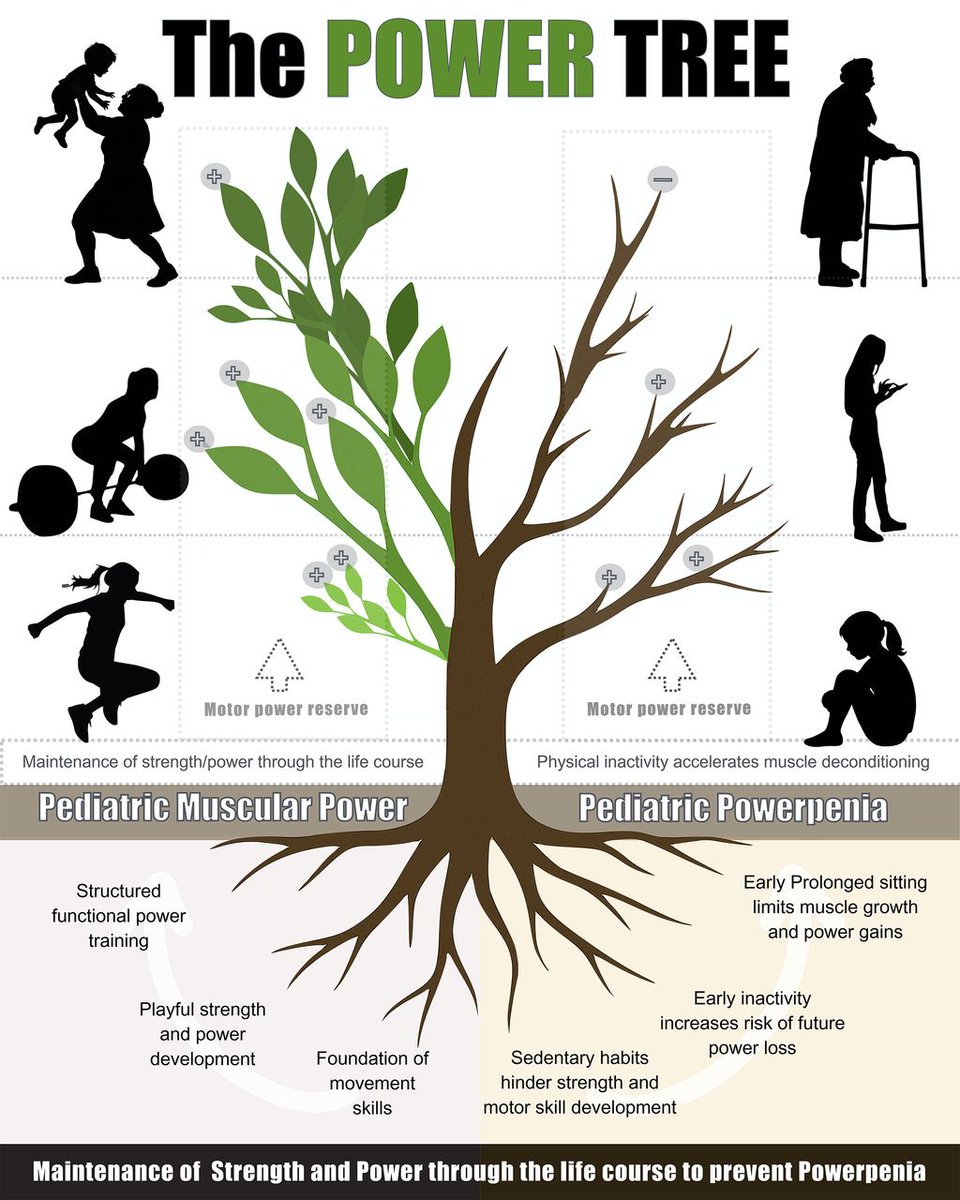
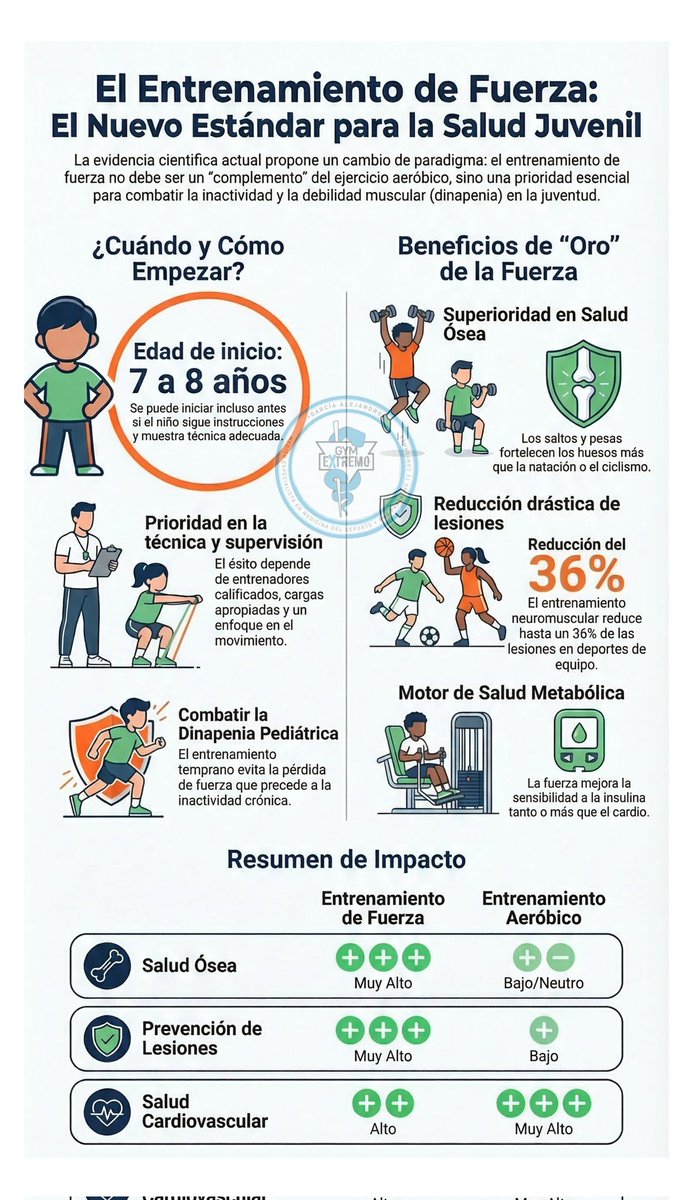
💪🌱 La potencia muscular también se cultiva desde la infancia. Prevenir la “powerpenia pediátrica” con juego activo, saltos, carreras y fuerza adaptada ayuda a crear una reserva física que puede proteger la función muscular durante toda la vida 🧒🏃♀️🏃♂️👟
https://t.co/zpQQkMGrrH
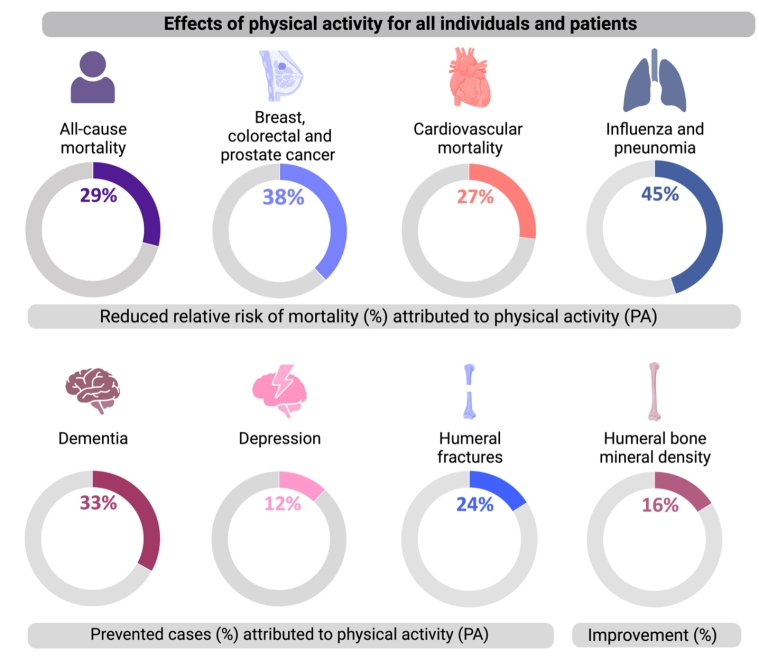
Si esto no os sirve para entender que ejercicio físico=medicina, yo ya no sé.
"La actividad física reduce la mortalidad por todas las causas en pacientes con cáncer: metaanálisis de ensayos controlados aleatorizados".
https://t.co/Zp3Wa72vRz
Cancer Treat Rev. 2026 Apr;145:103122.
No es necesario comer poco para PERDER GRASA ni es una práctica ideal pesarte todos los dias. Resultados de nuestra investigación 👇https://t.co/CRjAkyhWkk
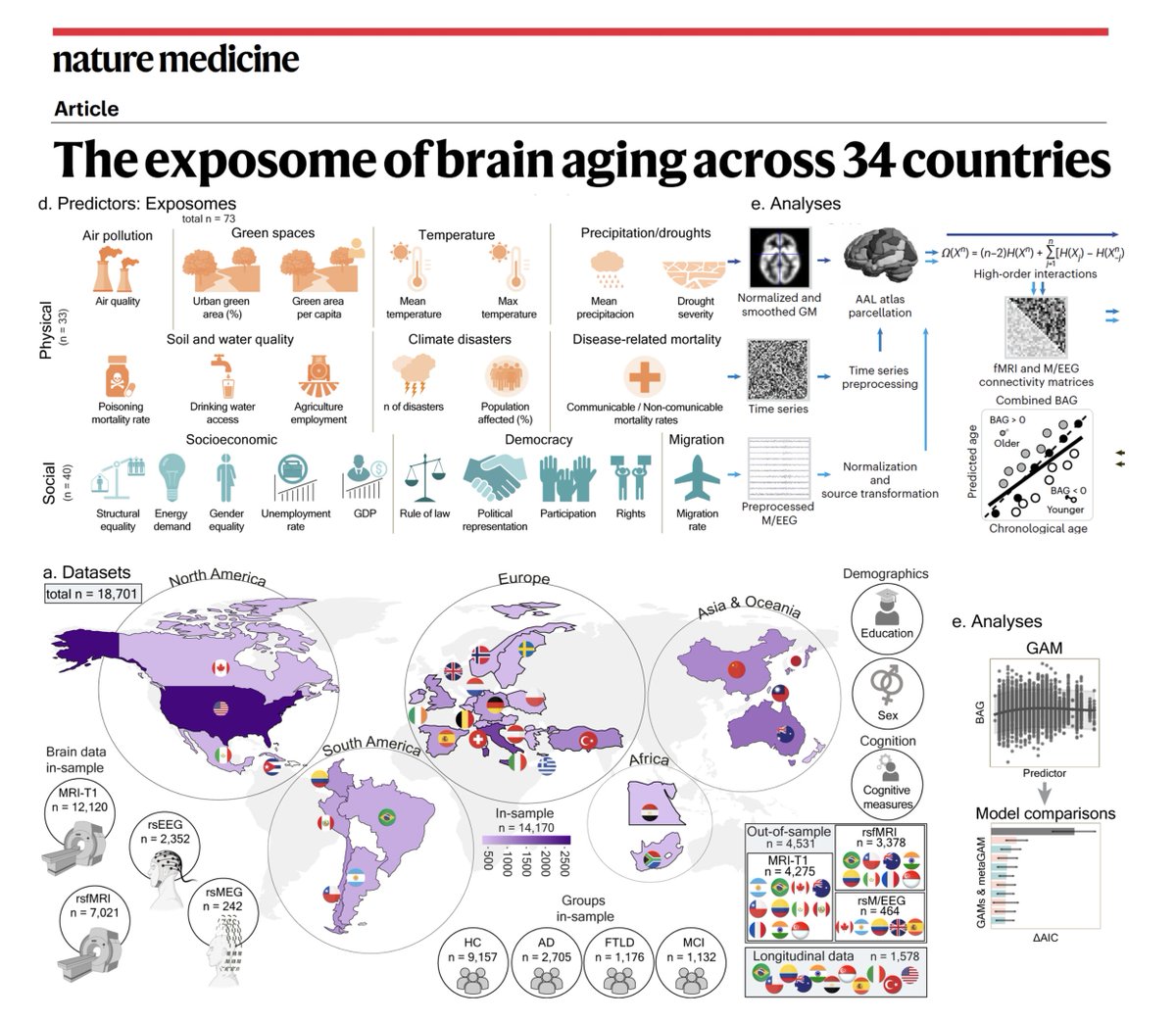
🧠🌍 #Envejecer no depende solo de los genes. Un estudio en 34 países sugiere que el #exposoma (factores ambientales y sociales) también se asocia con un cerebro “más envejecido”. Aire, calor, desigualdad y falta de zonas verdes dejan huella 🌡️🏙️
https://t.co/Xsrv6faAH6
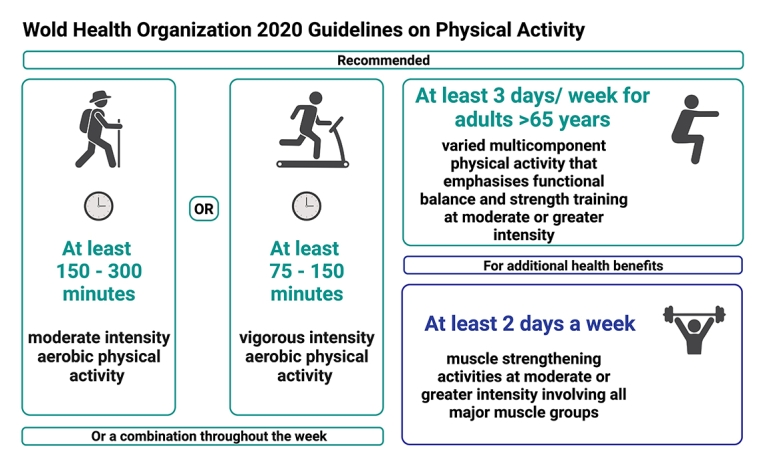
La actividad física debe considerarse un “tratamiento” central para la prevención y el manejo de la enfermedad cardiovascular, seguro para la mayoría de pacientes tras una adecuada estratificación de riesgo. @escardio@preventiva_SEC@secardiologia 🫀🏃♂️ https://t.co/tHnh4te9Gg
Tremendous (free) breakdown of muscle hypertrophy by @mackinprof@JeffNippard et al.
Some of my personal takeaways.
1. Mechanical tension is the primary driver, not metabolic stress, hormones, or muscle damage.
2. Immediate post-exercise increases in testosterone, growth hormone, or IGF-1 play little role in muscle growth in men or women.
3. Metabolic stress and cell swelling ('the pump') do have much causal evidence; meaning if they do lead to muscle growth, it's indirectly or minimally impactful.
4. Sarcoplasmic hypertrophy is possible; though more evidence is needed. Myofibrillar protein accretion is the most dominant adaptation.
5. Realistic hypertrophy expectations: ~1-2kg of fat-free mass per 8-12 weeks of training, which will plateau/slow down as experience increases.
6. Increase in FFMI is largest the first 3-4 yrs, but slows down after that. 5-year average is ~8 kg (men) and 5.5 kg (women).
https://t.co/n9kq5Ly1L6
Lifting heavy weights is safe & effective for 70+ year olds (including up to 83 year olds!).
Recent paper led by Casper Soendenbroe, @AbigailMackey1, Michael Kjaer, and others found:
16k week of doing leg press, leg extension, and leg curls 3x per week led to major increases in leg size and strength [MVC (19 ± 14%), RFD (58 ± 80%), qCSA (3 ± 4%), and type II fCSA (14 ± 25%)].
Interestingly, they reported a whopping 82% were classified as "Robust" or "Excellent" responders.
Only 5% were "Poor" responders.
Program progressed from 3x12 at 15RM, to 4x10 at 12RM, to 5x8-10 at 10RM, 4x6-8 at 8RM, 4x4 at 6-8RM.
Point being: Basic rules of exercise progression worked just fine for these 70+ yr old men, no reason to think principles should differ based exclusively on this age range.
https://t.co/a6BIM8tVW8
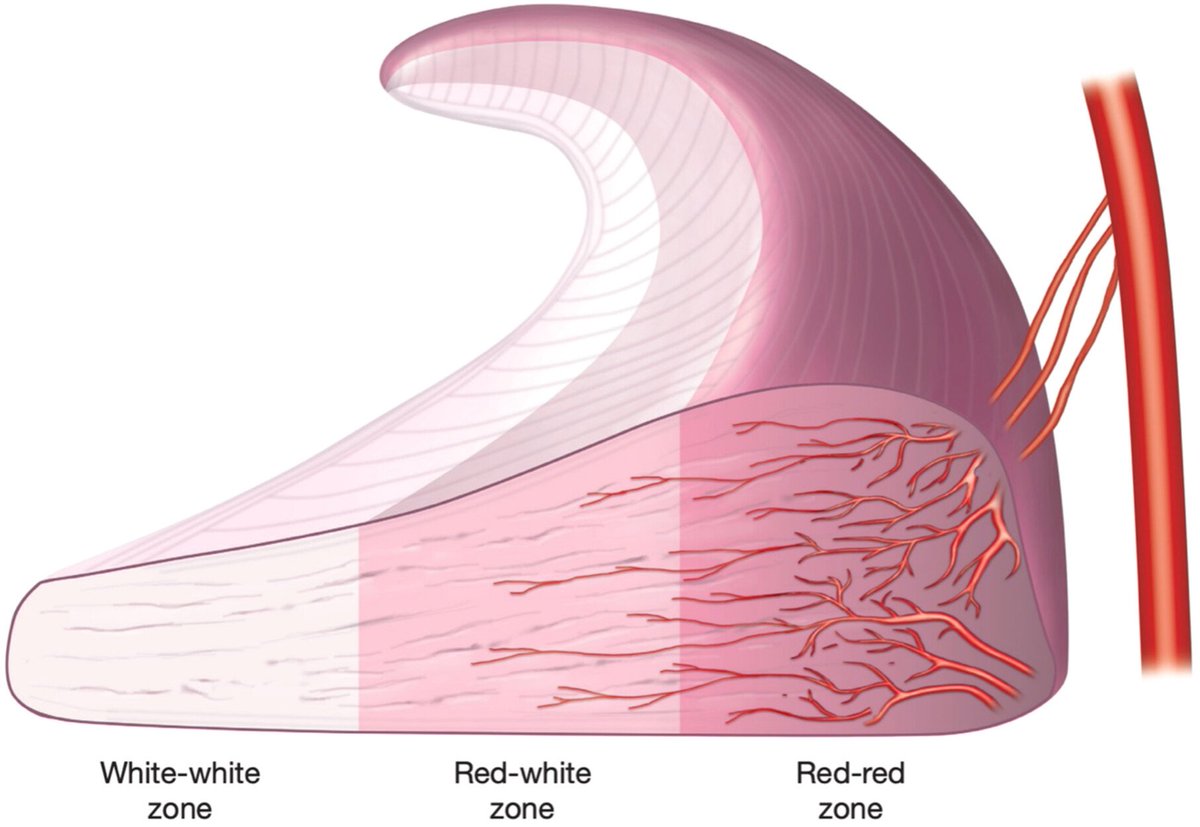
Demystifying hold times for ISOMs in tendinopathy. Be guided by the outcome your are targeting.
For more details check out my longer posts here:
https://t.co/43CZoVdZD8
And here:
https://t.co/gJWXckD0pd
Or check out my online or face to face courses: https://t.co/TruF1z24z5
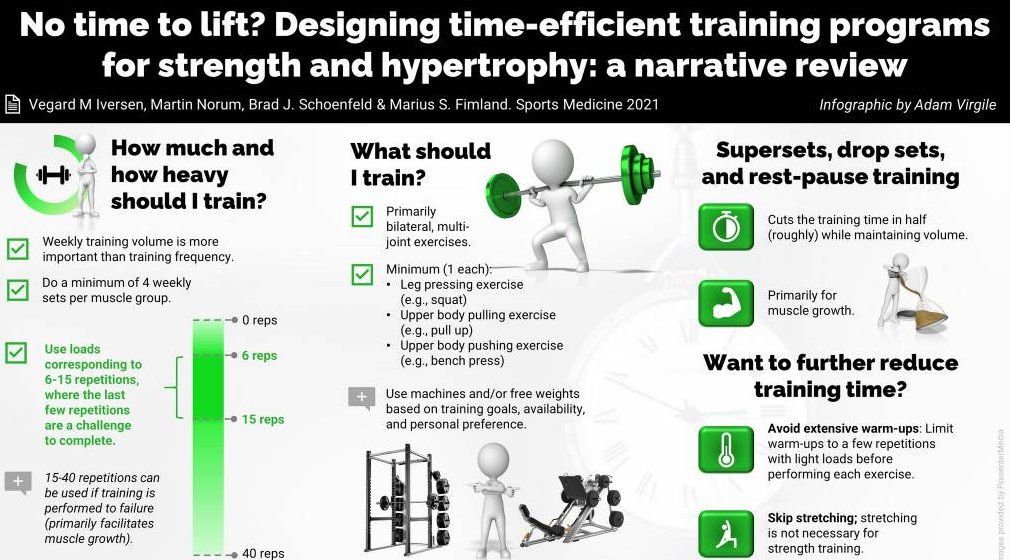
Lack of time is the most common reason people give for not sticking with a resistance training program. Here are some strategies for making a workout more time efficient and still achieving impressive results, as detailed in our paper on the topic💪🏽
https://t.co/HjyojlWb33
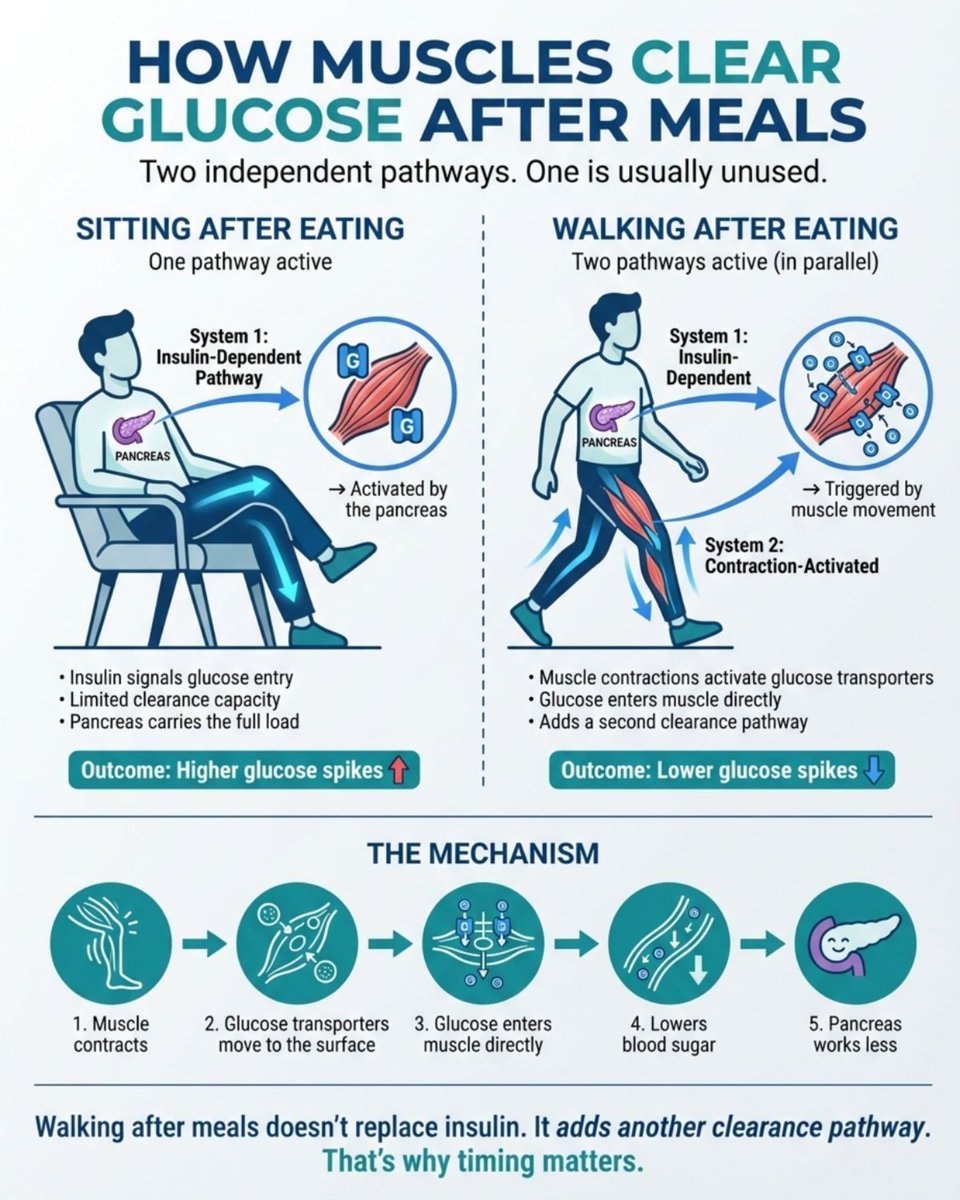
Your muscles clear glucose in two different ways after a meal.
Most people only use one.
When you sit after eating, glucose disposal depends almost entirely on insulin signaling from the pancreas. That pathway works, but it has limited capacity, which is why post-meal glucose spikes are higher and longer.
When you move after eating, even lightly, a second pathway turns on in parallel.
Muscle contraction independently activates glucose transporters (GLUT4), allowing glucose to enter muscle without waiting for insulin. The result is faster clearance, lower peaks, and less strain on the pancreas.
What’s happening under the hood:
• Muscle contraction triggers GLUT4 translocation
• Glucose enters muscle directly
• Blood glucose falls more quickly
• Insulin demand is reduced, not replaced
This isn’t about burning calories or “earning” food. It’s about using the physiology you already have. Walking after meals doesn’t override insulin. It adds another clearance pathway.
That’s why timing matters.
One of the biggest misconceptions about resistance training:
That its benefits come from muscle growth alone.
In reality, many of the most important adaptations happen even before muscles visibly change.
Within weeks of starting resistance training:
- The motor cortex becomes more excitable
- Inhibitory neural pathways are dialled down
- Motor neurons are recruited earlier and fire more consistently
- Neural (or synaptic) “noise” decreases, improving force control
Only later do these neural adaptations occur alongside measurable muscle growth.
This is why beginners get stronger fast.
And why resistance training works even when muscle growth is modest.
In practical terms, these neural changes mean resistance training improves:
- Strength: through increased neural drive and motor unit recruitment
- Power: by increasing how fast force can be produced
- Control: by reducing variability in motor output
- Endurance: via improved metabolic and neuromuscular efficiency
These are all system-level adaptations, not aesthetic ones.
And as for the healthspan implications?
As we age, it’s not just muscle mass that declines.
It’s neural drive, coordination, and speed.
In fact, aspects of muscle function (like strength or power) decline between 2-8 times faster than muscle size.
Consistent resistance training helps preserve:
- Brain plasticity
- Spinal motor output
- Rapid force production
- Neuromuscular junction integrity
All of which are strongly linked to mobility, falls risk, and independence.
That’s why resistance training is maintenance for the entire movement system, not just the muscles at the end of it.
LO QUE NADIE TE CUENTA
Este niño tiene un sarcoma osteogénico. Un tumor que te come el hueso. Hace 40 años: amputación directa. Hoy: le quitamos el trozo y ponemos hueso de cadáver.
¿Eso es nuevo? NO. Lleva haciéndose desde que yo no había nacido.
¿Entonces qué cambia? Que ahora antes de abrir hacemos un ensayo general con un muñeco de plástico. Útil, sí. Revolucionario, para nada.
LA NOTICIA REAL (que no vende)
Para salvar esa pierna necesitas:
3 cirujanos especializados
1 anestesista pediátrico
al menos 2 enfermeras
1 circulante
Quirófano
CERO prisa
CERO mirada al beneficio
¿Qué hospital privado puede permitirse esto?
NINGUNO. Porque no es rentable dedicar medio equipo toda una mañana a un crío.
EL PROBLEMA
Nos venden "tecnología futurista" cuando lo revolucionario es otra cosa: que tengamos un sistema que puede gastarse recursos infinitos en salvar la rodilla de un niño sin preguntar cuánto cuesta.
Eso NO lo hace una impresora.
RESUMEN: Gran cirugía. Equipazo. Resultado perfecto.
Pero dejad de vendernos la impresora 3D como si fuera el protagonista. El protagonista es un sistema público que puede hacer Tetris con huesos reales durante 8 horas sin mirar el reloj.
Viva la sanidad pública. Que es la única lo suficientemente loca para invertir todo eso en salvar UNA pierna.
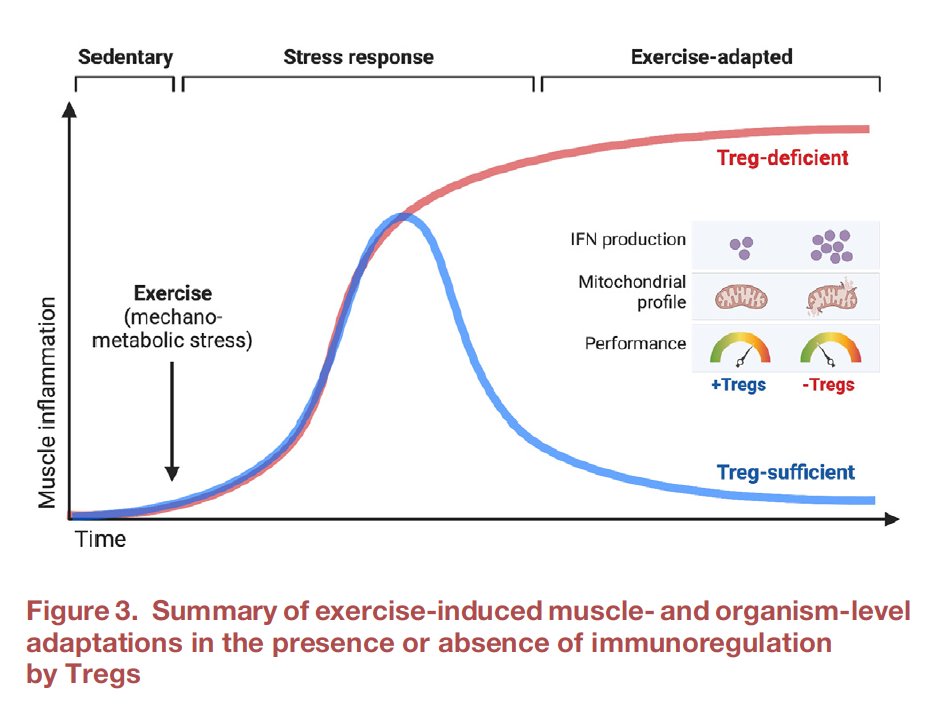
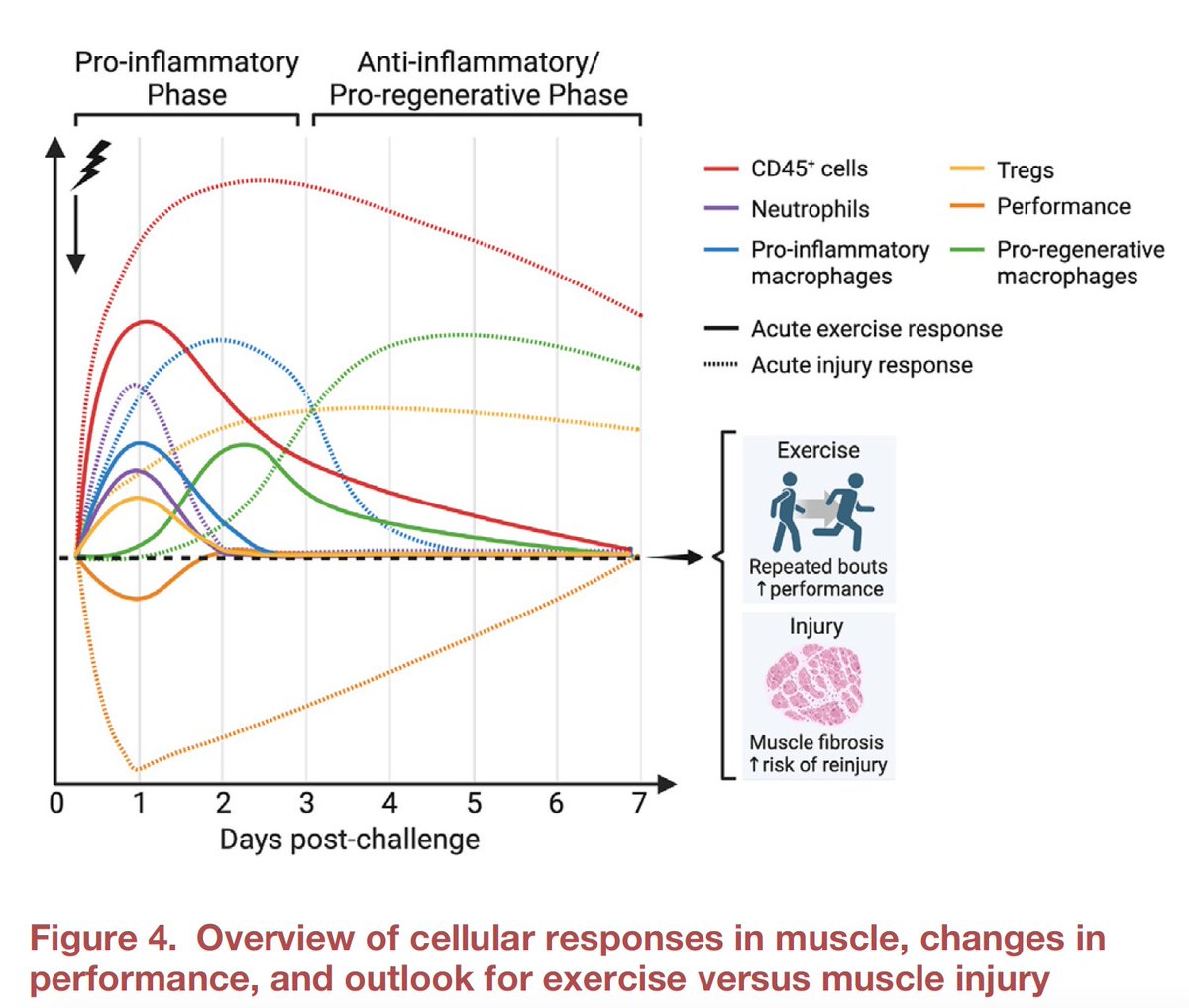
Exercise Isn’t Just Muscle Work, It’s Immune Training
1. Inflammation after exercise is not “bad.”
- It’s a regulated stress response that helps drive muscle adaptation.
2. Your immune cells move into muscle after workouts.
- After endurance exercise, muscles can accumulate immune cells like macrophages and Tregs (regulatory T cells).
- Peak inflammation in the muscle can show up around ~24 hours after a single bout.
3. Tregs act like the “brakes” that protect adaptation.
- Without enough Tregs, inflammation overshoots (more neutrophils + inflammatory macrophages).
- That can impair mitochondrial quality and reduce endurance gains.
4. Not all inflammation signals are equal.
- IFN-γ (type 1 inflammation) can hurt training benefits if unchecked.
IL-13 (type 2 inflammation) appears to support metabolic conditioning for endurance.
5. Why this matters beyond fitness.
- The same immune control system may help explain exercise benefits in muscle diseases (like dystrophinopathies) and aging-related muscle decline, where inflammation can rise over time.
Train your immune system the right way, and your muscles level up with it.












![DrAndyGalpin's tweet photo. Lifting heavy weights is safe & effective for 70+ year olds (including up to 83 year olds!).
Recent paper led by Casper Soendenbroe, @AbigailMackey1, Michael Kjaer, and others found:
16k week of doing leg press, leg extension, and leg curls 3x per week led to major increases in leg size and strength [MVC (19 ± 14%), RFD (58 ± 80%), qCSA (3 ± 4%), and type II fCSA (14 ± 25%)].
Interestingly, they reported a whopping 82% were classified as "Robust" or "Excellent" responders.
Only 5% were "Poor" responders.
Program progressed from 3x12 at 15RM, to 4x10 at 12RM, to 5x8-10 at 10RM, 4x6-8 at 8RM, 4x4 at 6-8RM.
Point being: Basic rules of exercise progression worked just fine for these 70+ yr old men, no reason to think principles should differ based exclusively on this age range.
https://t.co/a6BIM8tVW8](https://pbs.twimg.com/media/HAmUOHFaYAALJ_v.png)