Researchers from Oxford, Imperial, and OIST have used quantum memory to bypass standard spectroscopy limits, boosting light frequency measurement precision by up to 34 times.
Read the full article via link in bio or visit https://t.co/WZSuiQqnuP
Discover the mystery of Fast Radio Bursts with Professor Duncan Lorimer at the 31st Hintze Lecture on June 16th, 5pm BST. In person or online. No registration required!
More information: Link in bio or https://t.co/0Gc4prNNnC
New research from Cardiff University suggests the largest black holes form through repeated collisions in dense star clusters, rather than directly from individual collapsing stars.
Read the article in full via link in bio or https://t.co/A6QGcqZ02z
Oxford researchers have achieved the first quadsqueezing quantum interaction using a single trapped ion. This new method enables more efficient quantum simulation, sensing, and computing. Read the article in full via link in bio or https://t.co/Gw8SESXB0u
Same galaxy, different perspective.
Seen here are two views of our Milky Way galaxy: One above Earth aboard the @Space_Station and one traveling back home during Artemis II.
New research in Nature Astronomy confirms that black hole jets carry 10% of infalling energy, providing a vital anchor for modeling galaxy evolution and cosmic feedback.
Read the full article via link in bio or visit https://t.co/VUhKY0x8BT
One week has passed since Artemis II returned to Earth after a historic mission around the Moon. We laughed, we cried, and we pushed the boundaries of what’s possible, setting the stage for future innovation and exploration.
We’re just getting started.
100 years of quantum mechanics. And Oxford is still at the cutting edge. 🔬 On #WorldQuantumDay, find out how our research, our people, and our spinouts are turning quantum science into real-world technology.
🔗 https://t.co/AMK5FqVreo
@WorldQuantumDay
Professor Matias Zaldarriaga delivers the Halley Lecture (26 May, 5pm) on gravitational wave puzzles and unexpected black hole discoveries. Join us in person or online. Read more, including abstract and other links here: https://t.co/YwGxLNqTBh
Welcome home Reid, Victor, Christina, and Jeremy! 🫶
The Artemis II astronauts have splashed down at 8:07pm ET (0007 UTC April 11), bringing their historic 10-day mission around the Moon to an end.
Astonishing views at the moment of Earth getting closer from Artemis 2. An uplifting mission to the Moon during a difficult time on Earth - as was Apollo 8. https://t.co/vVNXyenwHG
They're halfway home.
The Artemis II astronauts have hit the "halfway" mark between the Moon and the Earth. They will splash down in the Pacific Ocean around 8:07 pm ET on Friday, April 10 (0007 UTC on Saturday, April 11), off the coast of San Diego.
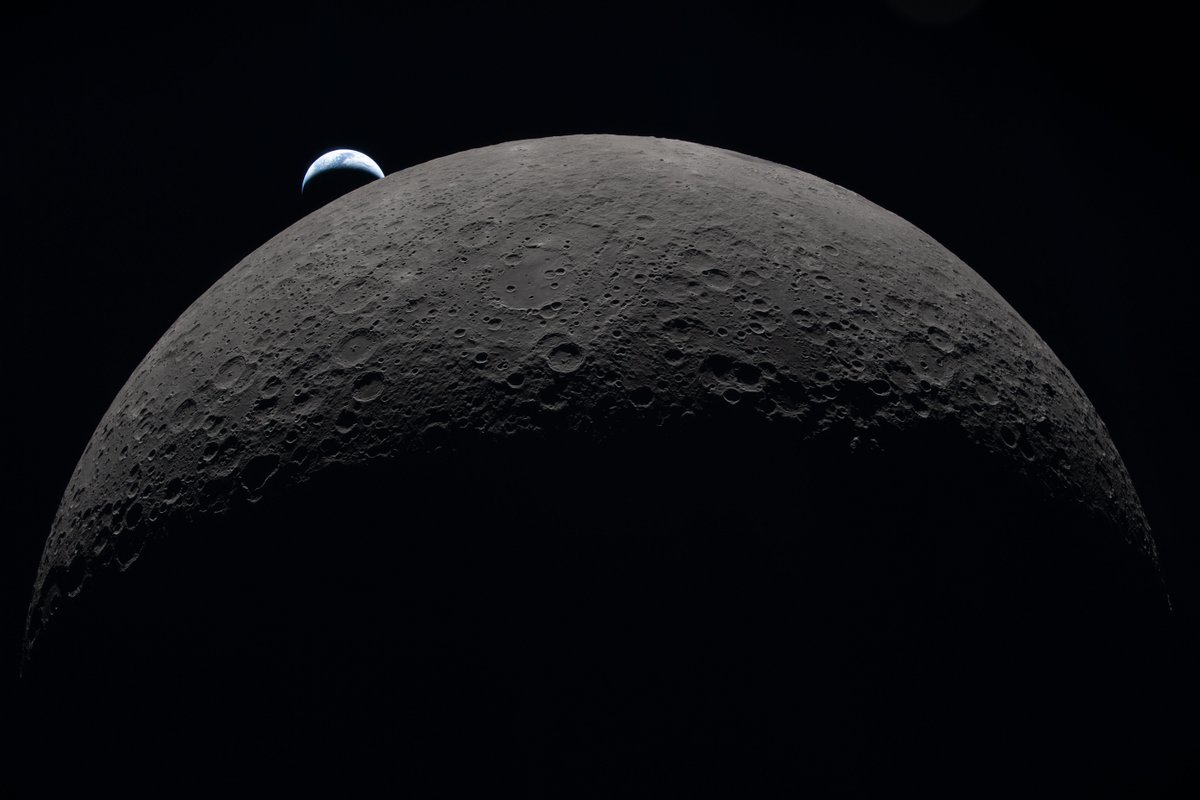
Hello, Moon. It’s great to be back.
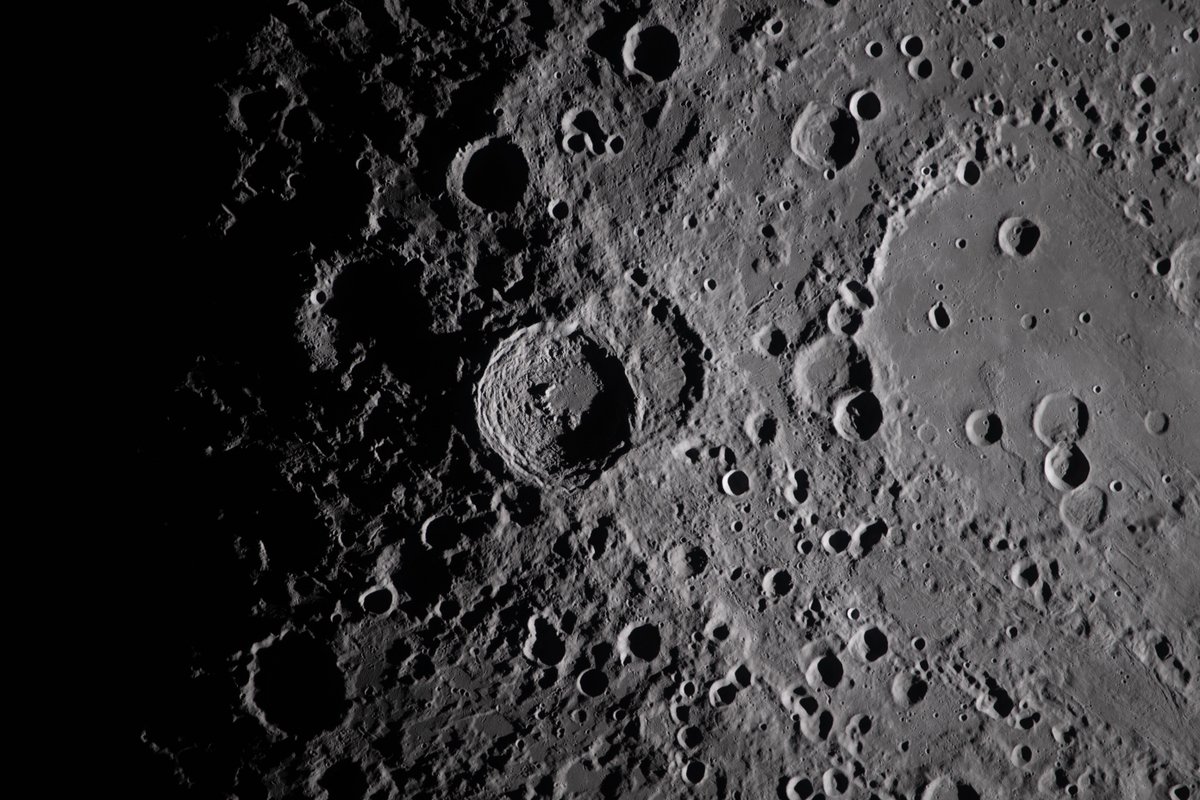
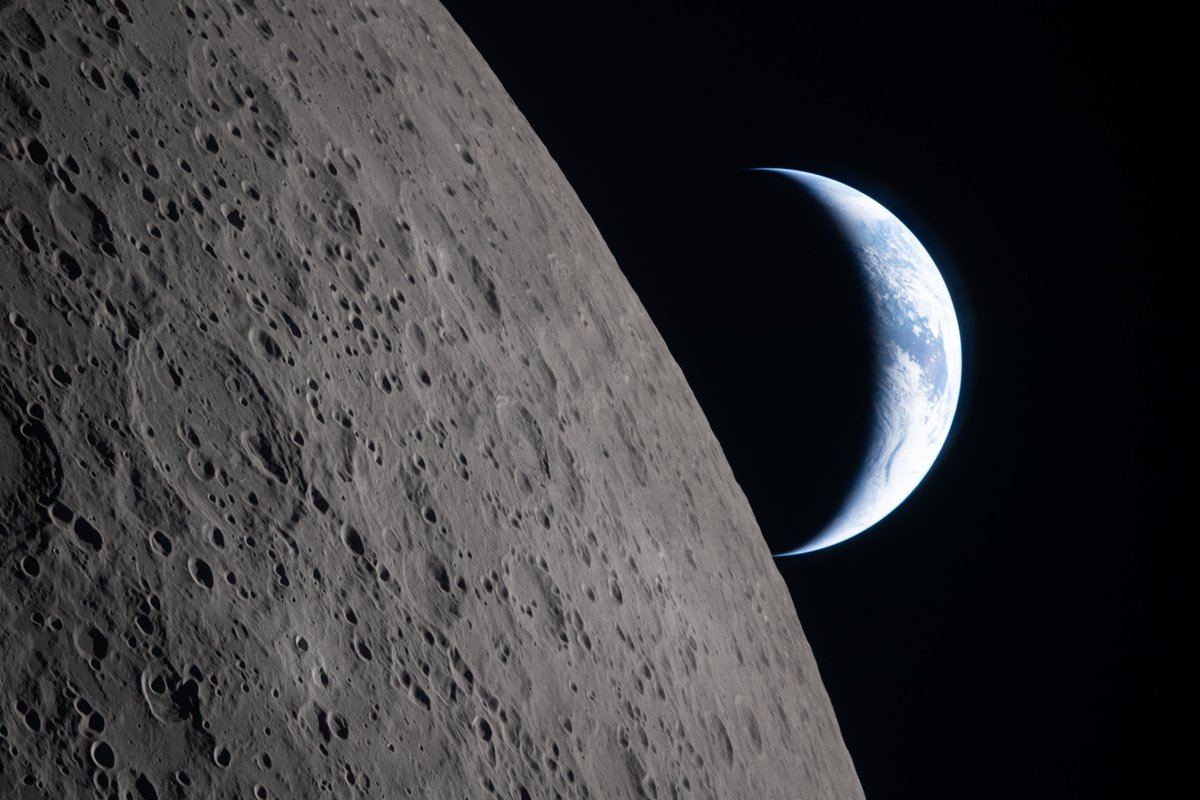
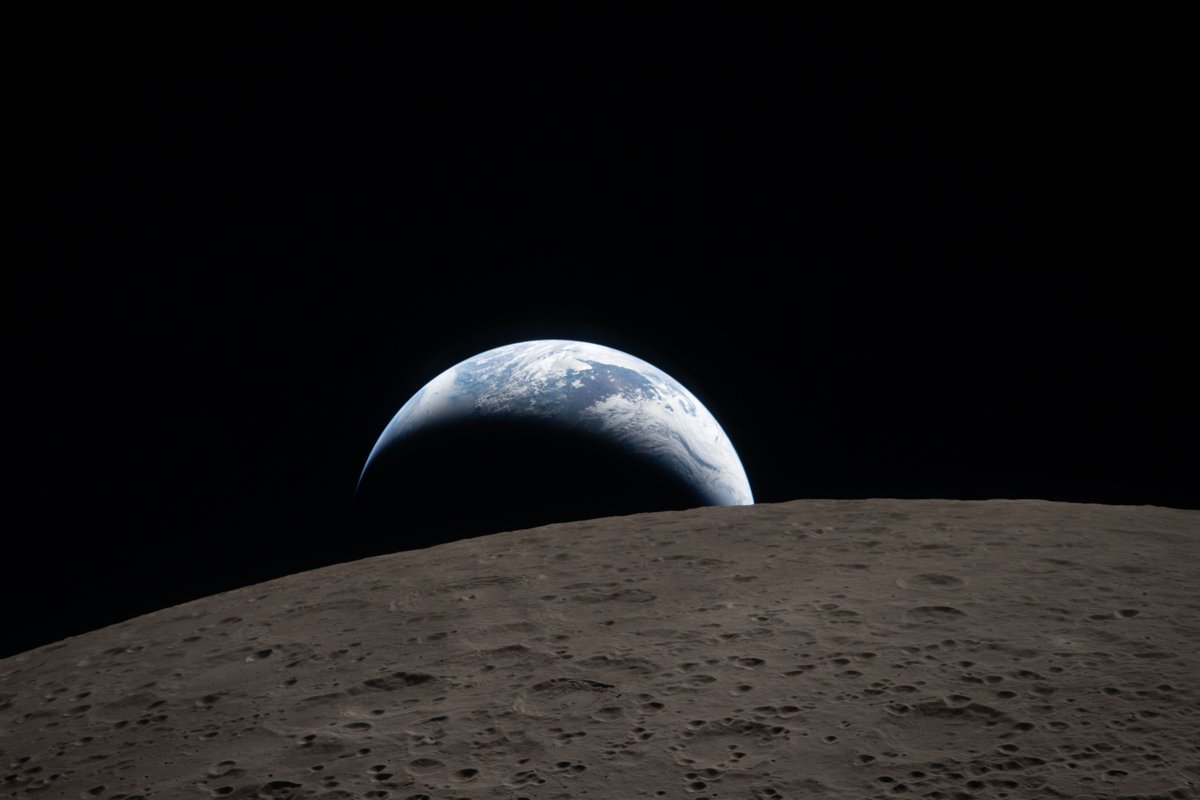
Here’s a taste of what the Artemis II astronauts photographed during their flight around the Moon. Check out more photos from the mission: https://t.co/rzM1P0QbOl
On the shoulders of giants... 🧑🏼🚀
The Artemis II crew aboard Integrity have officially traveled farther into space than any humans before, passing the record set during Apollo. Our live coverage continues:
https://t.co/do2p0Gvxdu
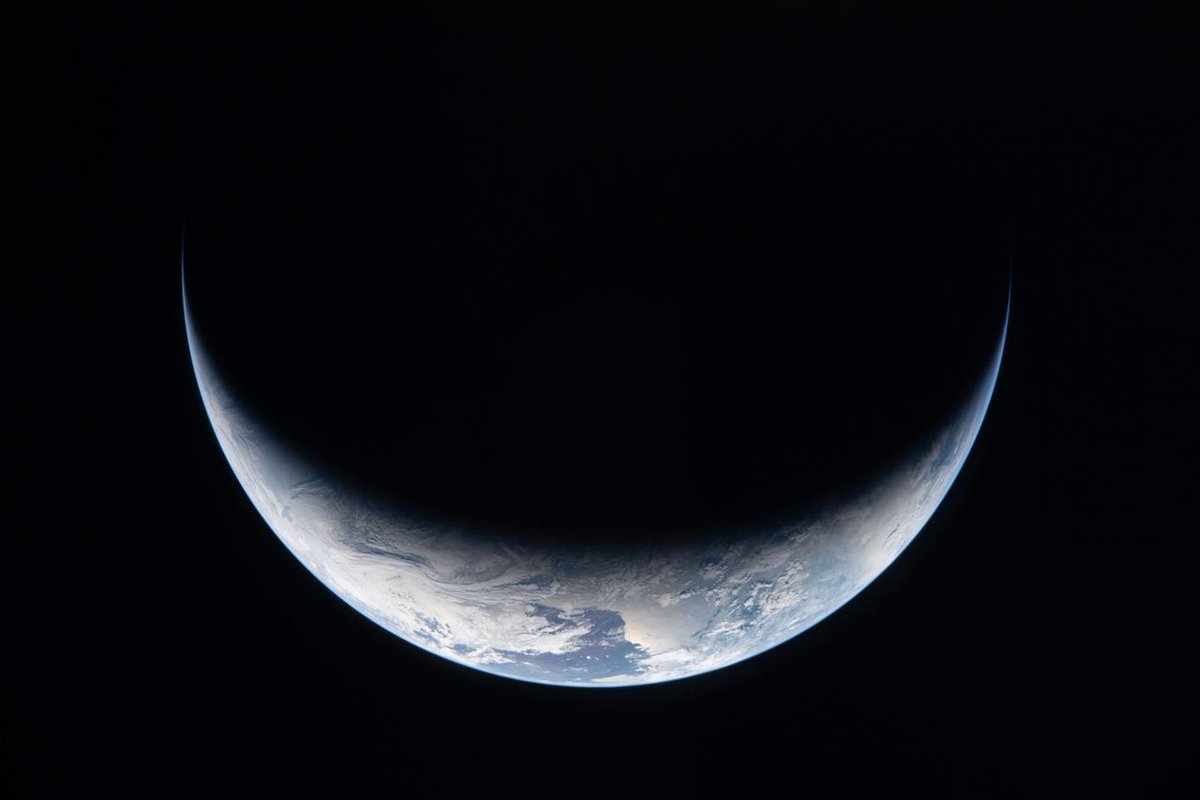
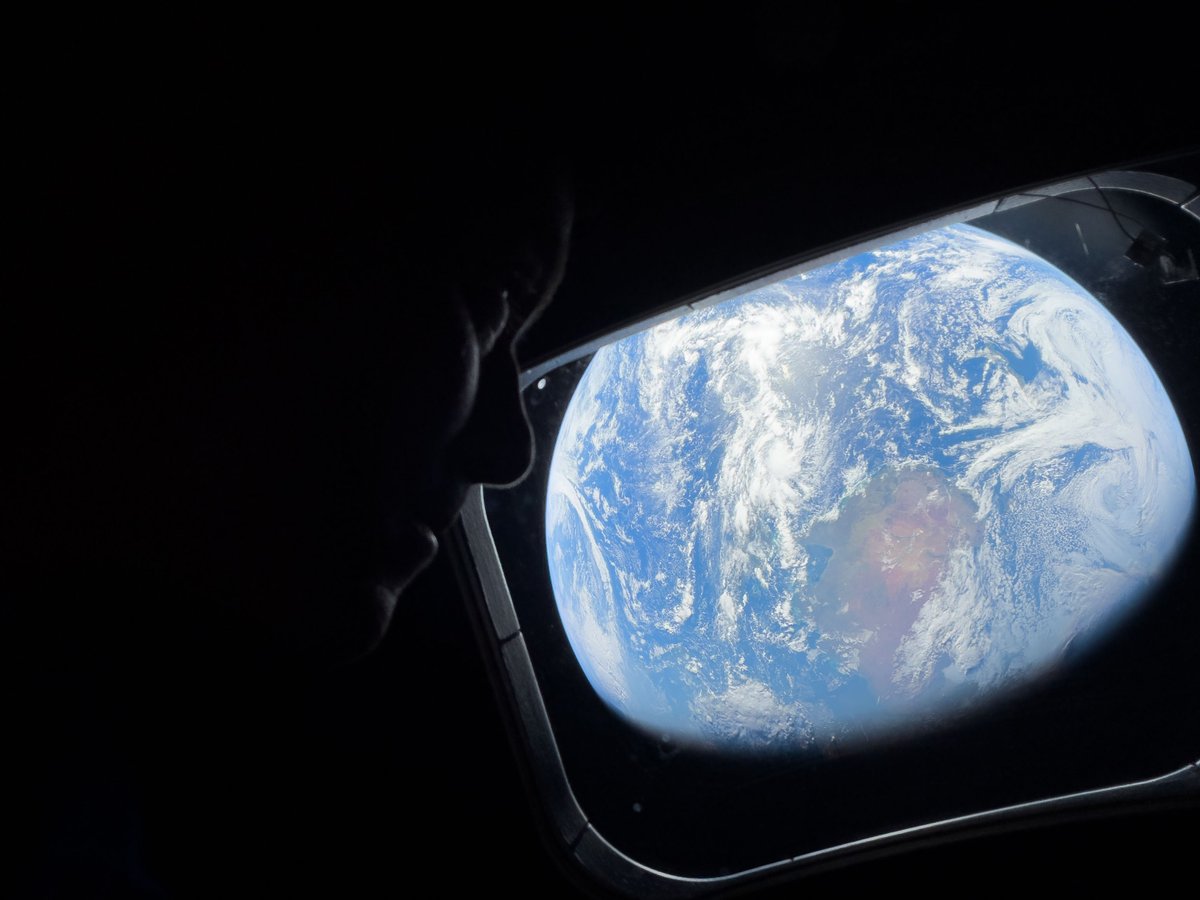
One last look at Earth before we reach the Moon.
This view of the Earth was captured on April 5, the fourth day of the Artemis II mission, from inside the Orion spacecraft. The four astronauts will reach their closest approach of the Moon tomorrow, April 6.
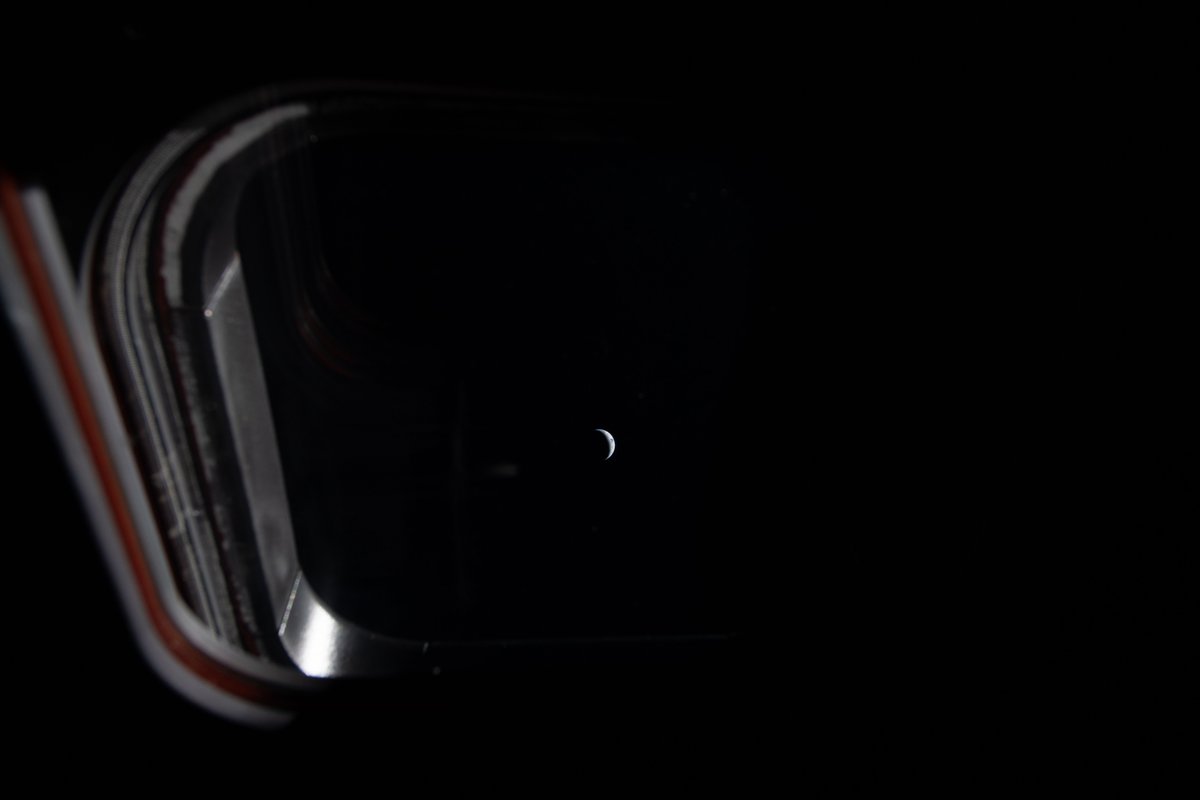
"We can see the Moon out of the docking hatch right now. It's a beautiful sight."
Flight day 3 is in the books, and our @NASAArtemis II crew is now closer to the Moon than to Earth. Check out highlights from our lunar mission. What’s been your favorite moment so far?
Beautiful new whole-Earth photo.
I love to zoom in and see the changing fine details, like the green glow of the aurora near the poles.
A beauty of extreme exploration is that we better discover and understand our home.
LIVE: Artemis leaders are discussing the successful launch of NASA's Artemis II mission and the next steps for the astronauts headed on their journey around the Moon. https://t.co/U1Bt9FPNc1
Liftoff.
The Artemis II mission launched from @NASAKennedy at 6:35pm ET (2235 UTC), propelling four astronauts on a journey around the Moon.
Artemis II will pave the way for future Moon landings, as well as the next giant leap — astronauts on Mars.