It means instead that you must quit maneuvering, and calculating, and scheming, and enforcing, and demanding, and avoiding, and ignoring, and punishing. It means you must place your old strategies aside. It means instead that you must pay attention.
Esta gráfica dice mucho con poco.
El brote de #Ébola por el virus #Bundibugyo en Ituri (RDC, 2026) está creciendo más rápido que otros brotes recientes en sus primeros 100 días.
Puede significar una de dos cosas:
- Lleva más tiempo (tal vez meses) sin detectarse, o
- Se transmite más rápido que en otros brotes.
Aún hay incertidumbre. Pero la señal es suficiente para estar muy atentos.
📊 Figura compartida por @DrTomFrieden
@daandina No es nuevo y empeorará, no hay más que ver las recriminaciones a esta clase de tweets.
Falta de vocación, trabajan por dinero, obligarles a trabajar en la pública, devuelvan el dinero de la carrera, etc.
Lo que sea con tal de no ofrecer unas condiciones dignas de trabajo.
Más allá de que Jon tenga razón, a los mentirosos cada vez les va a quedar menos margen para colarnos sus mentiras (o tendrán que reinventarse mucho). Resultados de formularle esa misma pregunta a Opus 4.6
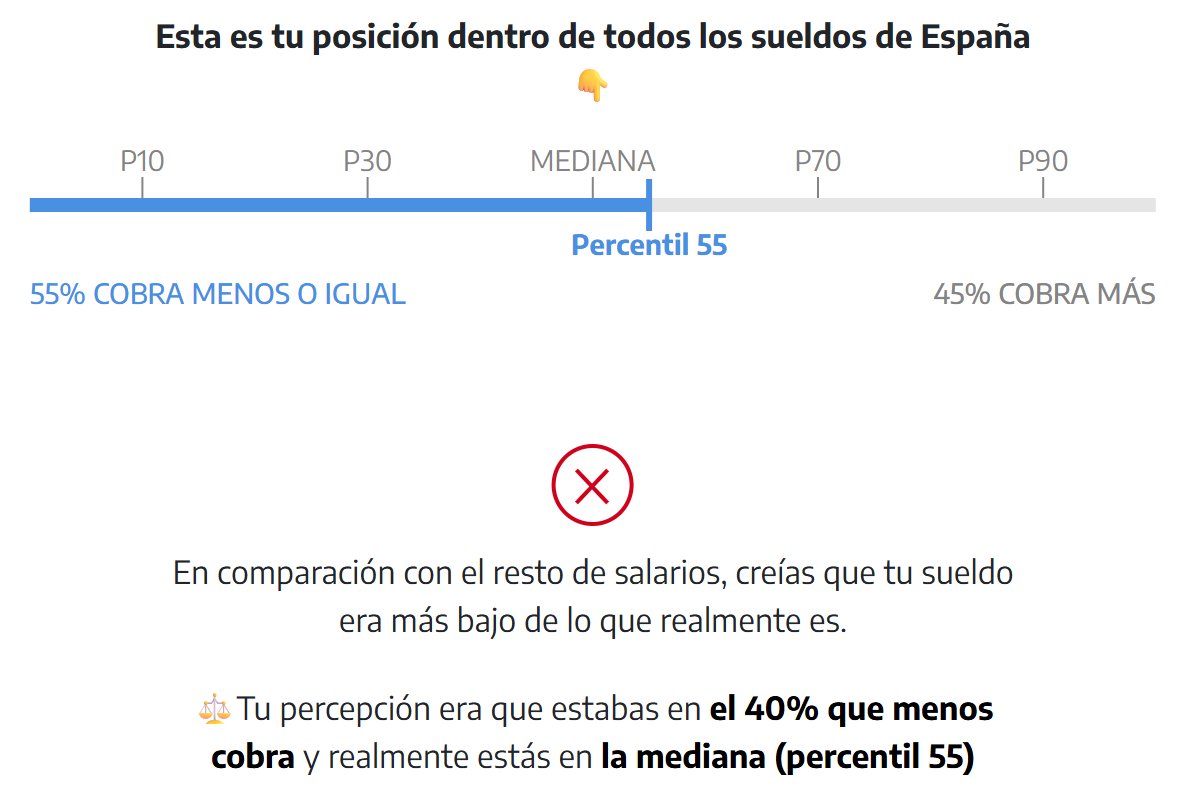
🆕Hoy en @elDiarioes volvemos a actualizar nuestra calculadora de salarios con los datos de la EES
💵⚖️¿Cres que cobras poco? Te proponemos un baño de realidad para que conozcas tu posición en la escala salarial de España
🚨 ÚLTIMA HORA:
Dos estudios recientes sobre el uso de ChatGPT entre estudiantes están encendiendo el debate sobre cómo la IA puede estar cambiando la forma en que aprendemos y generamos ideas.
En un experimento con 61 estudiantes y 3.302 ideas generadas, quienes utilizaron ChatGPT para tareas creativas produjeron más ideas y obtuvieron mejores puntuaciones mientras usaban la herramienta. Sin embargo, cuando dejaron de usarla, esa ventaja desapareció rápidamente.
Los investigadores detectaron además un fenómeno interesante. Con el tiempo, las ideas de los usuarios de IA empezaban a parecerse cada vez más entre sí. Distintas personas, resultados muy similares. Ese efecto de “homogeneización” seguía presente incluso 30 días después. El estudio habla de un efecto persistente a ese plazo, no de daño permanente.
Un segundo estudio analizó algo distinto. En una prueba con 120 estudiantes sobre retención de conocimientos, quienes estudiaron con ayuda de ChatGPT obtuvieron peores resultados en un examen sorpresa realizado 45 días después. La media fue del 57,5 %, frente al 68,5 % de quienes estudiaron sin IA.
Los autores sugieren que cuando delegamos parte del trabajo mental en herramientas externas, reducimos el esfuerzo cognitivo necesario para consolidar el conocimiento.
La conclusión de los investigadores es prudente. La IA puede mejorar el rendimiento inmediato, pero su impacto en el aprendizaje y en la generación de ideas a largo plazo todavía está siendo investigado.
Dejo las fuentes debajo de este tweet:
I have been sent this chart in various forms many times.
It is misleading resulting in wrong conclusions, so I decided to address the issue.
Yes, China generates more than double the US. But that number stripped of context is almost meaningless.
1. Population is the most obvious correction. China has roughly 1.425 billion people. The US has about 348 million. China has 4.25 times the population on nearly identical land mass (9.6 million km² versus 9.8 million km²). When you normalize for population, the story inverts completely. The US consumes about 12,700 kWh per person versus China at roughly 7,100 kWh. The average American consumes nearly 80% more electricity per person than the average Chinese citizen. On a per capita basis, the US is the electricity hog, not China.
2. China is the world's factory floor. It produces over half the world's steel, cement, and aluminum. Heavy manufacturing is one of the most electricity intensive economic activities that exists, and China does it at a scale no other country approaches. Manufacturing accounts for roughly 28% of China's GDP versus about 11% for the US. Industry consumes roughly 60% of China's electricity, while in the US the split runs approximately 38% residential, 36% commercial, and 26% industrial. Much of China's electricity "consumption" is actually being consumed on behalf of the rest of the world through exported goods. When an American buys a Chinese made EV, solar panel, or aluminum product, the electricity embedded in that manufacturing shows up in China's statistics, not America's. This is effectively offshored electricity demand.
3. Electrification rate tells you something critical too. China routes roughly 28% to 32% of its total final energy consumption through the electrical grid, compared to about 22% for the US. The US burns enormous quantities of natural gas directly for space heating, water heating, and industrial process heat without converting it to electricity first. If the US electrified at China's rate, American electricity consumption would be dramatically higher. The comparison isn't electricity versus electricity. It's two countries using fundamentally different pathways to deliver energy to end users.
4. GDP per unit of electricity exposes the services versus manufacturing divide. The US generates roughly $28 trillion in GDP off about 4,100 TWh, working out to roughly $6.80 of economic output per kWh. China generates roughly $18 trillion off 10,000 TWh, or about $1.80 per kWh. This doesn't mean China is wasteful. It means China's economy is physically producing things while the US economy is weighted toward services, finance, software, and healthcare, activities that generate high GDP per unit of electricity.
5. Climate and geography add another layer. While land mass is nearly identical, population distribution is radically different. Most of China's 1.4 billion people are concentrated in the eastern third of the country, creating enormous urban electricity demand centers. Large swaths of western China are sparsely populated desert and mountain terrain. China's sheer urban density in cities like Shanghai, Beijing, Guangzhou, and Chongqing creates electricity demand profiles unlike anything in the US outside of maybe the New York metro area.
The takeaway: the raw TWh number tells you almost nothing useful by itself. Per capita consumption still shows the US as the heavier user. Industrial structure means a large share of China's generation serves global supply chains, not Chinese consumers. Electrification rate differences mean the two countries aren't even measuring equivalent things. And GDP intensity reflects two economies at fundamentally different stages of structural composition. Anyone using the "10,000 TWh versus 4,500 TWh" framing without this context is either uninformed or being deliberately selective.
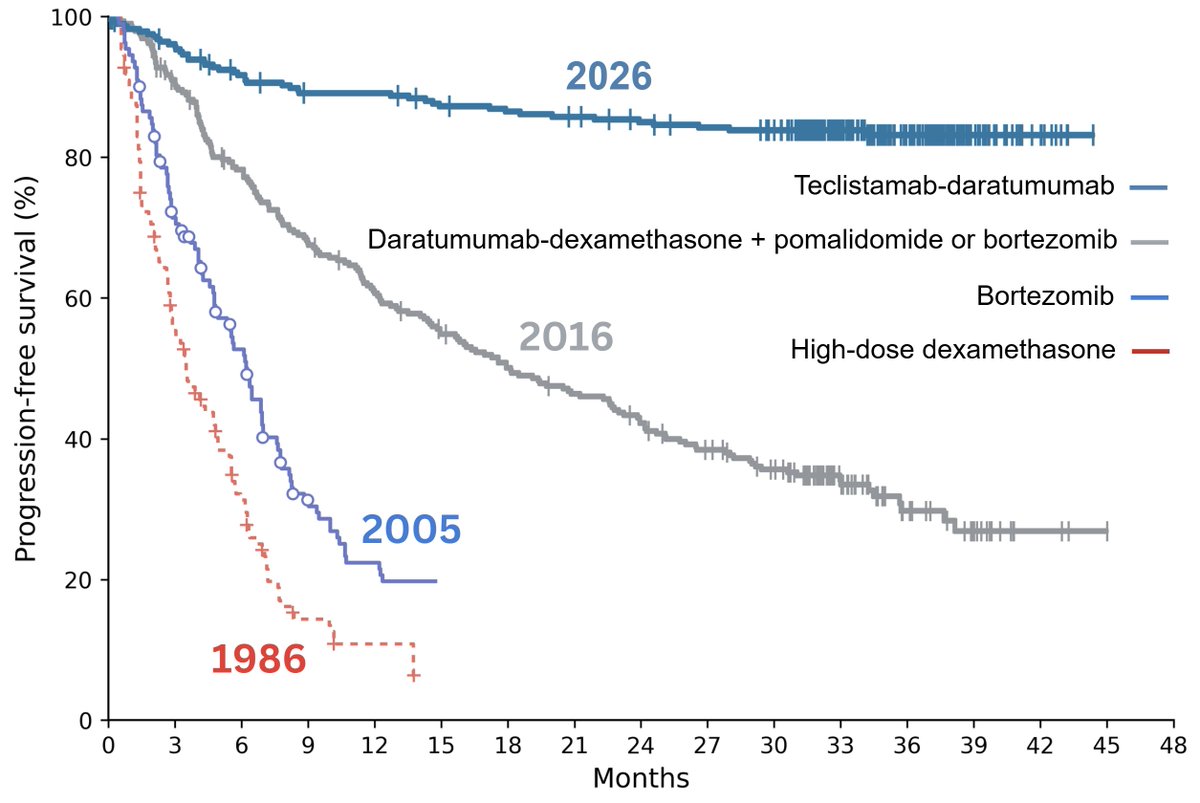
My 2015 graph playing out in real time. The scary thing is my graph doesn’t start at early LLMs—it starts 4 billion years ago with the origin of life. What’s happening now is THAT big.
Como médico muy a favor de que exista sanidad pública, que ha estado 4 años en la pública y que ahora está en la privada, me flipa estar viendo este debate
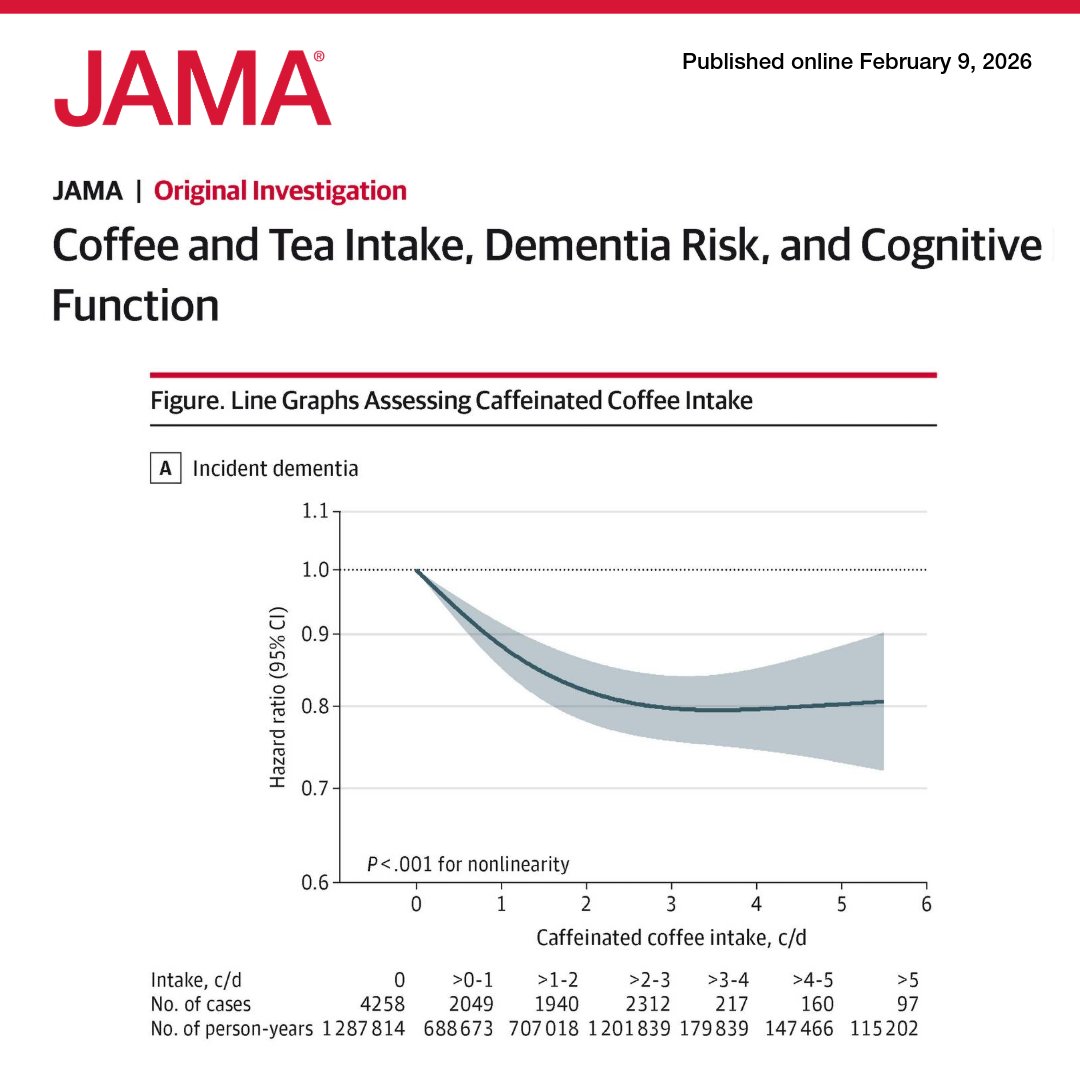
From @JAMA_current: Moderate consumption of caffeinated coffee or tea was linked to reduced #dementia risk and modest improvements in cognitive outcomes; no benefit was seen for decaffeinated coffee in an observational study of US adults.
https://t.co/B5RpVYTS1c
"ESTE SISTEMA TE DESTRUIRÁ EN 5 SEGUNDOS..." 💥
Ni Ethan Hunt se atreve con esto.
⚠️ Misión: Operar sin dormir.
💶 Pago: 15€/h
💣 Riesgo: Tu vida y tu título.
Hasta Tom sabe cuándo hay que ABORTAR LA MISIÓN. Nos vemos en la calle. 🏃🏻💨
"COBRA MENOS QUE UN MODERADOR DE MI CHAT" 📉
El momento exacto en que un streamer descubre la estafa de las Guardias en España.
Cortad el directo. Y cortad los abusos.