I have historically been an Elon fan, and I think a lot of the anti Elon media has been unfair and/or misleading. He has created a lot of good for society.
But this story where he lied about being a "top 20 gamer" where he had someone leveling his account is hitting me hard.
As a gamer, you have a lot of pride in your rank/level. Trying to fake that while also being the richest guy in the world is just so absurdly unnecessary.
I would say it also makes me wonder, if he is willing to lie about this, what else is he willing to lie about.
It might seem trivial to many, but for the other people out there who have been competitive gamers, you know exactly what I'm talking about.
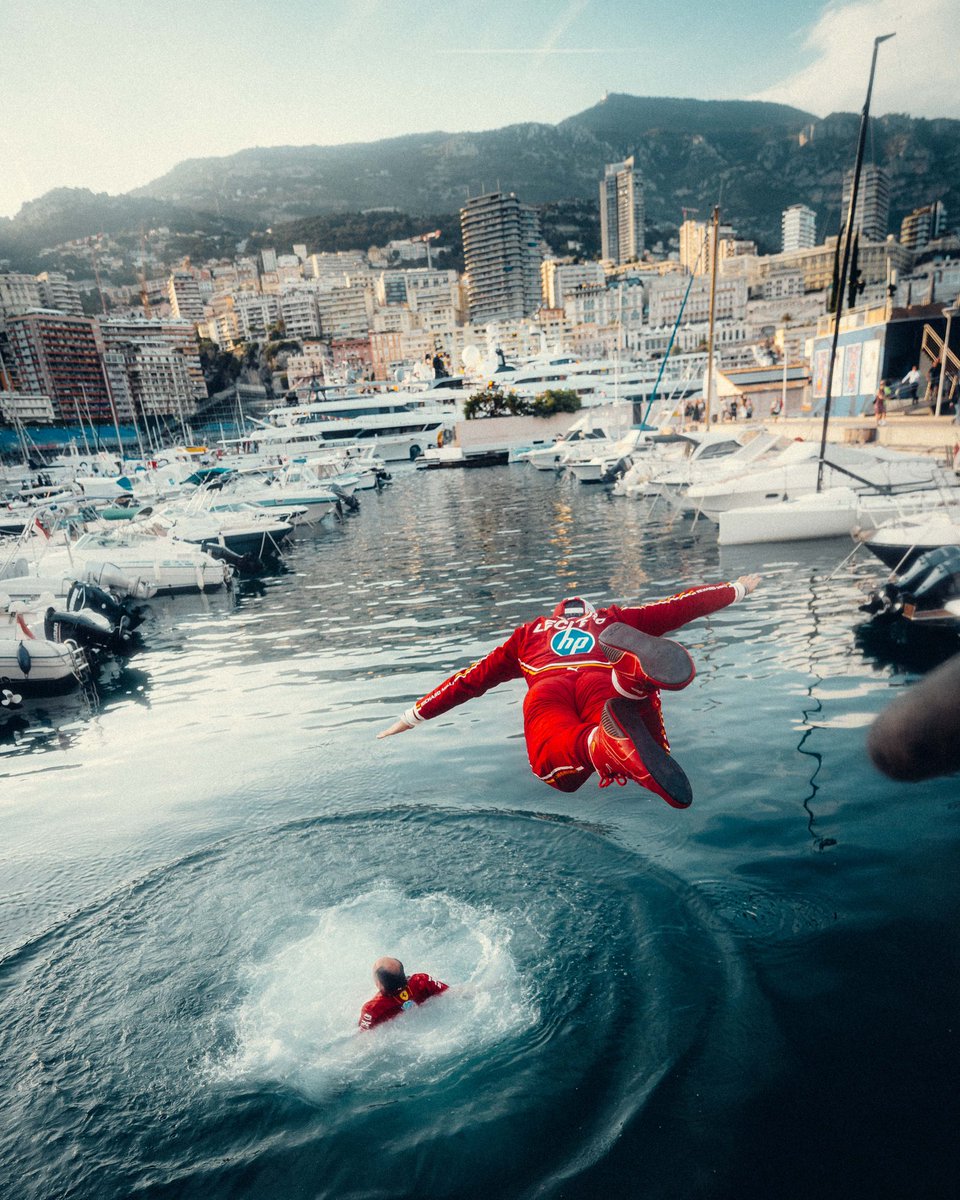
Ferrari, please: replace all PU components from LEC’s car, and use the highest engine mode ever seen in F1🙏
He’ll have a chance for a great comeback; otherwise, the points he’ll get won’t suffice for the WCC anyway
Engine explodes? Reliability data for next year!
Retweet to make our voice heard!🤣🔥
@Charles_Leclerc@ScuderiaFerrari #F1 #AbuDhabiGP
“Russian imperialism does not exist. Russia does not destroy other cultures.”
One of the schools in Kupiansk, liberated from Russian occupants in 2022. Ukrainian titles on school signs are covered with Russian ones.
This is a cultural genocide conducted by Russians.
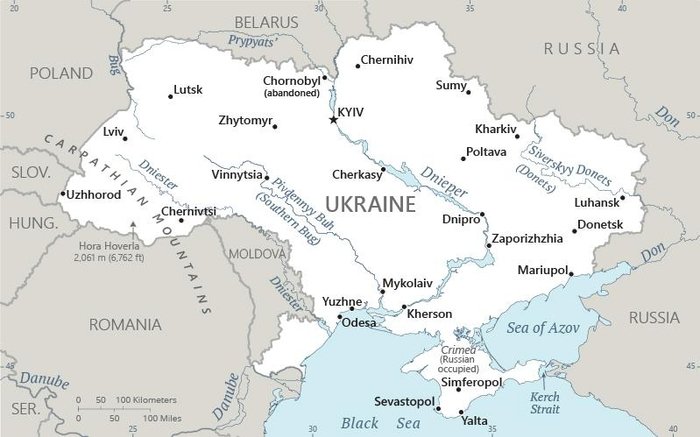
Ukraine now.
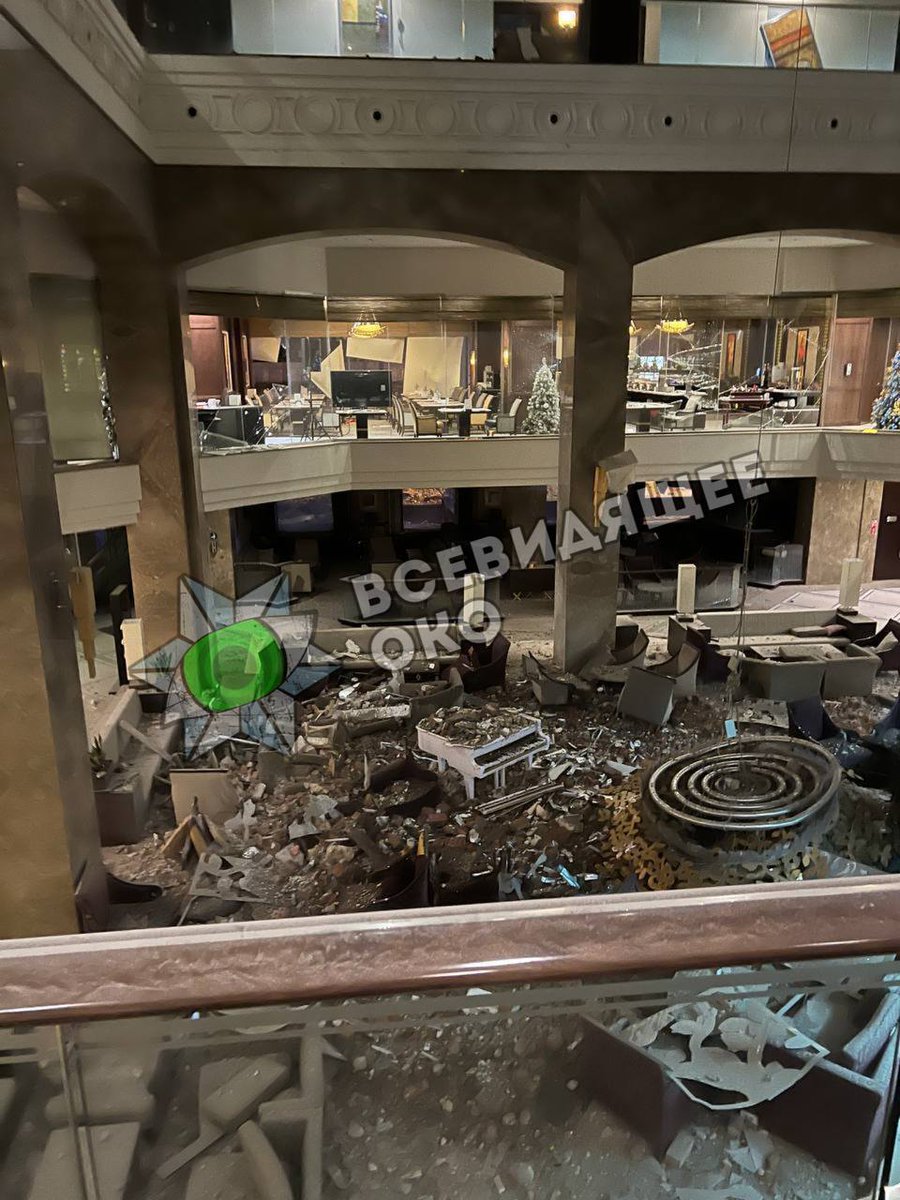
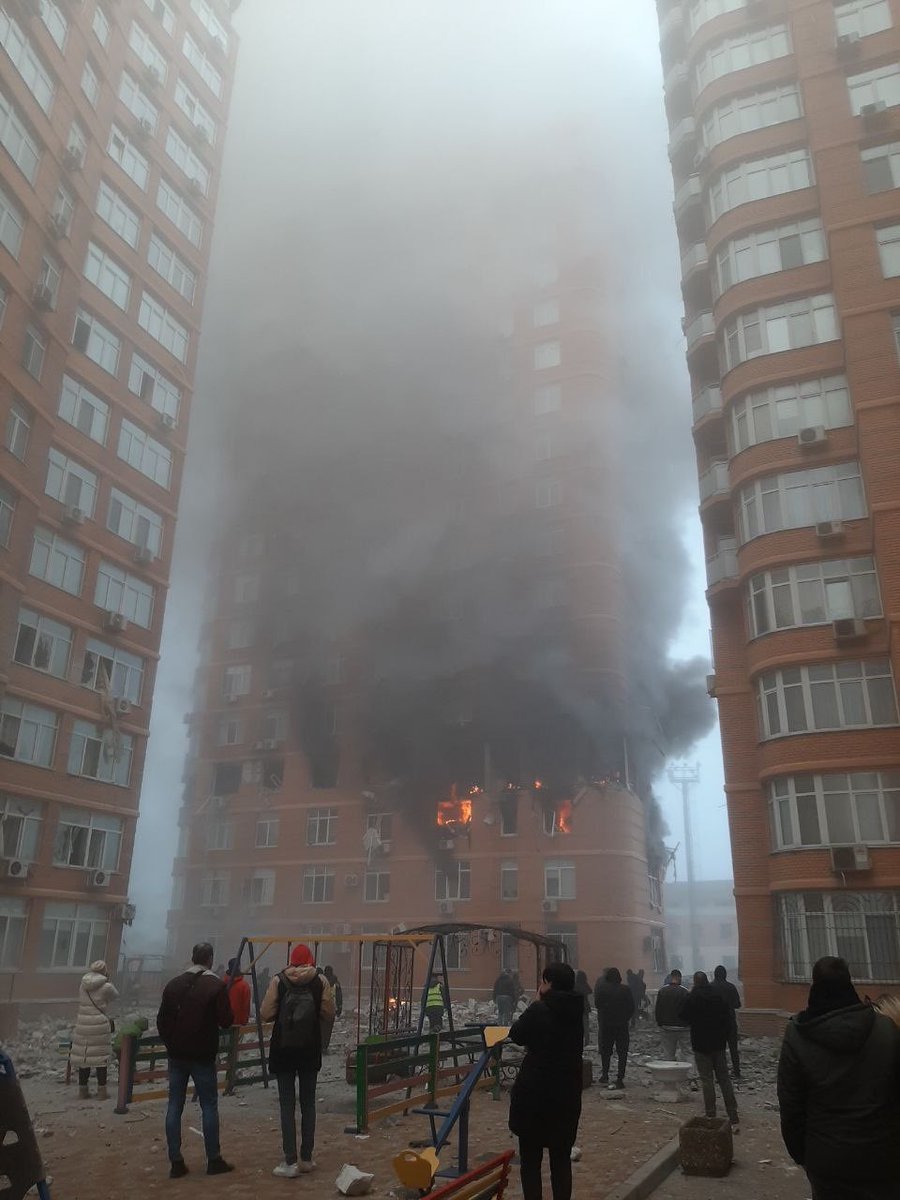
A large European nation is being bombed into the stone age as bored high-minded pseudo-intellectuals keep playing a Kissinger in what they imagine as Realpolitik 5D chess in op-eds.
Ridley Scott's Napoleon - Initial Thoughts
With a deep personal investment in the history of the 18th century, the French Revolution and its consequences, as well as a passion for cinema, the prospect of not seeing Ridley Scott's Napoleon was out of the question for me. Having now watched it, I felt compelled to write down my first spontaneous thoughts.
My overriding fear, upon first learning that a biopic of Napoléon I was to be presented in a single film, concerned the painful decisions indeed that Scott would have to make on what events of the Napoleonic Era to keep in, and what to cut. Unfortunately, these fears were realised, and the aspect of time is severely mishandled by the film as a result.
Events are shown so briefly and with such an absence of a clear through line that what should have been even the most exciting scenes fall relentlessly flat. Characters frequently refer to prior events as having occurred a long time ago, when barely a single scene has passed. An especially egregious example of this rushed pace may be found with the ending of Napoleon and Josephine's marriage, where the idea of wedding the Archduchess Marie Louise being floated, the latter meeting the Emperor and their son being born all occur within scarcely sixty seconds of screen time. This breakneck tempo appears to have caught even the filmmakers off guard, as any dramatic impact of Josephine's line early on in the narrative, "You are nothing without me... or your mother" is wasted for the simple reason that the Bonaparte matriarch is not introduced to the audience until several scenes later. Either the scenes here were edited out of order, or the writers simply forgot the chronology of their own story.
The overriding problem with Napoleon is that precious little about the film is credible. Joaquin Phoenix is a gifted and accomplished actor, but while his age will clearly distract those familiar with the Napoleonic period, far more pressing an issue is that the film never establishes his charisma as a leader at all. At the Siege of Toulon, the first battle of the film, and therefore the event which should have set this up, Napoleon is simply a bystander. It is not made at all clear why he was even approached to take command in the first place, and when the battle starts, he is unhorsed and thrown to the floor, while the troops simply conquer the fort in a conventional assault, without any memorable orders from Napoleon himself. There is no stratagem beyond merely attacking at night.
The baffling portrayal of the Battle of Austerlitz has been discussed at length by other commentators, yet stands as an exception, for all other battles of the film revolve again and again around a frontal charge. Napoleon Bonaparte was a supreme tactician, yet the unfamiliar viewer will leave the cinema with no idea as to why he is remembered in the same breath as Alexander the Great. At Borodino, Napoleon himself leads a cavalry charge into a line which simply collapses, and in an especially galling scene at Waterloo, whether due to poor directing or cinematography, it genuinely appears as if the Caesar of the Enlightenment is charging straight into the rear of his own infantry.
The 'love' story upon which Scott clearly wished to anchor the film lacks basic believability. No explanation is ever given as to why Josephine is even attracted to Napoleon, let alone 'in love' with him. The 'transition' indeed consists of a single scene in which Napoleon just pulls her chair towards his own, while seated at a café as if in the Belle Epoque of a century later. This is then followed by extremely uncomfortable scenes where the Conqueror of Europe is depicted as uncontrollably lecherous, even in public at his own wedding. Their relationship is simply not developed sufficiently before the trigger of her apparent infertility is supposed to make us mourn the breakdown of said relationship, a turn of events accelerated by a painfully embarrassing scene of the two throwing food at each other across the table, in front of a mysteriously unperturbed family.
As a couple, they are profoundly dysfunctional from the start, with Napoleon even shown to be physically abusive towards her, undermining the multiple attempts to show melancholy between them later in the film. Given that their relationship was evidently supposed to form the bedrock of the story, the relegation of Napoleon's famously romantic last words to a mere title card is inexcusable, and rendered unintentionally confusing by the final shot of the film, moments earlier, clearly implying his death. Did he say these words, therefore, before or after he suddenly flops horizontally out of shot, in a borderline slapstick moment?
Unforgivable for an 'epic' of the second decade of the 21st century, however, is how astonishingly 'low-key' everything in Napoleon feels. Across each of the battles, there are possibly just three shots that give us the sense that we are witnessing anything more than a division-sized engagement, if that. The real Battle of Borodino, for example, involved over 200,000 men. Yet in the film we see at most a couple of hundred combatants in a single overhead shot. Apart from being a wasted opportunity to show off the power of modern effects, this again is a needless strike against the suspension of disbelief, as it is difficult to buy that we are witnessing the very fate of Europe be decided before us, when her great powers commit such modest forces. At Waterloo, the ahistorical emptiness of the battlefield only draws greater attention to the lack of numbers, giving the overwhelming sense that one is simply watching battle re-enactors through a dull filter.
Similarly, the minimal worldbuilding means that what grandeur there is on screen is rendered shallow by the absence of stakes. There is a constant sense that nothing happens in the world off-screen, and this, in a film whose narrative is as rushed as this, makes investment in the story all but impossible. The 'glory of Austerlitz' is referenced multiple times after the 'battle', but we never see anything to back this up. No triumphant scenes of patriotic fervour in Paris, no cheering army on the field, no promotions or even battlefield decorations, just grim and distant scenes of violence, devoid of colour, on the day of the battle itself. Indeed the sole on-screen consequence of Austerlitz is a brief conversation between the French and Austrian emperors over a glass of wine, where nothing of geopolitical substance is agreed. As a result, Napoleon winning over his men by invoking such battles, upon the return from Elba, comes across as entirely unearned, made all the worse by the dearth of any attractive leadership qualities in Phoenix's performance.
The final title card of the film gives a brief summary, albeit strangely out of order, of the casualties suffered in the battles we see on screen, which would imply the director wished to convey a message on the tragedy of war. Unfortunately there is no real set up to this at all, as all soldiers killed on screen are anonymous entities. If commemoration for the fallen was indeed the intent, it is however grotesquely undermined by one of the single worst decisions of the film - the Italian campaigns, which formed the very ladder to the real Napoleon's rise to glory, and established him as a household name in France, are completely omitted from Napoleon.
Instead, they are lazily batted aside in a single line of dialogue, with Napoleon writing to Josephine:
"I have already conquered Italy, who surrendered without conflict"
This is not only entirely false, and a total slap in the face to the thousands of troops of many nations who fell in the Italian theatre of the French Revolutionary Wars, but it also robs us of one of the most critical episodes of the future Emperor's life. Napoleon's dramatic coronation as King of Italy in the Duomo of Milan, likewise, is never even mentioned. Since the Napoleonic campaigns formed the spark of Italian nationalism, and changed the peninsula forever, one can only imagine what the reaction of Italian audiences will be to this callous dismissal of their history. One must spare a thought, too, for the Spanish and Portuguese, since as far as the film is concerned, the Peninsular War never occurred.
More can and will be written on the failures and miscarriages of history of Napoleon. It is difficult, however, to see the film as much beyond a disastrously wasted opportunity, whose misguided attempt to cover everything, while still omitting so much, adds nothing of consequence to the popular understanding of this crucial phase of world history, while taking away much of value both from it, and the Titan at its core.
> zero colonies
> constant battle for freedom for centuries
> hundreds of years of legislations to ban this land's language
> genocided using starvation
> main ww2 front
> gives up third in the world arsenal of nukes
> genocided again