@jk_rowling How do they manage do get their actual job done? No wonder real burning issues take a backseat since the politicians are squabbling over terminology.
An 80-year-old mother is offering to return her son's Shaurya Chakra.
Not in anger at the nation.
In exhaustion.
Assistant Commandant Vivek Saxena fell fighting terrorists in Manipur on 8 January 2003. The country gave him the Shaurya Chakra. The state promised his family land and a memorial. Twenty-two years later, Savitri Saxena is still being sent from office to office. Asked for domicile papers. Asked where she lived before marriage. Asked to keep waiting.
She is 80. She says she no longer has the strength to keep doing the rounds. So she has brought the medal to a grievance camp and said: if this is the honour we give a martyr's mother, take it back.
A son gave his life.
A mother is being asked to prove she belongs.
That should break something in all of us.
@TheLallantop@IndiaToday
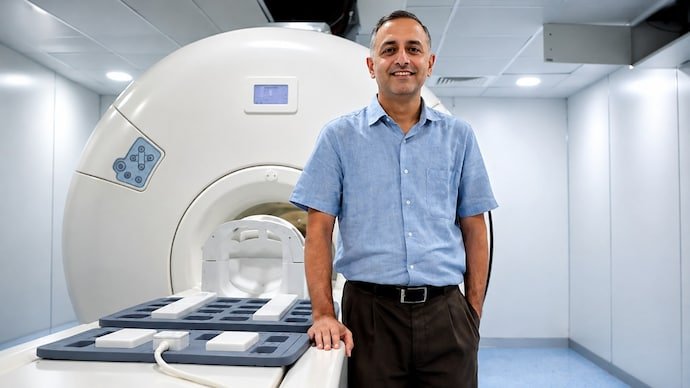
How Tata, Vembu's Zoho saved India's first MRI machine maker from MNC shark
https://t.co/ReiCjKpulR @svembu@voxelgrids
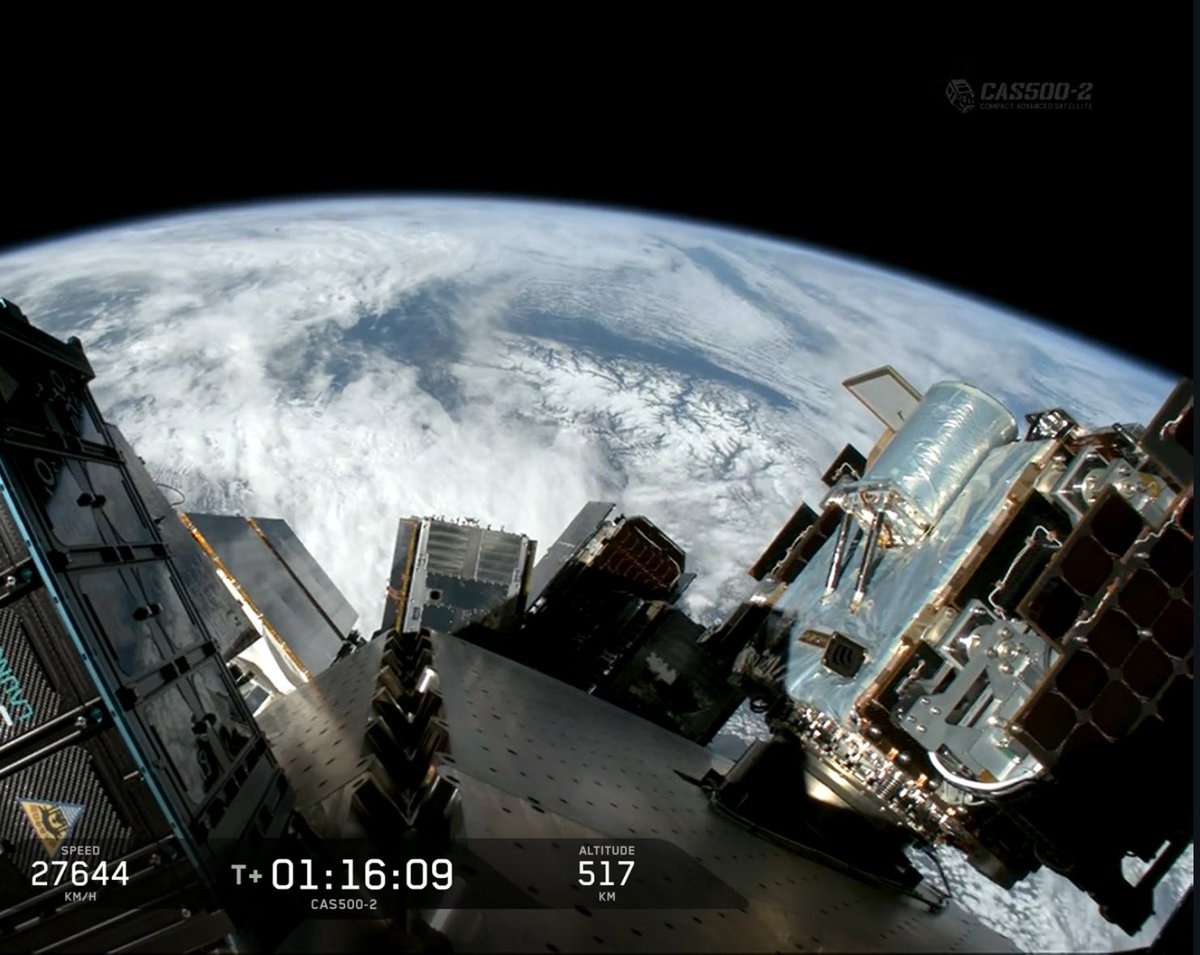
Bengaluru startup Voxelgrids is making India's first MRI machine, which will reduce scan cost by up to 70%. However, a global giant sought to buy it out. It was funding from Tata Trusts and Sridhar Vembu's Zoho that helped stave off any buyout bids, reveals Arjun Arunachalam, founder and CEO of Voxelgrids.
How convertible is $1 billion cash into political power in the USA?
I’m not asking about $1 bn in assets or being a billionaire.
I’m asking what you could do if you were willing to blow $1 bn in cash in one year.
What do you get for that in USA?
I feel like the ultra rich are cowardly / greedy / want to be liked so never do this, but maybe I’m wrong and underestimating what $1 bn buys, power wise.
Trump’s self-declared friendship with Modi carries a price for India: Since returning to office, Trump has repeatedly insulted, pressured or penalized India while invoking his friendship with Modi as cover, eroding what was once a blossoming U.S.-India relationship. Today, he again described himself as a “friend” and “big, big fan” of Modi.
#LifeLesson #5
Never ever cry over sunk costs. And not just in business.
You've already wasted time, money whatever. It may even be decades of your life or a whole lot of money.
Don't waste more of your life brooding over it. You are only compounding your losses.
Move on!
The last three years of low crude prices didn't help Indian consumers (we kept the petrol price the same)
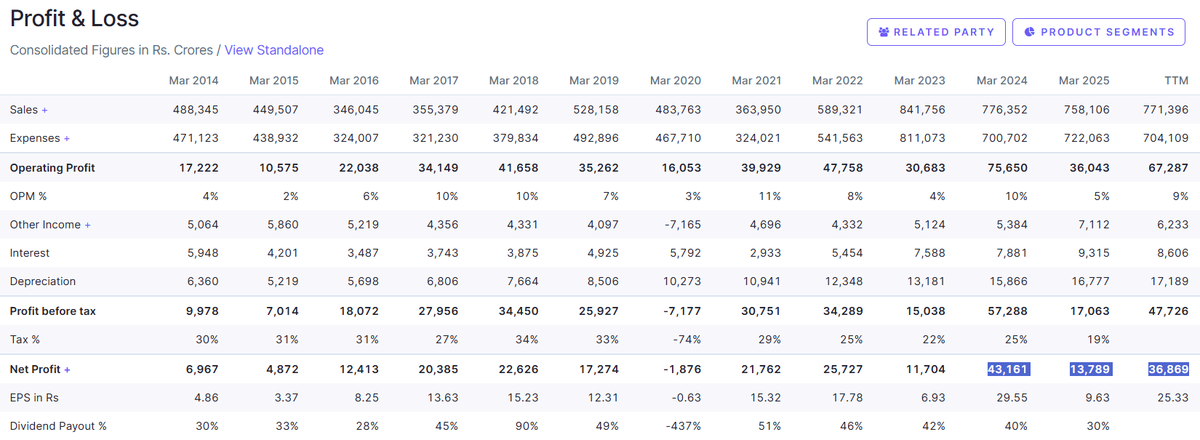
Who made money? The govt, and the oil cos. The largest oil retail co, has more than 82,000 cr. in collective profits since FY24 to now.
They should take the hit now.
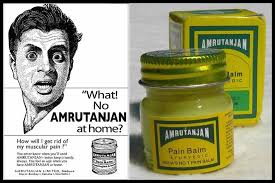
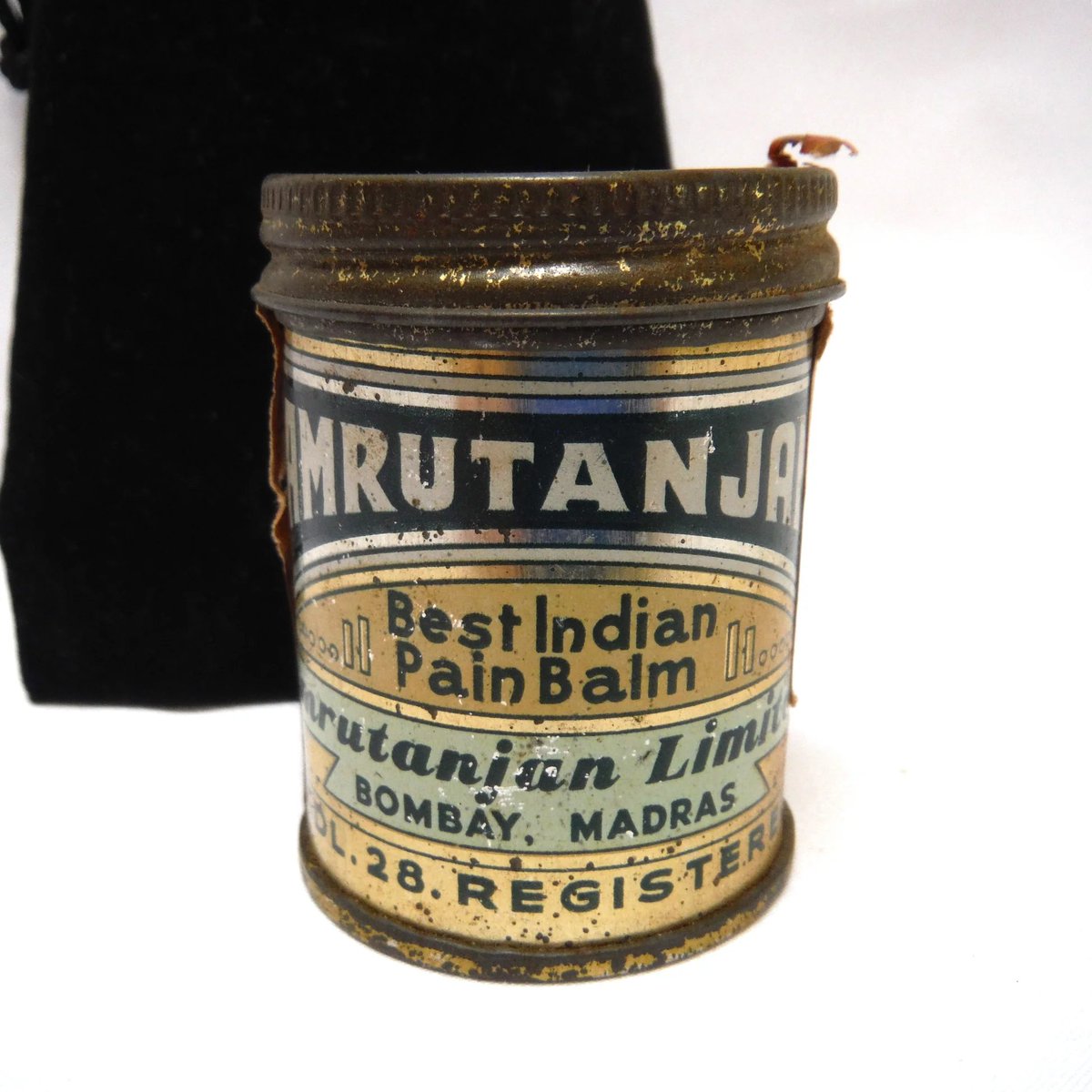
Before the world knew the power of Big Pharma, a journalist in a tiny lab in Bombay created a substance so potent it triggered a trade war with London. It was a yellow grease that did not just soothe headaches but funded a movement, bypassed British blockades, & became 1 of the few Indian products to make the Empire's own medicine look like scented water.
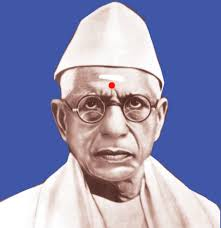
Unlike other brands started by chemists, Amrutanjan was founded by Kasinadhuni/Kasinathuni Nageswara Rao, a man who was primarily a journalist & a freedom fighter. In the late 1800s, the pain balm market in India was a British monopoly. If your head throbbed, you bought imported ointments. Rao saw this as a tax on pain. He retreated into a lab & perfected a formula that was significantly more potent than anything coming out of London.
The British tried to push their own balms like Vicks/early menthol rubs as sophisticated & odorless. They attempted to smear Amrutanjan as primitive because of its overpowering scent. Rao leaned into the scent. He realized that in a country where literacy was low, a brand could not just be a name, it had to be an experience.
He distributed free samples at music concerts (Sabhas) & religious festivals. By the time the British tried to patent the market for pain relief, the entire Indian public had already associated the smell of camphor & menthol with trust. The British balms felt alien & weak compared to the sensory explosion of the yellow tin.
The smell of Amrutanjan... that piercing, camphor-heavy aroma became the literal scent of the freedom struggle. If you walked into a room & it smelled of Amrutanjan, it was a silent signal: A patriot is present. It was a scent the British police could not arrest, yet it was everywhere.
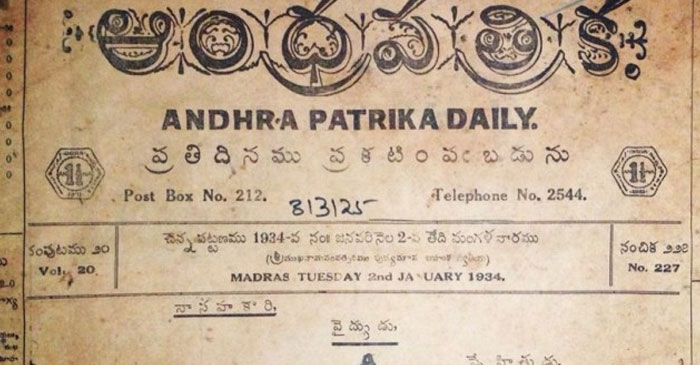
The British had a Patent Medicine Tax that made imported drugs expensive. However, by classifying Amrutanjan as an Ayurvedic Proprietary Medicine, Rao managed to navigate a complex legal gray area. He essentially used the British legal system against itself. By proving his ingredients were ancient yet his manufacturing was modern, he avoided the crippling taxes that applied to purely Western drugs, while maintaining a price point (initially 10 annas) that made British imports look like daylight robbery Rao fought back not just in the market, but in the press. He used the profits from the balm to fund Andhra Patrika, 1 of the most influential anti-British newspapers.
The British were literally paying for their own downfall. Every time a British officer’s wife bought a jar of Amrutanjan for a migraine (because it worked better than the London balms), she was inadvertently funding the printing of revolutionary literature that called for the end of the Raj.
By the 1930s, this Indian yellow grease was being exported to Indian diaspora & locals in South Africa & Ceylon. It became a global symbol of Eastern Wisdom defeating Western Chemistry. It was 1 of those few occasions, an Indian OTC (Over the Counter) product achieved cult status internationally w/o a single pound of British investment.
In fact, the yellow tin became so iconic that it did not need a label in the villages. The color & the smell were the brand. It was a biological Swadeshi. While others were fighting with words, Rao was fighting with molecular relief.
Open letter to Indians in America.
--
Dear brothers and sisters from Bharat:
Like I did 37 years ago, you arrived in America with no money but with a good education and cultural heritage from Bharat. You achieved outstanding success. America was good to us. For that we must remain grateful - gratitude is our Bharatiya way.
Yet today, a significant number of Americans, may be not the majority but not too far from it either, believe that Indians "take away" American jobs and our success in America was unfairly earned.
You may think the next election will fix this, but your choice would be between people who hate our Bharatiya civilisation and people who hate civilisation itself. That is the "hard right" vs "woke left" battle. You are mere bystanders to that conflict.
Meanwhile there is one thing that is true now and will be true in the future: the respect Indians command world-wide will substantially depend on the fortunes of India herself. If India remains poor, the woke left will give us moral lectures with pity and the hard right, different moral lectures with scorn ("hellhole") and we must not confuse either with respect.
Respect in today's world, along with prosperity and security, comes from one source: a nation's technological prowess. India produces sufficient brain power to achieve that prowess but alas we exported so much of that talent, particularly to America. As we develop that prowess in India, our civilisational strength will assert itself.
As difficult as it is for many of you to contemplate this, please come back home. Bharat Mata needs your talent. Our vast youthful population needs the technology leadership you gained over the years to guide them towards prosperity. Let's do it with a missionary zeal.
Respectfully
Sridhar Vembu
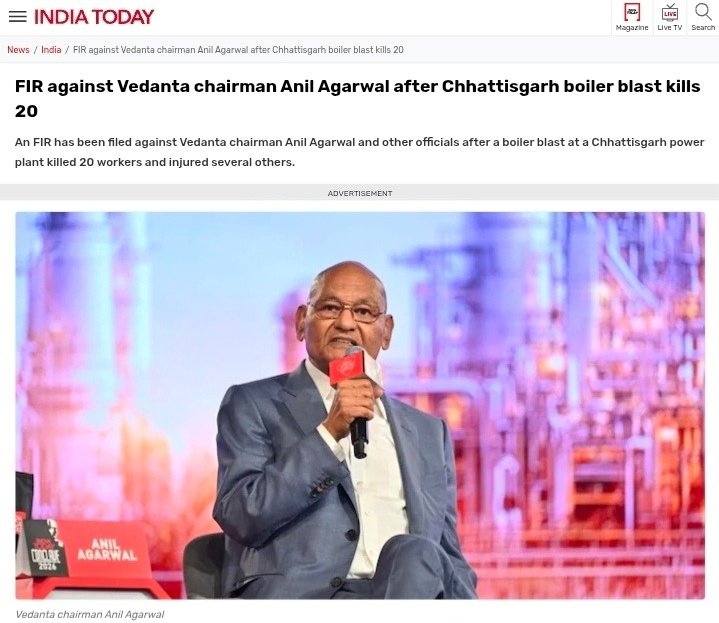
The tragedy in Chhattisgarh is deeply painful. 20 families have lost everything. Proper compensation, livelihood support for the families, and a thorough investigation are non-negotiable.
But naming Shri @AnilAgarwal_Ved Ji in the FIR before any investigation raises serious concerns. He is a self-made man from a humble and backward community background who built a global enterprise from scratch. He had no role in that plant's operations.
When accidents happen in PSU plants or Railways, do we name the Chairman? We do not. The same standard must apply to the private sector too.
Investigate first. Establish responsibility based on evidence. Then act.
India's #ViksitBharat vision needs people like Shri Anil Agarwal to keep investing and building. That happens only when investors trust the system. 🇮🇳
Funding the Adversary: Since Prime Minister Modi took office in 2014, India’s trade deficit with China — its principal strategic rival — has nearly tripled. Newly released figures show that in fiscal year 2025-2026, China’s trade surplus with India rose to $112.2 billion. By comparison, India’s total defense spending is about $75 billion.
In effect, India is transferring more net capital to China through trade than it spends on the military capabilities meant to deter China. This creates a “funding loop,” whereby Indian demand for Chinese goods helps fuel the very economic engine driving the modernization of the People’s Liberation Army (PLA).
India’s widening trade deficit thus generates a distinct set of strategic and economic vulnerabilities, including the “hollowing out” of domestic manufacturing. Yet there is remarkably little public discourse in India on how such structural dependence on Chinese imports may be deepening the country’s long-term strategic exposure.
India cannot credibly prepare to counter an expansionist rival, which lays claim to vast Indian territories including an entire state, while simultaneously bankrolling its rise.