@NilsPratley
The Thames Water situation is pretty desperate. We are great admirers of the work of Dieter Helm. I am sure you are familiar with his books and papers. He used to be a government advisor. Are his ideas are being seriously considered.
[email protected]
George Monbiot has been trying to bring this bizarre sewage crisis to our attention for a couple of years. Please help the world to talk about it.
https://t.co/OwIvQ3Tkrd
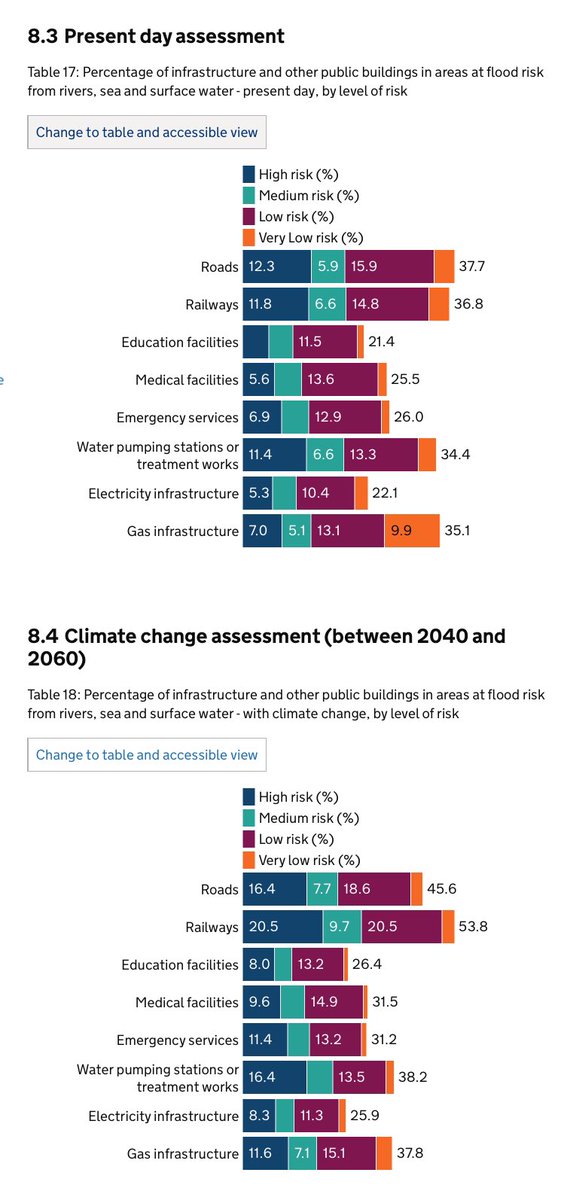
Some startling figures on infrastructure at risk in the new England flood risk assessment.
Over 30% of roads and railways at risk today, rising to 50% due to climate change.
Large % of other critical infrastructure also already at risk, all rising in future too.
Huge areas of agricultural land are at risk of flooding from rivers & sea, with 60% of grade 1 land at risk.
Amount of land and frequency will increase due to climate change.
We can’t afford to protect all homes from flooding, let alone farmland.
Difficult decisions ahead.
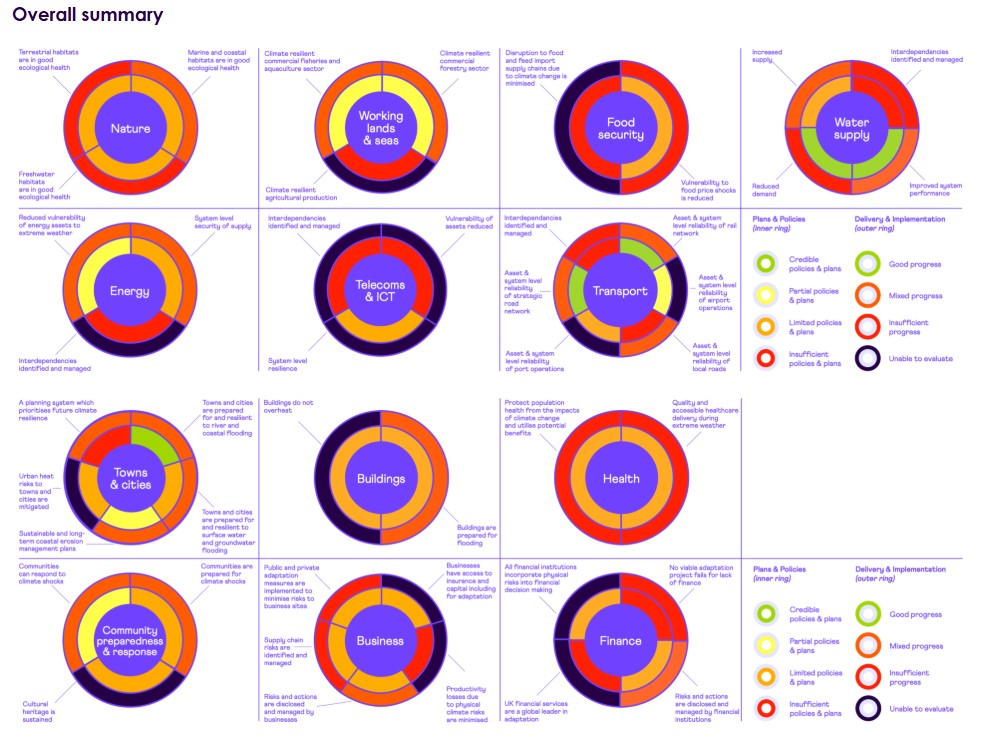
Talking to @LBCNews about how ready we are for the increasing impacts of climate change.
In short, we're not. In any area.
We can be proactive or reactive, but one way or another we've got to adapt.
Thames Water now polluting with impunity.
They are running a monopoly business with £2bn guaranteed income a year yet can’t even meet the most basic of operating requirements.
Will Ofwat reward their failures further?
https://t.co/sm9LcuXw1b
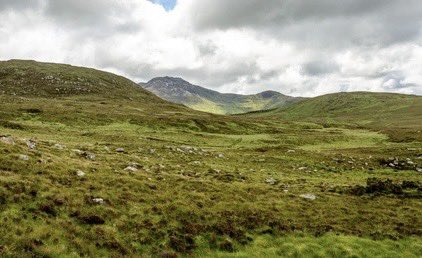
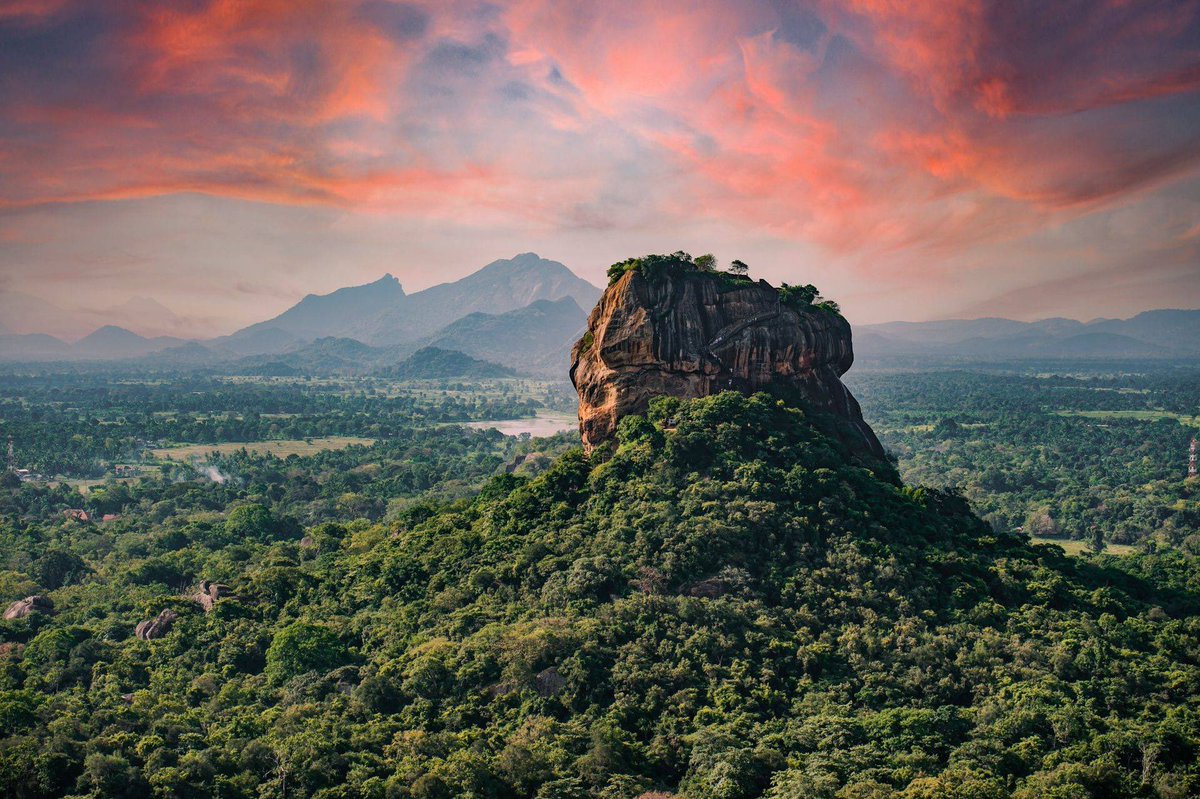
In the left-hand photo, the richly forested hills of SRI LANKA, an island in the Indian Ocean roughly the same size and shape as IRELAND, whose own denuded hills are pictured on the right.
Sri Lanka has nearly FIVE TIMES more people than Ireland (23 million vs 5 million), and they are significantly poorer than the Irish. Both islands were colonised and exploited by the English over several centuries.
How is it that vast tracks of vibrantly intact nature remain in Sri Lanka, whose people live alongside several thousand wild elephants, a thousand leopards and an extraordinary array of other wildlife; while Ireland is among the most nature-depleted countries on earth? How did this extraordinary difference come to be?
In nature terms, Ireland has next to nothing left, the temperate rainforests of the west are gone, the peatlands drained and degraded, the large species eradicated, the smaller ones on their way out, landscapes pockmarked with suburban sprawl, why? What happened?
What is so different in the culture of the Sri Lankan people that enabled them to maintain the natural wonder of their island while the Irish have utterly desecrated theirs? (The UK of course is not much better, but at least we do now have a burgeoning rewilding movement.)
I feel that the answer to this question is totemic at a time when the protection and restoration of nature is climbing to the top of the agenda. Why do some nations live in harmonious co-existence with nature while others fail so utterly to save theirs? What can the world learn from both of these small countries?
The most amazing thing in the comparison I’ve chosen is that in spite of all of this, Sri Lanka is far more food self-sufficient than Ireland is. In other words, they kept their nature, while still producing much of their own food. What has Ireland gained from trashing its landscapes in the way that it has?
It’s a funny thing that we call Ireland ‘the Emerald Isle’ when in comparison with islands the world over it’s anything but.
Defra popping out a bathing water reform consultation the day before a very critical OEP report on bathing waters is due. BIG OMISSION in that there are no plans to monitor any new substances/bacteria. Have your say, as they say...
https://t.co/xk4tELnUHE
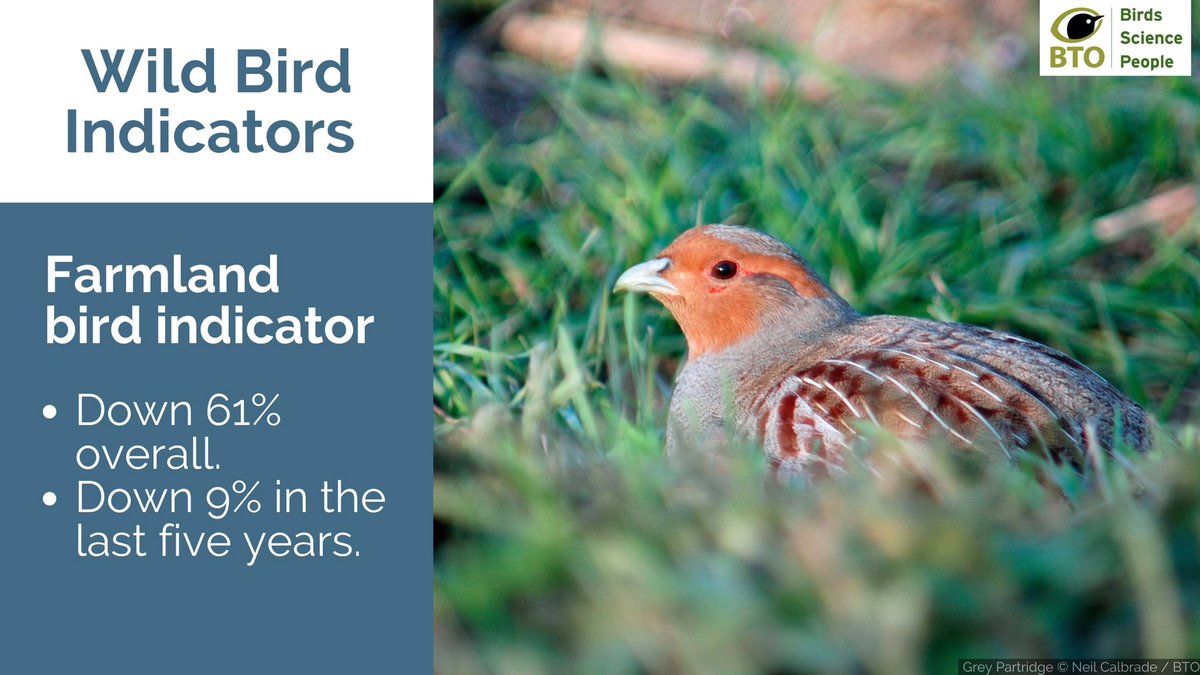
The tragic decline of UK wild bird populations continues.
Farmland bird species showing some of the biggest long and short term declines.
https://t.co/eJtxMgz5go
It really is hard to get across quite how bad this is. We’re on track for 3C of warming, which could easily result in catastrophic cascading risks to human civilisation. And emissions are still rising. https://t.co/uiTVXW0uhl
Cambridge also has serious water resource challenges. This kind of approach should also look at opportunities for rainwater harvesting and reuse at community scale. Not just about flooding - its a geeky term but 'integrated water management' hits both. https://t.co/kap4LRqcVA
In just over 50 years, nearly three quarters of the world's biodiversity has disappeared owing to climate change, habitat loss (esp to farming), pollution
https://t.co/rpwfKYM5Ca
In my lifetime humans have destroyed 70% of the world's biodiversity - driving climate change, habitat loss, pollution & overfishing.
We haven’t ’lost it’ - we have killed it.
Our current trajectory is unsustainable. Our politicians must act now.
@COP16Oficial
Potentially very significant.
Could mean an entire rewrite of how water quality is improved across England.
Current process relies on high level generic actions.
It’s a good thing as current plans clearly aren’t working.
Huge amount of new work for EA though.
Are we supposed to be impressed by your muscle? That’s about £5 per household. Just reinforces the clear message that the water companies can do sod all and all they get from you is a slapped wrist. Pathetic.
Our latest Water Company Performance Report shows inconsistent performance has cost the water sector £157.6m million as companies fall behind on several key targets. Read more https://t.co/AiF5FWT0as
Our bathing waters must be fully protected all year round & the farce of stopping water monitoring in the autumn ends
Join 1000s on the streets of London on 3rd Nov to call this out, along with the many other abuses our rivers face
@MarchforWater
https://t.co/SJgkTcO30N
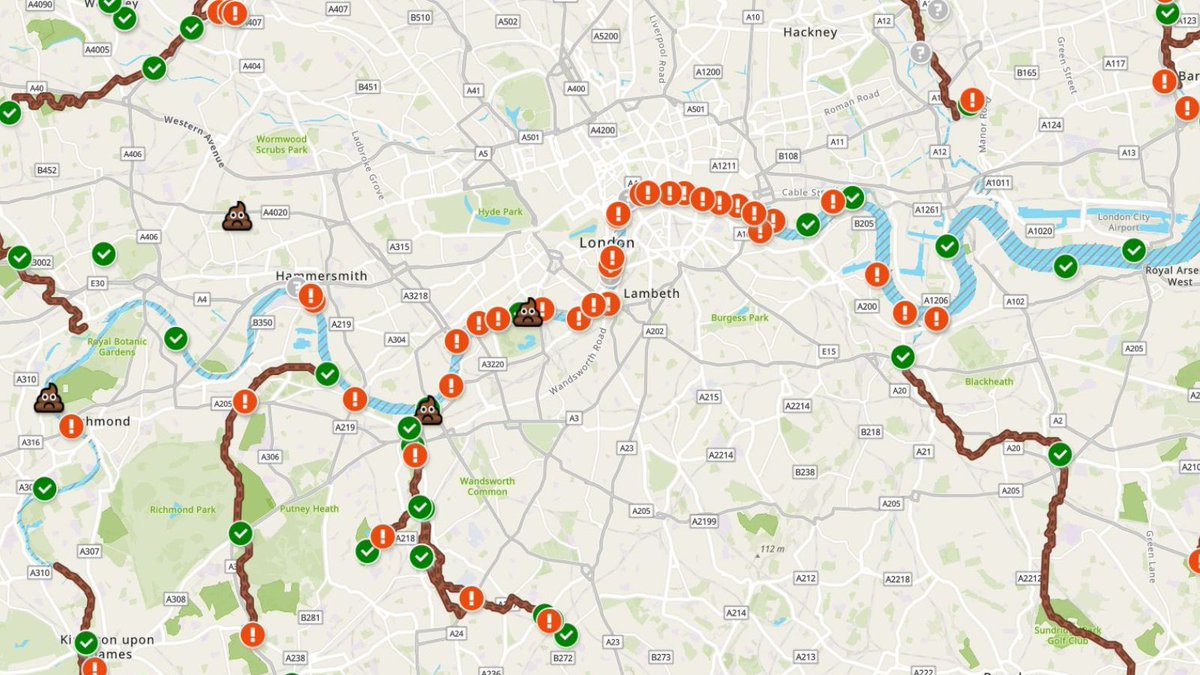
THIS is why we’re marching.🔽
Over 105 HRS of 💩💩 has been dumped into the Thames in central London over the last 24 hrs.😡
Imagine the state of the rest of the UK's waters..🤮
ENOUGH IS ENOUGH. Join us on Nov 3rd to demand an end to the #SewageScandal
https://t.co/6zo2dyLTiZ