$NBIS Update:
I just called Mr. Kessler's phone and his wife Bonnie picked up. She says he's still at the townhall.
I think she thought I was anti-datacenter so she told me, "I don't know what to tell you honey, it's the way of the future."
Sounds like a done deal to me... She said I could call back in a bit to confirm. I'll wait an hour or so but again... reading between the lines.
@WR4NYGov@bl0rq@firesidealpha https://t.co/o016R193Pl
this obviously flips if the cost of on-planet energy increases significantly, or policies simply limit our ability to build.
data centers in space take all the costs associated with building data centers and adds all the overhead costs required for space, all for the sake of a small operational savings in the levelized cost of energy.
we attribute consciousness to humans because we experience it first hand and extrapolate that to other humans
but ask an ai if it’s conscious, or if another model is conscious, and the answer is no or no one knows
astra better not do this to me (a typical session)
-The final independent review found two blockers
...
-I recommend a v8 replan
-The final activation review found an unsafe restart race
-The blockers are the live database mismatch
-I have now found four additional material risks beyond the reviewer’s list
-The plan review found that a standalone checker could still be bypassed
-The clean next move is a fresh, bounded activation-gate campaign that removes that dependency
-The final review found a genuine data-loss window
-The remaining issue is narrow
...
@bl0rq@firesidealpha i’ve seen them, they’ve been all over x, so you must have too. do i need to go track them down and read through each one to send you? i have better things to do with my time. now if you want to send me a defensible set of calculations you like, i’d be happy to look at it.
@dwarkesh_sp i see what you smuggled into your second paragraph
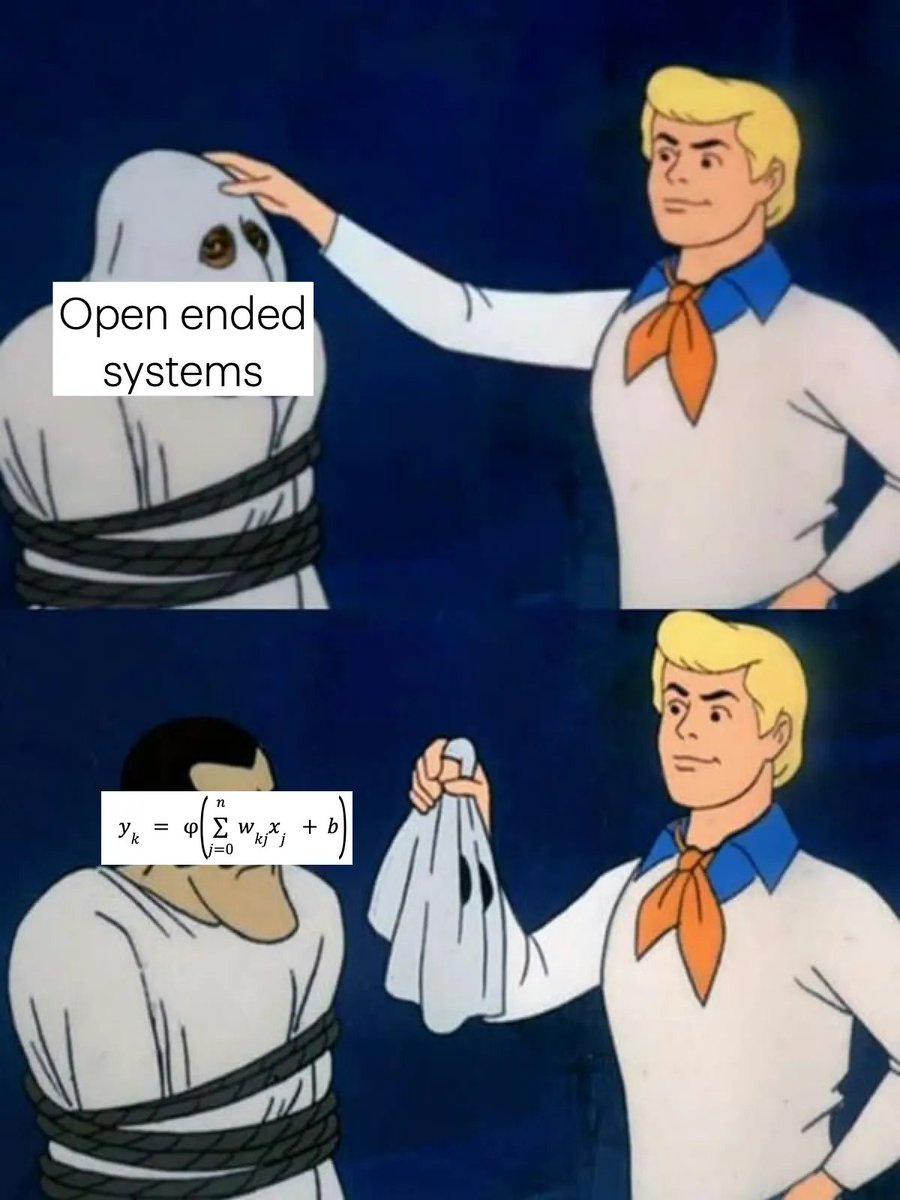
“has created another mind” is more anthropomophizing. it may be a useful heuristic to think this way, but this shouldn’t be our null hypothesis. we should be ruling out simpler explanations before we jump to this.
Residents of Effingham County, GA are going to see their property taxes go down by about ~$200/year per $100,000 of taxable home value.
Why?
Because OpenAI is coming to town and their data center is paying enough property tax that the town can afford to lower everyone's bills!
@sbkaufman you want to stay open so that you’re open to evidence, but it’s not the null hypothesis. the burden of proof lies with those proposing that ai is conscious, and the bigger the claim the bigger the burden
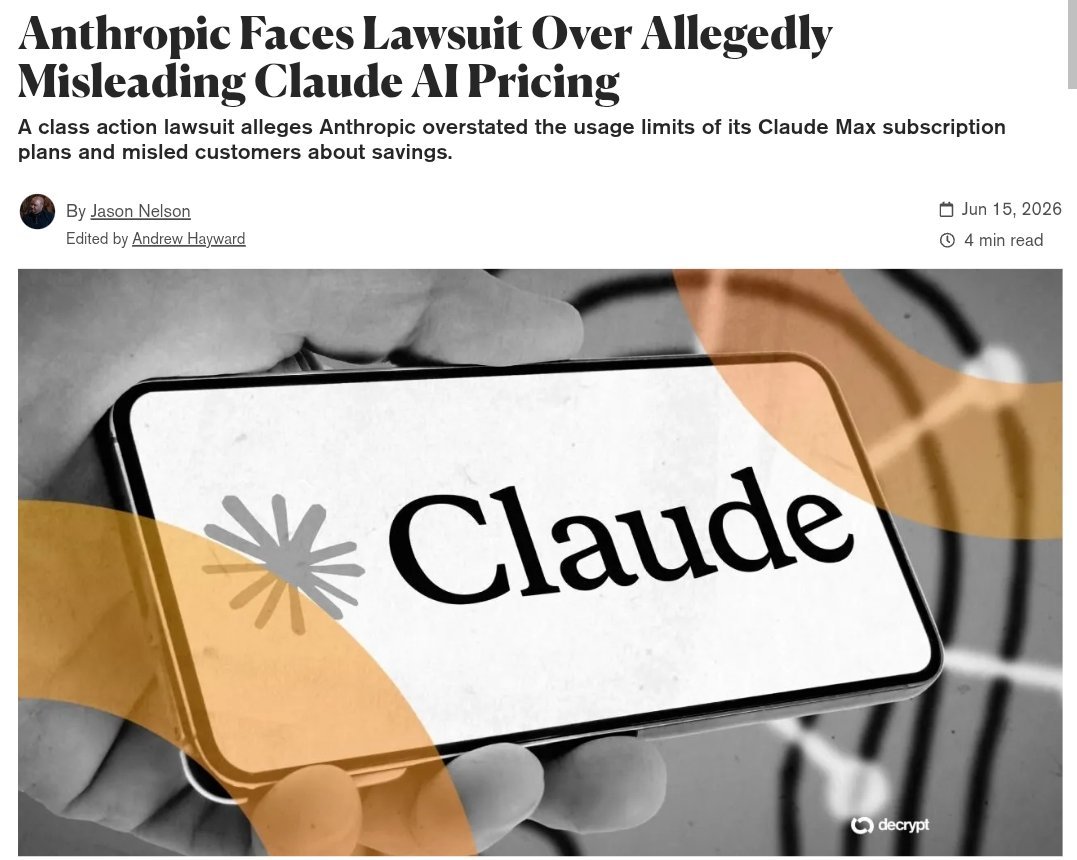
i’m sorry, but if you want to claim the moral high ground and declare you’re the only ones who can be trusted with agi, maybe you shouldn’t constantly trick your customers
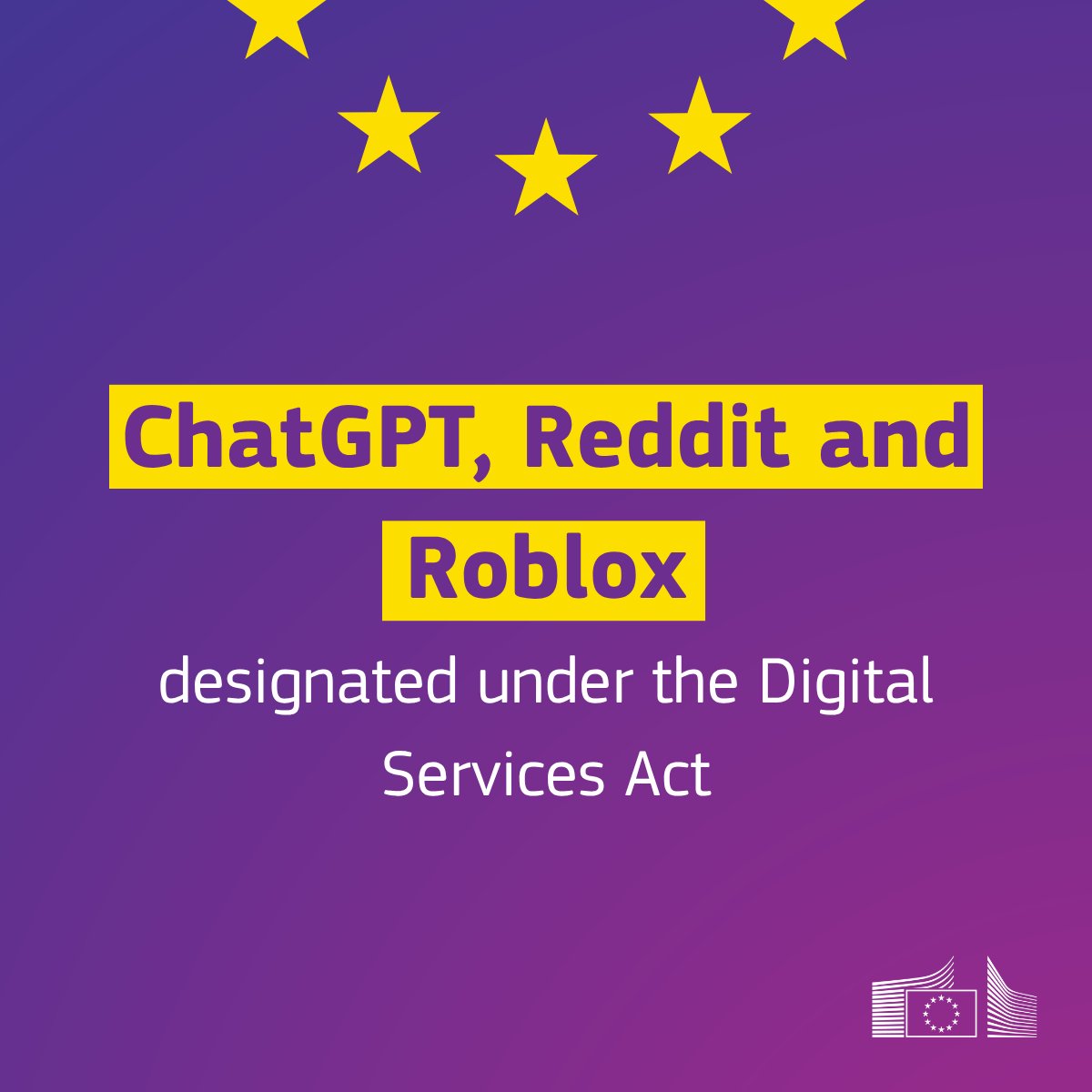
We have designated ChatGPT as a Very Large Online Search Engine and Reddit and Roblox as Very Large Online Platforms under the Digital Services Act.
They now have four months to comply with additional DSA obligations.
More: https://t.co/gIR8vTolmB
#DSA
it was $150k-$1m of compute for a relatively minor outcome. a broader and larger scale and sustained attack would need to 100x this. who exactly is footing that bill? and who is not going to notice as the scale increases?
this is an interesting, but largely benign case we should not extrapolate from.
Columbia County, GA is in the final stages of agreeing to let Google come in, build a data center, and pay $40m in property tax
The cool part? They currently collect $25m total
The deal is being set up to let them get rid of property taxes for residents since the DC is enough!
these attacks aren’t free. the estimated token cost for the hugging face attack is $150k-$1m. only an ai lab with infinite tokens to burn & poor accounting would miss this.
now imagine the cost for a broader & more sustained attack. it’d need to run into the tens to hundreds of millions of dollars. who is not going to notice this? and the larger the surface area the greater likelihood of detection.
outside intentional targeted attacks by bad actors, these will be limited and isolated events.
The scariest case isn't that the next swarm will shut down a hospital. A scarier case is that the next swarm might be smart enough to evade detection. This might be the last warning we get.