CBS News Meteorologist @RobMarciano takes a look at new drone technology NOAA will be using to measure hurricanes in parts of the storm that are too low for manned aircraft to fly, along with more of their hurricane hunter fleet: https://t.co/zfwDXww6QN
#Hurricane
Hurricane season officially begins today. From inside a NOAA hurricane hunter aircraft, CBS News' @RobMarciano gives this year's hurricane forecast and how El Niño could impact the number of storms in the Pacific and Atlantic.
The cool and rainy weather in the Northeast is clearing out, but the storm threat in the South is intensifying. Meteorologist @RobMarciano is tracking the forecast.
While quite challenging to turn the media narrative... if you want to speak about El Niño with accuracy, you do it using the appropriate descriptive terms:
Weak
Moderate
Strong
Very Strong
"Super El Niño" sounds good, I guess? ...but it's NOT a term @NOAA uses.
Severe thunderstorms are expected to impact parts of the South and Northeast. Meteorologist @RobMarciano is tracking the Memorial Day holiday forecast.
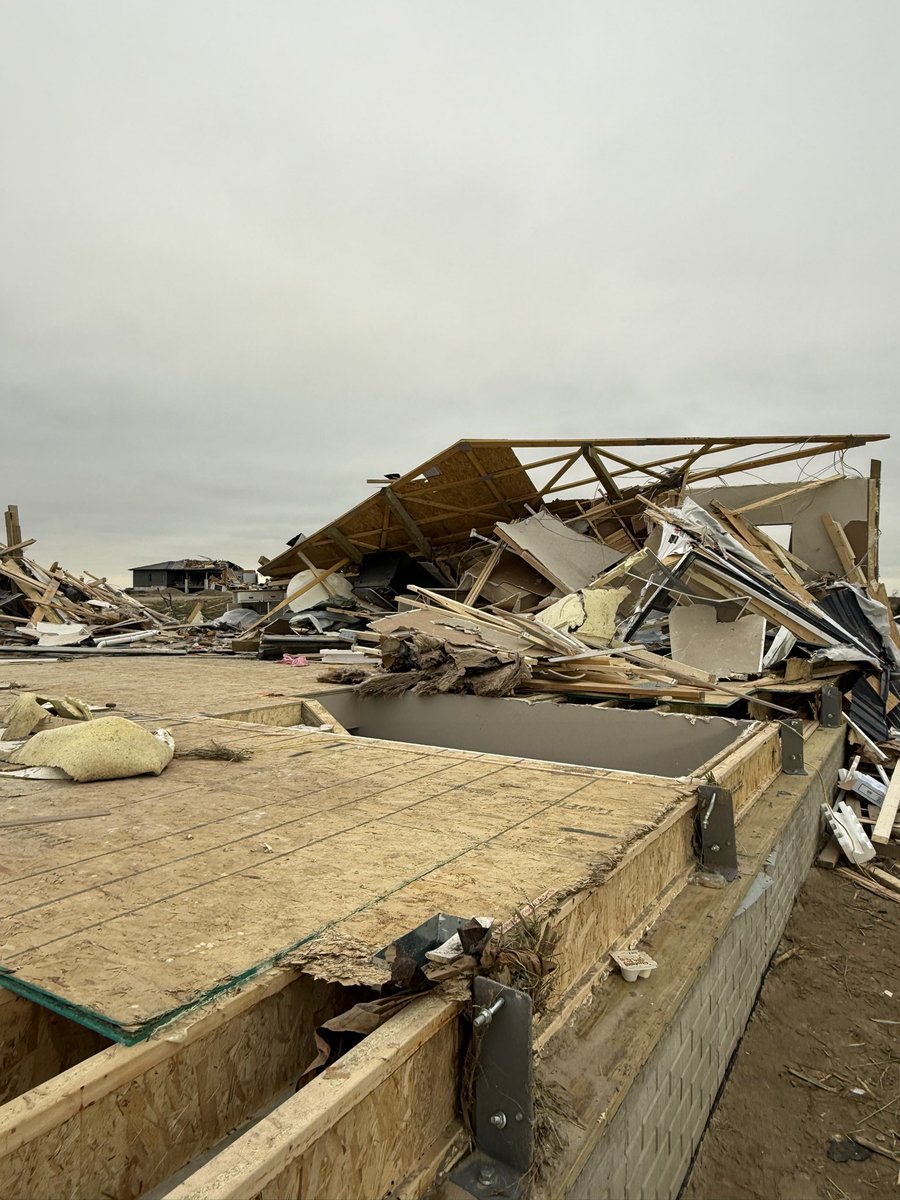
Sad scenes in St Paul, NE … but very fortunate all survived … the family who lives here scrambled into the basement when mom “saw the tornado coming over the hill” … chilling
@DanishDesign@CBSEveningNews It is both. Historic by any measure. Hasn’t snowed this much in Denver in 20 years … a top 10 storm, while Boulder snow ranks #3 for May
Rely on official NHC forecasts at https://t.co/tW4KeGdBFb and information from trusted media partners. Be cautious of sensational headlines and instead look for reliable sources to determine a storm's potential impacts. More tips in the video below: https://t.co/nKk7iqxamJ
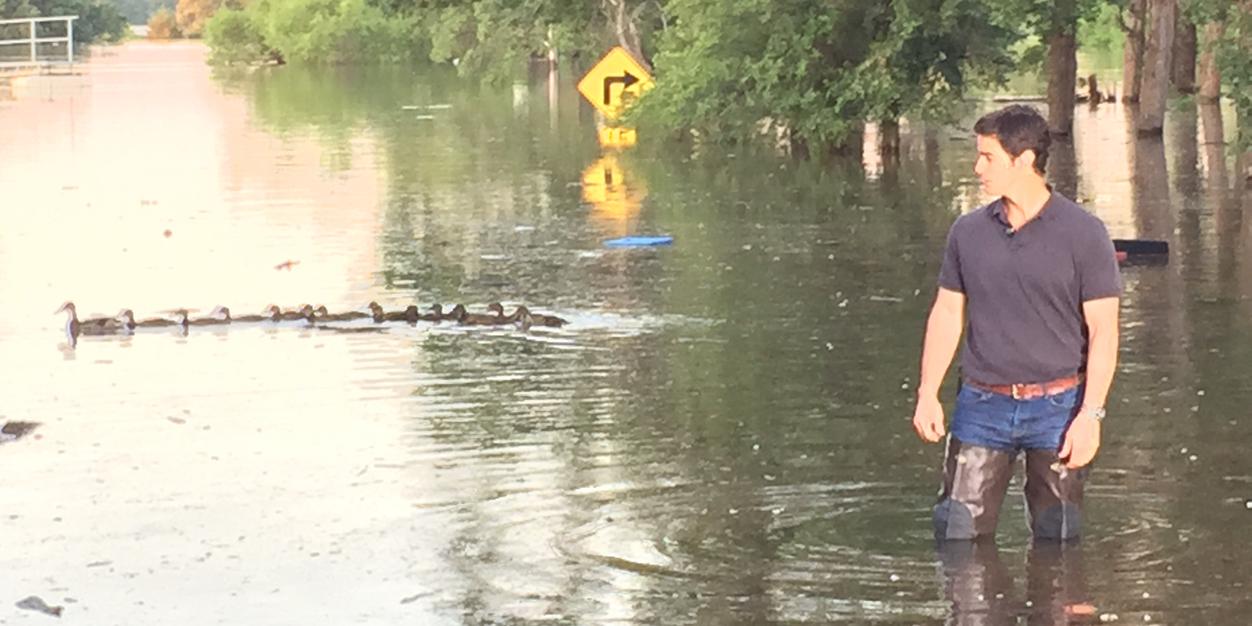
Flood alerts are in effect for nearly 14 million Americans as severe weather stretches across the South from New Mexico to Louisiana. Meteorologist @RobMarciano is tracking the storms.
For the sixth straight day, violent weather is threatening millions in the central part of the country. Meteorologist @RobMarciano is tracking the storms.
Heavy winter snow and recent record rainfall have caused the Cheboygan River in Michigan to rise, flooding lakeside neighborhoods with massive chunks of ice and prompting a state of emergency. Meteorologist @RobMarciano reports on the impact.
Another possible outbreak of tornadoes, hail and gusty winds is threatening millions of Americans. Meteorologist @RobMarciano is tracking severe weather.
At least five tornadoes tore through parts of Kansas and Minnesota on Monday, leaving widespread destruction. Meteorologist @RobMarciano is tracking the severe weather sweeping across the U.S.
Look at this astronaut's face during reentry, knowing the capsule exterior is at 5,000°F.
The physics of why he's alive are wild.
The air in front of the capsule compresses so violently at Mach 25 that it turns into plasma. 5,000°F on the surface. Half the temperature of the sun. The heat shield absorbs that energy by literally burning itself away, layer by layer, carrying the heat with it as gas.
One inch of material is the entire margin. On the outside of that inch: 5,000°F. On the inside: 75°F. Room temperature. The thermal gradient across that single inch is the steepest temperature drop humans have ever engineered.
The orange glow in the window is ionized nitrogen and oxygen. That plasma is why comms go black for six minutes during reentry. Ground control can't reach the crew. The astronauts are alone inside a fireball, falling at 25,000 mph, watching the laws of thermodynamics keep them alive through a 1-inch wall.
Artemis II did exactly this last night. Four astronauts hit Earth's atmosphere at 24,664 mph, rode a 4,900°F plasma sheath for six minutes of radio silence, and splashed down a mile from target.
The heat shield is now being inspected for cracks. They found over 100 on the last unmanned test.