@VKMacro Yes, they sure are. I am not sure how to square this with the other econ data coming out of Australia but that is indeed the last thing the RBA would want to see here just after not committing to further hikes
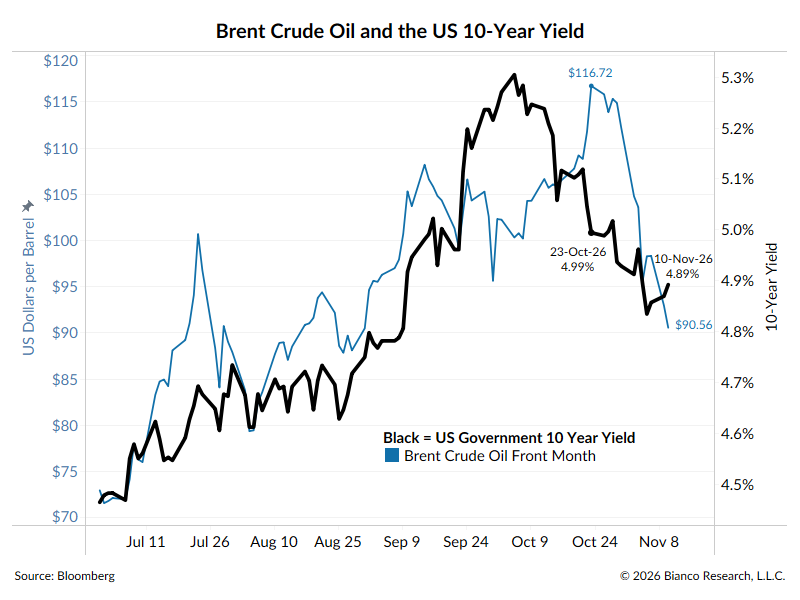
In the last 2+ weeks, Brent Crude Oil (blue) has declined 22%, from $116.72 on October 23rd to $90.56 today.
But the 10-year yield (black) has declined by only 10 basis points (from 4.99% on Oct 23 to 4.89% today).
The bond market is NOT about crude prices.
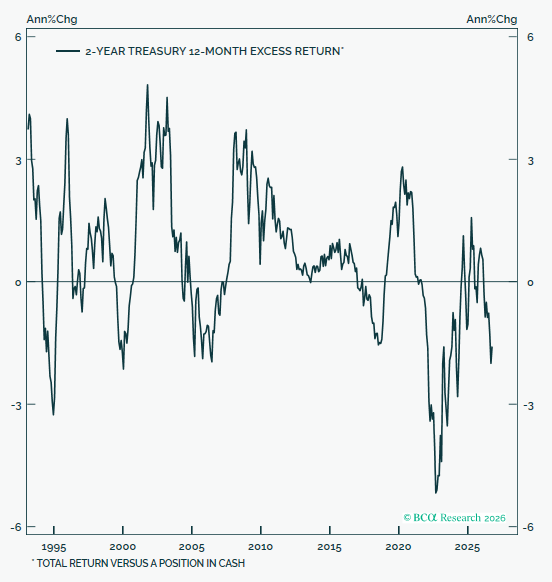
Ouch! Rough survey data out of Australia. If it wasn't clear before, it's clear now: Monetary policy down under is restrictive and will weigh on growth in 2027
@CrisisStudent We don’t have the details yet given it’s the preliminary release but any ideas which components within services is behind the increase in the past 2 months?
@tylermacro10@AndreasSteno Is all the capex spend on construction or Chips? I doubt data center construction spending per the survey includes chips. So the gap between hyperscaler capex and the survey is likely the cost of chips which is also why the NVDA revenue shouldn’t show up in the BEA data
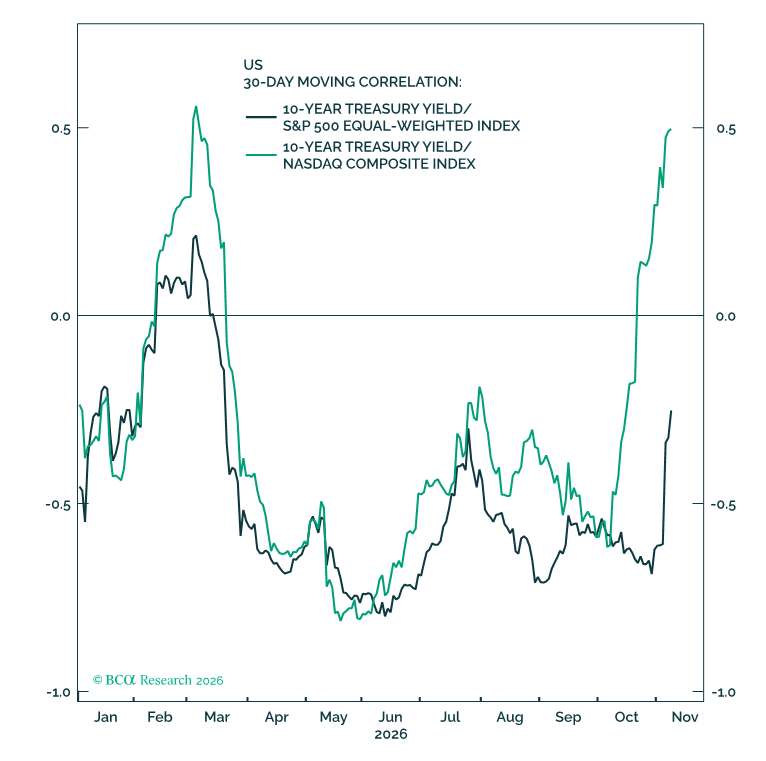
🇪🇺 Europe's borrowing costs now move with energy.
Our Chief Global Fixed Income Strategist @RobertTimper1 told @euronews:
⛽ Since Hormuz, EU yields track energy prices closely
🔥 Gas, not just oil, now driving inflation pressure
📈 Feeding through to higher yields
https://t.co/zI0PMd1D6B
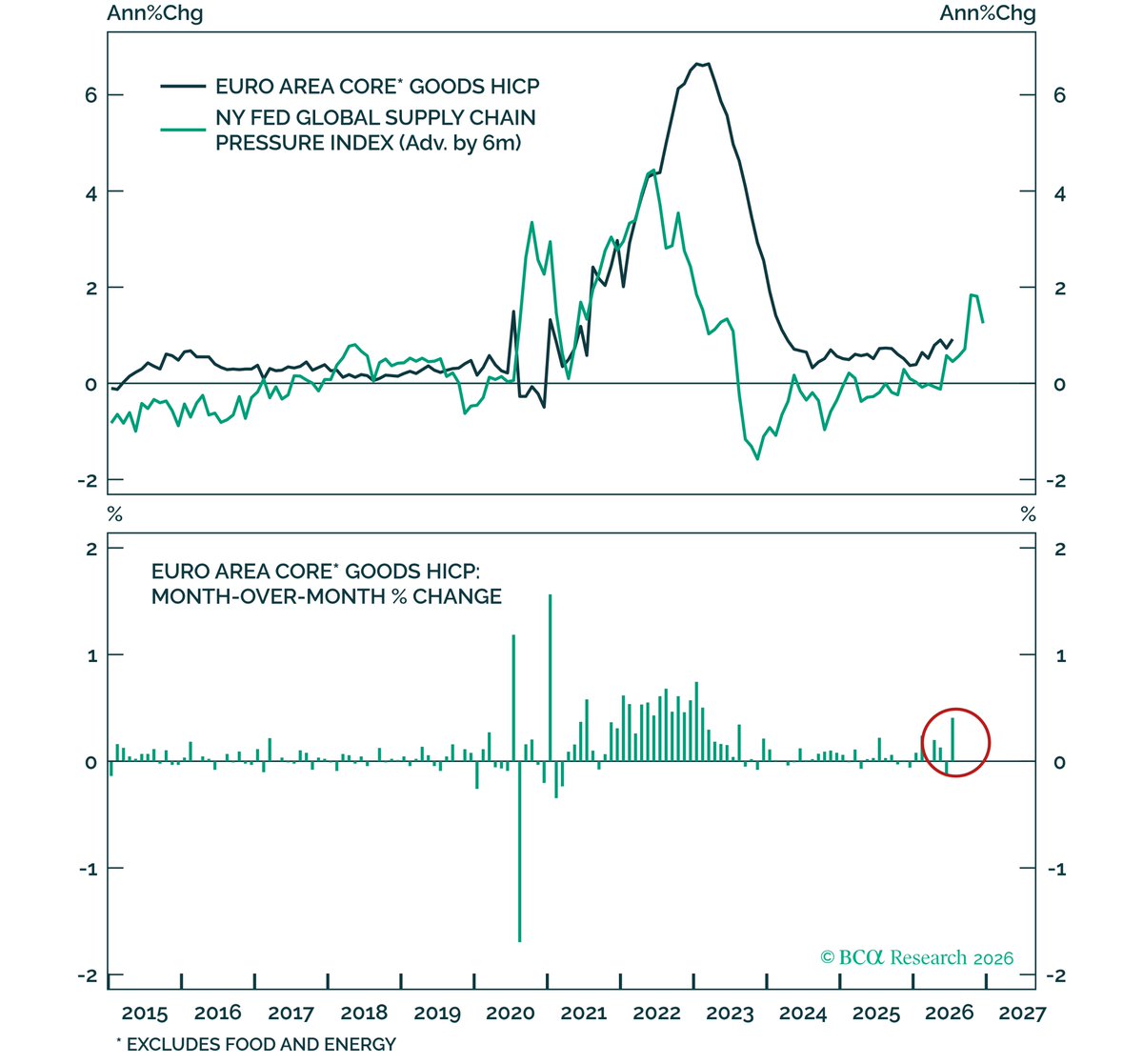
Today's euro area CPI data offers the first look at July inflation. The m/m increase in goods prices stood out at 0.41%, it was the largest increase in 3 years.
Could be a first sign of supply chain pressures from the SoH disruptions feeding into core goods inflation globally.
@Frencheconomics One way to square these two excellent observations is by looking at the weighted share of components above 3%. The number of components above 3% is basically consistent with target inflation, but those above 3% have a bigger weight, so inflation is still above 2%.
We get UK inflation data for June tomorrow. While the focus will be on the pass-through of higher energy costs, one thing to monitor is rent inflation.
Based on private market rent measures, disinflation in rent CPI has run its course.
After running well below pre-pandemic levels, rent inflation has picked up. Particularly, multi-family rent growth is rising in the last months, which is consistent with an apartment vacancy rate that has peaked.
To exceed current levels it would likely require tighter labor.