…and recycling your food waste (introduced throughout England earlier this year) is the most pointless & expensive recycling of all.
HMG bungled the cost/benefit calculations, and, instead of the claimed £5.9bn of benefits, the scheme will actually deliver a £10bn loss…
https://t.co/Vyqu9uuZUP

@jrobens@s8mb 0.06 tonnes of co2e abated for each tonne of food waste. 0.02% reduction in household emissions. Ie literally a rounding-error to zero.
It really is pointless.
Data and analysis is here: https://t.co/WkYWBRQ8re
Relying on a single value metric for SaaS pricing can lead to two big problems: (1) price and value become misaligned (some customers overpay, others underpay), and (2) enterprise buyers get a single negotiation target—making it easier to drive your margins down. 1/9
Relying on a single value metric for SaaS pricing can lead to two big problems: (1) price and value become misaligned (some customers overpay, others underpay), and (2) enterprise buyers get a single negotiation target—making it easier to drive your margins down. 1/9
Yes, you must strike a balance between simplicity and segmentation. But when done right, moving beyond one value metric can boost annual recurring revenue (ARR), increase deal sizes, and open your product to more customers. Win-win. 8/9
21/ In the absence of free sync plugins, these users wouldn’t pay for Obsidian’s sync proposition because they wouldn’t use Obsidian. Obsidian’s official support for a free-but-not-great iCloud sync is an effective hedge against those users going elsewhere.
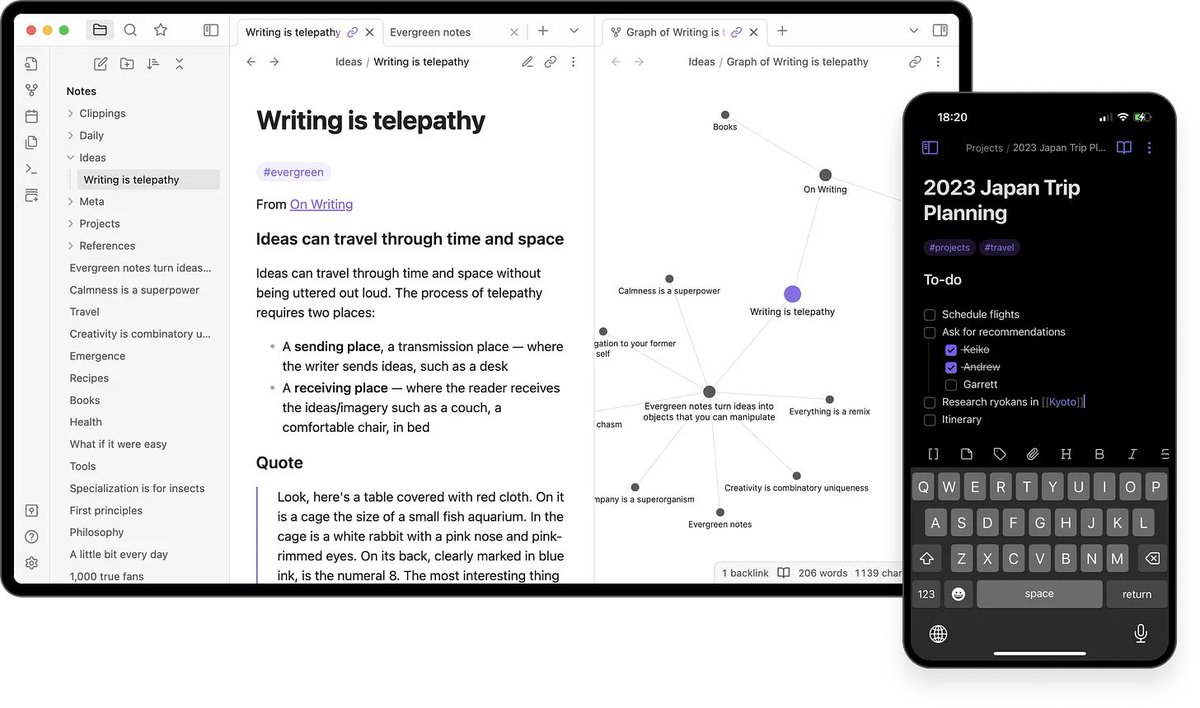
1/ Obsidian's pricing strategy is exceptionally thoughtful in how it segments users by requirements and willingness-to-pay 🧵
A deep dive into the pricing structure of Obsidian @obsdmd, starting with the sync service.
20/ But for users who are unable to pay or refuse to pay, the actual competitors are other free or low-cost notes apps which offer free syncing (e.g. Apple Notes, Simplenote).