These two images show the same view from Arlington National Cemetery. The photo on the left is the view as it exists today. The photo on the right shows the proposed 250-foot "Triumphal Arch" inserted into the landscape.
This structure would sit roughly 3,000 feet from Reagan National Airport, directly adjacent to one of the airport's primary approach & departure corridors. It would also be built in one of the most heavily trafficked areas in the region, creating years of disruption for the people who live and work in Arlington and D.C.
My biggest objection to this isn't even practical though.
The Lincoln Memorial, Memorial Bridge, and Arlington National Cemetery were intentionally designed as a single memorial landscape. Together, they connect Lincoln's leadership during the nation's greatest crisis, the reunification of the country after the Civil War (Memorial Bridge), and the service & sacrifice of the generations of Americans buried at Arlington.
The unobstructed visual connection between these sites was deliberate. It's part of the story they were designed to tell. The problem with a 250-foot triumphal arch is that it inserts itself as the focal point of that landscape.
My Pop-Pop was a Vietnam veteran and is buried at Arlington. My family doesn't want this.
Arlington National Cemetery is already a place of remembrance. It doesn't need a colossal monument dropped into its front yard.
NEW: A group backed by allies of incoming Speaker Hakeem Jeffries is launching a major ad during Sunday Night Football featuring newly elected Democrats from working-class backgrounds.
The ad takes aim at rising costs, the Iran war, corruption, and the influence of billionaires and lobbyists in Washington.
It ends with a warning: “Accountability is coming.”
Garcia: Comer set a precedent. If Hunter Biden can come in and answer questions from the oversight committee. Don Jr. and Eric and Jared Kushner can absolutely come in and answer questions.
There is something so profoundly beautiful and sad about this protest by local DC golfers.
All we want is our historic little muni. It’s a silent protest, a little defiance by everyday people who love a place and can’t say goodbye to it.
Countless people are devastated by the plan this admin has proposed. A plan that is abusive, cruel, and unfair.
Nobody is itching to see a championship course here. We are just everyday people that have been gifted an extraordinary place and are sad to see it stolen from us.
"As a kid, I once watched the Ku Klux Klan burn a cross in my hometown in Mississippi. Sixty years later, I look forward to shaking @scott_colom's hand and telling him I'm proud he's my senator." —@JohnGrisham
https://t.co/cUalcpmyeP
East Potomac golf course has no workers. No starter. No scorecards. No tee times. And no greens fees.
But golfers keep showing up — and now they’re bringing leaf blowers, fixing greens and installing donated flagsticks to keep the place alive.
https://t.co/3ueatbQ9hB
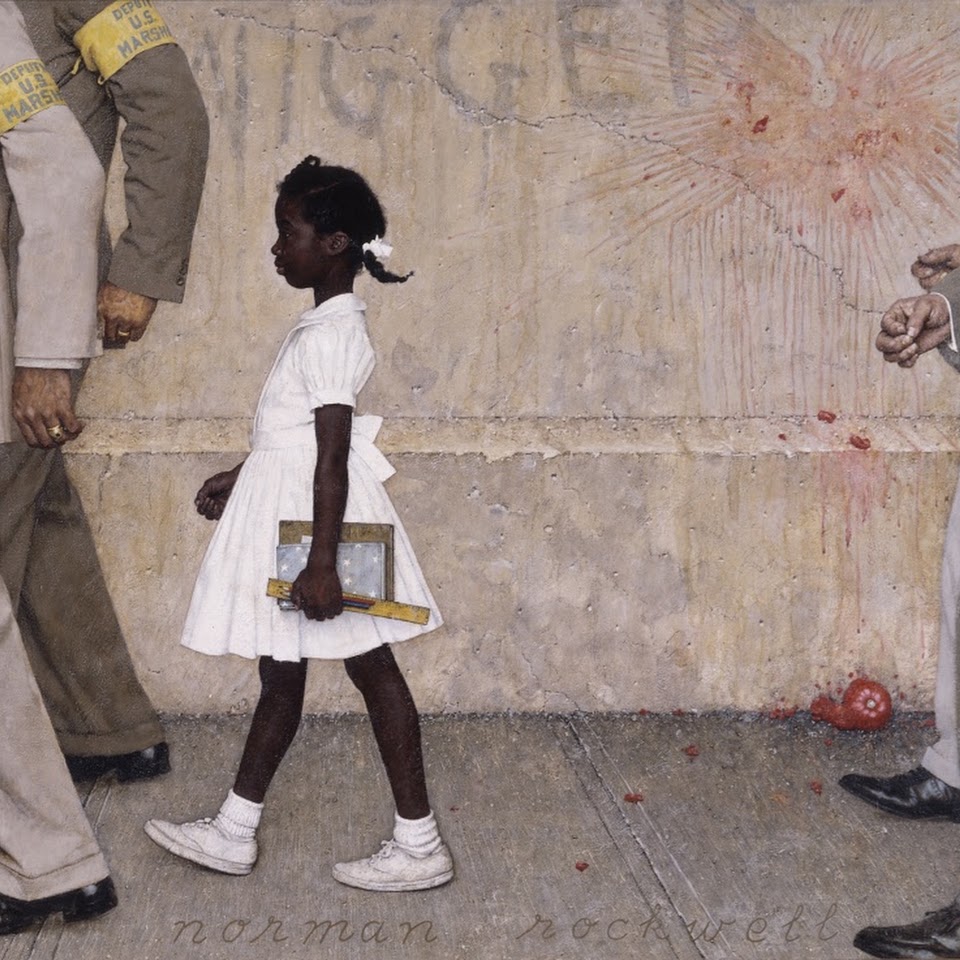
This iconic painting only exists because Norman Rockwell's bosses told him he wasn't allowed to paint Black folks.
Norman Rockwell's The Problem We All Live With is one of the most powerful paintings to emerge from the American Civil Rights Movement. Created in 1963, it portrays six-year-old Ruby Bridges being escorted by four U.S. federal marshals to William Frantz Elementary School in New Orleans on November 14, 1960. She was among the first Black children to attend previously all-white schools in the city following a federal court order to desegregate public education. Her arrival was met with furious opposition from white segregationists, and she had to walk past hostile crowds every school day under federal protection.
The painting also carries an important story about Rockwell himself. For decades, he worked for The Saturday Evening Post, where editorial restrictions limited how Black Americans could be represented in his illustrations. He later moved to Look magazine, which gave him greater freedom to address subjects such as racial injustice, poverty and civil rights. This allowed him to create a work that confronted the realities of segregation rather than avoiding them. The painting's title refers to a problem that extended far beyond one school or one little girl. It challenged Americans to recognize that racial discrimination was a national responsibility, not simply someone else's problem. Ruby Bridges' courage at six years old became an enduring symbol of the struggle for equal education, while Rockwell used his art to ensure that her experience would not be forgotten.
New: A gas plant Entergy Louisiana is building to power Meta’s massive data center in northeast Louisiana is now projected to cost $1.755 billion — $676 million, or 63% more than the utility originally estimated
https://t.co/3dcJhhOXLz
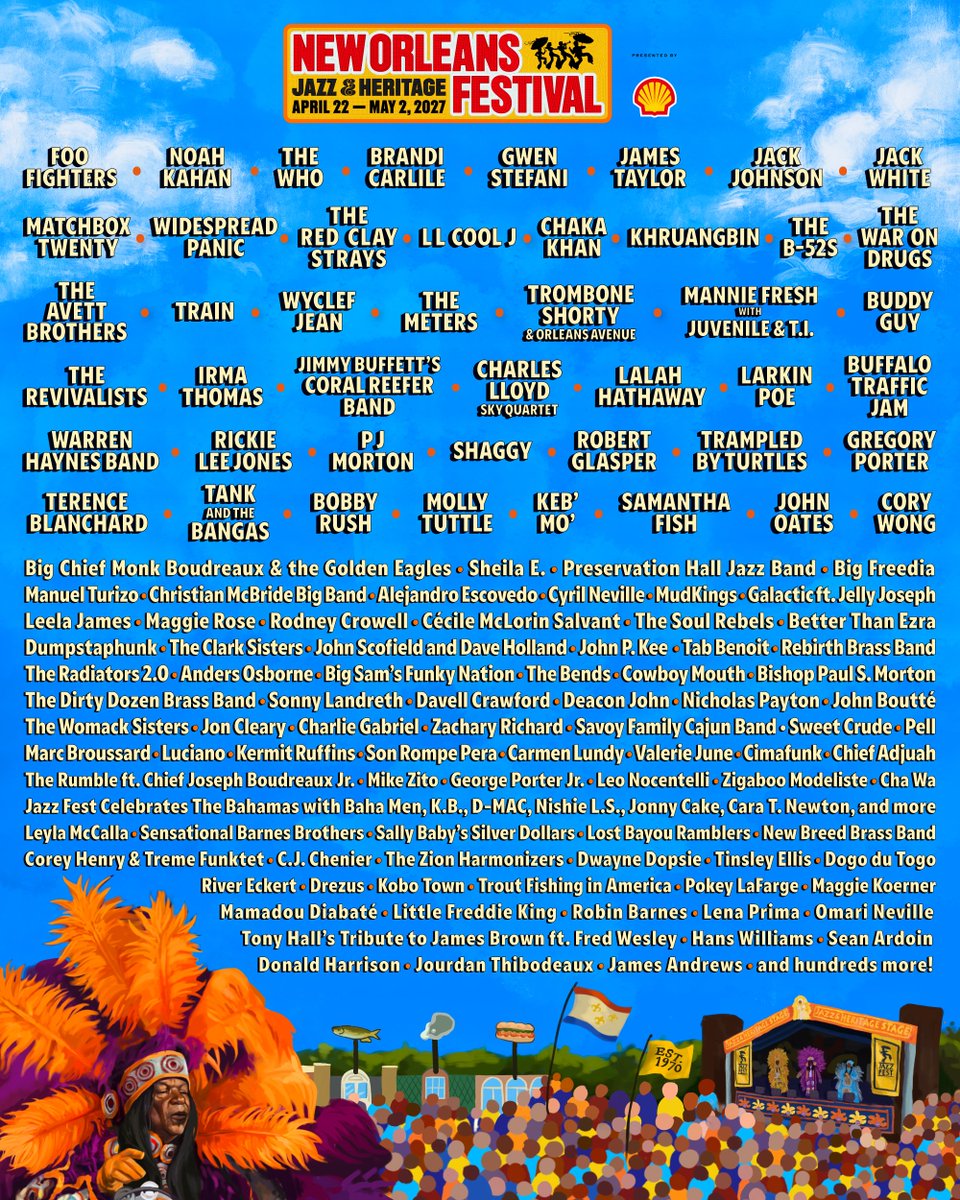
Jazz Fest 2027 Music Lineup!
GA Weekend Passes, GA+ and VIP Packages on sale tomorrow, Friday, Nov. 20 at 10am CST!
Ticket info at https://t.co/UcsTCOCOJM.
Link in bio for full music lineup.
#jazzfest