📣 Let's Go, SAMURAI BLUE!! 🙌🔥
This Sunday, SAMURAI BLUE (Japan National Team) will play their first match of the FIFA World Cup 2026, and we received messages of support from Japanese & Japanese Americans active in Los Angeles. ⚽💙
#SAMURAIBLUE#FIFAWorldCup#最高の景色を
3 days ago, Elon Musk sat in front of JP Morgan’s 3,500 wealthiest investors and explained why the AI economy is moving to space:
1. Starship is the first rocket in history designed to be fully reusable. Every other mode of transport... planes, cars, ships... you take reusability for granted. Rockets have always been thrown away after one use. That ends with Starship. Once you achieve full reusability, the only cost is fuel. Starship runs on liquid oxygen and methane. Both are cheaper than jet fuel.
2. Sending cargo to orbit will soon cost less than international air freight. This is not a distant projection. It is the direct mathematical outcome of reusable rockets plus cheap propellant. The economics of space change entirely.
3. Starlink V3 is 10 to 20 times more capable than what's currently in orbit. The satellite is so large it can only launch on Starship. It cannot fit on any other rocket on Earth. 100 times more bandwidth. Half the latency. It may become the highest bandwidth, lowest latency communication system that exists.
4. AI and robots will consume bandwidth at a scale humans cannot picture. Peak human bandwidth is a few hundred bits per second. A computer runs at a trillion. The appetite of AI for data infrastructure will be unlike anything built for human use. Starlink V3 is being built for that world... not this one.
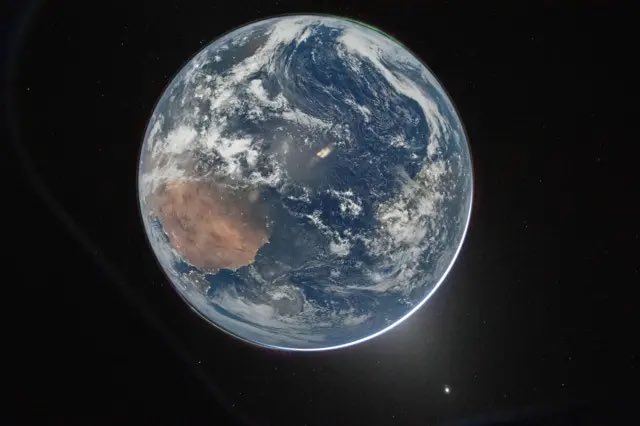
5. Data centers are moving to space. Not as an experiment. As the primary way to scale AI compute going forward. It is increasingly hard to build power plants on the ground. Nobody wants one near their home. Space removes that constraint entirely.
6. From the moon, you can scale to 1,000 terawatts of compute per year. From Earth... maybe 1. The moon has no atmosphere and one-sixth Earth's gravity. You can manufacture solar panels from moon materials and launch data centers with a railgun. No rockets needed. The math on this is not close.
7. Current human civilization uses less than one trillionth of the sun's energy output. You could scale to a million times Earth's entire economy and still be using less than one millionth of what the sun produces. The ceiling on what's possible is so far above us it barely registers as a ceiling.
8. There is not a single high-volume computer memory fab in America right now. Zero. The chips needed to build the AI future do not exist in sufficient quantity anywhere in the Western world. That is why SpaceX is building one. Not to compete. Because there is no other option.
9. SpaceX has been cash flow positive since around 2014. The IPO is not a distress move. Past funding rounds were not even fundraising... they were liquidity events for employees. The company bought back its own stock. The IPO is happening now because the next phase requires capital private markets cannot absorb.
10. The senior team has barely changed in over a decade. The CFO has been there 15 years. Musk joined as the seventh employee in 2002. He says people who believe in the mission don't leave. And above technical skill, he now looks for one thing... whether someone is genuinely a good person.
Jensen Huang just said AI will create more millionaires in 5 years than the Internet did in 20.
Here are ten stocks that could create millionaires by 2030:
1. $NBIS - Nebius Group
Q1 revenue $399M, up 684% YoY. AI cloud revenue up 841% YoY to $390M. Secured 1.2 GW of power for a new AI factory in Pennsylvania. Full-year 2026 guidance of $3-3.4B. Growing faster than almost any AI infrastructure company in the market right now.
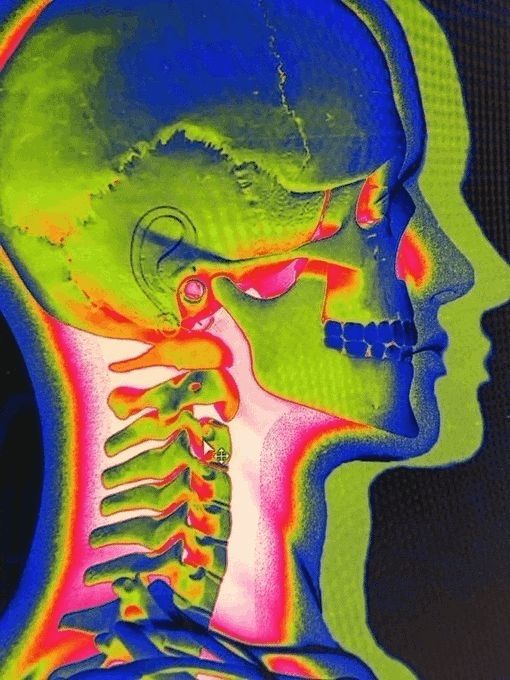
El cortisol elevado reduce 7 años de tu vida.
Destruye el sueño profundo, acelera el envejecimiento de la piel y borra la memoria a corto plazo.
Aquí tienes 10 trucos para bajar el cortisol según la ciencia:
1. Corte estricto de cafeína al mediodía
The countdown begins.
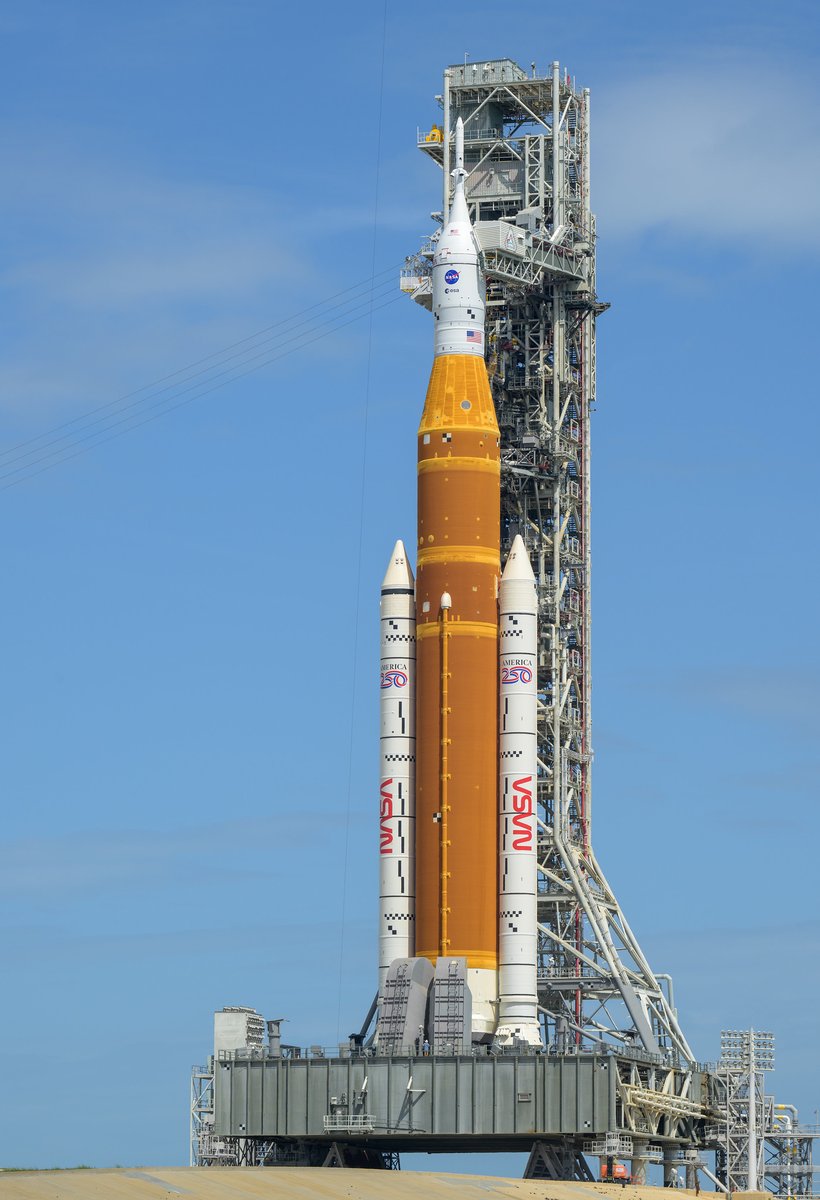
Teams at @NASAKennedy have arrived to their stations at the Launch Control Center. We are about 48 hours from the launch of the Artemis II mission around the Moon. https://t.co/PqaR8eyxu4