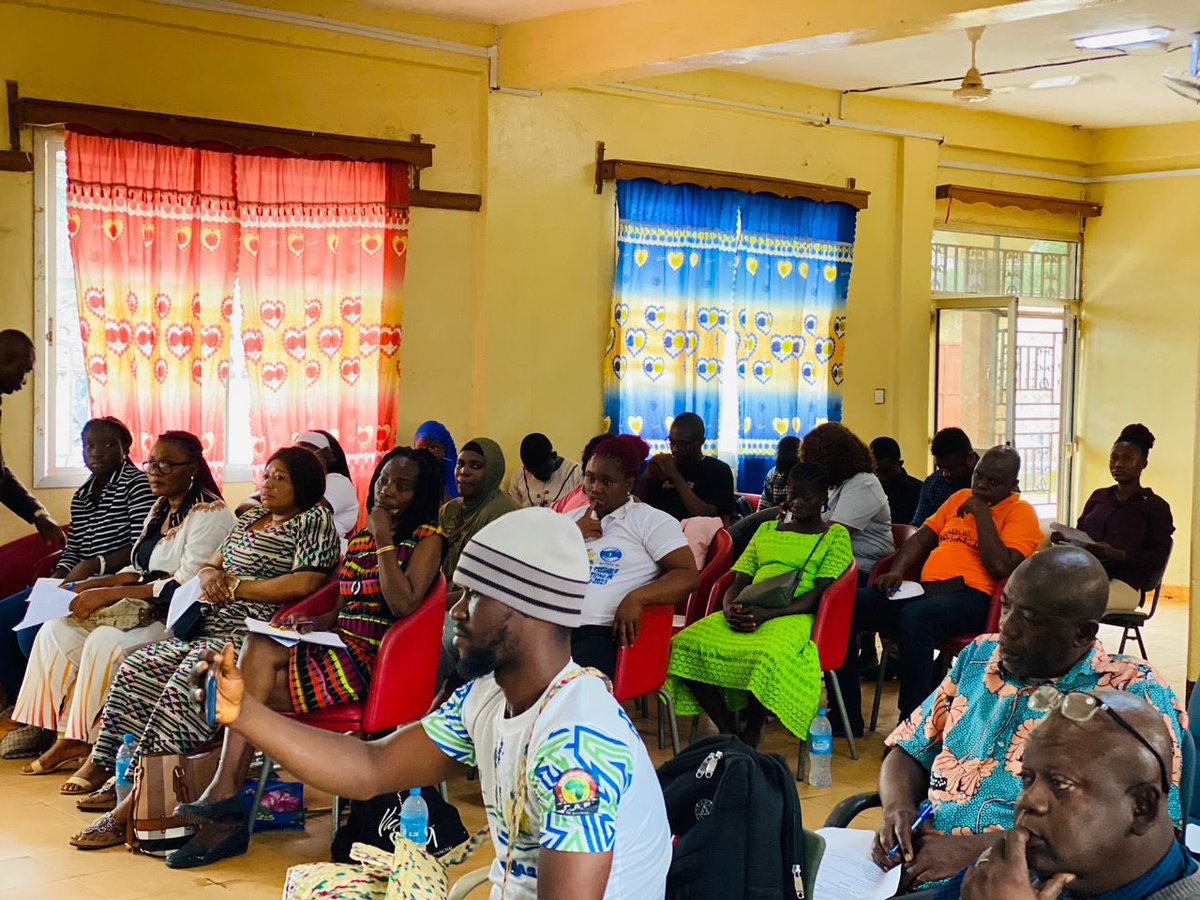
Today, 4 August 2025, our team spoke with 212 suspects—198 males and 14 females—across eight police cells in Freetown as part of a human rights monitoring program. We discovered 82 suspects were detained beyond the legal time limit, including 20 at the Criminal Investigation Department (CID) headquarters. During our visit, twelve suspects were released from the eight stations.
At the CID, we encountered a sick female suspect from Liberia who expressed concerns about the lack of medical care in custody. Additionally, a 17-year-old accused of stealing 10,000 leones highlighted issues surrounding juvenile detention in adult facilities.
Inmates at the Central Police Station voiced serious complaints about their living conditions, including a lack of drinking water and inadequate lighting. At Lumley police station, three suspects had not received medical attention for their illnesses since our last report.
A suspect has been held at Ross Road Station for 23 days without being charged in court. Lastly, at Adelaide Street police station, we found a six-month pregnant woman detained for allegedly stealing a mobile phone, raising concerns about the treatment of pregnant women in custody.
On August 1, 2025, our human rights monitors @chrdiorg visited 8 police stations in freetown and talked to 192 detainees (177 males and 15 females). The conditions in the facilities pose serious risks to the detainees' rights and well-being.
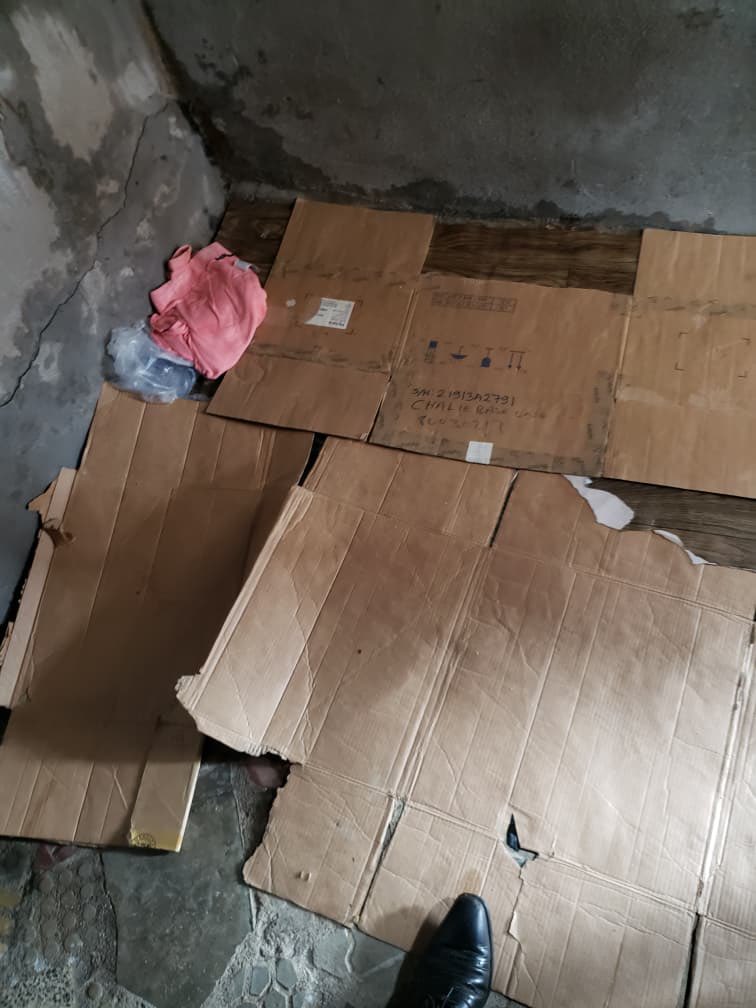
At the Congo Cross police station, female suspects rely on makeshift sleeping arrangements, often using cardboard boxes as beds, while sanitation facilities are inadequate and deplorable.
Concerns regarding medical care were raised, with reports from the Lumley and Adelaide street stations about detainees’ medical issues being neglected. Additionally, 63 suspects are being held beyond the legal time limit, highlighting poor coordination among police and the other criminal justice institutions. Only 21 of the 192 suspects were charged during our visit, and five were released, raising questions about the judicial process's efficiency and fairness. Reform is urgently needed to uphold the rights of all detainees.
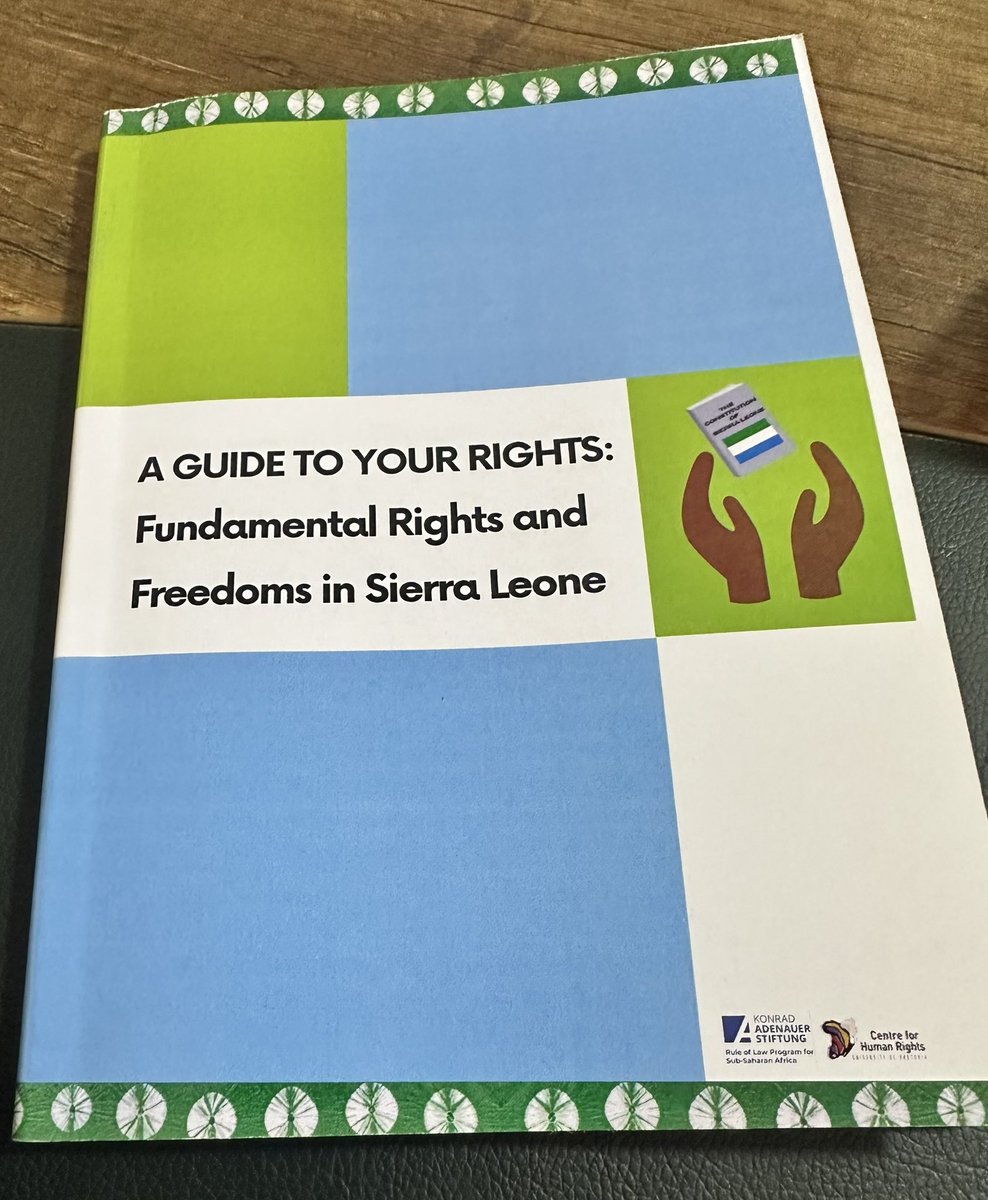
Last year, we informed the general public and consulted with the academic and civil society communities about a booklet titled "A Guide to Your Rights: Fundamental Rights and Freedoms in Sierra Leone."
We partnered with the Centre for Human Rights at the Faculty of Law, University of Pretoria in South Africa, with support from the Konrad Adenauer Stiftung Rule of Law Program for Sub-Saharan Africa. The booklets are here and ready for distribution.
After more than a month of piloting our human rights monitoring in police cells at three police stations, we requested an expansion to monitor all police cells in the country's western area. We were pleased to receive approval from the Sierra Leone Police within 24 hours of our request. To date, we have interviewed over 500 suspects and observed improvements in detention conditions at these three stations however with several challenges for both suspects and police officers.
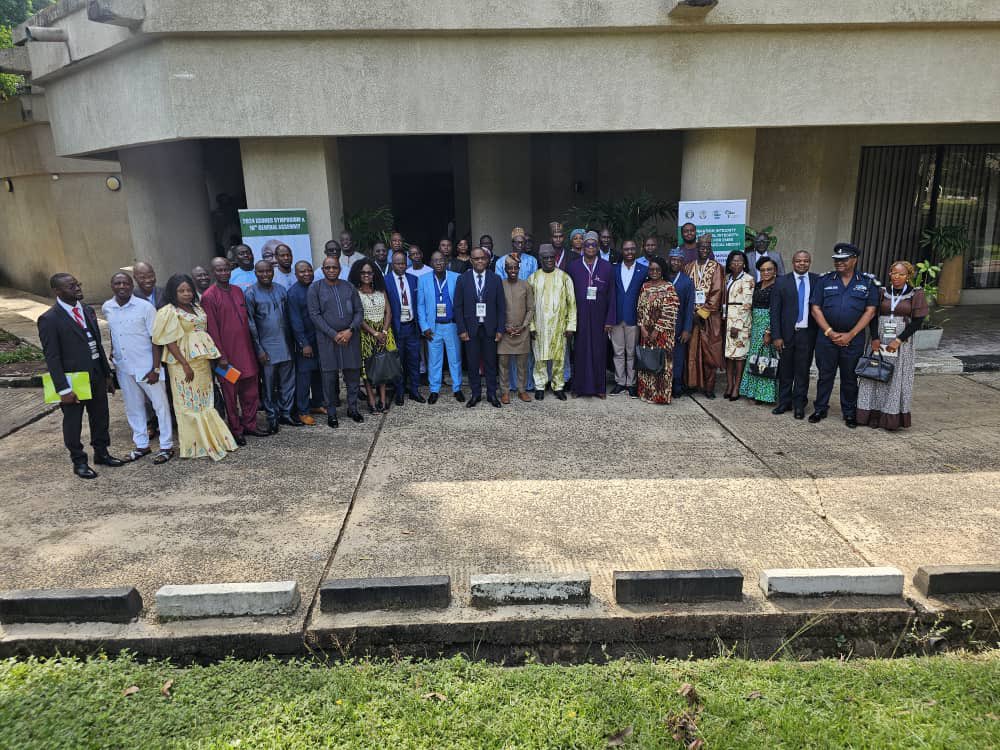
Our organisation @chrdiorg participated in two events today. The first was the Economic Community of West African States (ECOWAS) and the Network of Electoral Commissions (ECONEC) Symposium and 10th General Assembly, which commenced on November 11, 2024, at the Radisson Blu Hotel in Freetown, Sierra Leone. This event focused on the crucial role of Electoral Management Bodies (EMBs) in promoting information integrity as a vital component in safeguarding electoral processes.
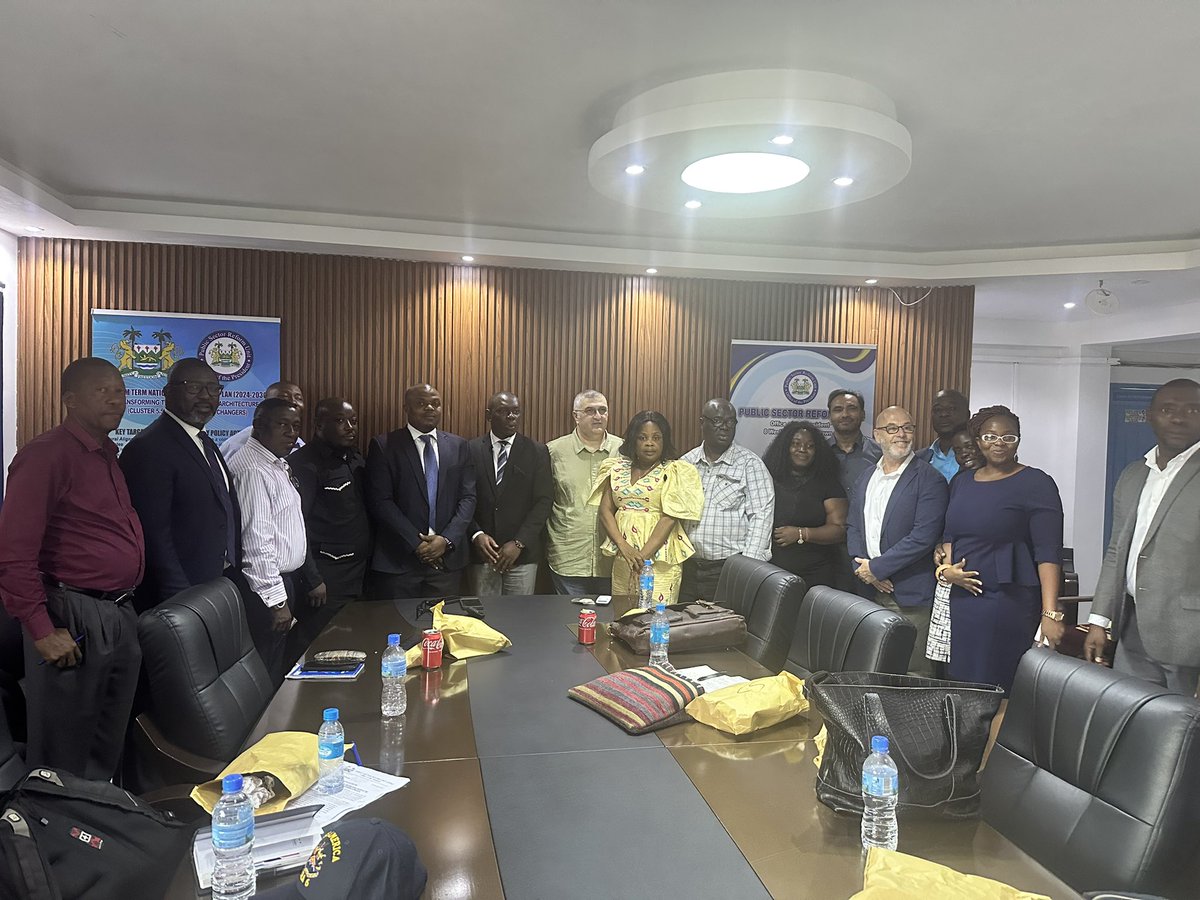
The second event was a meeting with civil society leaders and representatives from the Public Sector Reform Unit (PSRU) and the International Foundation for Electoral Systems (IFES). At the meeting at their PSRU office in Freetown, we discussed the framework for an Independent Management and Functional Review (IMFR) of the Electoral Commission for Sierra Leone (ECSL). @dsengeh@IFES1987@USEmbFreetown
This morning, our boss @amfatoms attended the steering committee meeting to implement the Electoral Systems and Management Bodies Review recommendation.
In today's second meeting, CHRDI, three other civil society organizations, and government ministries were also present.
After several months of delay, our ongoing judicial review case at the High Court Civil Division of the Judiciary of Sierra Leone has finally received a ruling.
The judge refused our injunction application, and the matter has been adjourned to July 24 this year.
We are grateful to our legal team, including L. Jenkins-Johnston, C.C.E. Kormoh, R.Y. Lightfoot Taylor, and C. Hughes.
Our judicial review case has encountered a significant delay before the high court civil division. It has been more than 40 days since the judge scheduled the matter for a ruling.
This prolonged delay is undermining public confidence in the judiciary.
The judiciary must take this decline in public trust seriously Providing access to justice for all citizens has been widely acknowledged as a fundamental element of democracy, sound governance, and efficient and fair progress.
The significance of this has been highlighted in the 16th Sustainable Development Goal (SDG16) of the United Nations, which calls on all societies to foster peaceful and inclusive societies for sustainable development, ensure access to justice for everyone, and establish effective, transparent, and inclusive institutions at all levels (United Nations, 2016).
To ensure access to justice, it is essential to fulfil specific prerequisites, including establishing public trust in the judicial system.
Citizens must have confidence that laws will be fairly and efficiently enforced. @PresidentBio@dsengeh@USEmbFreetown@JudiciaryofSL@IrlEmbFreetown@UNDPSierraLeone@UNSierraLeone
Our organisation, the Campaign for Human Rights and Development International (CHRDI), is committed to advocating for social policies that promote and protect human rights.
Recently, we have taken legal action against the Ministry of Technical and Higher Education in Sierra Leone.
We have filed a judicial review case challenging the Ministry's decision to dissolve the University Court of Sierra Leone and the appointment of an Acting Chancellor and Principal.
We believe that these actions are not only wrongful and unlawful but also unjust.
We are hopeful that through due process, we can reach a fair and just resolution. The case is scheduled to be heard on April 30th, 2024.@USEmbFreetown@UKinSierraLeone@UNESCO@PresidentBio
Update
In a letter dated the 11th of March 2024, our organisation sought permission from the Sierra Leone Police to hold a peaceful protest in front of the Ministry of Technical and Higher Education on the 25th of March 2024. The Minister of Internal Affairs and Office of National Security were copied on the letter.
On March 13th, 2024, we met separately with the leadership of the Office of National Security and the Inspector General of Sierra Leone. During the meetings, we were informed about the government's efforts to resolve the leadership crisis at the university before the scheduled date of our peaceful protest. We assured them that we would only consider cancellation of the protest if the Ministry reinstates the university court and allows the university court to appoint their Pro-vice Chancellor within the Universities Act of 2021 and other laws of Sierra Leone.
We, nevertheless, await the official confirmation from the Sierra Leone Police to provide security for the protest.
@VickieRemoe@sierraeyesalone@USEmbFreetown@UKinSierraLeone
Today (05/03/2024), at our press conference, we gave the Government of Sierra Leone through the Ministry of Technical and Higher Education 14 days' notice to reinstate the University Court within the laws of Sierra Leone.
If the Government of Sierra Leone through the Ministry of Technical and Higher Education fails to reinstate the University Court within the laws of Sierra Leone after the 14 days' notice, we will conduct a demonstration in front of the Ministry’s premises at New England Freetown; we will also make use of the high court of Sierra Leone to seek a judicial review on the actions of the Ministry’s senior officials action against the University of Sierra Leone.
The consensus among nearly all experts is that governments, not merely private enterprises or individuals, must take a pivotal role in combating climate change.
They are, nevertheless, divided regarding the most efficacious strategies to tackle the issue. Since almost four years ago, the Sierra Leonean government has participated in climate change summits at the subregional and global levels without a climate change policy in place.
For several years, the Sierra Leonean authorities have been engaged in the development of climate change policy.
The NCCP stands for the National Climate Change Policy.
Upon completion and approval in 2023 (if"), this policy will supersede the previous one that was implemented five years prior.
Our six-page CHRDI policy brief paper, which contains nine (9) robust progressive recommendations regarding human rights and climate change in Sierra Leone, is out to the public today. @UNFCCC@WBG_Climate@UNDPSierraLeone
The rule of law is essential for inclusive economic growth, sustainable development, and protecting people’s rights and fundamental freedoms. We all have the right to live in a peaceful society. We cannot have situations where aggressors take illegal action without consequences to deter them from planning further aggression. Since November 26, 2023, we have put out two position statements condemning the failed attempted coup and urging the government to take all necessary action to investigate and prosecute people who are responsible for the unlawful killing of security personnel and the attack on the country's democracy. Today, through our press release, we are calling on the Sierra Leone government to review the indefinite curfew order that restricts the movement of citizens and residents of Sierra Leone since November 26, 2023.
Campaign for Human Rights and Development International CHRDI, today, November 23, 2023, engaged over 50 female university students from different universities in Sierra Leone as part of our ongoing activities in promoting the advancement of women’s voices and putting an end to violence and harassment against women, both online and offline.
The WIRED project, which receives funding from Internews US, seeks to raise public awareness of the particular roles, dangers, and difficulties that these women face in their line of work.
Gender equality is not only a fundamental human right. It is also a keystone of a prosperous, modern economy that provides sustainable, inclusive growth. Digital equality is vital to creating fairer societies, healthier citizens, and stronger economies. A world where women and girls can safely access the internet and contribute online benefits individuals and society at large. @Internews@InternewsKE@CGGSierraLeone@amfatoms
Promoting Social Cohesion and Peaceful Coexistence in Sierra Leone
With Support from our partner, @OpenSocietyAfr@OpenSociety .
One of the activities of the Election Conflict Prevention and Mediation Working Group (ECPMG) for the post-election period is to promote social cohesion and national unity dialogue at the community level in Sierra Leone. We seek to promote youth inclusion and civic participation by providing young women and men, religious leaders, traditional leaders, members of the security sector, and community stakeholders with the necessary knowledge and materials to lead the dialogue on national unity and social cohesion in Sierra Leone. As part of our national tour today, we are in Bo City, Bo District. At its heart, social cohesion is based on the voluntary decision of an individual to participate in community life. ECPMG provides a framework that helps community members "get a taste" of cooperative practises, develop a shared vision and strategy, and impact politics and social policies. @ECsalone