Battlefield historian #VWH 🔗⬇️, serial traveller, once Australian Army officer, annual #AARCStaffRide26 Chief Instructor. RUSI-WA counsellor. #PME enthusiast.
Great Q. First depends on definition - what is a ‘historian’? Are there types beyond ‘academic historian’? @HardcoreHistory doesn’t accept the exalted title of ‘historian’. Likewise, I’d be reluctant to describe myself as such; although many friends would disagree. Academics require a PhD. An expert guide? Probably not. Professionalism comes in numerous forms.
@myadventure72 I don’t think the tech is robust enough.
ADF should stop being fancy and just buy what works!
Army learned the hard way with MRH-90 and Tiger.
Now has the obvious choice: Blackhawk and Apache!
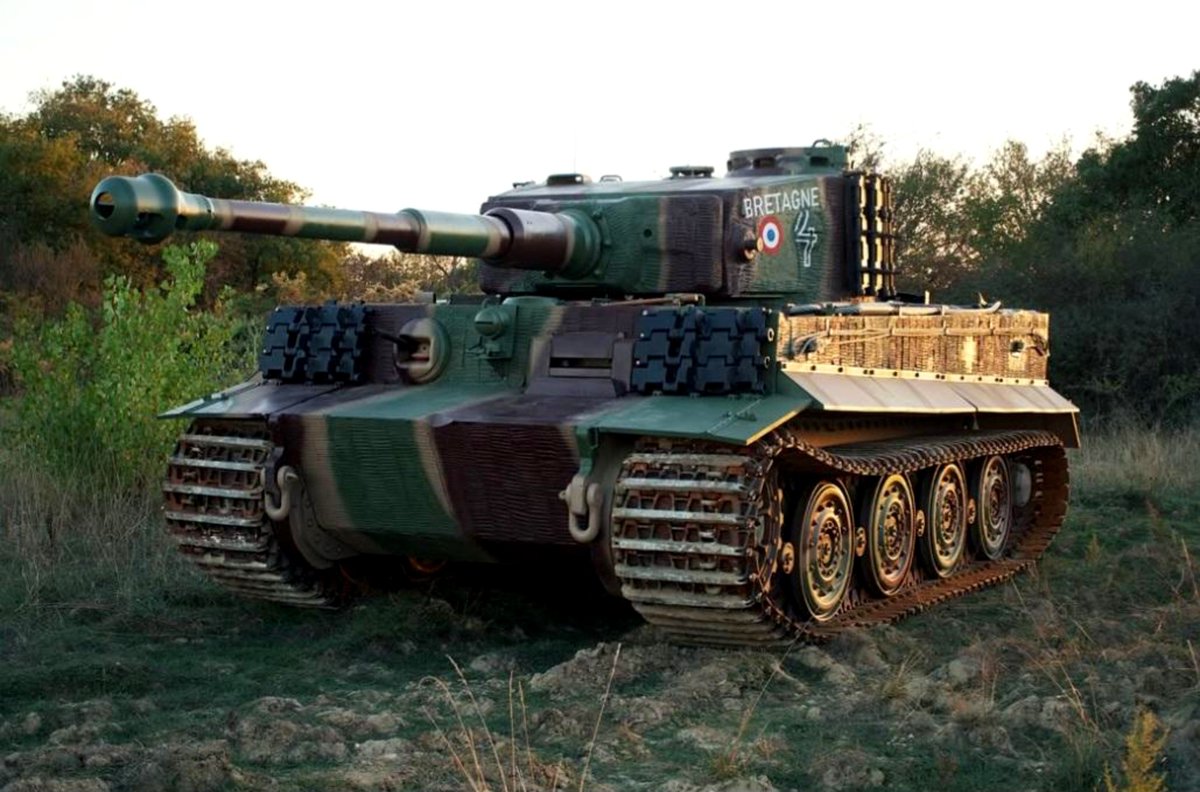
The Tiger I known as 114/Bretagne, restored by the Musée des Blindés de Saumur 🇫🇷, is now officially operational and capable of driving once again. This makes it, alongside Tiger 131 (Bovington 🇬🇧), one of only two fully functional Tiger I tanks in the world. Remarkably, the engine fitted to 114 is still its original one.
This particular Tiger I is displayed with French markings, reflecting its history after being captured in 1944 and put into service by the Free French Forces. In fact, the tank spent more time serving under French colors than it did with the German forces.
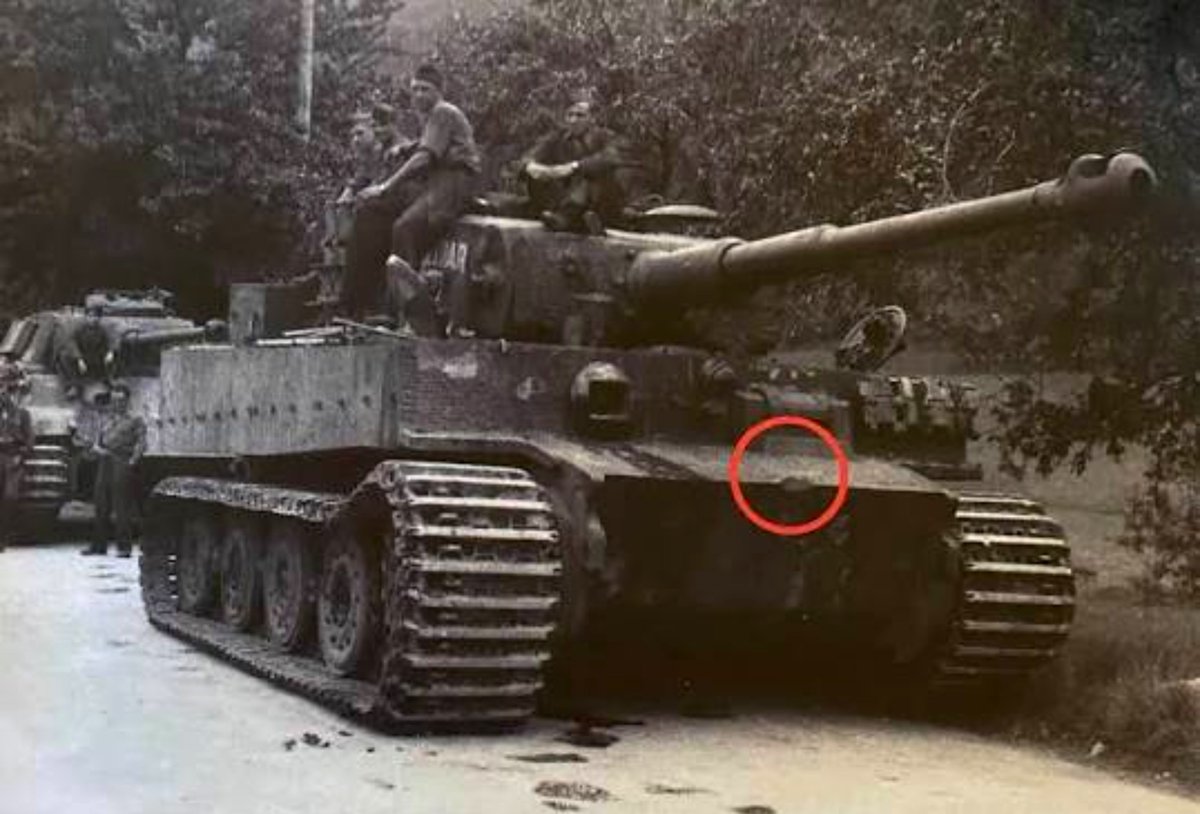
Its identity was eventually confirmed through several distinctive features, notably a small dent on the front of the hull and its damaged or twisted muzzle brake.
via museedesblindés & militarymachinefr / INS
@Truluck_Wilts@MalayaSingapore Those Argyll’s were in reserve to the rear (and quickly employed at Titi Karigan and Grik). I’m unsure where the recce platoon was though!
It’s a long ride to Singapore (days) and they were interrupted along the way - not least by RE demolitions.
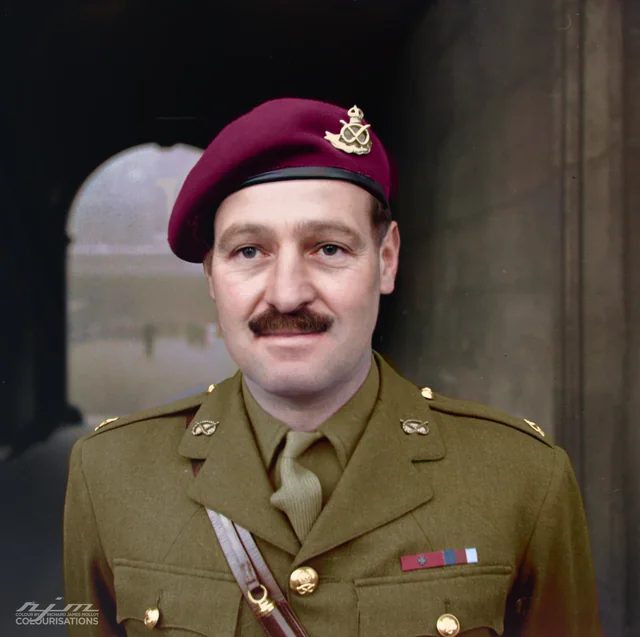
Five Victoria Crosses were won at Arnhem. Four of the men were dead when theirs was announced. Major Robert Cain is the one who lived, and he earned it by hunting German tanks on foot, almost alone, for six days, including a burst that blew up in his face and blinded him, after which he wiped his eyes and went back to it half an hour later.
Cain commanded a rifle company of the South Staffordshire Regiment, dropped near Arnhem in the operation I have been telling you about all week. Cut off from the rest of his battalion early, his men ended up as part of the shrinking defense of the Oosterbeek perimeter, the pocket the survivors held with their backs to the Rhine while German armor tried to grind them out. Cain took it on himself to be the perimeter's tank-killer. Armed mostly with the PIAT, a clumsy, short-range British anti-tank weapon that had to be fired from almost suicidally close, he stalked the German tanks and self-propelled guns as they came at the position.
He did it over and over, day after day, moving out into the open to meet the armor, firing at ranges where a miss meant death, then falling back to reload and do it again. During one duel with a Tiger, his PIAT bomb detonated right in front of his face, the blast throwing him backward and blinding him and burying fragments in his head. He was dragged to the aid post. Within about half an hour, his sight coming back, he had returned to the line and was hunting tanks again. When the PIATs ran out he used a light mortar, standing to fire it because there was no time to set it up properly.
By the end of the battle Cain was credited with destroying or disabling six tanks, four of them Tigers, along with several self-propelled guns, a staggering tally for one man on foot with hand-held weapons. He kept fighting to the very end of the siege, and he was one of the roughly two thousand who came back across the river in the evacuation. His Victoria Cross, the only one of the five Arnhem crosses given to a living man, recognized not a single act but six days of relentless, deliberate courage, a company commander who appointed himself the destroyer of the tanks that were killing his men, and would not stop even when one of them nearly took his eyes.